Nina Taylor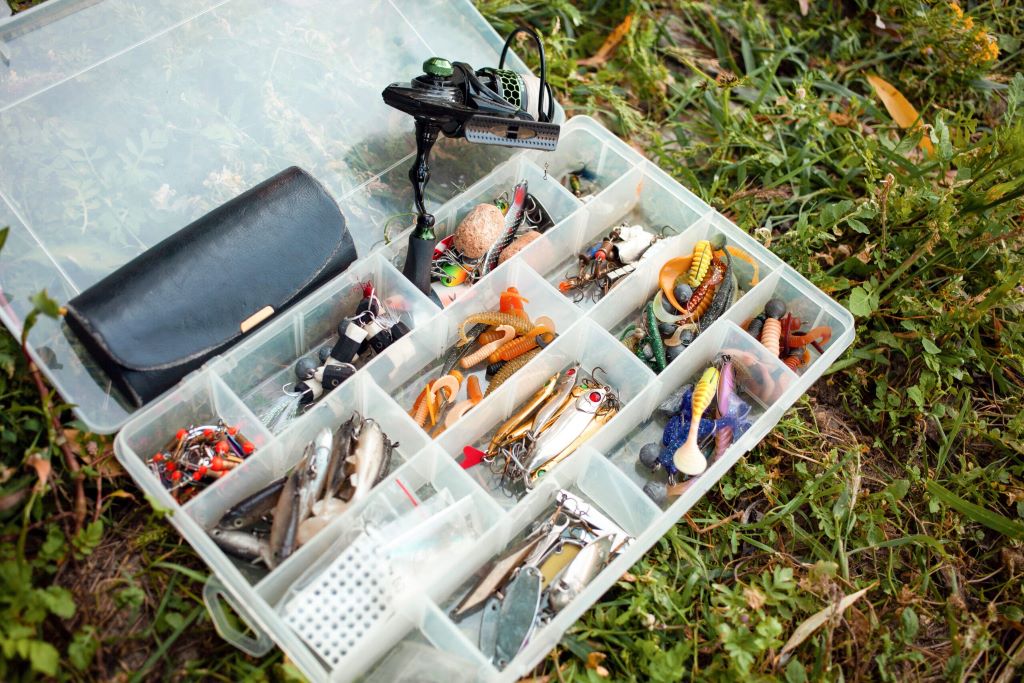
There’s nothing worse than being on the water, reeling in a monster fish, and realizing your tackle box is a chaotic mess. You fumble for the right lure, hooks are tangled, and your line snaps because you can’t find the right weight. A well-organized tackle box saves time, reduces stress, and ensures you’re always prepared for whatever the water throws at you.
I remember a fishing trip where I spent more time digging through my tackle box than actually fishing. My hooks were scattered, my lures were tangled, and I wasted precious minutes trying to find what I needed. That’s when I decided to overhaul my tackle box organization. Once I implemented a system, my fishing trips became smoother, more efficient, and far more enjoyable.
In this guide, I’ll share pro tips to help you organize your tackle box like an expert.
Why Tackle Box Organization Matters
A disorganized tackle box isn’t just an inconvenience—it can cost you fish. According to a survey by Bassmaster, over 60% of anglers reported losing potential catches due to poorly organized gear. When your tackle is scattered, you waste time searching for the right lure or hook, giving the fish a chance to escape. Additionally, a messy tackle box can lead to tangled lines, lost lures, and damaged gear.
A well-organized tackle box, on the other hand, ensures you can quickly access the right tool for the job. This is especially important when fishing in fast-changing conditions or targeting multiple species in a single outing. For more insights on the benefits of a well-structured tackle box, check out this guide on tackle box organization.
However, organizing a tackle box isn’t just about neatness—it’s about efficiency. By grouping similar items together and using the right storage solutions, you can streamline your fishing process and focus on what really matters: catching fish.
Choosing the Right Tackle Box
The first step in organizing your tackle is selecting the right box. Tackle boxes come in various shapes, sizes, and materials, each with its own advantages. Hard plastic tackle boxes are durable and provide excellent protection for your gear. They often come with multiple compartments and trays, making it easy to sort and access your tackle. However, they can be bulky and heavy, which may not be ideal for anglers who hike to remote fishing spots.
Soft-sided tackle bags are another popular option. They’re lightweight, portable, and often come with multiple pockets and compartments. These bags are great for anglers who need to carry a lot of gear or move frequently between fishing spots. However, they may not offer the same level of protection as hard plastic boxes.
Additionally, consider the size of the tackle box. A larger box provides more storage space but can be cumbersome to carry. A smaller box is more portable but may not hold all your gear. Think about the type of fishing you do and the amount of tackle you typically carry when choosing a size.
Finally, look for a tackle box with adjustable or removable dividers. These allow you to customize the compartments to fit your specific needs and gear. According to Field & Stream, a tackle box with adjustable dividers can increase your efficiency on the water by up to 40%.
Sorting and Categorizing Your Tackle
Once you’ve chosen the right tackle box, the next step is to sort and categorize your tackle. Start by emptying everything out and grouping similar items together. For example, gather all your hooks in one pile, lures in another, weights in another, and so on. This will give you a clear picture of what you have and help you identify any gaps or duplicates in your collection.
Next, consider how you fish. If you target multiple species, you may want to organize your tackle by type of fish. For example, group all your bass lures together, your trout lures in another section, and your panfish gear in another. This makes it easy to find the right tackle for the species you’re targeting.
Alternatively, you can organize your tackle by function. For example, group all your topwater lures together, your crankbaits in another section, and your soft plastics in another. This approach is useful if you frequently switch between different types of lures or techniques.
Additionally, consider the frequency of use. Place the tackle you use most often in the most accessible compartments, and store less frequently used items in the harder-to-reach areas. This ensures you can quickly grab what you need without digging through the entire box.
Using Tackle Trays and Dividers
Tackle trays and dividers are essential tools for keeping your gear organized and easily accessible. Most hard plastic tackle boxes come with removable trays that can be customized to fit your needs. These trays typically have multiple small compartments, perfect for sorting hooks, weights, and other small items.
When using tackle trays, consider the size and shape of the compartments. Smaller compartments are great for tiny hooks, split shot weights, and beads, while larger compartments can hold bigger lures, spoons, or crankbaits. Additionally, look for trays with adjustable dividers, which allow you to create custom-sized compartments for your specific tackle.
For soft-sided tackle bags, use small plastic containers or tackle boxes to sort and store your gear. These containers can be placed inside the bag’s pockets, keeping your tackle organized and preventing it from shifting around. Additionally, consider using zippered pouches or mesh bags for smaller items like hooks, swivels, and leaders.
According to Outdoor Life, using tackle trays and dividers can reduce the time you spend searching for gear by up to 50%. This means more time fishing and less time fumbling through your tackle box.
Storing Lures and Terminal Tackle
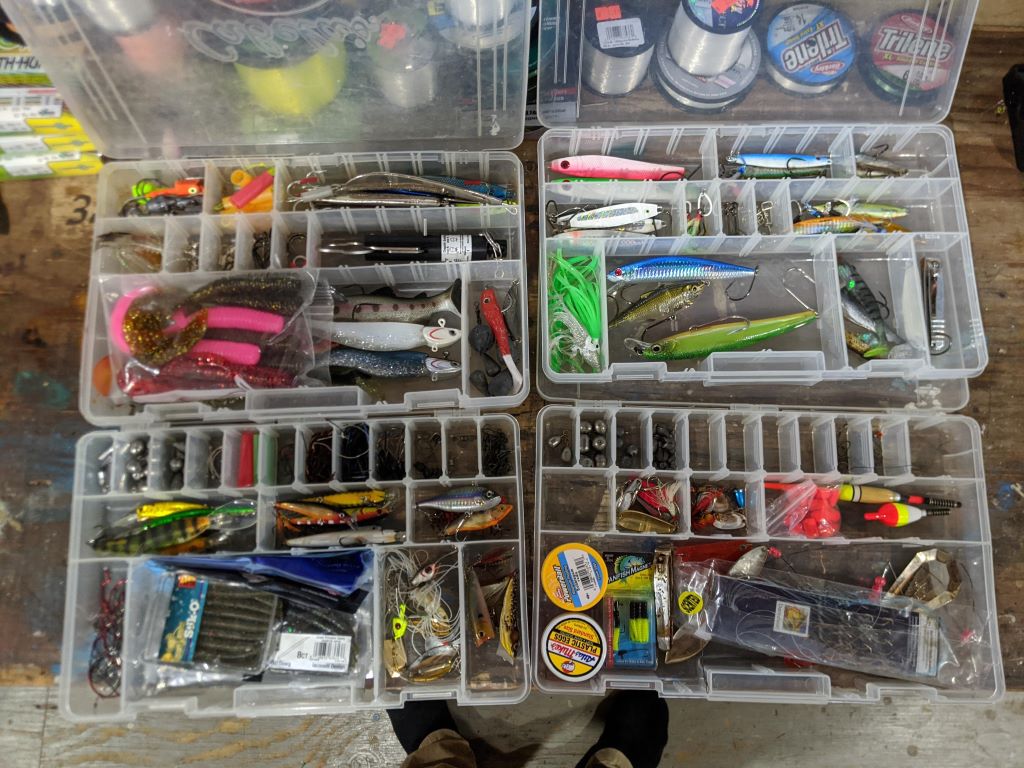
Lures and terminal tackle, such as hooks, weights, and swivels, require special attention when organizing your tackle box. Start by sorting your lures by type, size, and color. For example, group all your spinnerbaits together, your crankbaits in another section, and your soft plastics in another. Within each group, further sort by size and color to make it easy to find the right lure for the conditions.
For terminal tackle, use small compartments or containers to keep hooks, weights, and swivels separate and organized. Consider using labeled containers or dividers to quickly identify the size and type of each item. For example, you might have one compartment for size 1/0 hooks, another for size 2/0 hooks, and so on.
Additionally, consider using a tackle box with built-in lure holders or clips. These allow you to store lures vertically, making it easy to see and access each one without digging through a pile. Some tackle boxes even come with clear lids, so you can see the contents of each compartment at a glance.
Finally, consider using a separate box or bag for your most frequently used lures. This allows you to keep your main tackle box organized while still having quick access to your go-to lures.
Managing Line and Leader Material
Line and leader material can be some of the most challenging items to organize in a tackle box. Tangled lines are a common frustration for anglers, but with the right storage solutions, you can keep your line neat and tangle-free.
Start by using spools or line winders to store your fishing line. These devices keep the line neatly wound and prevent it from tangling with other gear. Many tackle boxes come with built-in spool holders, or you can purchase separate spools that fit inside your box.
For leader material, consider using small, labeled containers or zippered pouches. This keeps the leader material separate from your main line and prevents it from getting tangled. Additionally, consider using a leader wallet, which is a small, flat case designed specifically for storing leader material.
According to Bassmaster, using spools and separate containers for line and leader material can reduce tangles by up to 70%. This means less time untangling knots and more time fishing.
Labeling and Accessibility
Labeling your tackle box compartments and containers is a simple but effective way to stay organized. Use small labels or a permanent marker to identify the contents of each compartment. This makes it easy to find what you need quickly, even in low-light conditions or when you’re in a hurry.
Additionally, consider the accessibility of your tackle. Place the items you use most frequently in the easiest-to-reach compartments, and store less frequently used items in the harder-to-reach areas. For example, if you use a lot of soft plastic lures, place them in the top tray or a front pocket for quick access.
For tackle boxes with multiple trays or layers, consider using a system where each tray is dedicated to a specific type of tackle or species. For example, one tray might hold all your bass lures, another might hold your trout gear, and another might hold your panfish tackle. This makes it easy to grab the right tray for the species you’re targeting.
Finally, consider using color-coding to further organize your tackle. For example, you might use red containers for hooks, blue containers for weights, and green containers for lures. This visual system can help you quickly identify and access the gear you need.
Maintenance and Upkeep
Organizing your tackle box is just the first step. To keep it functioning efficiently, regular maintenance and upkeep are essential. After each fishing trip, take a few minutes to clean and reorganize your tackle box. Remove any trash, such as old line or packaging, and wipe down the compartments to remove dirt and debris.
Additionally, inspect your tackle for any damage or wear. Replace any rusted hooks, frayed lines, or damaged lures to ensure your gear is always in top condition. According to Field & Stream, regularly maintaining your tackle can extend its lifespan by up to 50%.
Finally, consider updating your tackle box organization system as your needs change. If you start targeting new species or using new techniques, you may need to adjust your storage solutions to accommodate your evolving gear collection.
Conclusion
Organizing your fishing tackle box like a pro doesn’t have to be complicated. By choosing the right box, sorting and categorizing your tackle, using trays and dividers, and labeling your compartments, you can create a system that saves time and reduces stress on the water.
I’ve seen firsthand how a well-organized tackle box can transform a fishing trip. No more fumbling for the right lure or untangling knots—just smooth, efficient fishing. With these tips, you can spend less time searching for gear and more time doing what you love: catching fish.
Now it’s your turn. Use this guide to overhaul your tackle box and experience the difference for yourself. If you have your own tips or organization hacks, share them in the comments below. And if you found this guide helpful, don’t forget to share it with your fellow anglers!
FAQs
What is the best tackle box for organization?
The best tackle box for organization depends on your needs. Hard plastic tackle boxes with adjustable dividers are great for durability and customization. Soft-sided tackle bags are ideal for portability and extra storage.
How do I prevent my fishing line from tangling in my tackle box?
Use spools or line winders to store your fishing line neatly. Additionally, keep your line separate from other tackle by using labeled containers or zippered pouches.
How often should I clean and reorganize my tackle box?
Clean and reorganize your tackle box after each fishing trip to remove dirt, debris, and any damaged gear. This ensures your tackle stays in top condition and your box remains organized.
What is the best way to store lures in a tackle box?
Sort your lures by type, size, and color, and use tackle trays or built-in lure holders to keep them organized. Consider using a separate box or bag for your most frequently used lures for quick access.
How do I label my tackle box compartments?
Use small labels or a permanent marker to identify the contents of each compartment. Additionally, consider using a color-coding system to further organize your tackle and make it easier to find what you need.