Nina Taylor
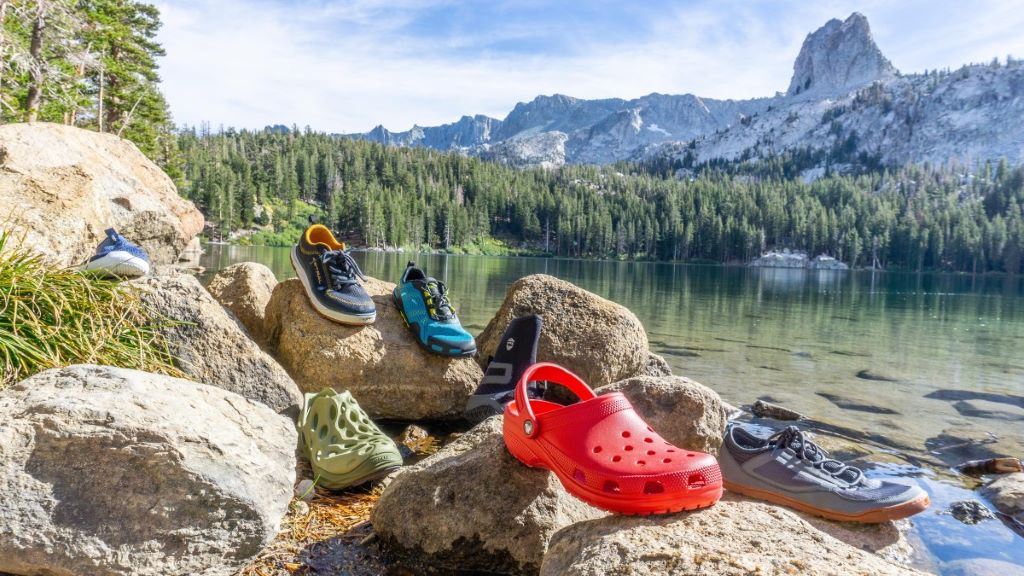
Whether you’re wading through a river to cast the perfect line or exploring rocky shorelines for your next big catch, the right footwear can make or break your adventure. Aqua shoes are designed to provide the grip, protection, and comfort you need in wet and slippery environments. Unlike regular shoes, they drain water quickly, dry fast, and offer the traction necessary to navigate uneven, slippery terrain.
I remember a fishing trip where I wore my old sneakers to wade into a stream. Within minutes, my feet were soaked, the soles were slippery, and I nearly lost my footing on a moss-covered rock. That’s when I realized the importance of investing in proper aqua shoes. Since then, I’ve never hit the water without them.
In this guide, I’ll walk you through everything you need to know to choose the perfect aqua shoes for fishing and beach adventures.
Why Aqua Shoes Are Essential for Fishing and Beach Activities
Aqua shoes are not just a convenience—they’re a necessity for anyone spending time in or around the water. According to a study by Outdoor Gear Lab, over 70% of anglers and beachgoers reported fewer slips and falls after switching to specialized water shoes. These shoes are designed to handle the unique challenges of wet environments, from slippery rocks to sharp shells and uneven sand.
One of the biggest advantages of aqua shoes is their quick-drying capability. Unlike traditional shoes, which can stay soggy for hours, aqua shoes are made from breathable, water-friendly materials that allow water to drain out almost instantly. This keeps your feet dry and comfortable, reducing the risk of blisters and discomfort.
Additionally, aqua shoes provide superior traction on wet surfaces. Their soles are typically made from rubber or other high-grip materials, designed to prevent slips on algae-covered rocks, sandy beaches, or boat decks. For more insights on the benefits of these shoes, check out this guide on aqua shoes for fishing.
However, not all aqua shoes are created equal. Some prioritize comfort, while others focus on durability or protection. Therefore, understanding your specific needs is crucial to selecting the right pair.
Key Features to Look For
When choosing aqua shoes for fishing and beach adventures, the first feature to consider is the material. Look for shoes made from quick-drying, breathable materials like neoprene, mesh, or synthetic fabrics. Neoprene is a popular choice for its flexibility, insulation, and water resistance, making it ideal for colder water conditions. Mesh, on the other hand, is lightweight and allows for maximum airflow, keeping your feet cool in warmer weather.
Next, pay attention to the sole. The sole of your aqua shoes should provide excellent traction on wet and slippery surfaces. Look for shoes with rubber soles that have deep, multi-directional lugs or patterns. These designs channel water away from the sole, improving grip and reducing the risk of slips. According to Field & Stream, shoes with a vibram or similar high-traction sole are particularly effective for rocky or uneven terrain.
Additionally, consider the shoe’s closure system. A secure fit is essential to prevent the shoes from slipping off in the water. Look for models with adjustable straps, bungee laces, or elastic closures that provide a snug, customizable fit. Some aqua shoes even feature a pull tab at the heel for easy on and off.
Finally, think about the shoe’s weight and flexibility. Lightweight shoes are more comfortable for long walks or hikes to your fishing spot, while flexible soles allow for natural movement and better balance on uneven surfaces.
Types of Aqua Shoes for Different Activities
Aqua shoes come in various styles, each designed for specific activities and environments. Understanding the different types can help you choose the best pair for your needs.
- Water Shoes: These are the most versatile type of aqua shoes and are ideal for a wide range of activities, from fishing to beachcombing. They typically feature a mesh upper for breathability and a rubber sole for traction. Water shoes are lightweight and quick-drying, making them perfect for warm-weather adventures.
- Fishing-Specific Shoes: These shoes are designed with anglers in mind and often feature additional protection and support. They may have reinforced toes and soles to protect against sharp rocks, hooks, or other hazards. Some fishing-specific shoes also include built-in drainage systems to ensure water flows out quickly.
- Beach Sandals: If you’re primarily hitting the beach, a pair of aqua sandals might be the perfect choice. These sandals feature open designs for maximum airflow and quick drying, along with sturdy soles for traction on sand and rocks. They’re ideal for casual beach walks, tide pooling, or light fishing.
- Neoprene Booties: For colder water or more rugged terrain, neoprene booties are an excellent option. These shoes provide insulation to keep your feet warm in chilly conditions, along with a thick, protective sole for traction and durability. They’re often used for wading in streams or rivers, where the water temperature can be quite cold.
- Hiking Water Shoes: If your fishing adventures take you on long hikes to remote spots, consider a pair of hiking water shoes. These shoes combine the traction and support of hiking boots with the quick-drying capabilities of aqua shoes. They’re ideal for anglers who need to navigate both land and water.
Material Matters: Choosing the Right Fabric
The material of your aqua shoes plays a significant role in their performance, comfort, and durability. Mesh is one of the most popular materials for aqua shoes due to its lightweight, breathable nature. It allows water to flow in and out freely, keeping your feet cool and dry. However, mesh may not provide as much protection against sharp objects or rough terrain.
Neoprene is another excellent material for aqua shoes, especially for colder water conditions. It offers insulation to keep your feet warm, along with flexibility and water resistance. Neoprene shoes are often used for wading in streams or rivers, where the water temperature can be quite cold. However, they may not be as breathable as mesh shoes, which can lead to sweating in warmer conditions.
Synthetic fabrics, such as polyester or nylon, are also common in aqua shoes. These materials are durable, quick-drying, and resistant to wear and tear. They’re often used in combination with mesh or neoprene to provide a balance of breathability, protection, and durability.
Finally, consider the sole material. Rubber is the most common material for aqua shoe soles due to its excellent traction and durability. Some shoes feature soles made from specialized rubber compounds, such as Vibram, which provide superior grip on wet and slippery surfaces.
Fit and Comfort for All-Day Wear
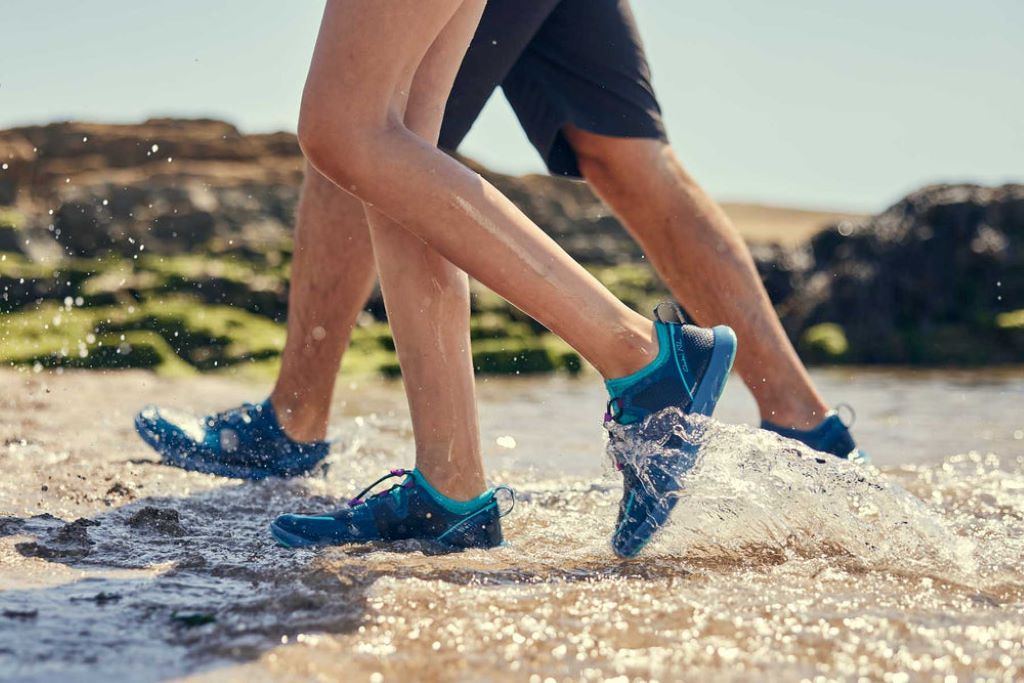
Comfort is key when it comes to aqua shoes, especially if you plan to wear them for extended periods. A well-fitting shoe should feel snug but not tight, with enough room for your toes to move freely. Look for shoes with a cushioned insole for added comfort, especially if you’ll be walking or standing for long periods.
Additionally, consider the shoe’s arch support. If you have high arches or flat feet, look for aqua shoes with built-in arch support to prevent discomfort and fatigue. According to Outdoor Life, proper arch support can reduce foot pain and improve overall comfort during long fishing trips or beach walks.
The closure system also plays a role in fit and comfort. Adjustable straps, bungee laces, or elastic closures allow you to customize the fit for maximum comfort and security. Some aqua shoes even feature a pull tab at the heel for easy on and off, which can be a convenient feature when you’re in a hurry to hit the water.
Finally, consider the shoe’s weight. Lightweight shoes are more comfortable for long walks or hikes to your fishing spot, while heavier shoes may provide more protection and support. Strike a balance between weight and durability based on your specific needs.
Traction and Protection for Rough Terrain
Traction is one of the most important features of aqua shoes, especially for fishing and beach adventures. The sole of your shoes should provide excellent grip on wet, slippery surfaces like rocks, algae-covered streams, or sandy beaches. Look for shoes with rubber soles that have deep, multi-directional lugs or patterns. These designs channel water away from the sole, improving grip and reducing the risk of slips.
Additionally, consider the shoe’s protection features. If you’ll be fishing in rocky or rugged terrain, look for shoes with reinforced toes and soles to protect against sharp rocks, shells, or other hazards. Some aqua shoes even feature a protective toe cap for added durability and safety.
For beach adventures, consider shoes with a closed-toe design to protect your feet from hot sand, sharp shells, or other debris. Open-toe designs, while more breathable, may not provide as much protection against these elements.
Finally, think about the shoe’s drainage system. A good pair of aqua shoes should allow water to flow in and out freely, keeping your feet dry and comfortable. Look for shoes with drainage holes or mesh panels that facilitate quick drying.
Drainage and Quick-Drying Capabilities
One of the defining features of aqua shoes is their ability to drain water quickly and dry fast. This is achieved through a combination of materials and design elements that allow water to flow in and out of the shoe freely.
Mesh uppers are particularly effective for drainage, as they allow water to enter and exit the shoe easily. Additionally, some aqua shoes feature drainage holes in the sole or sides, which further enhance water flow and quick drying.
Neoprene shoes, while not as breathable as mesh, still offer excellent drainage capabilities. The material itself is water-resistant, but it also allows water to flow in and out of the shoe, keeping your feet dry and comfortable.
According to Gear Patrol, shoes with a combination of mesh uppers and drainage holes can dry up to 50% faster than traditional shoes. This means less time with soggy feet and more time enjoying your fishing or beach adventure.
Finally, consider the shoe’s lining. Some aqua shoes feature a quick-drying lining that wicks moisture away from your feet, further enhancing comfort and reducing the risk of blisters.
Conclusion
Choosing the right aqua shoes for fishing and beach adventures doesn’t have to be complicated. By considering factors like material, fit, traction, and drainage, you can find a pair that meets your specific needs and enhances your outdoor experience.
I’ve tested countless aqua shoes over the years, and the right pair has made a world of difference in my comfort and safety on the water. Whether I’m wading through a stream or exploring a rocky shoreline, my aqua shoes give me the confidence and traction I need.
Now it’s your turn. Use this guide to find the perfect aqua shoes for your next adventure. If you have your own tips or favorite models, share them in the comments below. And if you found this guide helpful, don’t forget to share it with your fellow outdoor enthusiasts!
FAQs
What are the best aqua shoes for fishing?
The best aqua shoes for fishing depend on your specific needs. For warm-weather fishing, look for lightweight mesh shoes with a rubber sole for traction. For colder water or rugged terrain, neoprene booties with a thick, protective sole are an excellent choice.
How do I choose the right size aqua shoes?
Aqua shoes should fit snugly but not tightly, with enough room for your toes to move freely. Consider sizing up if you plan to wear thick socks or if your feet tend to swell during long activities.
Can I use aqua shoes for hiking?
Yes, but look for hiking water shoes that combine the traction and support of hiking boots with the quick-drying capabilities of aqua shoes. These shoes are ideal for anglers who need to navigate both land and water.
How do I clean and maintain my aqua shoes?
Rinse your aqua shoes with fresh water after each use to remove salt, sand, and debris. Allow them to air dry completely before storing them in a cool, dry place. Avoid using harsh detergents or machine washing, as this can damage the materials.
Are aqua shoes good for rocky terrain?
Yes, but look for shoes with a thick, protective sole and reinforced toes to protect against sharp rocks and other hazards. Additionally, choose shoes with a high-traction rubber sole for better grip on uneven surfaces.