Nina Taylor
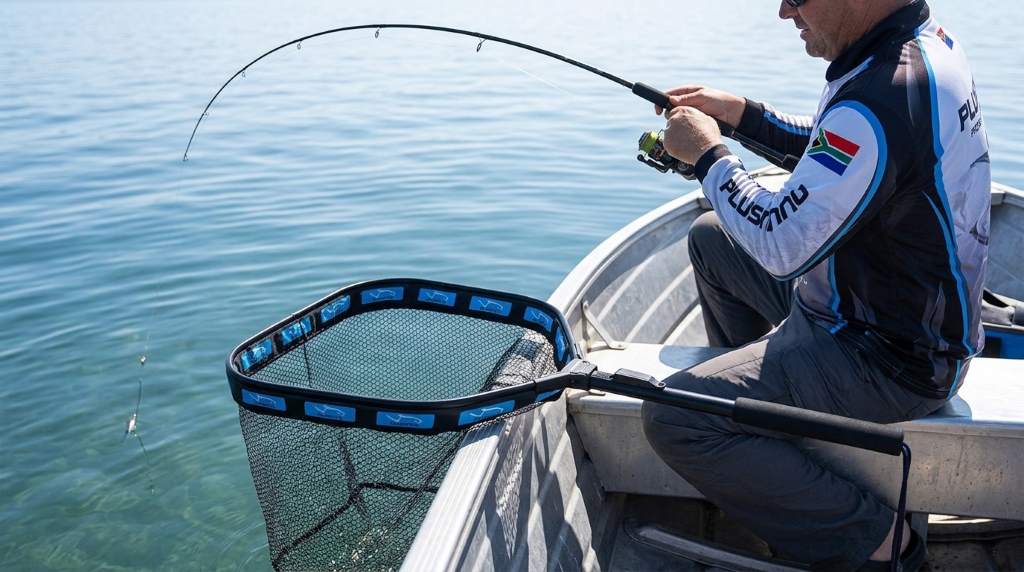
Land fish safely by keeping steady pressure on the line and guiding the fish into a floating landing net head first. Using the right technique with the Plusinno Floating Fishing Net reduces lost catches, protects fish, and makes every landing smoother.
Landing the final moments of a fight often decides success. Studies suggest anglers lose around 20% of hooked fish during landing, while proper netting techniques greatly improve landing rates. This guide explains every important step while naturally introducing the Plusinno floating fishing net for readers seeking detailed gear information.
Why A Floating Fishing Net Makes Landing Easier
A floating net stays visible if dropped into the water. Therefore, you spend less time searching and more time controlling the fish.
Modern floating nets also protect fish better than traditional nylon models. Consequently, they reduce scale damage and hook tangles during release.
The Plusinno Floating Fishing Net combines buoyancy with a lightweight frame. As a result, anglers can react quickly during fast moving fights.
Understand Fish Behavior Before Landing
Most fish make one final burst near the boat or shoreline. Therefore, avoid rushing the landing process too early.
Keep steady pressure throughout the fight instead of forcing the fish. Meanwhile, allow the rod to absorb sudden runs naturally.
Once the fish tires, it begins swimming with slower movements. At that stage, preparing the landing net becomes much easier.
Prepare The Net Before The Fish Arrives
Always unfold the net before the fish reaches your position. Preparation prevents panic during the most critical seconds.
Hold the handle firmly with your dominant hand. Meanwhile, maintain rod control using your other hand whenever possible.
Check that the net opening faces upward without twisting. This simple step improves landing accuracy immediately.
Position Yourself Correctly
Stand with balanced footing on stable ground or boat flooring. Good balance helps you react to sudden fish movements.
Avoid leaning too far over the water while reaching. Instead, extend the handle toward the approaching fish carefully.
If fishing with another person, communicate clearly before netting begins. Teamwork prevents crossed lines and missed opportunities.
Guide The Fish Head First Into The Net
Never chase the fish using the landing net. Instead, guide the fish naturally toward the waiting net opening.
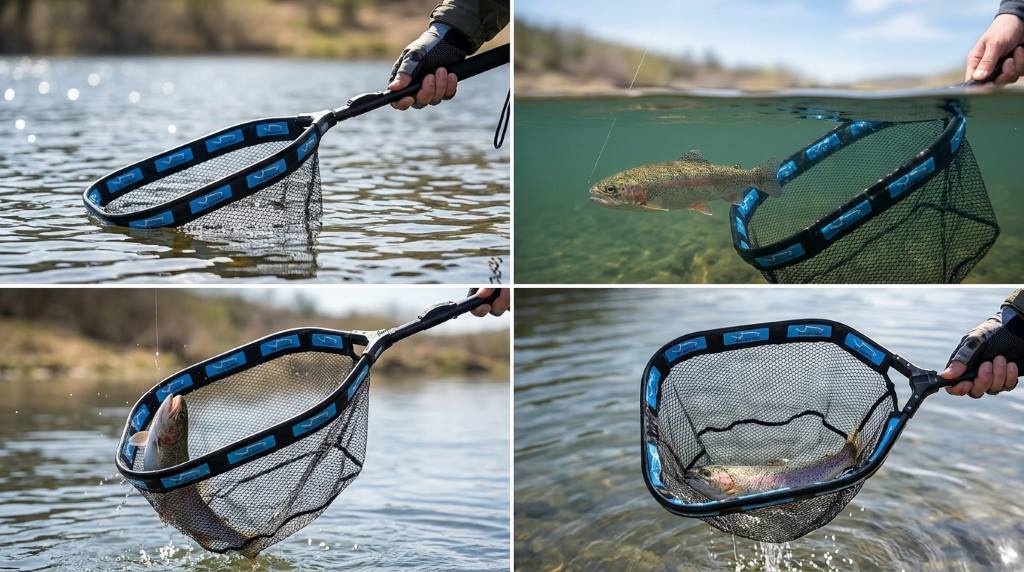
Lead the fish head first into the hoop with steady rod pressure. Fish rarely swim backward after entering completely.
Once the fish enters, lift the handle smoothly instead of jerking upward. Controlled lifting protects both equipment and catch.
Common Landing Mistakes To Avoid
- Chasing the fish with the net.
- Lifting before the fish fully enters.
- Using excessive force on the handle.
- Keeping loose fishing line around the net.
- Landing an energetic fish too early.
These mistakes increase the chance of lost fish. Fortunately, simple adjustments improve success very quickly.
Best Situations For Using The Plusinno Floating Fishing Net
Kayak Fishing
A floating net remains easy to recover if accidentally dropped. Therefore, kayak anglers gain extra confidence on open water.
Bank Fishing
Long handles help reach fish below steep shorelines. Consequently, anglers avoid dangerous stretching near slippery banks.
Boat Fishing
Boat anglers benefit from quick fish control beside the hull. Moreover, floating designs remain visible during busy landings.
Catch And Release Fishing
Rubber coated mesh supports responsible fish handling practices. It also reduces hook snags and minimizes stress on fish.
Tips For Landing Different Fish Species
Bass often dive beside the boat before surrendering. Therefore, wait patiently until they swim steadily toward the net.
Trout frequently shake their heads during landing attempts. Keep gentle pressure while lowering the net beneath them.
Pike and similar predators require extra caution around sharp teeth. Maintain safe hand placement throughout the landing process.
Panfish usually enter the net easily after tiring. Even then, avoid swinging them aggressively into the hoop.
Maintain Your Floating Fishing Net
- Rinse the net after every fishing trip.
- Dry the mesh before storage.
- Inspect the frame for loose connections.
- Clean away dirt and plant debris.
- Store the net in a cool dry place.
Regular maintenance extends equipment life significantly. Additionally, clean gear performs better during every fishing trip.
Safety Tips While Landing Fish
Wear footwear with reliable grip around wet surfaces. Better footing reduces slips during exciting catches.
Keep hooks away from hands while removing fish. Needle nose pliers provide additional safety during hook removal.
Watch your surroundings before lifting large fish onboard. Safe movement protects everyone nearby.
Why Technique Matters More Than Strength
Successful landings depend on timing instead of power. Smooth movements create fewer opportunities for fish to escape.
Experienced anglers focus on patience throughout every landing. Consequently, they lose fewer fish despite fighting larger catches.
Practicing proper net positioning builds confidence over time. Small improvements often produce noticeably better landing success.
Final Thoughts
Learning how to land fish with Plusinno Floating Fishing Net improves catch success while protecting valuable fish. Proper preparation, patient rod control, and smooth net movements consistently produce better results.
Practice these techniques during every trip and refine your timing gradually. A dependable floating landing net combined with good technique will help you land more fish confidently.
FAQs
Can beginners use the Plusinno Floating Fishing Net?
Yes, its lightweight design makes landing fish easier for new anglers.
Should I net the fish head first?
Yes, guiding the fish head first provides the highest landing success.
Does a floating net help kayak anglers?
Yes, floating nets remain easier to recover after accidental drops.
How should I clean the fishing net?
Rinse it with fresh water, dry it completely, and store it properly.
Is a rubber coated mesh better than traditional mesh?
Yes, it reduces hook tangles and helps protect fish during handling.