Nina Taylor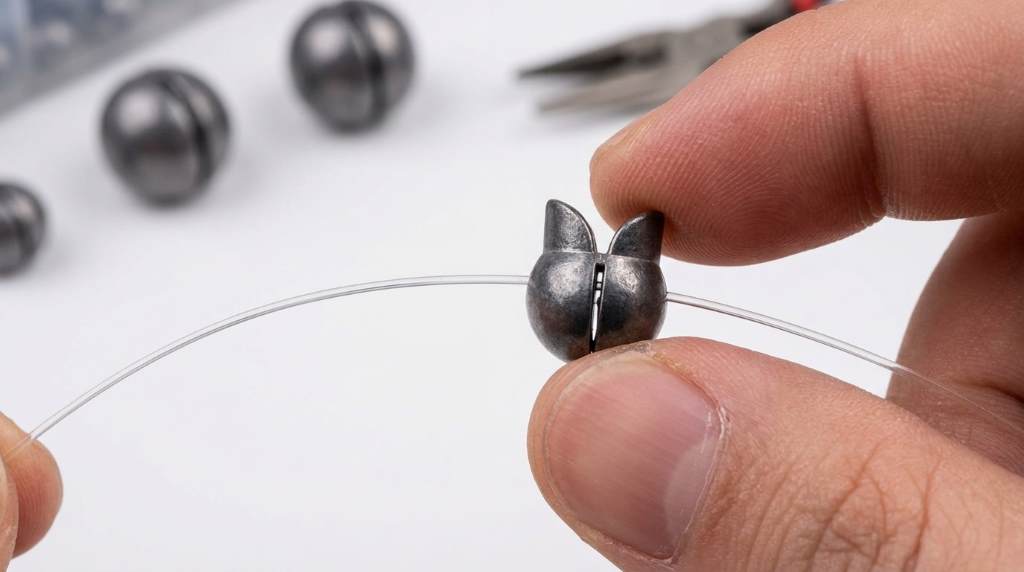
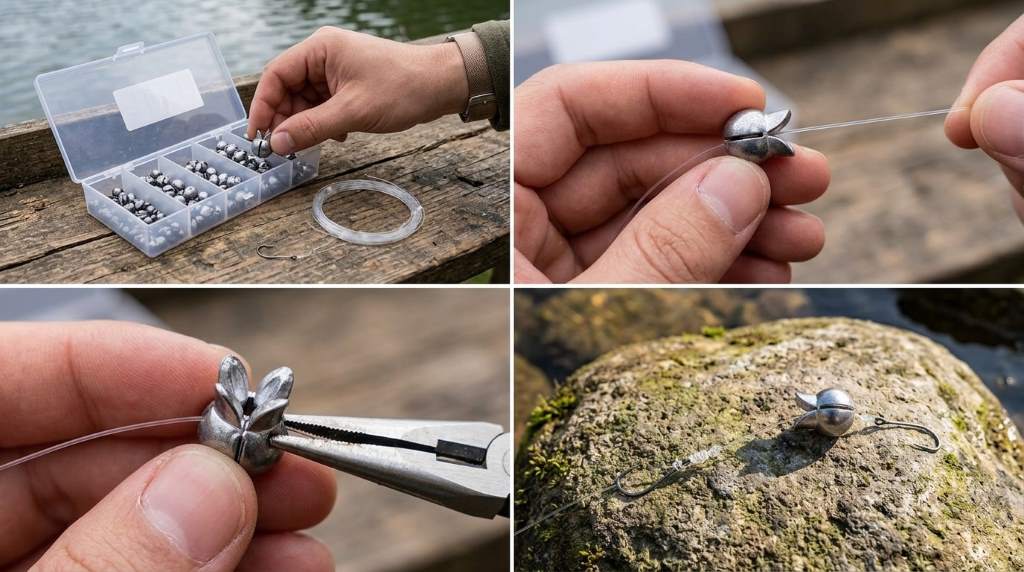
To rig Sanweal round fishing sinkers, place the line into the sinker slot and secure it firmly. Then position the weight above the hook at the distance your fishing method requires. Common SANWEAL round sinkers use a removable split shot design, which allows quick weight adjustments. Current listings describe round lead sinkers in five or six size assortments.
Fishing remains extremely popular, with 57.9 million Americans fishing during 2024. That figure represented 19 percent of Americans aged six and older. For beginners, learning proper sinker placement can improve casting, depth control, and bait presentation.
What Makes Sanweal Round Fishing Sinkers Useful?
Sanweal round fishing sinkers commonly feature a split shot design for quick attachment. Their round shape provides compact weight without creating a large profile on the fishing line. Current product listings identify lead as the primary material for several SANWEAL sinker sets.
Unlike fixed weights, removable split shots let anglers adjust weight without cutting their fishing line. Therefore, you can respond quickly when water depth or current conditions change. West Marine also describes split shot as a practical option for frequent depth adjustments.
Before rigging, inspect your particular sinker design carefully. Some SANWEAL listings describe different sizes and opening styles, so attachment methods can vary.
What You Need Before Rigging
Prepare your rod, reel, fishing line, hook, bait, and Sanweal sinkers. You should also keep small pliers nearby for safe handling and adjustments. A hook remover can also help when you need to change the rig quickly.
- Fishing rod and reel
- Suitable monofilament, fluorocarbon, or braided line
- Appropriate fishing hook
- Sanweal round sinkers
- Small fishing pliers
- Bait or lure suited to your target species
- Optional swivel for specific rig designs
Match your line and hook to the target fish before adding weight. Also, check local fishing regulations before using particular tackle or weights.
How to Rig Sanweal Round Fishing Sinkers
Step 1: Thread Your Fishing Line
Start with the fishing line already passed through your rod guides. Hold the free section firmly so you can control the sinker placement. Then identify the sinker’s opening, slot, or removable attachment point.
For split shot models, place the line directly into the sinker’s slot. Keep the line centered inside the opening before applying pressure. This position helps the weight grip the line evenly without unnecessary movement.
Step 2: Position the Sinker Above the Hook
Place the sinker above the hook based on your target depth and fishing technique. A short distance keeps the bait close to the bottom. A longer distance can give bait more movement through the water.
For basic bottom fishing, start with the sinker several inches above the hook. Then adjust the distance after watching how your bait behaves. Current speed, water depth, vegetation, and target species should guide your final position.
Step 3: Secure the Round Sinker
Press the sinker closed around the line using controlled pressure. Avoid crushing the line because excessive pressure can weaken monofilament and fluorocarbon. Removable designs should grip firmly without damaging the line.
Use pliers when the sinker requires more pressure than your fingers can safely provide. Never use your teeth to close or remove a lead fishing sinker. The EPA specifically advises anglers not to put lead fishing tackle in their mouths.
Step 4: Test the Connection
Pull the line gently after securing the sinker. The weight should remain where you placed it during normal handling. If it moves too easily, reposition it and secure it again.
Next, inspect the line around the sinker for visible cuts or crushed sections. Replace damaged line before casting. This simple check can prevent avoidable tackle failures.
How to Position Sinkers for Different Fishing Methods
Bottom Fishing
Place the sinker above the hook when you need your bait near the bottom. Use enough weight to reach the bottom without making your setup unnecessarily heavy. Start light and increase weight when current prevents proper contact.
Keep the bait slightly above the bottom when possible. This position can reduce contact with rocks, weeds, and bottom debris. Adjust the sinker position whenever your bait repeatedly catches the bottom.
Float Fishing
Use small round sinkers when you need to balance a float accurately. Add weight gradually until the float sits at your intended position. Several small weights can provide better control than one heavy weight.
Place additional weight closer to the hook when you need faster bait descent. However, keep the setup balanced so the bait still moves naturally. Test the float beside the bank before making a long cast.
Drift Fishing
Drift fishing requires careful weight control because water movement affects bait speed. Start with minimal weight and observe how your rig travels. Add another small sinker when the bait moves too quickly.
Spread multiple small weights when you need a smoother presentation. Concentrating all weight near the hook can create unnatural movement. Therefore, test several positions before settling on one arrangement.
Bank and Shore Fishing
Shore anglers often need enough weight for distance and bottom contact. Start with a moderate sinker and increase weight only when necessary. Your rod rating should always support the total casting weight.
Watch how the rig lands after each cast. A setup that lands smoothly usually creates fewer tangles and less line stress. Reduce weight if your rod struggles during casting.
How Much Weight Should You Use?
The correct sinker weight depends on water depth, current, bait size, and fishing technique. Wind and casting distance can also affect the weight you need. There is no single sinker size that works for every situation.
Use the lightest weight that keeps your bait where you want it. Lighter weights usually create a more natural bait presentation. Heavier weights provide better control when current or wind becomes strong.
- Calm shallow water: Start with a very light sinker.
- Moderate current: Increase weight gradually until your bait holds position.
- Deep water: Use enough weight to reach your target depth efficiently.
- Strong current: Add weight only until you maintain reliable bottom contact.
- Light tackle: Stay within the rod and line manufacturer’s recommended limits.
Current SANWEAL listings show assorted sizes, which makes gradual weight changes practical. One listing describes five sizes, while another describes six sizes.
How to Avoid Line Damage
Line damage often happens when anglers squeeze sinkers too aggressively. Therefore, use only enough pressure to hold the weight securely. Check the line after every major adjustment.
Monofilament and fluorocarbon can show crushing or sharp indentation after excessive pressure. Replace damaged sections instead of trusting a weakened line. A fresh leader costs less than losing a valuable fish and terminal tackle.
Also, avoid repeatedly moving a tightly closed sinker along the same line section. Open removable models carefully before repositioning them. This practice helps preserve the line during repeated depth changes.
Common Sanweal Sinker Rigging Mistakes
Using Too Much Weight
Many beginners add excessive weight because they want the bait to reach bottom quickly. However, extra weight can reduce bait movement and increase casting strain. Start lighter, then increase weight only when conditions demand it.
Placing the Sinker Too Close
Placing the weight directly beside the hook can restrict natural bait movement. Instead, create enough separation for your bait to move naturally. Adjust that distance according to the target species and fishing method.
Ignoring Line Damage
A sinker can create problems when it pinches or damages the fishing line. Always inspect the line after changing weight. If you see flattening, cuts, or severe marks, replace that section.
Using the Wrong Sinker Type
Removable split shot and sliding sinkers serve different purposes. Split shot grips the line, while sliding sinkers move freely along the line. West Marine notes that sliding sinkers suit rigs where fish should feel less resistance.
Therefore, confirm your SANWEAL model before building the rig. Do not assume every round fishing weight works as a free sliding sinker. Product listings can describe different SANWEAL shapes, sizes, and opening designs.
How to Build a Simple Bottom Fishing Setup
Start by threading your main line through the appropriate sinker position. Then tie your hook or swivel according to your preferred bottom fishing design. Finally, attach the bait and check every connection before casting.
- Thread the main line through the rod guides.
- Position the Sanweal sinker above the hook.
- Secure the sinker without crushing the line.
- Tie the hook using a reliable fishing knot.
- Add bait that suits your target species.
- Pull the rig gently to test every connection.
- Cast smoothly and check bottom contact.
This simple setup works well when you need direct control over bait depth. You can then move the sinker higher or lower as conditions change.
When to Use Multiple Small Sinkers
Multiple small sinkers can provide finer control than one large weight. They also let you adjust the total weight gradually during a fishing session. This approach works particularly well when water conditions change frequently.
Spread the weights when you want a gradual bait descent. Keep them closer together when you need faster depth control. Always test the arrangement before making a long cast.
Lead Sinker Safety and Environmental Care
Several SANWEAL listings identify lead as the sinker material. Lead requires careful handling because accidental ingestion can create serious health concerns.
Never bite, chew, or hold lead sinkers in your mouth. Wash your hands after handling lead tackle and before eating or drinking. The EPA recommends these precautions for people who handle lead fishing tackle.
Also, retrieve dropped sinkers whenever conditions allow. Lost lead tackle can pose risks to wildlife that accidentally ingest small weights. The EPA recommends recovering dropped fishing tackle and considering nonlead alternatives.
Finally, check local rules before using lead tackle in a particular waterway. Some locations restrict lead fishing equipment for wildlife protection. Follow current regulations for the water you plan to fish.
How to Improve Your Sinker Setup
Keep several sinker sizes available so you can respond to changing conditions. Start with the smallest practical weight during calm conditions. Increase weight only when your bait fails to reach or maintain the desired depth.
Record which sinker size works at your favorite fishing spots. Note water depth, current strength, bait type, and weather conditions. Over time, these notes can help you rig faster and make better adjustments.
Practice rigging at home before heading to the water. This habit lets you learn the sinker’s attachment method without rushing. It also helps you identify damaged line, weak knots, or unsuitable tackle beforehand.
Quick Sanweal Sinker Rigging Checklist
- Check the sinker opening before attaching it.
- Use suitable fishing line for your target species.
- Place the weight at the correct distance from the hook.
- Secure the sinker with controlled pressure.
- Inspect the line after every adjustment.
- Test the rig before casting.
- Use only enough weight for current conditions.
- Handle lead sinkers safely and keep them away from your mouth.
- Retrieve lost tackle whenever safely possible.
- Check current local fishing regulations.
Conclusion
Learning how to rig Sanweal round fishing sinkers becomes simple once you understand their attachment style. Start with correct placement, moderate weight, and careful line handling. Then adjust the sinker according to depth, current, bait movement, and target species.
Before your next fishing trip, practice the setup and test several weight positions. Use the lightest effective option and inspect your line after every adjustment. Follow these steps, and you can build cleaner, more adaptable fishing rigs with confidence.
Frequently Asked Questions
How do you attach Sanweal round fishing sinkers?
Place the fishing line into the sinker’s slot and secure it with controlled pressure.
Can Sanweal round sinkers move on fishing line?
Most removable split shot models grip the line rather than sliding freely along it.
How far should a sinker sit from the hook?
Start several inches above the hook and adjust the distance for bait movement and fishing conditions.
Can you reuse removable Sanweal sinkers?
Yes, removable designs can usually be repositioned when you handle them carefully.
Are Sanweal round sinkers made from lead?
Several current SANWEAL listings identify lead as the material used for their round sinkers.