Nina Taylor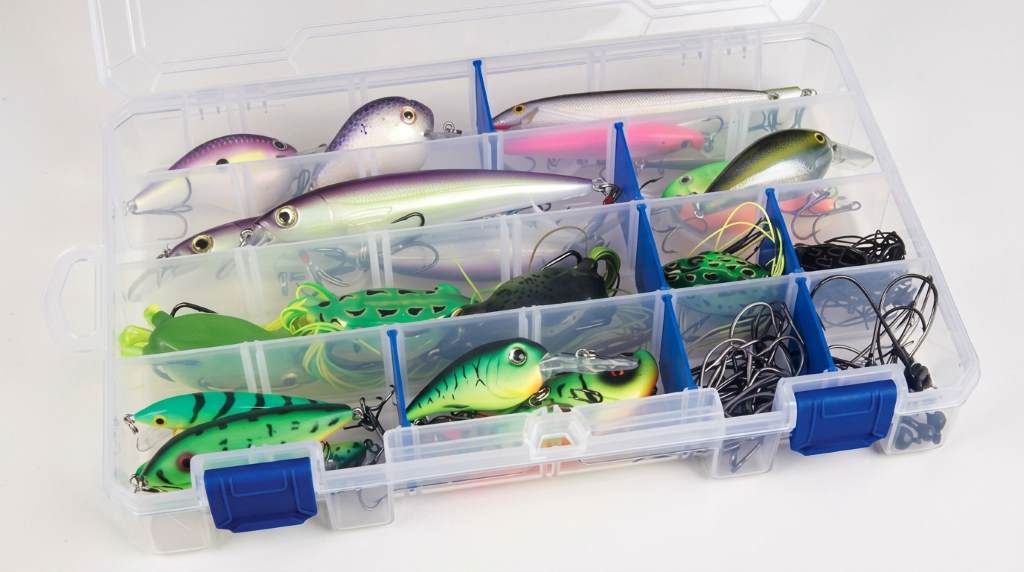
Organizing a Flambeau Tuff Tainer Box starts with sorting tackle by type, size, and fishing purpose. Then, use the adjustable dividers to create snug compartments that keep each item easy to find. A Flambeau tuff tainer tackle box can simplify this process with flexible storage and Zerust protection. For example, the Tuff Tainer 5007 provides 36 compartments with 18 Zerust dividers. That setup gives anglers plenty of room for organized terminal tackle.
Why Proper Tuff Tainer Organization Matters
A disorganized tackle box wastes time when you need a lure, hook, or weight quickly. Instead, a planned layout lets you identify essential gear without emptying the entire box. Good organization also prevents small tackle pieces from mixing together. Therefore, you spend more time fishing and less time searching through plastic compartments.
Proper storage can also reduce damage caused by contact between different tackle types. Hooks can scratch lures, while loose weights can damage smaller accessories. Meanwhile, damp tackle can create conditions that encourage corrosion. A logical storage system helps you separate items and inspect them regularly.
Understand Your Flambeau Tuff Tainer Box
Before organizing anything, check the model number printed on your Tuff Tainer. Flambeau offers several sizes with different compartment layouts and divider configurations. For instance, the 4007 measures 11 by 7.25 by 1.75 inches and has 24 compartments. The 5007 measures 14.25 by 9.125 by 2 inches and provides 36 compartments.
Those differences affect how much tackle you can store in one box. Therefore, avoid copying another angler’s layout without considering your own gear. A compact box works well for essential terminal tackle. A larger model can support several lure styles and fishing techniques.
Check the Divider System
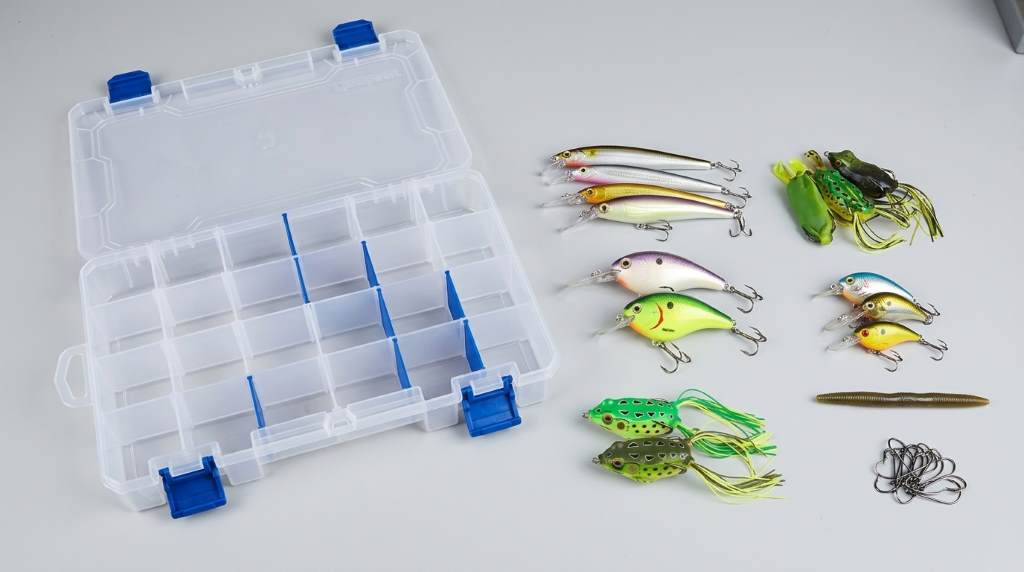
Many Tuff Tainer models use removable Zerust dividers to create custom compartments. These dividers let you adjust storage areas according to tackle size. Flambeau infuses Zerust protection into specific divider materials for corrosion protection. The technology works inside the enclosed space around exposed, clean metal surfaces.
Because of that design, keep metal tackle clean before storing it. Remove dirt, moisture, and residue after fishing whenever possible. Also, avoid treating the Zerust feature as a substitute for proper tackle maintenance. Clean storage habits still play an important role.
Step 1: Empty and Inspect Everything
Start by removing every item from the Tuff Tainer. Place the tackle on a clean, dry surface where you can see everything clearly. Next, group similar items together before placing anything back inside. This simple step reveals duplicate items and tackle you rarely use.
Inspect hooks, swivels, snaps, weights, and other metal components for rust. Check soft plastics for damage, melting, or unwanted residue. Also, examine lures for broken hooks and damaged split rings. Remove damaged pieces before rebuilding your storage system.
Create Four Basic Groups
Use four broad groups during your first sorting pass. These groups make the later compartment arrangement much easier.
- Hooks and terminal tackle
- Weights and sinkers
- Swivels, snaps, and connectors
- Small fishing accessories and spare components
Afterward, divide each group into smaller categories based on size or fishing technique. For example, separate hooks by size and style. Similarly, separate weights by shape and weight range. This approach creates a storage system that matches how you actually fish.
Step 2: Match Compartments to Tackle Size
Do not give every item the same compartment size. Instead, use small spaces for tiny components and larger spaces for bulky pieces. Small hooks need limited movement because loose pieces quickly become difficult to identify. Larger swivels and sinkers need deeper compartments that prevent overflow.
Start with the smallest tackle and build outward from there. Place several pieces together only when they share the same size and purpose. However, avoid mixing similar items that look different at first glance. Clear separation makes identification much faster on the water.
Use a Simple Size Rule
Keep one compartment for one size range whenever possible. For example, store small hooks separately from medium and large hooks. Apply the same approach to weights, snaps, and swivels. This method reduces confusion when you need a specific component quickly.
Leave a little empty space inside each compartment as well. Overfilled compartments make small tackle harder to remove. They can also cause pieces to spill into neighboring sections. Therefore, organized storage should provide access rather than simply maximize capacity.
Step 3: Install the Dividers Strategically
Now place the dividers according to the groups you created. Begin with larger sections before adding smaller partitions. This strategy helps you avoid creating tiny spaces that cannot hold useful amounts of tackle. It also lets you adjust the layout as your fishing needs change.
For example, create one larger area for heavier terminal tackle. Then divide another section into smaller spaces for hooks and swivels. Keep frequently used pieces near the front or center of your storage layout. Place backup items in less accessible sections.
Build Compartments Around Your Gear
Instead of forcing tackle into fixed categories, let the actual gear determine the layout. A large spinnerbait component needs more room than a small snap. Likewise, bulky weights require more depth than thin hooks.
Therefore, test each divider position before filling the box completely. Close the lid after adding a few pieces. If tackle presses against the lid, enlarge that compartment immediately. This quick test prevents problems later.
Step 4: Organize by Fishing Technique
Technique based organization can make your Tuff Tainer much faster to use. Bass anglers, for example, may organize terminal tackle around common rigging methods. Other anglers may prefer separate boxes for freshwater, saltwater, or seasonal setups.
Choose the system that matches your normal fishing routine. If you use several techniques during one trip, create dedicated sections for each method. That arrangement keeps related components together and reduces unnecessary searching.
Example Bass Fishing Layout
A practical bass layout can separate hooks, weights, snaps, and swivels. You can then divide hooks by size and weights by weight range. Keep frequently used combinations together when they support the same rig.
- Small hooks for finesse presentations
- Larger hooks for heavier soft plastics
- Light weights for finesse rigs
- Heavy weights for deeper presentations
- Swivels and snaps for connection tasks
This arrangement gives each major terminal tackle group a predictable location. As a result, you can restock the box without rebuilding the entire system.
Step 5: Label the Compartments
Labels can make a well organized box even easier to use. Add short labels that identify the tackle type, size, or weight range. Avoid long descriptions because small labels should remain readable at a glance.
For example, use labels such as “Hooks 2,” “Hooks 1,” or “Weights 3/16.” You can also label sections by function instead of size. This approach works especially well when you organize tackle for specific fishing techniques.
However, update labels whenever you change the compartment layout. An incorrect label creates more confusion than no label at all. Therefore, review your labels whenever you move dividers.
Step 6: Protect Metal Tackle From Corrosion
Corrosion prevention matters because many tackle components contain exposed metal. Flambeau uses Zerust technology in specific Tuff Tainer dividers to help protect clean metal surfaces. The company explains that the infused material releases an odorless vapor inside the enclosed space. That vapor forms a protective layer around exposed metal and helps prevent oxidation.
Still, you should dry wet tackle before putting it back into storage. Wipe hooks, swivels, and weights after fishing in wet conditions. Also, check the box regularly for moisture or damaged tackle.
Keep the Zerust Feature Effective
Do not remove Zerust dividers unless you need to change the layout. Keep the box closed when you are not accessing the tackle. Flambeau states that its pre infused Zerust components contain enough protection for their intended enclosed volume.
Also, store the box away from unnecessary heat and prolonged direct sunlight. Regular inspection remains useful even when your box includes corrosion protection. Zerust supports good storage practices rather than replacing them.
Step 7: Create a Fast Access Section
Every tackle box should have a section for items you use most often. Place those items where you can reach them without disturbing other compartments. This simple change can make your entire fishing setup more efficient.
Consider storing commonly used hooks, swivels, snaps, or weights in this area. Keep specialty items farther away when you use them less frequently. As your fishing habits change, adjust this priority section.
Step 8: Avoid Common Organization Mistakes
Many anglers create unnecessary clutter by storing too many pieces in each compartment. Others mix different sizes because the items look similar. Both habits make the box harder to use during active fishing.
Avoid these common mistakes when organizing your Tuff Tainer:
- Overfilling compartments with duplicate tackle
- Mixing different hook sizes together
- Storing wet tackle inside the box
- Creating compartments that are too small
- Ignoring damaged or rusty components
- Changing layouts without updating labels
Instead, maintain enough empty space for easy access. Keep each category consistent and review the layout after several fishing trips. This routine prevents small organization problems from becoming major clutter.
Step 9: Organize Different Tuff Tainer Models
Different Tuff Tainer models require slightly different organization strategies. The 3009 Extended provides 13 compartments and includes nine Zerust dividers. The 6004R offers 32 compartments with 16 Zerust dividers.
Therefore, use larger compartment layouts for broader tackle categories. Use smaller boxes when you want a focused selection for one technique. This keeps each box useful instead of turning every container into a mixed tackle collection.
Using the 5007 Efficiently
The 5007 provides 36 compartments and includes 18 Zerust dividers. Its larger footprint makes it suitable for extensive terminal tackle organization.
Start with broad categories across the box. Then create smaller sections for size based items within those categories. Keep your most frequently used components near the front edge.
Step 10: Build a Restocking Routine
Organization works best when you maintain it after every fishing trip. First, remove used tackle and inspect each piece. Next, dry wet items before returning them to the box. Finally, replace missing pieces and restore each item to its assigned compartment.
This routine takes only a few minutes when you follow the same sequence. It also prevents the box from becoming disorganized over several trips. Most importantly, you will know what needs replacement before your next outing.
How to Keep Your Tuff Tainer Organized Long Term
Give every item a permanent storage location whenever possible. When you remove something, return it to the same compartment after use. This simple habit creates consistency and reduces decision making.
Review the box at the end of each season as well. Remove tackle you no longer use and adjust compartments for current techniques. Also, inspect the dividers and box condition before long storage periods.
If your fishing style changes, rebuild the layout instead of forcing old categories to remain. A useful tackle box should reflect your current needs. Therefore, organization should evolve with your fishing habits.
Quick Tuff Tainer Organization Checklist
Use this checklist whenever you organize or reset your tackle box. Complete each step before moving to the next one.
- Empty the entire box.
- Clean and dry the tackle.
- Remove damaged or rusty pieces.
- Group tackle by type.
- Separate pieces by size.
- Plan the compartment layout.
- Install the dividers.
- Test the lid closure.
- Label important sections.
- Return tackle to assigned compartments.
- Place frequently used items within easy reach.
- Review the setup after your next fishing trip.
Final Thoughts
The best way to organize a Flambeau Tuff Tainer Box is to match compartments with your actual fishing habits. Sort tackle by type, size, and purpose, then use the dividers to create practical storage spaces. Flambeau’s Tuff Tainer range offers different compartment counts, so you can adapt the method to your model.
Start with one complete box instead of trying to organize every tackle item at once. Once your layout works, maintain it after every fishing trip. Use the checklist above, adjust the dividers, and build a system that makes your next trip faster.
Frequently Asked Questions
What should I put in a Flambeau Tuff Tainer?
Store hooks, weights, swivels, snaps, and other small fishing components that fit securely inside the compartments.
How do you arrange dividers in a Tuff Tainer?
Arrange dividers around tackle size and purpose while leaving enough space for easy access.
Can Tuff Tainer dividers help prevent rust?
Yes, compatible Zerust dividers provide corrosion protection around exposed, clean metal tackle inside the enclosed box.
How do I stop tackle from mixing together?
Assign each tackle size or category its own compartment and avoid overfilling individual sections.
How often should I reorganize my Tuff Tainer?
Review the box after fishing trips and perform a complete reorganization whenever your tackle needs change.