Nina Taylor
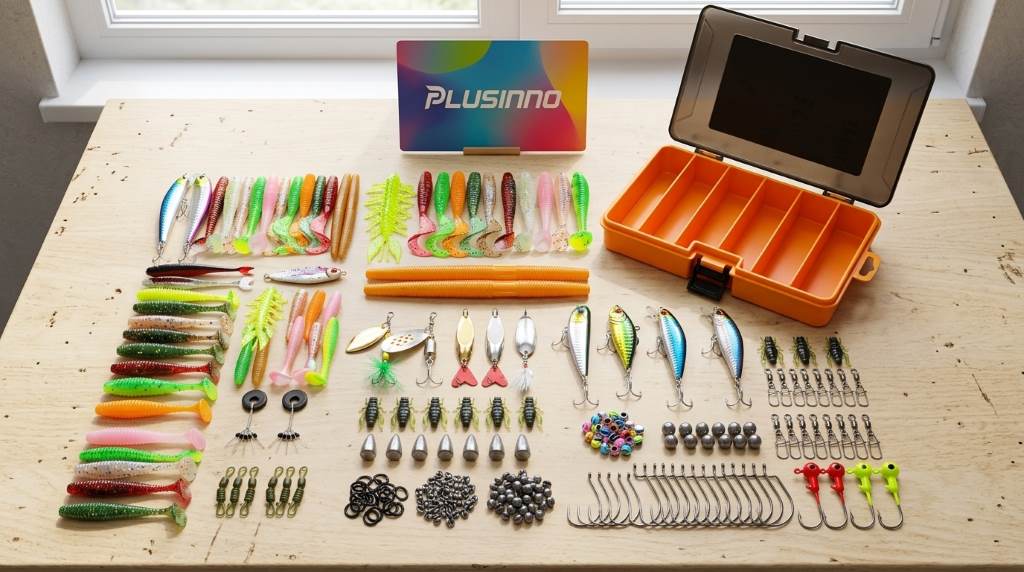
Setting up a Plusinno tackle box starts with sorting your fishing gear by purpose, size, and frequency of use. Place hooks, weights, swivels, lures, and soft baits in separate compartments for faster access. The Plusinno fishing bait and tackle box can make this process easier for beginners and experienced anglers. In 2022, about 54.5 million Americans went recreational fishing. The same report found that nearly 7 in 10 participants fished fewer than 12 times that year.
Understand Your Plusinno Tackle Box First
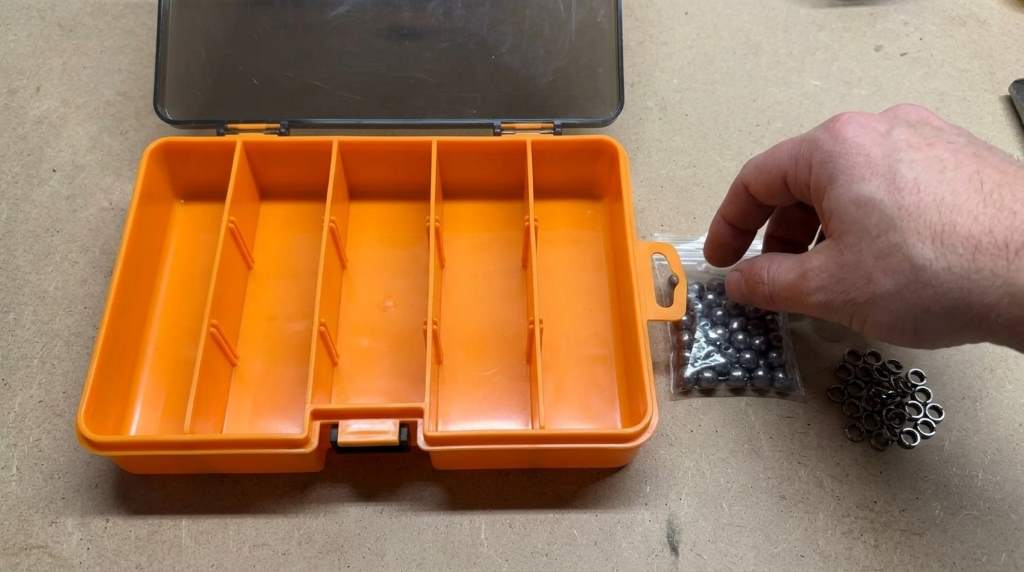
Before adding tackle, open every section and inspect the available storage space. Plusinno sells several tackle box configurations, so compartment layouts can differ between models. Current models include compact boxes and larger multi layer organizers.
Therefore, do not assume that every Plusinno box has identical compartments. Instead, match each item to the space that keeps it secure, visible, and easy to reach.
Check the Main Storage Areas
Start by identifying the largest compartments inside your tackle box. These areas usually work well for lures, soft plastics, floats, and larger fishing accessories.
Next, inspect smaller sections for hooks, swivels, split shots, beads, snaps, and other small tackle. A clear layout prevents small pieces from mixing together during transportation.
Inspect the Closures and Seals
Before loading your gear, check the lid, hinges, and locking mechanism. Some Plusinno tackle boxes use secure latches and waterproof features, depending on the model.
Close the empty box once to confirm that everything operates correctly. This simple check can prevent problems after you load the compartments.
Sort Your Fishing Gear Before Loading
Sorting your gear first makes the actual setup much easier. Spread everything across a clean table and group similar items together.
For example, create separate groups for hooks, sinkers, swivels, soft baits, hard lures, terminal tackle, and tools. Then remove damaged, rusty, duplicated, or unnecessary pieces before storing anything.
Create These Basic Tackle Groups
- Hooks grouped by size and style
- Weights grouped by size and type
- Swivels and snaps grouped together
- Soft plastics grouped by shape and color
- Hard lures grouped by fishing technique
- Beads and small accessories grouped together
- Tools stored where you can reach them quickly
This approach gives every item a logical home. Moreover, it makes restocking much easier after each fishing trip.
Set Up the Hook Compartments
Hooks deserve careful organization because they are small, sharp, and easy to mix together. Keep similar hook styles together and separate them by size whenever possible.
Use one compartment for smaller hooks and another for larger hooks. If your box has enough sections, create separate spaces for offset hooks, wacky hooks, and jig heads.
Prevent Hook Confusion
Never throw every hook into one open compartment. Mixed hooks make it harder to identify the correct size while you are fishing.
Instead, arrange hooks from small to large. You can also use small labeled containers if the compartments cannot keep hook sizes separated.
Keep sharp points facing the same direction when practical. This arrangement reduces unnecessary handling and makes each hook easier to retrieve.
Organize Weights and Sinkers
Weights should have their own dedicated section because different fishing conditions require different sinker sizes. Separate lighter weights from heavier options to speed up rigging.
For example, place split shot in one section and larger sinkers in another. Keep bullet weights together if you frequently use Texas rigs.
Do not overload one compartment with heavy weights. Excessive movement can scatter smaller tackle and make the box harder to organize.
Use Weight Size as Your Sorting System
Arrange sinkers from lightest to heaviest when the compartment allows it. This system lets you quickly estimate which weight suits the current depth and presentation.
Additionally, keep rarely used weights toward the back of the box. Store frequently used sizes near the front for faster access.
Arrange Swivels, Snaps, and Small Accessories
Swivels, snaps, beads, and connectors often create the biggest organization problem. Their small size makes them easy to scatter across several compartments.
Give each accessory type a dedicated section whenever possible. For example, place barrel swivels together and keep snap swivels in another section.
Plusinno tackle kits can include many small accessories, depending on the package. Some current kits contain hooks, weights, swivels, beads, snaps, and related fishing components.
Keep Small Parts Visible
Choose compartments that let you see the contents without emptying them. Clear visibility saves time when you need a replacement connector quickly.
Furthermore, avoid filling every compartment completely. Leave enough room to remove small parts without disturbing nearby tackle.
Store Soft Plastic Baits Correctly
Soft plastics need a different storage approach than hooks and metal tackle. Group them according to shape, size, color, or intended fishing technique.
Keep similar worms together and separate paddle tails from curly tail plastics. This setup helps you find the right bait without searching through every compartment.
Some soft plastics can react with certain materials when stored together for long periods. Therefore, follow the bait packaging guidance when the manufacturer provides storage instructions.
Use Color and Shape Efficiently
If you carry several colors, group natural shades together and brighter shades separately. This method makes it easier to adjust your presentation as water conditions change.
Do not carry every color on every trip. Instead, bring the colors that match your target species and local fishing conditions.
Organize Hard Lures and Jigs
Hard lures need enough room for their hooks to move without catching nearby tackle. Place crankbaits, spoons, spinners, and other hard lures in suitable larger sections.
Keep similar lure types together when possible. For example, store spoons with other spoons and arrange crankbaits by approximate size.
Jigs can share a section with other larger lures if their hooks remain secure. However, avoid packing sharp hooks tightly against delicate lure finishes.
Protect Treble Hooks
Treble hooks can snag neighboring lures and create frustrating tangles. Leave enough space around each lure to prevent hooks from catching other items.
If your box lacks enough room, carry fewer lures. A smaller selection often works better than an overcrowded tackle box.
Create a Quick Access Section
Your most frequently used items should sit in the easiest compartments to reach. This section might include hooks, weights, swivels, snaps, and one or two favorite lures.
Think about your normal fishing routine before assigning this space. If you constantly change rigs, place terminal tackle near the front of the box.
On the other hand, lure focused anglers may prefer their most used lures in the quick access area. Your storage system should support how you actually fish.
Pack the Tackle Box Without Overloading It
An organized tackle box needs usable space, not maximum capacity. Overfilling compartments can make gear difficult to remove and may prevent the lid from closing properly.
Start with essential tackle and add specialized items later. This approach keeps the box lighter and reduces unnecessary clutter during fishing trips.
Follow the Essential Gear Rule
For a basic freshwater setup, prioritize hooks, weights, swivels, snaps, soft plastics, and several reliable lures. Then add tools based on your target species and fishing method.
A practical starter loadout can include:
- Several hook sizes
- Multiple sinker weights
- Barrel swivels
- Snap swivels
- Jig heads
- Soft plastic worms
- Paddle tail plastics
- A few hard lures
- Fishing line or leaders
- Fishing pliers or a small multitool
Current Plusinno kits vary widely in their included tackle. For example, some packages provide more than 100 pieces, while larger kits contain several hundred accessories.
Build the Box Around Your Target Fish
Your target species should influence how you arrange the tackle box. Bass fishing, trout fishing, panfish, and saltwater fishing often require different terminal tackle and lure combinations.
Start by checking the local species and common techniques before loading your box. Then remove tackle that does not support your planned fishing method.
Bass Fishing Setup
For bass, dedicate space to soft plastics, jig heads, offset hooks, weights, and bass focused hard lures. Keep several hook and weight sizes available for changing presentations.
Plusinno currently offers kits containing multiple rig styles and accessories for freshwater fishing. One listed kit includes Texas, Carolina, Florida, split shot, no sinker, jig head, and wacky rigs.
Trout Fishing Setup
For trout, keep smaller hooks, lighter weights, small spinners, spoons, and suitable bait accessories together. Place your most frequently used trout tackle in the front compartments.
This arrangement reduces unnecessary searching when you need to make quick changes. It also keeps heavier bass tackle from taking over your available space.
Label Compartments for Faster Rigging
Labels can improve organization when your tackle box contains many similar items. Use short descriptions such as hooks, weights, swivels, jigs, and soft plastics.
You can also label compartments by size when your tackle selection requires precise separation. For example, use small, medium, and large categories for hooks and sinkers.
Keep labels simple and readable. A label should help you identify the contents within seconds.
Test Your Setup Before Fishing
After organizing everything, close the box and gently move it from side to side. Listen for loose tackle and inspect whether small items have shifted between compartments.
Next, open the box and check whether every item remains in its assigned section. If anything moved, reduce the compartment contents or improve the separation.
Finally, practice retrieving your most common tackle. If you cannot find essential gear quickly, adjust the layout before your fishing trip.
Use a Five Minute Pre Trip Check
- Confirm every latch closes securely
- Check hooks for rust or damage
- Inspect lures for damaged components
- Confirm weights remain separated
- Replace missing swivels and snaps
- Remove unnecessary tackle
- Keep frequently used gear accessible
This short inspection can save time once you reach the water. More importantly, it helps you avoid discovering missing tackle after fishing begins.
Maintain the Plusinno Tackle Box After Fishing
Good organization continues after every fishing trip. Remove wet tackle and allow appropriate items to dry before long term storage.
Saltwater exposure requires particular attention because salt residue can accelerate corrosion on metal components. Rinse suitable equipment with fresh water according to the manufacturer’s care guidance.
After cleaning, inspect hooks, swivels, snaps, and lure hardware for corrosion. Replace compromised components before your next trip rather than waiting for failure.
Restock Immediately
Restocking immediately keeps your tackle box ready for the next outing. Replace anything you used heavily or lost during the trip.
Also return every item to its assigned compartment. Consistent storage prevents the box from slowly becoming disorganized.
Common Plusinno Tackle Box Setup Mistakes
The biggest mistake involves putting too much tackle into every available compartment. More gear does not automatically create a more useful fishing setup.
Another common mistake involves mixing hooks, weights, and swivels together. This approach saves space initially but creates slower rigging later.
Some anglers also carry tackle for every possible fishing situation. Instead, build your box around the species, water, season, and techniques you expect to use.
Avoid These Organization Problems
- Do not mix different hook sizes together
- Do not overload small compartments
- Do not store wet tackle carelessly
- Do not carry unnecessary duplicate items
- Do not ignore damaged hooks or hardware
- Do not let sharp hooks roam freely
Why a Well Organized Tackle Box Matters
A well organized tackle box reduces wasted time and makes rig changes easier. It also helps you understand which fishing equipment you actually use.
That matters because fishing often requires quick decisions when conditions change. An organized box lets you respond without digging through unrelated gear.
PLUSINNO states that its mission focuses on helping beginners and amateur anglers enjoy fishing more easily. The company also says its products undergo manufacturing and testing processes involving outdoor professionals.
Still, your own setup should determine how useful the box becomes. The best organization reflects your fishing habits rather than simply copying another angler’s layout.
Final Checklist Before You Go Fishing
Before leaving home, confirm that your tackle box contains the gear required for your planned fishing method. Keep your essential tackle accessible and leave specialized items behind when they serve no purpose.
- Hooks organized by size
- Weights separated by type
- Swivels and snaps grouped together
- Soft plastics sorted logically
- Hard lures protected from tangling
- Jigs stored safely
- Frequently used tackle placed near the front
- Damaged tackle removed
- Wet equipment dried properly
- Latches checked before transport
Once you complete this checklist, your Plusinno tackle box should support faster and cleaner rig changes. Keep refining the layout after each trip until every item has a useful place.
Conclusion
Setting up a Plusinno tackle box becomes simple when you organize tackle by type, size, and frequency of use. Start with hooks, weights, swivels, lures, and soft plastics, then create quick access sections for your most used gear.
Do not focus on filling every compartment. Instead, build a practical setup around your target fish, fishing location, and preferred techniques.
Take a few minutes before your next trip to organize your Plusinno box using this guide. Then test the layout at home and make adjustments before you reach the water.
Frequently Asked Questions
How should I organize a Plusinno tackle box?
Organize hooks, weights, swivels, lures, and soft plastics into separate compartments based on type and size.
What should go in the front compartments?
Place frequently used hooks, weights, swivels, snaps, and lures in the easiest compartments to reach.
Can I store soft plastics with hooks?
Keep soft plastics separate from hooks when possible to prevent tangling and simplify access.
How full should a Plusinno tackle box be?
Leave enough space for each item to remain visible and easy to remove without disturbing nearby tackle.
How do I maintain my Plusinno tackle box?
Dry suitable tackle after fishing, inspect metal components, remove damaged items, and restock the box after every trip.