Nina Taylor

Thread the line through the center of the sinker, then connect a swivel, leader, and hook. The Amysports Egg Lead Fishing Weights work best when they slide freely above the terminal rig. Start with a moderate weight, then adjust it for depth, current, bait, and bottom conditions.
Egg sinkers remain useful because their central opening lets line move through the weight. A common starting setup uses a 1/2 ounce sinker and roughly 2 feet of leader. However, deeper water and stronger current often require more weight to maintain bottom contact.
Key Takeaways
- Thread your main line through the sinker’s center opening.
- Add a bead before the swivel to protect the connection.
- Match sinker weight with depth, current, and bait size.
- Use a longer leader when you want more natural bait movement.
- Keep enough weight to maintain contact without overloading your tackle.
- Inspect the line regularly for wear around the sliding weight.

Understand How an Egg Sinker Works
An egg sinker uses a simple sliding design that changes how your bait behaves underwater. Instead of fixing the weight directly to the end of your line, you let the line pass through it.
As a result, the sinker can move while the bait remains connected through the leader. This setup can reduce the immediate resistance a cautious fish feels after taking bait.
The oval shape also helps the weight move through water without creating unnecessary resistance. Therefore, anglers can position bait near the bottom while maintaining a relatively natural presentation.
Why the Center Hole Matters
The center hole creates the sliding action that defines an egg sinker rig. Your main line should pass through this opening smoothly without catching or scraping.
Before fishing, run a short section of line through the sinker by hand. If the line catches, inspect the opening and replace damaged tackle before casting.
Prepare the Right Tackle
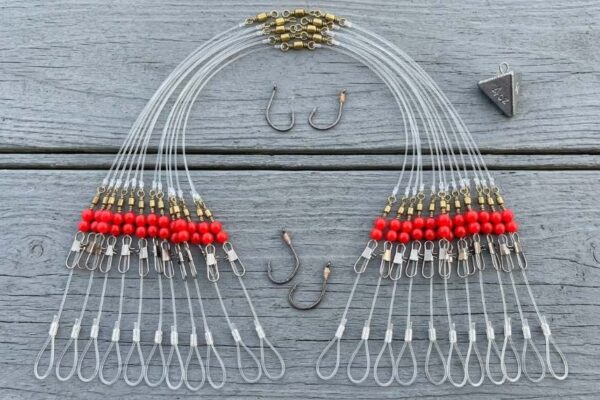
A simple egg sinker setup needs only a few components. Gather your main line, sinker, bead, swivel, leader, hook, and bait before rigging.
- AMYSPORTS egg sinker
- Main fishing line
- Small protective bead
- Barrel swivel
- Leader material
- Appropriate fishing hook
- Natural or artificial bait
Choose the hook according to your bait and target species. Likewise, select leader strength according to structure, abrasion risk, and expected fish size.
Check the Sinker Before Rigging
Inspect the sinker’s surface and center opening before threading your line. A damaged opening can create unnecessary friction against your fishing line.
Also check any plastic insert or protective sleeve included with the weight. A smooth insert can help reduce direct contact between the lead and your line.
Thread the Sinker Onto Your Line
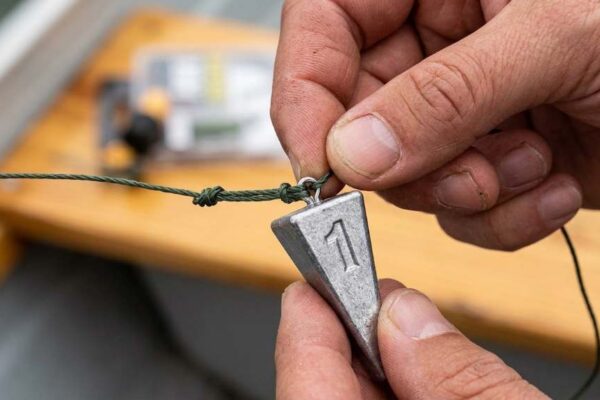
First, cut enough main line for your planned rig and terminal connection. Then pass the free end through the sinker’s center opening.
Make sure the sinker slides freely along the line. Next, pull several inches of line through the weight so you have enough room for the connection.
Do not tie the sinker directly to the main line when using a sliding presentation. The free movement provides the main advantage of this rig style.
Add a Bead for Knot Protection
Slide a small bead onto the line after the sinker. The bead creates a buffer between the moving weight and the knot.
This small component can protect your connection during repeated casts. It also reduces the chance that the sinker repeatedly strikes the swivel knot.
However, avoid using an oversized bead that blocks the sinker’s movement. The entire assembly should move smoothly without unnecessary resistance.
Attach the Swivel and Leader
Tie the main line to a suitable barrel swivel after adding the sinker and bead. Use a reliable knot that matches your line type.
An improved clinch knot works well for many common fishing setups. A Palomar knot also provides a strong option when your tackle and line allow it.
Next, attach your leader to the opposite side of the swivel. Keep the connection compact so the rig casts cleanly and resists tangling.
Set the Leader Length
Leader length changes how far your bait moves away from the sinker. A shorter leader keeps bait closer to the bottom.
A longer leader gives bait more freedom to move naturally. Therefore, increase leader length when fish respond better to subtle presentations.
Start with roughly 2 feet when conditions remain uncertain. Then adjust the length after observing current speed, bottom structure, and fish activity.
Choose the Correct Sinker Weight
Sinker weight should match the fishing environment rather than follow one universal number. Start with the lightest weight that maintains useful bottom contact.
Shallow water usually needs less weight than deep water. Similarly, calm conditions usually require less weight than strong current or heavy surf.
| Condition | Suggested Approach | Reason |
|---|---|---|
| Shallow calm water | Light weight | Maintains a natural presentation |
| Moderate current | Medium weight | Keeps bait near the feeding zone |
| Deep water | Heavier weight | Reaches the bottom efficiently |
| Strong current | Increase gradually | Reduces unwanted drift |
| Heavy structure | Use only necessary weight | Helps limit unnecessary snags |
If your rig constantly lifts from the bottom, increase the weight slightly. Conversely, reduce weight when the rig feels unnecessarily heavy or difficult to cast.
Use the Rig for Different Fishing Situations
Egg sinkers work particularly well for bottom oriented bait presentations. You can also adapt the same basic setup for freshwater and saltwater conditions.
The exact configuration should depend on your target species and fishing location. Therefore, treat the egg sinker as a flexible component rather than a complete rig by itself.
Sliding Sinker Rig
The sliding sinker rig places the egg weight above a swivel and leader. Fish can move the bait while the sinker remains separated from the hook.
This arrangement works well when you want a natural bait presentation. It also makes weight changes relatively simple during a fishing session.
Carolina Style Setup
A Carolina style arrangement uses a sliding weight, bead, swivel, leader, and hook. This setup keeps bait close to the bottom while allowing controlled movement.
Adjust the leader length when you need more or less bait separation from the bottom. Likewise, change sinker weight when current or depth changes.
Knocker Rig
A knocker rig places the egg sinker closer to the hook instead of using a long leader. This configuration can help keep bait near structure.
Use a suitable leader when fishing around rocks, reefs, or other abrasive surfaces. Check your line frequently because structure can damage it quickly.
Match the Rig to Bottom Conditions
Bottom composition can change how an egg sinker performs. Sand and mud generally allow smoother movement than dense rock or heavy vegetation.
On rocky bottoms, reduce unnecessary weight when possible. Excessive weight can increase the chance of wedging between rocks during retrieval.
When vegetation creates repeated snags, experiment with a different rig position. You can also change leader length to keep the bait above troublesome cover.
Fishing Over Sand
Sand usually provides a relatively open surface for sliding sinkers. Use enough weight to keep contact while avoiding unnecessary drag.
Slowly retrieve the rig and maintain controlled contact with the bottom. Watch your line for subtle changes that indicate bait movement or fish activity.
Fishing Around Rock
Rock requires more attention because sinkers can wedge into cracks. Keep your retrieve steady and avoid aggressively dragging the weight through gaps.
When the rig becomes stuck, lower the rod and change the angle. A different pull direction can sometimes free the sinker without breaking the line.
Improve Casting and Bait Presentation
Egg sinkers can help deliver bait deeper and improve casting stability. However, casting technique still affects accuracy and terminal tackle performance.
Check your knots before every long cast. Then make a controlled casting motion instead of forcing the rod through maximum power.
After the rig lands, allow the sinker to settle before retrieving. This pause helps the bait reach its intended position near the bottom.
Keep the Bait Natural
Use bait that matches local feeding patterns and target species. Avoid oversized bait that prevents the hook from working correctly.
Keep the hook point accessible whenever the bait allows it. A clean hook point improves your ability to convert bites into solid hookups.
Watch for Line Damage
Sliding weights repeatedly contact the fishing line during casting and retrieval. Therefore, inspect the section around the sinker after extended use.
Look for flattened areas, rough texture, discoloration, or visible fraying. Replace damaged line before returning the rig to the water.
Protective inserts can reduce direct contact, but they cannot eliminate all wear. Strong current, heavy weights, and abrasive structure can increase line stress.
Common Mistakes to Avoid
- Using more weight than the conditions require.
- Skipping the bead when the knot needs extra protection.
- Fishing with damaged line near the sinker.
- Making the leader unnecessarily long around heavy structure.
- Using a hook that does not match the bait.
- Ignoring changes in depth or current during a trip.
- Dragging the sinker aggressively through rocky bottoms.
These mistakes often reduce rig efficiency rather than completely preventing fish from biting. Fortunately, you can correct most problems with simple tackle adjustments.
How to Troubleshoot a Poor Performing Rig
The Bait Does Not Reach Bottom
Increase sinker weight gradually when current or depth prevents bottom contact. Also check whether your bait creates excessive resistance.
The Rig Keeps Snagging
Reduce unnecessary weight and change your retrieve angle. Then consider a shorter leader when fishing directly around structure.
The Line Shows Fraying
Replace the damaged section immediately instead of continuing to fish with weakened line. Next, inspect the sinker’s opening and protective insert.
The Bait Moves Too Much
Shorten the leader or increase weight slightly when current pulls the bait excessively. Keep enough movement to maintain a natural presentation.
The Fish Drops the Bait
Try reducing sinker weight when conditions allow. A lighter sliding presentation can reduce resistance during the initial take.
Build a Simple Pre Fishing Checklist
A short inspection can prevent many tackle problems before your first cast. Check every connection while the rig remains dry and easy to inspect.
- Confirm the sinker slides freely.
- Inspect the center opening or insert.
- Check the main line for damage.
- Test the swivel connection.
- Inspect the leader and hook.
- Confirm the weight suits current conditions.
- Secure the bait properly before casting.
After completing these checks, test the rig with a short cast. This simple step lets you confirm movement before committing to a longer presentation.
Safety and Responsible Lead Tackle Handling
Lead tackle requires careful handling because lead should not enter your mouth or food area. Wash your hands after handling lead weights and fishing tackle.
Keep weights away from children and pets when storing your tackle. Also follow local rules for lead tackle where applicable.
Store sinkers inside a secure tackle container instead of leaving loose weights around your workspace. Proper storage also makes weight selection faster during future trips.
When to Change Your Setup
Changing the rig does not always mean changing the entire tackle system. Small adjustments can solve many presentation problems.
Change weight when depth or current changes significantly. Change leader length when bait movement needs adjustment.
Change hook size when the bait changes. Finally, change rig style when bottom structure creates repeated snags or poor presentations.
Frequently Asked Questions
How do you put an AMYSPORTS egg sinker on fishing line?
Thread the main line through the center hole, add a bead, then connect the swivel, leader, and hook.
Should the egg sinker slide freely?
Yes, the sinker should slide smoothly so the rig maintains its intended low resistance presentation.
Do you need a bead with an egg sinker?
A bead helps protect the swivel knot from repeated contact with the sliding sinker.
What weight should you use with an egg sinker?
Use the lightest weight that keeps your bait near the desired depth and maintains useful bottom contact.
Can egg sinkers work in freshwater and saltwater?
Yes, egg sinkers can work in both environments when you match the rig to local conditions and target species.
Final Tips for Better Results
Using an egg sinker successfully depends more on matching conditions than simply adding weight. Start light, watch your line, and adjust the rig as conditions change.
Before your next trip, prepare several leader lengths and different sinker weights. That preparation lets you adapt quickly without rebuilding your entire tackle setup.
Start with the basic sliding rig, test it in your fishing environment, and record what works. Then refine weight, leader length, bait, and retrieval speed based on your results.