Nina Taylor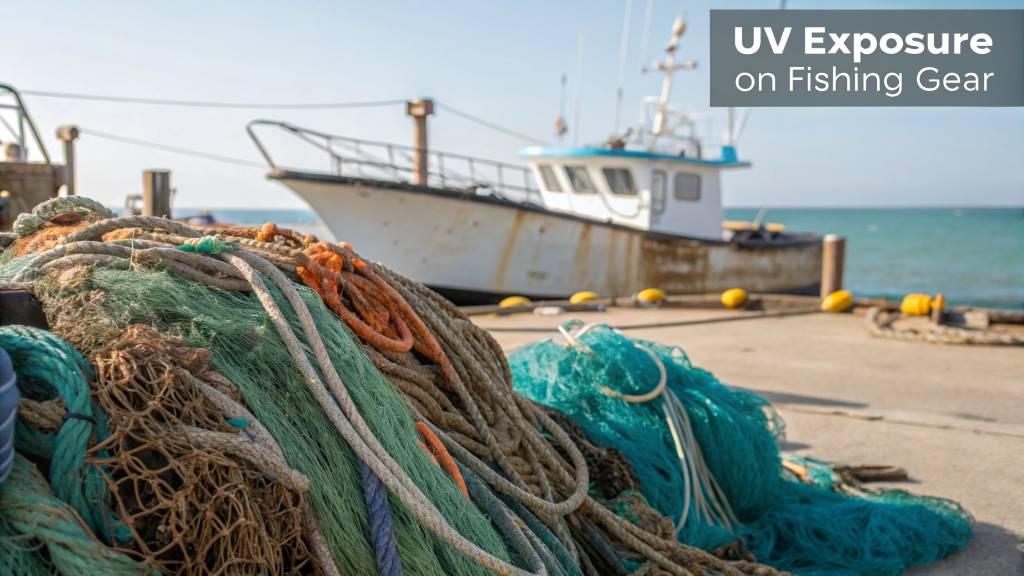
Fishing gear is designed to endure harsh environments, but one silent destroyer often goes unnoticed—ultraviolet (UV) radiation. Whether you’re a commercial fisherman or a weekend angler, prolonged exposure to the sun’s UV rays can degrade fishing lines, nets, rods, and even boat components. Over time, this leads to weakened gear, lost catches, and costly replacements.
Understanding how UV exposure on fishing gear is essential for extending its durability and performance. This article explores the science behind UV damage, the gear most at risk, real-world statistics, expert opinions, and practical solutions to mitigate the effects of the sun.
How UV Rays Affect Fishing Gear
1. The Science Behind UV Damage
Ultraviolet radiation is a form of electromagnetic radiation emitted by the sun. It is divided into three categories: UVA, UVB, and UVC. While the Earth’s atmosphere absorbs most UVC rays, UVA and UVB rays reach the surface and cause significant damage to materials over time.
Fishing gear, especially synthetic materials, absorbs UV radiation, breaking down molecular bonds through a process called photodegradation. This weakens fibers, making them brittle and prone to breaking.
2. Common Fishing Gear Affected by UV Exposure
UV damage doesn’t affect all fishing equipment equally. Some materials are more vulnerable than others. Here’s a breakdown of the most affected gear:
- Fishing Lines – Monofilament lines degrade the fastest under UV exposure, losing up to 20% of their strength in just 100 hours of direct sunlight. Fluorocarbon lines resist UV better, while braided lines offer the most durability.
- Nets and Ropes – Nylon and polyester nets weaken after prolonged sun exposure, leading to increased breakage and lost catches.
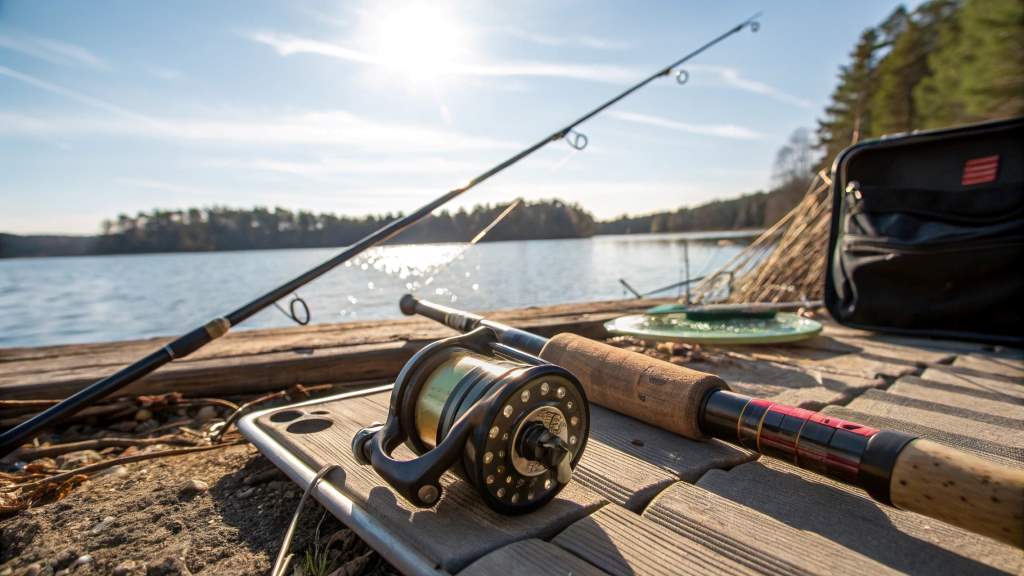
- Rod and Reel Components – Plastic reel seats, grips, and even composite rod blanks can become brittle, reducing overall performance.
- Boat Accessories – Seats, plastic storage boxes, and rubber components on boats degrade when left unprotected under the sun.
Real-World Data on UV-Induced Gear Damage
Several studies highlight the destructive impact of UV rays on fishing gear. According to a 2018 study published in the Journal of Applied Polymer Science, synthetic fishing lines lost 30% of their tensile strength after six months of sun exposure. Another report from the American Fisheries Society found that UV-degraded nets increased fish escape rates by up to 15%.
In a survey conducted by the National Oceanic and Atmospheric Administration (NOAA), 67% of commercial fishermen reported frequent gear failures due to prolonged sun exposure. These statistics emphasize the financial and environmental consequences of UV damage.
Preventing UV Damage: Best Practices for Gear Protection
1. Use UV-Resistant Materials
When selecting fishing gear, opt for UV-resistant materials whenever possible. Some manufacturers incorporate UV inhibitors in their products, extending their lifespan. Look for lines with UV coatings, reinforced rods, and marine-grade plastics.
2. Store Gear Properly
Proper storage is one of the simplest yet most effective ways to reduce UV exposure. Here’s how:
- Keep fishing lines and nets in shaded areas or inside protective cases.
- Store rods and reels in covered compartments or rod tubes.
- Use UV-blocking tarps to protect boats and accessories when not in use.
3. Apply UV-Protective Sprays and Coatings
Several UV protectant sprays are available that help extend the lifespan of fishing gear. These coatings form a barrier that absorbs UV radiation before it reaches the material. Brands like 303 Aerospace Protectant and Star Brite UV Protectant are popular among anglers.
4. Rotate and Replace Gear Regularly
No gear lasts forever, but rotating equipment can slow down wear and tear. Instead of exposing the same fishing lines or nets to constant UV rays, switch them out periodically. For high-risk items like monofilament lines, replacing them every season can prevent unexpected failures.
5. Use Sun-Protective Covers and Shields
For boat equipment and accessories, UV-resistant covers provide excellent protection. Many modern boats now come with built-in UV-resistant storage compartments, but for older models, investing in sun covers is a worthwhile upgrade.
Expert Opinions: Anglers Weigh In
Commercial Fishermen vs. Recreational Anglers
Professional and recreational fishermen have differing perspectives on UV exposure. Commercial fishermen, who use gear daily, see faster degradation and often invest in heavy-duty, UV-resistant equipment. Meanwhile, recreational anglers may not notice UV damage until gear failure occurs.
According to John Peterson, a commercial tuna fisherman from Florida:
“Our nets used to last three seasons, but with UV exposure getting stronger, we’re lucky to get two seasons before they start breaking down.”
On the other hand, avid angler Mike Dawson shares:
“I didn’t think much about UV damage until my line snapped on a big catch. Now, I store my gear properly and use UV sprays to extend its life.”
These contrasting experiences highlight the importance of awareness and proactive gear maintenance.
Environmental Impact of UV-Degraded Fishing Gear
UV damage doesn’t just impact fishermen; it also affects marine ecosystems. When nets and lines degrade, they often end up as marine debris, contributing to ghost fishing—where abandoned gear continues to trap and kill marine life.
A report by the United Nations Environment Programme (UNEP) estimates that over 640,000 tons of abandoned fishing gear enter the ocean annually. Reducing UV-induced degradation can minimize this environmental impact.
Conclusion
UV exposure on fishing gear is an unavoidable challenge for fishermen, but with the right strategies, its impact can be minimized. Investing in UV-resistant gear, proper storage, and protective treatments can significantly extend the lifespan of fishing equipment.
By taking proactive measures, anglers can save money, improve performance, and reduce environmental harm. Whether you’re a weekend fisherman or a commercial professional, protecting your gear from UV damage ensures better fishing experiences for years to come.
FAQs
1. How long does it take for UV exposure to weaken fishing line?
Monofilament lines can lose up to 20% of their strength in just 100 hours of direct sunlight. Braided and fluorocarbon lines are more resistant but still degrade over time.
2. Can UV protectant sprays really help extend the lifespan of fishing gear?
Yes, UV sprays like 303 Aerospace Protectant create a barrier that reduces photodegradation, significantly extending the durability of lines, nets, and plastic components.
3. What is the best way to store fishing gear to prevent UV damage?
Store gear in shaded areas, rod tubes, or covered compartments. For boats, use UV-blocking tarps and invest in sun-resistant storage.
4. Do all types of fishing nets degrade under UV exposure?
Yes, but some materials last longer. Nylon and polyester nets degrade faster, while those treated with UV-resistant coatings have extended lifespans.
5. How does UV damage impact the environment?
UV-degraded fishing gear often ends up as marine debris, contributing to ghost fishing, which harms marine life. Proper gear maintenance helps reduce this environmental impact.