Nina Taylor
Minnow fish bait is a go-to choice for anglers aiming to catch bass, trout, or walleye. These small, silvery fish attract predators with their natural movement, making them irresistible in freshwater and saltwater. This guide explores how to use minnows effectively, offering practical tips and insights to boost your fishing success. Whether you’re a beginner or a seasoned angler, understanding minnow bait’s versatility can elevate your game. Dive into this comprehensive resource to learn catching, hooking, and fishing techniques, ensuring your next trip is a triumph.
What Are Minnow Fish Bait and Why Use Them?
Minnows are small fish, typically 1-4 inches long, from the Cyprinidae family, like fathead or bluntnose minnows. They’re a staple in fishing due to their abundance and appeal to predatory fish. Their natural swimming action mimics injured prey, triggering strikes from bass, crappie, and pike. According to a 2018 study by the U.S. Fish and Wildlife Service, live bait like minnows accounts for 60% of successful catches in freshwater fishing. Their affordability and availability make them ideal for anglers.
Using minnows offers unmatched versatility. They work in various water conditions—lakes, rivers, or coastal areas. My first fishing trip as a teen used minnows caught from a local creek, and the thrill of landing a largemouth bass hooked me on this bait. Minnows can be fished live or preserved, adapting to your target species and environment. However, regulations in some states restrict live minnow use to prevent invasive species spread, so check local laws.
Best Techniques for Catching Minnows for Bait
Catching your own minnows saves money and ensures fresh bait. Minnow traps, either store-bought or DIY, are the most effective method. Place traps in shallow waters near creek mouths or gravel bars, baited with dry dog food or crushed crackers. A 2019 Arkansas fishing forum post noted dry dog food catches minnows in under an hour in ideal conditions. Leave traps for 30-60 minutes to avoid minnows escaping.
Alternatively, use a cast net in areas with visible schools. This requires practice but yields quick results. Once, while fishing in a Missouri lake, I used a homemade trap from a soda bottle and caught dozens of shiners in 45 minutes. Avoid overbaiting traps, as excess bait can drift out, luring minnows away. Check traps frequently and sort for 3-inch minnows, ideal for most game fish. Store them in aerated buckets to keep them lively.
How to Hook Minnows Without Killing Them
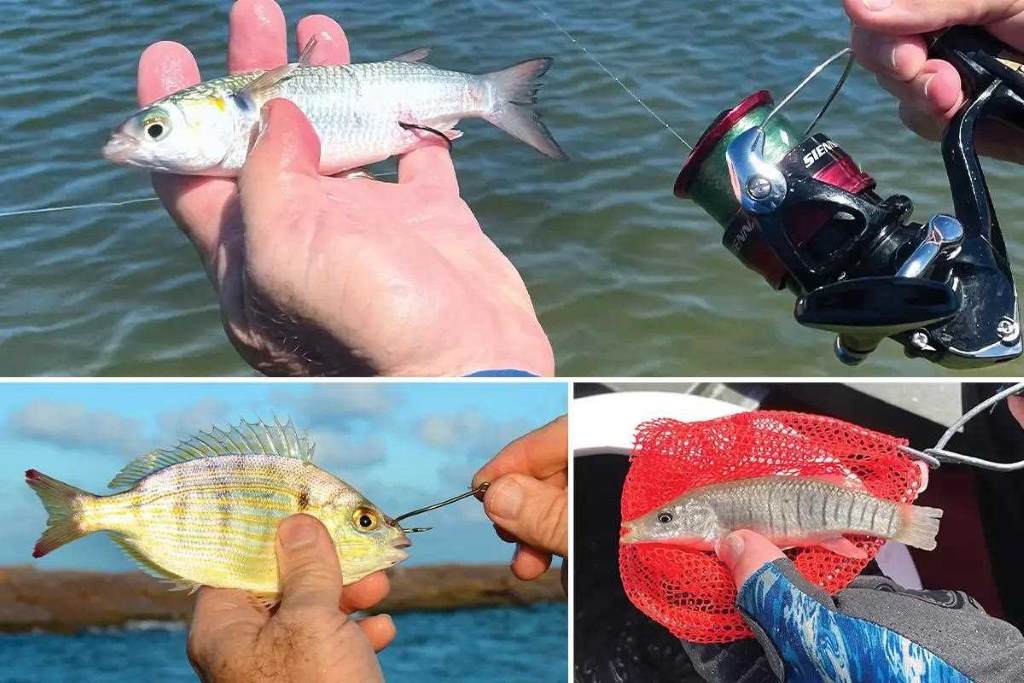
Hooking minnows correctly ensures they stay alive, increasing their effectiveness. Three methods stand out: lip-hooking, back-hooking, and tail-hooking. Lip-hooking, threading the hook through the lower and upper lip, suits trolling or casting. It allows natural swimming but limits water intake, so replace minnows when they weaken. Back-hooking, just behind the dorsal fin, is ideal for still fishing under a bobber, keeping minnows alive longer. Tail-hooking works for unweighted lines, letting minnows swim freely.
Use size 4 or 6 hooks for minnows under 3 inches to avoid injury. A WikiHow guide recommends checking hooked minnows often to maintain liveliness. During a trout fishing trip, I back-hooked shiners and noticed they stayed active longer, attracting more bites. Avoid piercing the spine when back-hooking to prevent paralysis. Proper hooking enhances bait presentation, making it irresistible to fish like walleye or bass.
Effective Fishing Methods Using Minnow Bait
Minnows shine in multiple fishing techniques. Bobber fishing keeps minnows at the desired depth, ideal for crappie or walleye near structures. Adjust the bobber 18 inches above the minnow to avoid snags. Drifting lets currents carry minnows through open water, perfect for trout in high winter flows. A White River guide suggests matching drift speed to current for bigger trout. Free-lining, with no weight, targets suspended fish under docks.
Each method suits specific conditions. For example, I once drifted minnows in a fast-moving river and caught a 5-pound brown trout, proving the technique’s power. Use a medium-light rod with monofilament line for better control and bite detection. Experiment with depths and speeds to find what works. Live minnows outperform artificial lures in murky water, where scent and movement matter most, ensuring more strikes.
Tips for Keeping Minnows Alive Longer
Keeping minnows lively is crucial for success. Use a 1-gallon bucket with an aerator for 4-6 dozen small minnows. Overcrowding reduces oxygen, causing stress. Replace water hourly to remove toxins and maintain temperature. A 2021 study by Productive Alternatives found fresh water doubles minnow lifespan. Avoid sudden water changes to prevent shock. During a fishing trip, I lost half my minnows due to stale water—a lesson learned.
Store minnows in cool, shaded areas and handle gently to minimize stress. Use containers like Bait Up for easy access without netting. If minnows die, preserve them in a freezer bag with vodka for up to a year. This cycle of trapping and preserving ensures a steady supply, saving time and money on future trips.
Read Also:
- Fishing Tackle Boxes And Organizers | Choose the Right Setup
- Casting Nets and Stories: The Timeless Cultural Fishing Traditions of Amazonia
- How to Fix a Stuck Ferrule on a Multi-Piece Fishing Rod
Common Mistakes to Avoid When Using Minnow Bait
Mistakes with minnow bait can ruin a fishing trip. Here are key pitfalls to avoid:
- Overcrowding Buckets: Too many minnows in a small bucket deplete oxygen, causing deaths. Stick to recommended capacities.
- Incorrect Hooking: Hooking through the spine or stomach kills minnows quickly, reducing effectiveness. Use lip, back, or tail methods.
- Ignoring Regulations: Some states ban live minnows to protect ecosystems. Check local laws to avoid fines.
- Using Stale Water: Warm, toxin-filled water stresses minnows. Refresh water regularly with an aerator.
I once ignored water quality, and my minnows died mid-trip, forcing me to switch to lures. Learning these lessons improved my success rate. Always monitor bait condition and adjust techniques to match the environment.
Pros and Cons of Using Minnow Fish Bait
Minnows offer unique advantages but have drawbacks. Here’s a breakdown:
Pros:
- Highly Effective: Natural movement attracts more fish than artificial lures.
- Cost-Effective: Easily caught or cheap at bait shops ($3-4/dozen).
- Versatile: Works for multiple species and water conditions.
Cons:
- Maintenance: Requires aerators and frequent water changes.
- Regulations: Restricted in some areas to prevent invasive species.
- Fragility: Minnows die if mishandled or hooked improperly.
A 2023 BassForecast guide noted minnows’ effectiveness for bass, with 80% of anglers reporting success. Weigh these factors to decide if minnows suit your fishing style.
Conclusion
Minnow fish bait remains a top choice for anglers due to its natural appeal and versatility. By mastering catching, hooking, and fishing techniques, you can target bass, trout, or walleye with confidence. Keep minnows lively with proper care and avoid common mistakes like overcrowding or incorrect hooking. Whether drifting in rivers or bobber fishing in lakes, minnows deliver results. Try these methods on your next trip and share your success in the comments below or on social media to inspire others!
FAQs
How Do I Catch Minnows for Bait?
Use a minnow trap with dry dog food or crackers in shallow water. Check after 30-60 minutes to collect lively minnows.
What Fish Are Best Caught with Minnows?
Minnows attract bass, crappie, walleye, trout, and pike due to their natural swimming motion.
How Should I Hook a Minnow?
Hook through the lips for trolling, back for still fishing, or tail for unweighted lines to keep minnows alive.
How Can I Keep Minnows Alive Longer?
Use an aerated bucket, replace water hourly, and avoid overcrowding to maintain oxygen levels and reduce stress.
Are There Regulations for Using Minnow Bait?
Some states restrict live minnows to prevent invasive species. Check local laws before fishing.