Nina Taylor
Picture this: you’re standing on the pristine shores of Lake Superior at dawn, watching your line disappear into crystal-clear waters. However, after three hours, your tackle box remains empty while other anglers nearby land impressive catches. The difference often lies in one critical detail that many overlook—the hook.
Canada’s diverse fishing environments demand strategic hook selection that can make or break your angling success. From the Atlantic salmon runs in New Brunswick to the trophy pike waters of Saskatchewan, understanding hook fundamentals transforms average fishing trips into memorable adventures.
Understanding Canadian Fish Species and Hook Requirements
Canadian waters host over 200 fish species, each requiring specific hook considerations. Additionally, provincial regulations vary significantly, making hook selection both an art and a science.
Salmon fishing in British Columbia typically demands strong, sharp hooks ranging from size 1/0 to 4/0. These powerful fish generate tremendous fighting force, requiring hooks that maintain their integrity under extreme pressure. Therefore, many experienced guides recommend using barbless hooks, which are mandatory in certain conservation areas and reduce fish mortality rates by approximately 15%.
Walleye fishing across the Great Lakes region presents different challenges altogether. These structure-oriented fish often inhabit rocky bottoms and fallen timber, where snag-resistant hooks become essential. Consequently, jig hooks with weed guards or offset designs prove most effective for these conditions.
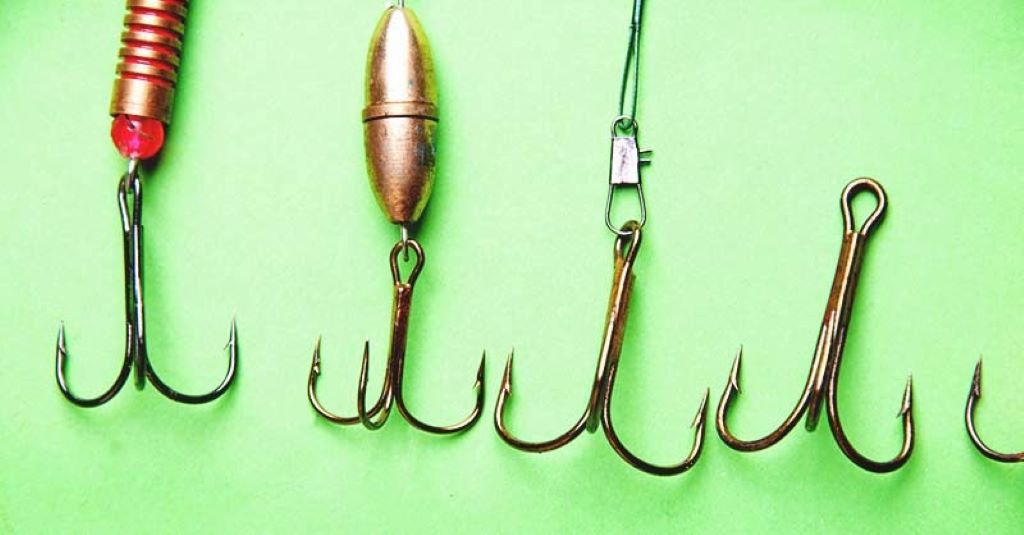
Northern pike, abundant in Alberta and Manitoba waters, possess razor-sharp teeth that can sever traditional fishing line instantly. Furthermore, their aggressive strikes demand heavy-duty hooks constructed from high-carbon steel. Many seasoned anglers prefer treble hooks when using spoons or plugs, as they significantly increase hookup ratios.
Hook Size Selection Strategies
Choosing appropriate hook sizes directly correlates with catch success rates in Canadian waters. Research from the Canadian Wildlife Federation indicates that proper hook sizing increases landing percentages by up to 40% compared to random selection.
Smaller hooks, ranging from size 8 to 14, excel for panfish species like bluegill and crappie found in Ontario’s cottage country. These delicate presentations mimic natural food sources without spooking wary fish in heavily pressured waters. However, using undersized hooks for larger species results in frequent breakoffs and lost fish.
Medium-sized hooks, from size 2 to 1/0, represent the sweet spot for most Canadian freshwater fishing scenarios. These versatile options handle trout, bass, and medium-sized pike effectively while maintaining sufficient strength for unexpected trophy encounters. Additionally, this size range accommodates various bait presentations from live worms to artificial lures.
Large hooks, 2/0 and above, become necessary when targeting trophy fish or using substantial baits. Muskie fishing in Quebec’s Thousand Islands region often requires hooks approaching 6/0 to handle both the fish size and the large lures typically employed.
Material and Construction Considerations
Hook metallurgy plays a crucial role in Canadian fishing success, particularly in saltwater environments along the Atlantic and Pacific coasts. Corrosion resistance becomes paramount when fishing for striped bass in Nova Scotia or salmon in British Columbia’s coastal waters.
High-carbon steel hooks offer superior strength and sharpness retention compared to standard wire options. However, they require more diligent maintenance to prevent rust formation. Therefore, many professional guides coat their hooks with protective lubricants after each fishing session.
Circle hooks have gained tremendous popularity among Canadian conservation-minded anglers due to their fish-friendly design. These hooks reduce deep hooking incidents by approximately 80% compared to traditional J-hooks, according to studies conducted by Fisheries and Oceans Canada. Furthermore, circle hooks often hook fish in the corner of the mouth, facilitating easier releases.
Barbless hooks, while sometimes challenging for novice anglers, offer significant advantages in catch-and-release scenarios. Many Canadian provinces now mandate barbless hooks in specific waters to protect vulnerable fish populations. Additionally, barbless designs penetrate fish mouths more easily due to reduced resistance during the hookset.
Regional Hook Preferences Across Canada
Atlantic Canada’s diverse fishing opportunities require specialized hook approaches for different species and environments. Cod fishing off Newfoundland demands heavy-duty hooks capable of handling both fish size and aggressive bottom conditions. Meanwhile, brook trout fishing in New Brunswick’s pristine streams calls for delicate presentations using small, sharp hooks.
Central Canada’s Great Lakes system presents unique challenges that influence hook selection strategies. Lake trout fishing in deep, cold waters requires hooks that maintain their strength under extreme pressure differentials. Moreover, the zebra mussel invasion has created razor-sharp bottom conditions that quickly dull inferior hooks.
Western Canada’s mountain lakes and coastal waters offer spectacular fishing but demand specific hook considerations. Steelhead fishing in British Columbia requires hooks strong enough to handle powerful runs yet sharp enough to penetrate tough mouths. Therefore, many local guides prefer chemically sharpened hooks that maintain their edge throughout long fishing days.
Prairie province fishing focuses heavily on walleye and northern pike, species that respond well to different hook styles. Saskatchewan’s trophy pike waters often produce fish exceeding 40 inches, necessitating robust hook construction that won’t straighten under extreme pressure.
Seasonal Hook Selection Strategies
Spring fishing conditions across Canada require hook adjustments based on water temperature and fish behavior patterns. Cold water makes fish sluggish, reducing their ability to fully engulf baits. Consequently, smaller, sharper hooks often produce better results during early season conditions.
Summer fishing presents opposite challenges, with active fish aggressively pursuing various presentations. However, increased fishing pressure in popular destinations means fish become more selective about bait presentations. Therefore, many successful anglers downsize their hooks during peak summer periods to maintain catch rates.
Fall fishing opportunities across Canada coincide with pre-winter feeding behaviors that create exceptional angling opportunities. Fish actively pursue larger meals, making this season ideal for using bigger hooks and baits. Additionally, cooler water temperatures allow fish to fight harder, demanding stronger hook construction.
Winter ice fishing requires specialized hooks designed for vertical presentations and cold-weather durability. Many traditional hooks become brittle in extreme cold, leading to unexpected failures during crucial moments. Furthermore, the confined space of ice shelters demands hooks that facilitate quick, efficient fish handling.
Technology and Hook Innovation
Modern hook manufacturing incorporates advanced materials and coatings that significantly improve performance in Canadian waters. Chemically sharpened points maintain their effectiveness far longer than traditional filing methods, reducing the need for frequent resharpening during extended fishing trips.
Corrosion-resistant coatings extend hook life in harsh saltwater environments while maintaining sharpness throughout multiple fishing sessions. Many professional charter captains report cost savings exceeding 30% when using premium coated hooks compared to standard options.
Hook design continues evolving with computer-aided engineering creating more efficient point angles and gap dimensions. These innovations increase hookup ratios while reducing fish mortality rates, supporting Canada’s conservation-focused fishing culture.
Featured Snippet: What hooks work best for Canadian freshwater fishing?
For Canadian freshwater fishing, choose hooks based on target species and water conditions. Use size 8-14 hooks for panfish, 2-1/0 for bass and trout, and 2/0+ for pike and muskie. Circle hooks reduce fish mortality by 80% and are mandatory in many conservation areas. High-carbon steel provides superior strength and sharpness retention. Barbless hooks are required in numerous Canadian waters and facilitate easier releases. Consider seasonal factors: smaller hooks for sluggish spring fish, standard sizes for active summer fish, and larger hooks for aggressive fall feeding. Always check provincial regulations before fishing, as hook restrictions vary significantly across different waters and conservation zones.
Frequently Asked Questions
Q: Are barbless hooks mandatory throughout Canada? A: Barbless hook requirements vary by province and specific water bodies. British Columbia, Alberta, and many federal parks require barbless hooks in designated conservation areas. Always check current regulations before fishing.
Q: What hook size works best for Canadian salmon? A: Salmon fishing typically requires hooks ranging from 1/0 to 4/0, depending on species and fishing method. Pacific salmon often demand larger hooks than Atlantic varieties due to their aggressive feeding behavior.
Q: Can I use treble hooks in all Canadian waters? A: Treble hook regulations differ across provinces. Some conservation areas prohibit treble hooks entirely, while others restrict their use during spawning seasons. Verify local regulations before your trip.
Q: How do I prevent hooks from rusting in Canadian humidity? A: Store hooks in dry containers with silica gel packets, apply corrosion inhibitor sprays after use, and choose stainless steel or coated options for extended durability in humid conditions.
Q: What’s the difference between circle hooks and J-hooks for Canadian fishing? A: Circle hooks curve inward and typically hook fish in the mouth corner, reducing mortality rates. J-hooks have straight points and may hook fish deeper but offer more versatility with different bait presentations.
Q: Should I sharpen my hooks before every Canadian fishing trip? A: Check hook sharpness before each outing by dragging the point across your fingernail. If it doesn’t catch easily, sharpen or replace the hook. Sharp hooks significantly improve hookup rates.
Q: What hook brands do Canadian guides recommend most? A: Professional guides frequently recommend Gamakatsu, Owner, and VMC hooks for their consistent quality and sharpness retention in Canadian conditions. However, hook selection should prioritize function over brand loyalty.
Final Thought
Choosing the right hook for your Canadian fishing trip represents far more than a simple tackle decision—it embodies your commitment to fishing success and conservation ethics. The vast diversity of Canadian waters demands thoughtful hook selection that considers species behavior, environmental conditions, and regional regulations.
Remember that the perfect hook combines appropriate size, superior materials, and design features that match your target species and fishing conditions. Whether you’re pursuing Atlantic salmon in the Maritimes or trophy lake trout in the Northwest Territories, your hook choice directly influences both catch success and fish survival rates.
Ready to elevate your Canadian fishing experience? Research your destination’s specific regulations, invest in quality hooks suited to your target species, and always prioritize conservation-friendly options that protect Canada’s incredible fishery resources for future generations.
Read More:
How to Use a Fishing Line Spooler for Perfect Line Management
How to Tie the Hook on a Fishing Line