Nina Taylor
Fishing is a passion for many, but catching uncommon or elusive species can often seem like an impossible task. One of the most effective ways to boost your chances of attracting these rarer fish is through DIY fish attractant. These homemade concoctions can be tailored to suit the specific species you’re after, using ingredients you likely already have at home. In this guide, we’ll dive into some of the most effective DIY fish attractant recipes for unusual species, providing tips, tricks, and the science behind why these methods work.
Why Fish Attractants Matter
Attractants play a crucial role in your fishing success. Fish, like any other creatures, are drawn to certain scents and substances that signal food, safety, or a breeding environment. Many professional fishermen and hobbyists swear by using fish attractants to bring in species that might otherwise be challenging to lure.
But here’s the catch: not all attractants are universal. Different fish species have different preferences, and attracting an uncommon fish requires specific formulas. DIY fish attractants allow you to cater to these preferences and experiment with various ingredients.
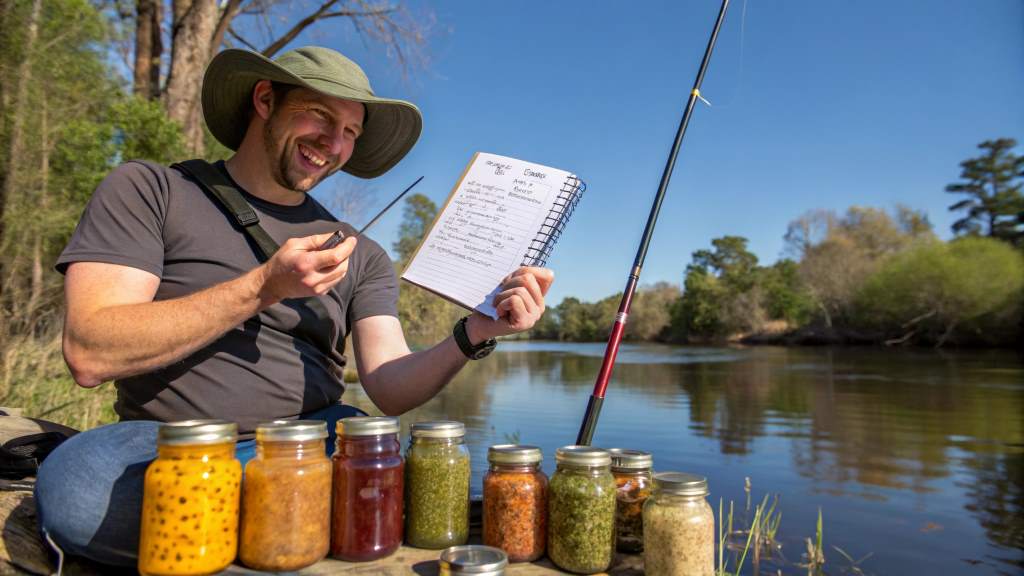
Types of Fish Attractants: The Science Behind Them
Fish attractants generally work in two ways: scent-based and visual-based. Scent-based attractants utilize the natural pheromones, oils, or smells that fish are instinctively drawn to. Visual-based attractants, such as colored baits or products that shimmer, appeal to the fish’s sense of sight. Both types are often used in combination for maximum effect.
For unusual species, it’s important to consider what attracts them. Species like catfish, for example, are drawn to strong, pungent scents like cheese or rotten chicken liver, while others, such as trout, are more inclined toward milder scents and brighter colors. Research and experimentation can reveal which attractant best matches the species you’re targeting.
Scent-Based Attractants for Uncommon Species
When fishing for rare or hard-to-catch species, a potent, customized scent attractant can make a world of difference. Here are some recipes that have proven to be effective for attracting unusual species:
Recipe 1: Sweet and Spicy Catfish Attractant
Catfish are notorious for their keen sense of smell. A DIY sweet and spicy attractant is ideal for this species.
Ingredients:
- 1/4 cup of molasses
- 1/4 cup of garlic powder
- 1/4 cup of hot sauce
- 1/4 cup of fish oil
Instructions:
- Mix all ingredients together in a bowl.
- Pour the mixture into a small bottle or container for easy application.
- Apply to your bait or fishing area at least 30 minutes before fishing.
The sweetness of molasses combined with the pungency of garlic and the heat from hot sauce creates a scent that’s irresistible to catfish. The fish oil helps carry the scent further through the water, ensuring the fish can smell it from a distance.
Recipe 2: Rotten Egg Attractant for Carp
Carp are drawn to strong, sulfuric smells, making rotten eggs an excellent baiting agent.
Ingredients:
- 2-3 rotten eggs
- 1/2 cup of cornmeal
- 1 tablespoon of anise oil
Instructions:
- Crack the eggs into a bowl and mash them up thoroughly.
- Add the cornmeal and mix well until the consistency becomes doughy.
- Add the anise oil for extra potency.
- Form the mixture into small balls and let them sit for 24 hours to enhance the smell.
This DIY attractant leverages the overpowering sulfur smell of rotten eggs, which is a major draw for carp. The anise oil adds a bit of extra attraction by introducing a distinct fragrance.
Visual-Based Attractants: Color and Light
For some species, adding a visual element to your attractant can be just as effective as scent. Uncommon species like striped bass are often drawn to bright colors or lures that shimmer in the water.
Recipe 3: Shimmering Trout Attractant
Trout are highly visual fish, and they are often drawn to shiny, reflective surfaces that mimic the scales of small fish.
Ingredients:
- 1 tablespoon of reflective glitter or mica powder (safe for fishing)
- 1/2 cup of fish oil
- 1/4 cup of crushed shrimp shells
Instructions:
- Mix the glitter, fish oil, and shrimp shells in a small container.
- Apply to your fishing bait or lure.
- For added effect, you can create a “glitter trail” in the water by stirring the mixture just before casting.
This shimmering trout attractant works by appealing to the fish’s sense of sight, reflecting light and simulating the appearance of injured prey. The crushed shrimp shells also add a burst of scent that enhances its attraction.
Attractant Tips for Rare Species
While these DIY recipes are effective for specific species, there are additional tips that can increase your chances of success:
Use Fresh Ingredients
Freshness is key. Whenever possible, use fresh bait and ingredients to create your attractants. Fish are more likely to respond to fresh scents and flavors than to stale or old ones. For rare species, this is especially important, as they tend to be more cautious and selective about what they consume.
Experiment with Different Textures
Some fish species prefer certain textures over others. For instance, catfish may be attracted to a thick, paste-like texture, while other species like walleye might prefer a more granular texture. Experimenting with different consistencies can help you find what works best.
Time and Placement Matter
Even the best attractants won’t work unless you’re fishing at the right time and place. Be sure to research the species you’re targeting to understand their feeding habits and peak feeding times. Additionally, try applying your attractant well before you start fishing—this gives it time to disperse and attract fish.
FAQs
1. Can I use DIY attractants for all fish species?
Not all species respond the same way to attractants. Different fish have unique preferences, so it’s important to experiment and tailor your attractant to the species you’re targeting.
2. How long before fishing should I apply the attractant?
Apply your attractant at least 30 minutes before fishing. This gives it enough time to spread through the water, enticing fish to the area.
3. Are DIY attractants as effective as store-bought ones?
Yes, homemade attractants can be just as effective, if not more, since you can customize them to match the specific species and conditions you’re fishing in.
4. How can I store my DIY fish attractant?
Store your attractant in an airtight container to maintain its potency. Some attractants, like those with garlic or molasses, can last for weeks, while others may spoil quickly.
5. Are there any fish species that won’t respond to attractants?
Some species, like certain types of trout or bass, may not respond as strongly to attractants, as they rely more on sight than smell. However, using the right visual or scent-based attractant can still help.
Conclusion
Creating DIY fish attractant for unusual species is not only a cost-effective way to boost your chances of catching rare fish, but it also allows you to experiment with different methods and ingredients. Whether you’re after catfish, carp, or trout, these homemade attractants can give you the edge needed to reel in your catch. By understanding the science behind fish behavior and experimenting with these recipes, you’ll be well on your way to fishing success.