Nina Taylor
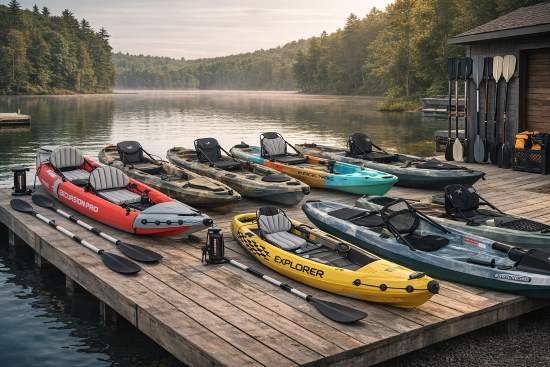
Kayak fishing has grown quickly over the past decade as more anglers look for simple ways to reach quiet water without a boat trailer or marina access. According to data from the Outdoor Industry Association, more than 11 million Americans participate in paddlesports each year, and kayak fishing remains one of the fastest growing segments. At the same time, many anglers who are taller or heavier often struggle to find kayaks that feel stable and comfortable.
Standard recreational kayaks sometimes feel cramped, unstable, or difficult to balance for bigger users. Wider hulls, stronger weight capacity, and supportive seating make a real difference on the water. This guide examines several best fishing kayaks that anglers with larger builds frequently consider. The focus stays on real world comfort, kayak stability, storage, and performance guide, and practical usability rather than marketing claims.
A Quick Overview of The Best Fishing Kayaks for Big and Tall Anglers
Several models stand out for stability, comfort, and weight capacity. These fishing kayaks cover a range of fishing styles from compact recreational setups to pedal powered fishing platforms.
- Pelican Catch Mode 110 Kayak
- Pelican Seek 100XP Sit on Top Kayak
- Pelican Sentinel 100X Angler Sit on top Fishing Kayak
- Pelican Catch Classic Angler Fishing Kayak
- Intex Excursion Pro K2 Inflatable Kayak Set
- Pelican Seek 100XP Sit on Top Recreational Kayak
- Pelican Catch HDII Premium Angler Kayak
- Intex Explorer K2 Inflatable Kayak Set
Best Fishing Kayaks for Big and Tall Anglers of 2026
Many anglers prioritize stability first, but comfort and space matter just as much during long fishing sessions. The following kayaks approach those needs in different ways.
Pelican Catch Mode 110 Kayak
Stable platform focused on standing casts
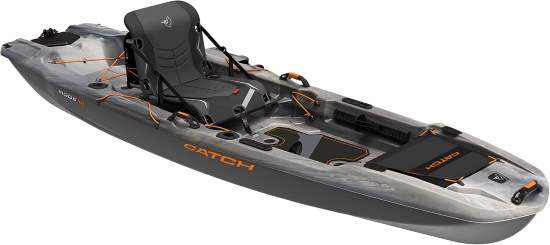
The Catch Mode 110 feels built around balance and deck space. The hull design sits wide in the water, which immediately gives bigger anglers a sense of security when stepping in or shifting weight while casting. Standing to fish feels realistic for many users because the deck remains steady even when leaning slightly.
The seating position sits higher than most entry level kayaks. That makes it easier for tall anglers to stand up and sit back down without awkward movement. The kayak handles small lakes, ponds, and calm rivers well. It tracks reasonably straight, though strong wind can push it more than heavier fishing kayaks.
Maintenance stays simple. Rinse after saltwater use and periodically check the molded storage wells for debris. Anglers who plan long distance paddling may find the wider hull slightly slower.
User Review
Marcus T.
I am six foot three and about 250 pounds. This kayak feels stable enough that I can stand and cast without worrying about tipping. It moves slower than some narrow kayaks, but the comfort and stability make it worth it during a full day of fishing.
Key Features
• Stability: Wide hull keeps balance steady while casting or reaching for gear.
• Seat Comfort: Raised seat position supports longer fishing sessions.
• Deck Space: Open platform allows easy gear placement and movement.
• Weight Capacity: Supports larger anglers without feeling overloaded.
• Storage Layout: Molded wells keep tackle boxes within reach.
• Tracking Control: Reasonable straight line movement for calm water.
• Durability: Thick plastic resists small impacts from rocks or docks.
• Maintenance: Simple rinse cleaning after each trip.
Pros and Cons
| Pros | Cons |
| Very stable standing platform | Slightly slower paddling speed |
| Comfortable elevated seat | Wide hull catches wind |
| Spacious deck layout | Not ideal for long paddles |
Pelican Seek 100XP Sit on Top Kayak
Compact recreational fishing setup
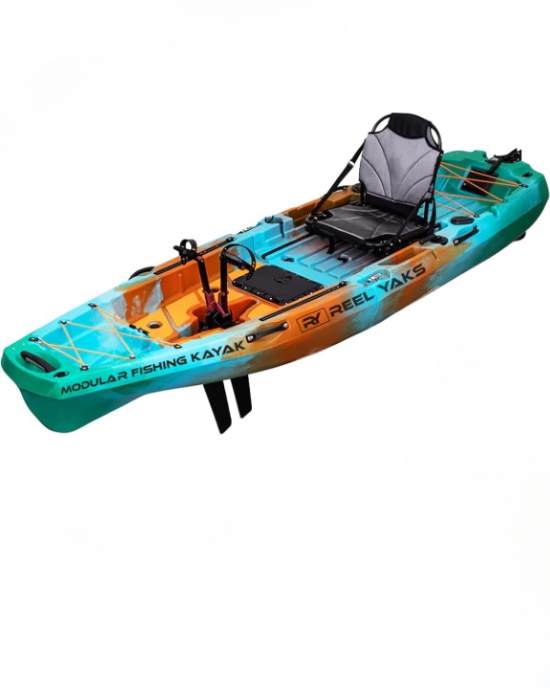
The Seek 100XP targets anglers who want something simple and manageable. It feels lighter and easier to transport than many fishing kayaks designed for larger users. Despite the compact size, the hull remains surprisingly stable during relaxed casting.
The seat system offers moderate support. Taller anglers may wish for a slightly higher backrest during longer trips, but for short outings it stays comfortable enough. The kayak performs well on calm lakes and slow rivers where portability matters more than speed.
Cleaning and storage remain straightforward because the design avoids complex components. Owners should occasionally inspect the scupper holes for debris buildup.
Anglers who carry heavy tackle loads may eventually outgrow the limited storage areas.
User Review
Daniel R.
I wanted something light enough to load onto my truck alone. This kayak feels stable for my size and works well on smaller lakes. I would not pack it with a lot of gear, but for simple fishing trips it works nicely.
Key Features
• Portability: Lighter weight makes transport manageable for solo users.
• Hull Balance: Stable enough for relaxed fishing movements.
• Simple Design: Fewer moving parts reduce maintenance effort.
• Comfort Level: Seat padding supports casual outings.
• Compact Size: Fits smaller storage spaces at home.
• Ease of Launch: Easy entry and exit at shorelines.
• Durability: Tough plastic handles moderate bumps.
• Drain System: Scupper holes keep deck water controlled.
Pros and Cons
| Pros | Cons |
| Lightweight and manageable design | Limited gear storage space |
| Good stability for size | Seat support fairly basic |
| Easy to transport alone | Not built for heavy loads |
Pelican Sentinel 100X Angler Sit on top Fishing Kayak
Lightweight entry level fishing kayak
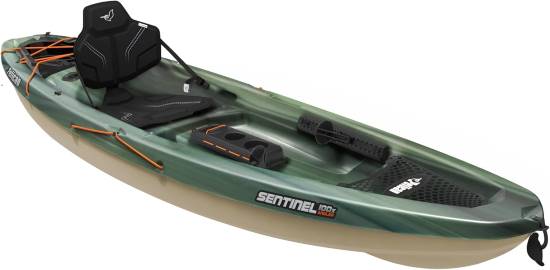
The Sentinel 100X focuses on simplicity. Anglers often choose it as a first fishing kayak because it remains easy to carry and store while still offering basic fishing features.
The Ergolounge seating system feels comfortable for moderate sessions. Taller anglers fit reasonably well because the foot brace system adjusts across several positions. Stability feels decent when sitting and casting, though standing fishing remains unrealistic.
This kayak performs best on calm water where short paddling distances remain the goal. Its lighter weight helps during transport but also means wind can push it slightly on open lakes.
Maintenance mainly involves checking the rod holders and rinsing the hull after muddy launches.
User Review
Kevin S.
This kayak works well for relaxed fishing after work. It is light enough that I can carry it to the water myself. I do wish it had more storage space, but the stability feels good while sitting.
Key Features
• Lightweight Build: Easier to move from vehicle to shoreline.
• Seat Support: Ergolounge design improves back comfort.
• Foot Bracing: Adjustable braces help taller anglers find balance.
• Rod Holders: Built in holders keep rods organized.
• Compact Frame: Convenient storage in small garages.
• Basic Stability: Comfortable seated casting experience.
• Material Strength: Plastic hull tolerates routine wear.
• Low Maintenance: Minimal hardware reduces upkeep.
Pros and Cons
| Pros | Cons |
| Easy to transport weight | Limited advanced fishing features |
| Comfortable seated position | Standing fishing not practical |
| Simple beginner friendly design | Storage space somewhat minimal |
Pelican Catch Classic Angler Fishing Kayak
Traditional fishing kayak layout
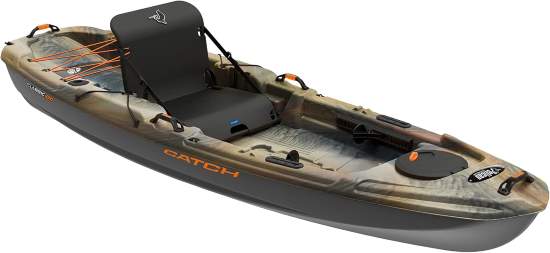
The Catch Classic Angler offers a familiar fishing platform that many anglers recognize. The hull design focuses on stability rather than speed, which benefits larger users who value balance.
The seating system supports longer sessions and sits slightly elevated above the deck. This helps reduce knee strain during long hours on the water. The kayak tracks steadily across calm lakes and moderate rivers.
Storage options remain practical with rear tank space for gear crates. Cleaning involves basic rinsing and occasional inspection of mounting points.
This model suits anglers who prefer simple paddle driven fishing rather than pedal systems.
User Review
Steven H.
I wanted a straightforward fishing kayak with enough room for my size. The stability feels solid and the seat stays comfortable even after several hours of fishing.
Key Features
• Hull Stability: Wide platform supports larger anglers.
• Seat Height: Raised seating reduces leg strain.
• Gear Storage: Rear tank area fits tackle crates.
• Tracking Ability: Reasonably steady paddling direction.
• Durability: Thick plastic resists scratches and bumps.
• Comfort: Supportive seat for longer outings.
• Open Deck: Easy movement around the cockpit area.
• Maintenance: Simple cleaning after use.
Pros and Cons
| Pros | Cons |
| Stable fishing friendly hull | Slower paddling performance |
| Comfortable seat design | Slightly heavier to transport |
| Good storage area layout | Basic paddle propulsion only |
Intex Excursion Pro K2 Inflatable Kayak Set
Portable two person inflatable fishing kayak
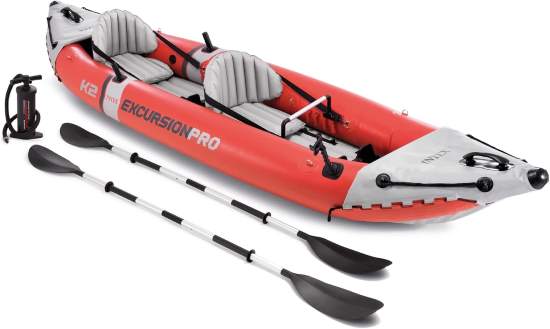
Inflatable kayaks often surprise anglers who expect fragile construction. The Excursion Pro K2 uses thick PVC material that feels sturdy once fully inflated. The floor becomes firm enough for seated casting and light gear placement.
This kayak works well for anglers who lack storage space for rigid boats. Deflating and packing it into a bag allows apartment storage or easy transport in a car trunk.
Weight capacity remains suitable for two average adults or one larger angler with gear. Inflation takes several minutes, and drying the kayak before storage helps prevent mildew.
Strong wind or heavy current can affect control more than rigid kayaks.
User Review
Anthony L.
I live in an apartment and cannot store a full kayak. This inflatable setup packs easily into my car. It feels stable once inflated and works great on calm lakes.
Key Features
• Portability: Packs into a storage bag for travel.
• Weight Capacity: Handles two anglers or larger solo user.
• Durable Material: Thick PVC resists punctures from normal use.
• Comfort Seats: Adjustable bucket seats support longer trips.
• Easy Transport: Fits inside small vehicles.
• Simple Storage: Deflates quickly after use.
• Fishing Utility: Rod holders allow relaxed casting.
• Maintenance: Drying after trips protects material.
Pros and Cons
| Pros | Cons |
| Extremely portable storage solution | Inflation requires extra time |
| Stable inflatable floor design | Wind affects tracking easily |
| Good weight capacity support | Requires drying before storage |
Pelican Seek 100XP Sit on Top Recreational Kayak
Balanced recreational paddling design
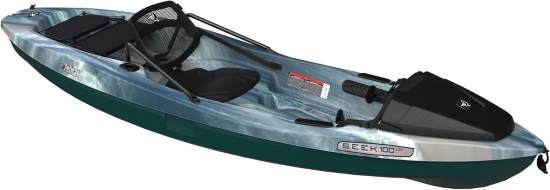
This version of the Seek 100XP leans slightly more toward recreational paddling than dedicated fishing. Still, anglers who prefer lightweight kayaks often adapt it easily.
The hull moves efficiently through calm water and handles moderate paddling distances better than wider fishing kayaks. Taller anglers appreciate the adjustable footrests that allow a more natural paddling position.
Fishing setups usually involve adding a crate or small tackle box behind the seat. The open rear storage area supports that approach.
Routine maintenance remains minimal because the design avoids complicated accessories.
User Review
Aaron P.
I use this kayak for both paddling and casual fishing. It moves faster than my previous fishing kayak and still feels stable enough while casting.
Key Features
• Efficient Hull Shape: Moves smoothly through calm water.
• Foot Adjustment: Multiple brace positions help taller users.
• Light Transport Weight: Easier rooftop loading.
• Open Rear Storage: Space for crates or gear bags.
• Stable Seating Area: Comfortable balance while casting.
• Durable Plastic: Handles moderate shoreline impacts.
• Versatility: Works for paddling and casual fishing.
• Low Maintenance: Few components require inspection.
Pros and Cons
| Pros | Cons |
| Good paddling efficiency | Not specialized for fishing |
| Lightweight manageable size | Limited rod holder setup |
| Adjustable foot brace system | Moderate gear capacity only |
Pelican Catch HDII Premium Angler Kayak
Pedal driven fishing platform
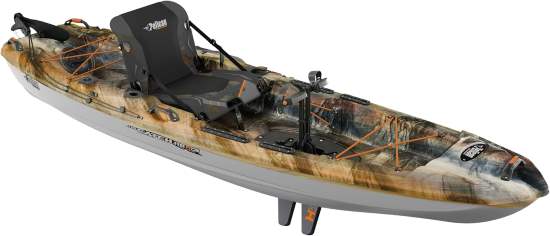
The Catch HDII introduces pedal propulsion through the HyDryve system. Instead of paddling constantly, anglers move the kayak using foot powered pedals. This allows hands free fishing while maintaining slow forward movement.
The kayak feels heavier than paddle models, but the stability and control stand out immediately. The seat system provides strong back support, which becomes important during longer fishing days.
Pedal drive systems require occasional inspection and rinsing after saltwater use. Debris caught in shallow areas may also require clearing from the propeller area.
This model suits anglers who spend many hours fishing and want more control over positioning.
User Review
Brian K.
The pedal system changed how I fish. I can adjust my position while casting without putting down the rod. The kayak feels stable even for my larger frame.
Key Features
• Pedal Propulsion: Hands free movement improves fishing control.
• Seat Comfort: Ergocast seat supports long fishing sessions.
• Hull Stability: Wide design balances standing and sitting.
• Gear Storage: Multiple compartments organize tackle.
• Control System: Pedals allow gradual speed adjustments.
• Durable Build: Thick plastic hull handles rough launches.
• Fishing Efficiency: Easier positioning near structure.
• Maintenance Access: Pedal drive removable for cleaning.
Pros and Cons
| Pros | Cons |
| Hands free propulsion system | Heavier overall kayak weight |
| Very stable fishing platform | Pedal system requires upkeep |
| Comfortable long session seat | Higher storage space needs |
Intex Explorer K2 Inflatable Kayak Set
Entry level inflatable recreational kayak
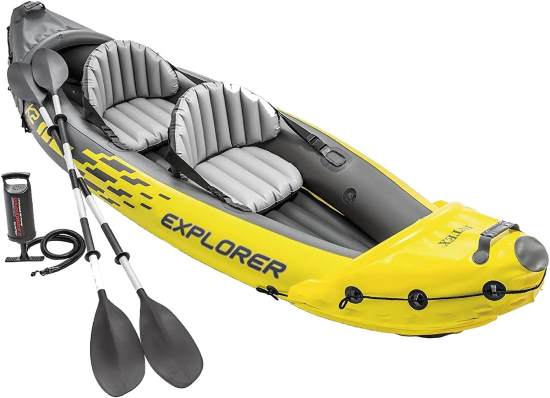
The Explorer K2 offers a simpler inflatable design compared with the Excursion Pro model. Many anglers use it occasionally for relaxed fishing trips where portability matters most.
The inflatable floor feels stable when fully pressurized, though it remains softer than rigid kayaks. Larger anglers may prefer using it solo rather than with a partner to maintain comfort and gear space.
Setup takes several minutes with the included pump. Cleaning and drying before storage helps extend material life.
Calm lakes and protected rivers suit this kayak best.
User Review
Chris D.
I use this kayak for occasional fishing and paddling trips. It packs easily into my car trunk and works well on quiet lakes.
Key Features
• Compact Storage: Deflates into a travel sized bag.
• Lightweight Material: Easy to carry to shoreline.
• Two Person Capacity: Flexible seating arrangement.
• Inflatable Floor: Provides moderate stability for fishing.
• Easy Transport: No roof rack required.
• Simple Setup: Pump system inflates quickly.
• Comfort Seats: Adjustable backrests improve posture.
• Low Cost Maintenance: Few parts require replacement.
Pros and Cons
| Pros | Cons |
| Very compact storage design | Less rigid than hard kayaks |
| Easy setup and transport | Limited fishing accessories |
| Suitable for calm water | Wind reduces paddling control |
Buying Guide
Choosing a kayak that fits larger anglers involves more than checking weight capacity. Stability, comfort, and durability influence how enjoyable the experience becomes over time.
What Actually Matters Before Choosing
Hull stability and balance
Hull shape strongly influences stability. Wider hulls with flatter bottoms create a steadier platform that allows anglers to shift their weight safely while casting or reaching for gear.
Many buyers assume weight capacity alone determines stability. In practice, hull width and waterline design matter just as much. A kayak rated for high capacity may still feel unstable if the hull remains narrow.
Over time, a stable hull improves confidence on the water and reduces fatigue from constant balancing.
Material quality and durability
Most rigid fishing kayaks use high density polyethylene plastic. This material resists impact from rocks, docks, and shallow launches.
Some buyers assume thicker plastic always means better durability. Thickness helps, but the molding process and structural design also affect long term strength. Reinforced seating areas and deck supports prevent sagging after years of use.
Durable construction reduces maintenance and extends the usable lifespan of the kayak.
Comfort and seating design
Large anglers often overlook seat ergonomics when comparing kayaks. Long fishing sessions place pressure on the lower back and hips.
Elevated seats with breathable fabric improve posture and circulation. Adjustable back support also helps taller anglers maintain comfort during extended outings.
Ignoring seat comfort often leads to fatigue long before the fishing day ends.
Maintenance and ownership effort
Some kayaks include pedal systems, accessory tracks, or removable drives. These components add convenience but require occasional inspection and cleaning.
Buyers sometimes focus only on performance while ignoring maintenance. Saltwater use in particular demands rinsing to prevent corrosion or debris buildup.
Simple designs often reduce long term maintenance work.
Environmental compatibility
Water conditions influence kayak choice more than many anglers realize. Calm ponds and small lakes allow wider and slower hull designs.
Larger lakes with wind or mild current benefit from slightly narrower hulls that track more efficiently. Inflatable kayaks work well for calm environments but struggle in strong wind.
Matching the kayak design to local water conditions improves overall usability.
Safety considerations
Safety features include grab handles, stable entry areas, and proper weight distribution. Larger anglers should pay close attention to cockpit space and balance.
Some buyers overlook how gear placement affects stability. Loading heavy tackle near the stern can shift balance and reduce control.
Understanding safe weight distribution prevents many common tipping issues.
Common Buyer Mistakes
Many buyers focus heavily on maximum weight ratings. While capacity matters, overall stability depends on hull design and waterline width. A high capacity kayak may still feel unstable if its hull remains narrow.
Another frequent mistake involves underestimating seat comfort. Buyers often test a kayak briefly and assume the seat will remain comfortable for hours. In practice, poor back support quickly causes fatigue.
Some anglers purchase the smallest kayak possible to simplify transport. While portability matters, cramped legroom becomes frustrating for taller users during longer trips.
Buyers also underestimate storage needs. Tackle boxes, safety gear, and personal items require space. Limited storage often forces awkward gear placement that affects balance.
Inflatable kayaks attract buyers who expect the same rigidity as hard shell models. They perform well in calm conditions but respond differently to wind and current.
Finally, many anglers ignore maintenance requirements. Pedal systems, accessory mounts, and moving components require occasional care.
How to Match Products to Specific Needs
Casual anglers
Occasional anglers usually prioritize simplicity and portability. Lightweight paddle kayaks or inflatable models work well because they store easily and require minimal setup.
These users rarely carry large gear loads, so compact designs remain practical.
Frequent fishing enthusiasts
Anglers who fish weekly benefit from stable hulls with supportive seating. Wider kayaks and pedal drive systems improve comfort and reduce fatigue during longer sessions.
Extra storage areas also become valuable for tackle organization.
Limited storage environments
Apartment living or small garages often limit kayak storage. Inflatable kayaks provide a realistic solution because they pack into travel bags.
Transport also becomes easier without roof racks or trailers.
Budget focused durability seekers
Some buyers prioritize long term value over advanced features. Durable plastic kayaks with simple paddle propulsion typically require less maintenance and remain reliable for many years.
These designs balance cost, durability, and usability.
Experienced anglers
Advanced anglers often seek better control and positioning while fishing. Pedal driven kayaks allow hands free movement and precise positioning near structure or shoreline.
The additional complexity suits users comfortable with occasional maintenance.
Related:
Catch More Fish: Your Ultimate Guide to a Fishing Kayak with Motor
Backwater Kayak Fishing for Snook in Southwest Florida’s Mangroves
Conclusion
Fishing kayaks designed for larger anglers focus on stability, supportive seating, and practical deck space. The right kayak depends on how often you fish, where you paddle, and how much gear you typically carry.
Some anglers value portability and simplicity, while others prefer advanced features such as pedal propulsion or expanded storage. Understanding these differences helps narrow the options quickly.
Evaluate hull stability, comfort, and maintenance needs before making a decision. With the right match, kayak fishing becomes far more comfortable and enjoyable.
FAQs
What weight capacity should big anglers look for in a fishing kayak
Most larger anglers feel comfortable with kayaks rated around 350 pounds or higher.
Are inflatable kayaks safe for fishing
Inflatable kayaks work well for calm water fishing when properly inflated and maintained.
Can big anglers stand while fishing in a kayak
Standing works best in wide and stable fishing kayaks designed specifically for that purpose.
Do pedal kayaks require more maintenance
Yes, pedal systems need periodic cleaning and inspection to keep them working smoothly.
Are wider kayaks harder to paddle
Wider kayaks often move slightly slower but provide much better stability.