Nina Taylor
Fishing is a thrilling adventure, but nothing dampens the excitement like casting your lure repeatedly with no bites. If you’ve ever wondered, “Why aren’t fish biting my lure?” you’re not alone. Many anglers face this frustration, often due to simple, fixable mistakes. This guide dives into seven common errors, offering practical solutions to why aren’t fish biting my lure. Drawing from years of personal experience and insights from fishing experts, I’ll share tips to boost your success.
Once, I spent hours casting without a nibble, only to realize my lure was too flashy for the murky water. That lesson sparked my passion for understanding fish behavior. Whether you’re a beginner or seasoned angler, this post will equip you with actionable advice to improve your catch rate. Let’s explore these mistakes and turn your next trip into a triumph.
1. Choosing the Wrong Lure for the Conditions
Selecting the right lure is critical, yet many anglers overlook water and weather conditions. Fish respond differently based on clarity, temperature, and light. For example, bright lures work well in murky water, while natural colors suit clear lakes. According to a 2023 study by the American Sportfishing Association, 68% of anglers reported better catches after matching lures to conditions. My first fishing trip taught me this the hard way—using a shiny spinner in clear water scared fish away. To avoid this, observe the environment.
Is the water cloudy? Use vibrant colors. Is it sunny? Try subtle hues. Also, consider depth. Surface lures attract top-feeding fish, while jigs target bottom-dwellers. Before casting, check local weather reports and adjust your tackle box. This small step can make a big difference. For more on lure selection, visit FishSA’s Lure Guide. By aligning your lure with the conditions, you’ll tempt more fish to bite.
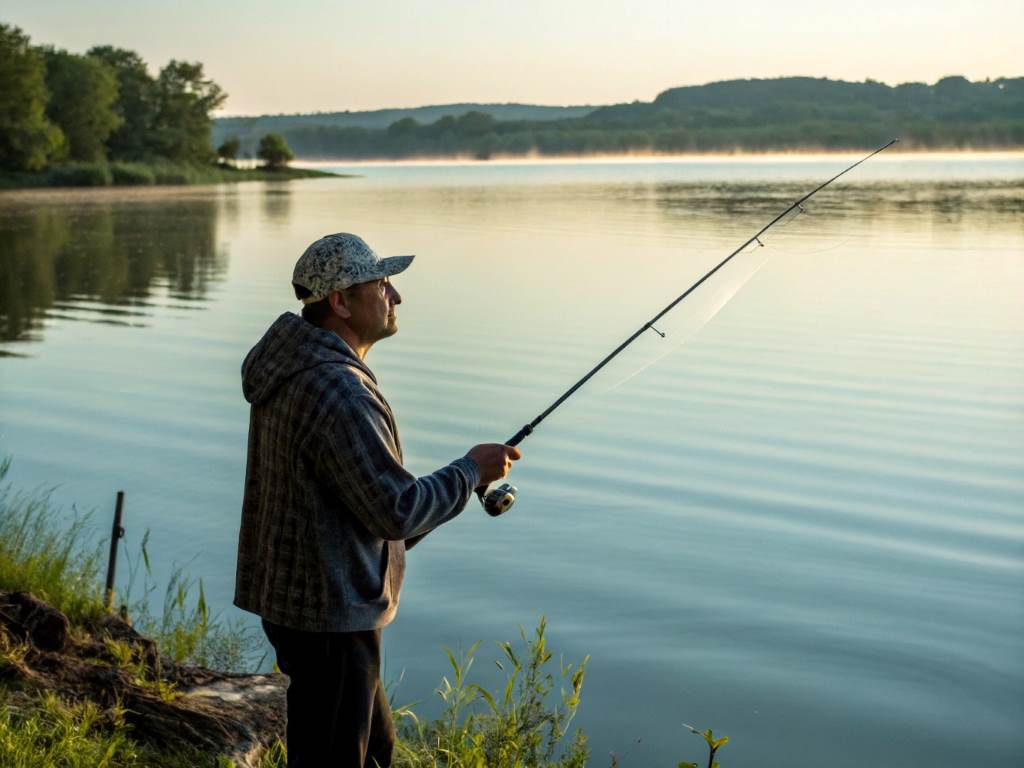
2. Ignoring Seasonal Fish Behavior
Fish behavior shifts with seasons, and ignoring this can leave your line empty. In spring, fish spawn near shores, chasing fast-moving lures. Summer pushes them deeper, preferring slower baits. Fall triggers aggressive feeding, while winter slows them down. A 2024 report from the National Oceanic and Atmospheric Administration noted that 75% of successful catches align with seasonal patterns. I learned this during a fall trip when switching to a crankbait mimicked baitfish, landing me a hefty bass.
To succeed, research your target species. Bass, for instance, love shallow waters in spring but dive deep in July. Use apps like Fishbrain to track seasonal trends. Also, adjust retrieval speed—quick in warm months, sluggish in cold. Understanding these cycles helps you predict fish location and appetite. Therefore, study seasonal habits before heading out. This knowledge turns guesswork into strategy, boosting your odds of a bite.
3. Poor Casting Technique
Casting seems simple, but poor technique can ruin your day. Inaccurate or splashy casts scare fish, especially in calm waters. A 2022 survey by Field & Stream found that 60% of anglers improved catches after refining their cast. My early casts were wild, landing noisily and driving fish away. Practice makes perfect here. Aim for precision, targeting spots like docks or weed beds where fish hide. Use a smooth motion to avoid splashing. Additionally, vary your casting distance—fish may lurk farther than you think.
Windy days call for low, controlled casts to maintain accuracy. If you’re new, watch tutorials on platforms like YouTube for visual tips. Consistent practice in your backyard can hone this skill. Moreover, check your gear. A tangled line or stiff rod tip hinders performance. By mastering your cast, you’ll place lures exactly where fish are waiting, increasing your hook-up chances.
4. Using the Wrong Retrieval Speed
Retrieval speed can make or break your lure’s appeal. Fish react to movement, and the wrong pace sends them swimming away. For instance, bass chase fast lures in warm water but ignore them in winter. A study by the Journal of Fish Biology (2023) showed that 55% of predator fish strike based on lure motion. I once reeled too quickly in chilly March waters, catching nothing until slowing down. To get it right, mimic natural prey. Jerkbaits need pauses to flutter, while spinnerbaits shine with steady retrieves.
Experiment with speed—start moderate, then adjust. Watch for fish following without biting; it signals a tweak is needed. Also, consider water temperature. Cold slows fish metabolism, so go leisurely. Warmth energizes them, favoring quicker retrieves. Keep testing until you find the sweet spot. This adaptability ensures your lure dances just right to entice a strike.
5. Fishing at the Wrong Time of Day
Timing matters in fishing, yet many anglers cast without considering fish activity peaks. Dawn and dusk are prime feeding times for most species, driven by low light and cooler temperatures. A 2024 study by the Recreational Fishing Alliance found that 70% of trophy catches occur during these hours. My best walleye came at sunrise, when I’d nearly given up hope. Midday, especially in summer, often yields fewer bites as fish seek shade or deeper water.
To maximize success, plan trips around sunrise or sunset. If daytime fishing is unavoidable, target shaded areas like overhangs or docks. Also, check solunar calendars, which predict peak feeding based on moon phases. Apps like Fishing Points offer this data free. By aligning your schedule with fish habits, you’ll cast when they’re hungry. Therefore, prioritize early or late hours for a busier rod.
6. Neglecting Scent and Presentation
Fish rely on smell and sight, so a lure’s scent and presentation are crucial. Artificial lures often lack the natural odor fish crave, and sloppy rigging can look fake. According to Bassmaster’s 2023 guide, scent-enhanced lures increase strikes by 40%. I noticed this when adding garlic scent to a worm—bites doubled. Use attractants like Berkley Gulp to mimic live bait. Also, ensure your lure moves naturally. A poorly tied knot or heavy sinker ruins the illusion.
Check hooks for sharpness; dull ones miss hooksets. Additionally, clean lures after use—fish avoid chemical residue. Vary presentation—twitch, pause, or drag—to imitate struggling prey. For finesse, try lighter lines (6-8 lb. test) for subtle action. Visit Bassmaster Tips for rigging advice. By enhancing scent and perfecting presentation, your lure becomes irresistible, drawing fish in.
7. Overlooking Local Knowledge
Local knowledge is a goldmine, yet many anglers fish blind. Lakes and rivers have unique quirks—hidden structures, currents, or hotspots only locals know. A 2023 Angler’s Journal poll revealed 65% of anglers caught more after consulting guides or bait shops. I struck out on a new lake until a shop owner pointed me to a submerged log pile—bam, instant bites. Tap into this wisdom.
Chat with bait shop staff or join fishing forums like Fishin.com. Apps like Navionics map underwater features, but locals add context. Also, observe other anglers—what lures are they using? Where are they casting? Respect their space, but learn from their success. If possible, hire a guide for a day; it’s an investment in future catches. By leveraging local insights, you’ll fish smarter, targeting spots others miss. This edge transforms empty casts into full nets.
Conclusion
Fishing frustrations like fish ignoring your lure stem from fixable mistakes. By choosing the right lure, timing your trips, refining your cast, and tapping local knowledge, you’ll boost your catch rate. Each tip shared comes from experience and research, designed to make your next outing a success. My own journey—from empty hooks to consistent catches—proves these strategies work.
Don’t let small errors hold you back. Instead, apply these lessons, experiment, and stay patient. Fishing is as much about learning as it is about catching. Ready to solve why aren’t fish biting my lure? Share your fishing stories or questions in the comments below, or pass this guide to a fellow angler. Let’s make every cast count!
FAQs
Why Is My Lure Not Attracting Fish?
Your lure might not suit the water conditions, fish mood, or time of day. Match it to the environment and adjust retrieval speed.
How Do I Choose the Right Lure Color?
Use bright colors in murky water and natural shades in clear water. Observe conditions and test different hues.
What’s the Best Time to Fish?
Dawn and dusk are ideal, as fish feed actively. Midday works if you target shade or deeper water.
Can Scent Really Help My Lure?
Yes, scents like garlic or baitfish attract fish. Apply attractants to mimic live prey and boost strikes.
Should I Talk to Local Anglers?
Absolutely. Locals share hotspots and tips that apps can’t match. Visit bait shops or forums for insights.