Nina Taylor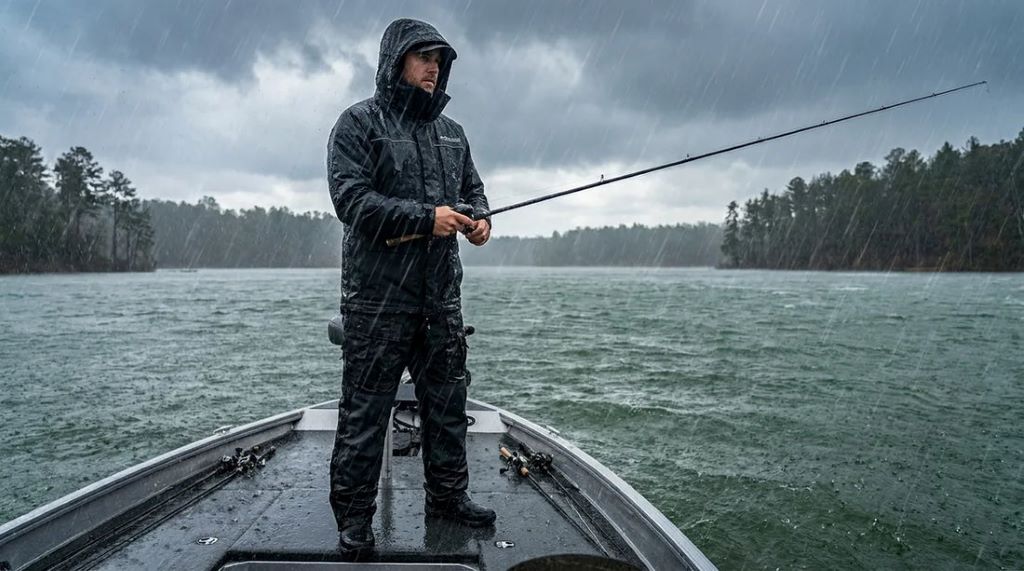
Fishing is a passion that often requires enduring the elements, and rain is one of the most common challenges anglers face. Wet conditions can turn a pleasant fishing trip into a miserable experience, leading to discomfort, cold, and even health issues. According to a survey by Take Me Fishing, over 60% of anglers have cut their trips short due to unexpected rain, highlighting the need for proper rain gear.
I remember a particularly rainy day on the lake when I was caught unprepared. My clothes were soaked within minutes, and I spent the rest of the trip shivering and struggling to focus on fishing. That experience taught me the importance of investing in a high-quality rain suit to stay dry and comfortable, no matter the weather.
Why a Waterproof Rain Suit Is Essential for Fishing
A waterproof rain suit is not just about staying dry—it’s about maintaining your comfort, focus, and safety on the water. When you’re soaked, your body loses heat rapidly, which can lead to hypothermia in extreme cases. According to the National Weather Service, hypothermia can set in even at temperatures as high as 50°F if you’re wet and exposed to wind. A good rain suit acts as a barrier against rain, wind, and cold, keeping your body temperature stable.
For anglers, staying dry also means staying productive. Wet clothes can be distracting and uncomfortable, making it harder to concentrate on fishing. A waterproof rain suit fishing allows you to focus on what matters most—catching fish—without worrying about the weather. Additionally, rain suits protect your fishing gear from water damage, ensuring your equipment remains in good condition for longer.
Moreover, a rain suit can enhance your visibility on the water. Many rain suits come in bright colors or with reflective strips, making it easier for other boaters to spot you in low-light or foggy conditions. This added safety feature is especially important for anglers fishing in busy or remote areas.
Types of Waterproof Rain Suits for Fishing
When it comes to rain suits for fishing, there are several types to consider, each designed to meet different needs and preferences. The most common types include one-piece suits, two-piece suits, and bib-and-brace styles.
One-piece rain suits are popular for their simplicity and full-body coverage. They are easy to put on and take off, making them a convenient choice for quick weather changes. However, they can be less versatile than two-piece suits, as they don’t allow you to remove layers if the weather warms up.
Two-piece rain suits consist of a jacket and pants, offering more flexibility. You can wear the jacket alone if it’s only drizzling or put on the full suit for heavier rain. This modular approach allows you to adapt to changing weather conditions without carrying extra gear. Two-piece suits are also easier to customize for fit and comfort.
Bib-and-brace rain suits are another excellent option, especially for anglers who need extra protection for their lower body. These suits feature a bib-style top that covers your chest and back, paired with pants that extend over your boots. This design provides superior coverage and keeps water from seeping in at the waist, making it ideal for fishing in heavy rain or rough conditions.
Key Features to Look for in a Fishing Rain Suit
Choosing the right rain suit involves considering several key features to ensure maximum comfort and protection. First, look for a suit made from high-quality, waterproof material. Common materials include PVC, polyurethane, and Gore-Tex. PVC is durable and affordable but can be less breathable. Polyurethane and Gore-Tex, on the other hand, offer excellent waterproofing while allowing moisture to escape, keeping you dry from both the outside and inside.
Sealed seams are another critical feature. Even the best waterproof material won’t keep you dry if water can seep through the stitching. Look for suits with taped or welded seams to ensure complete waterproofing. Additionally, consider the suit’s breathability. Fishing can be a physically demanding activity, and a suit that doesn’t breathe can leave you feeling clammy and uncomfortable.
Adjustable cuffs, hems, and hoods are also important for a customizable fit. These features allow you to seal out water and wind, ensuring no gaps where moisture can enter. Lastly, consider the suit’s durability. Fishing can be rough on gear, so look for a rain suit made from tough, abrasion-resistant material that can withstand the rigors of the sport.
How to Choose the Right Rain Suit for Your Fishing Style
Your fishing style and the conditions you typically encounter should guide your choice of rain suit. If you fish in a region with frequent but light rain, a lightweight, breathable suit may be sufficient. However, if you often face heavy downpours or rough seas, a heavier-duty suit with reinforced seams and durable material is a better choice.
Consider the type of fishing you do most often. For example, if you’re a fly fisherman, you’ll want a suit that allows for a full range of motion, as casting requires a lot of arm movement. Look for suits with articulated sleeves and a flexible design. If you fish from a boat, a bib-and-brace suit may be ideal, as it provides extra protection against splashing water.
Additionally, think about the temperature range you’ll be fishing in. If you fish in colder climates, look for a rain suit with insulation or layering options to keep you warm. For warmer climates, prioritize breathability to prevent overheating. Some rain suits come with removable liners, allowing you to adapt to changing temperatures.

How to Layer Under Your Rain Suit for Maximum Comfort
Layering is key to staying comfortable in a rain suit, as it allows you to adjust your clothing to match the weather conditions. Start with a moisture-wicking base layer to keep sweat away from your skin. Materials like merino wool or synthetic fabrics are excellent choices for this purpose. Avoid cotton, as it retains moisture and can leave you feeling damp and cold.
Next, add an insulating layer to retain body heat. Fleece or down jackets are great options for colder weather, while a lightweight sweater may be sufficient for milder conditions. The goal is to trap heat close to your body while still allowing moisture to escape.
Finally, your rain suit serves as the outer layer, protecting you from wind and rain. Make sure your rain suit is roomy enough to accommodate your layers without restricting movement. If your suit has a hood, ensure it fits snugly over your head and can be adjusted to keep rain out of your face. Additionally, consider wearing waterproof gloves and boots to complete your protection against the elements.
Common Mistakes to Avoid with Fishing Rain Suits
While a rain suit can be a game-changer for staying dry, there are some common mistakes anglers make when choosing and using them. One of the biggest mistakes is selecting a suit that doesn’t fit properly. A suit that is too tight can restrict movement and make fishing uncomfortable, while a suit that is too loose can allow water to seep in. Always try on your rain suit before purchasing to ensure a good fit.
Another mistake is neglecting to maintain your rain suit. Over time, dirt, salt, and grime can build up on the material, reducing its waterproofing capabilities. Regularly clean your suit with mild soap and water, and reapply waterproofing treatments as needed. Additionally, store your suit in a dry, well-ventilated area to prevent mold and mildew.
Lastly, some anglers make the mistake of not layering properly under their rain suit. Wearing too many layers can cause you to overheat, while too few can leave you cold and uncomfortable. Experiment with different layering combinations to find what works best for your fishing conditions.
The Role of Rain Suits in Different Fishing Environments
Different fishing environments present unique challenges, and your rain suit should be chosen accordingly. For freshwater fishing in lakes or rivers, a lightweight, breathable suit may be sufficient, as the conditions are generally less extreme. However, if you’re fishing in the ocean or in areas with strong winds and heavy rain, a heavier-duty suit with reinforced seams and durable material is essential.
For ice fishing, where temperatures can drop well below freezing, a rain suit with insulation or layering options is a must. Look for suits designed for cold weather, with features like thermal liners and windproof materials. Additionally, consider a suit with a high collar or face mask to protect against wind and snow.
In tropical or warm climates, breathability is key. Look for a rain suit made from lightweight, breathable material that allows moisture to escape. Some suits are designed specifically for warm weather, with features like mesh linings or ventilation zippers to keep you cool.
Personal Experience: How a Rain Suit Saved My Fishing Trip
A few years ago, I planned a week-long fishing trip to a remote lake known for its unpredictable weather. On the second day, a storm rolled in, and the rain came down in sheets. Without a proper rain suit, I was soaked within minutes. My clothes were heavy, my hands were numb, and I was ready to call it quits. That’s when a fellow angler lent me his spare rain suit.
The difference was night and day. With the rain suit on, I stayed dry and warm, allowing me to continue fishing despite the downpour. Not only did I catch some of the biggest fish of my trip that day, but I also realized how much a good rain suit could enhance my fishing experience. Since then, I’ve invested in a high-quality rain suit and never leave home without it.
Conclusion
A waterproof rain suit is an essential piece of gear for any angler who wants to stay dry, comfortable, and focused on the water. By choosing the right suit for your fishing style and conditions, you can enjoy your time on the water regardless of the weather. Whether you opt for a one-piece, two-piece, or bib-and-brace suit, the key is to prioritize waterproofing, breathability, and durability.
Remember, fishing is about enjoying the great outdoors, and a good rain suit allows you to do just that, no matter what Mother Nature throws your way. So, invest in a quality rain suit and make every fishing trip a comfortable and successful one.
Have you had an experience where a rain suit made a difference on your fishing trip? Share your stories or tips in the comments below! And if you found this article helpful, don’t forget to share it with your fellow anglers.
FAQs
What is a waterproof rain suit for fishing?
A waterproof rain suit for fishing is a specialized piece of gear designed to keep anglers dry and comfortable in wet conditions. It typically consists of a jacket and pants made from waterproof materials with sealed seams to prevent water from seeping in.
How do I choose the right rain suit for fishing?
Consider the type of fishing you do, the weather conditions you typically encounter, and the features that matter most to you, such as breathability, durability, and fit. Look for a suit made from high-quality, waterproof material with sealed seams and adjustable cuffs and hoods.
What materials are best for a fishing rain suit?
Common materials for fishing rain suits include PVC, polyurethane, and Gore-Tex. PVC is durable and affordable but less breathable, while polyurethane and Gore-Tex offer excellent waterproofing and breathability.
How do I maintain my fishing rain suit?
Regularly clean your rain suit with mild soap and water to remove dirt, salt, and grime. Reapply waterproofing treatments as needed, and store your suit in a dry, well-ventilated area to prevent mold and mildew.
Can I wear a rain suit in warm weather?
Yes, but prioritize breathability to prevent overheating. Look for a rain suit made from lightweight, breathable material with features like mesh linings or ventilation zippers to keep you cool in warm conditions.