Nina Taylor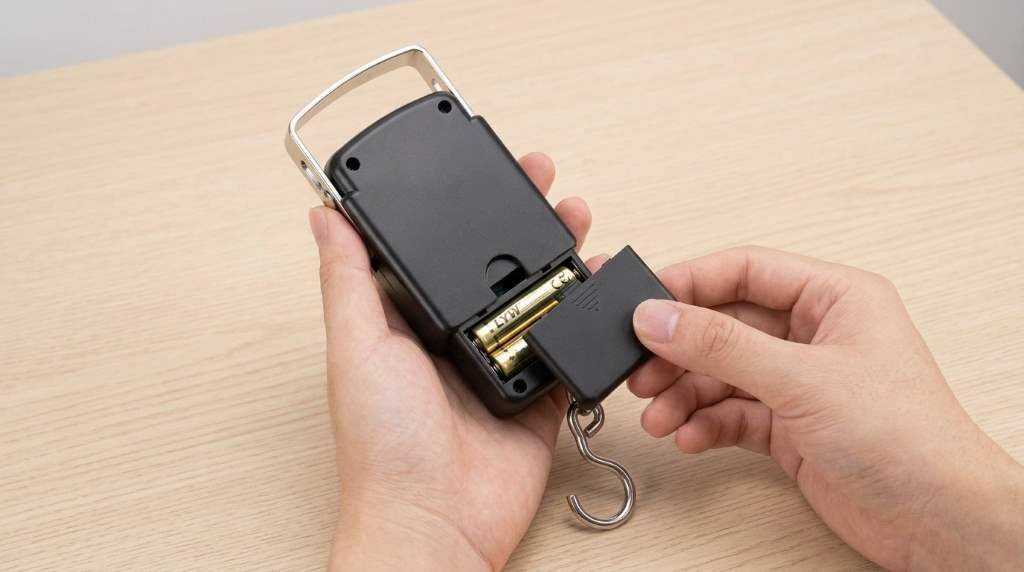
To use a DR Meter fishing scale correctly, install fresh batteries, select your unit, zero the scale, and attach the fish securely. Then hold the scale steady until the reading stabilizes, and record the displayed weight. Current DR.METER models can measure up to 110 pounds and store up to nine readings, making careful handling especially useful for repeated catches.
Fishing scales often give inconsistent results when anglers skip zeroing, lift the fish unevenly, or overload the hook. Therefore, learning the correct weighing sequence helps you get cleaner readings while reducing stress on your catch. This guide explains how to use the DR Meter Fishing Scale correctly, including setup, weighing, tare use, memory functions, troubleshooting, and care.
Key Takeaways
- Check the batteries and hook before every fishing trip.
- Select pounds, kilograms, or ounces before weighing your catch.
- Zero the scale before attaching the fish or weighing container.
- Keep the scale vertical and hold it steady during measurement.
- Stay below the scale’s rated capacity to protect its sensor.
- Use memory functions when comparing several catches.
Prepare the Scale Before Weighing
Proper preparation creates the foundation for an accurate fishing scale reading. Before attaching any fish, inspect the hook, handle, display, and battery compartment for obvious problems.
Check the Batteries
Start by confirming that the batteries have enough power for the trip. A weak battery can cause display problems or inconsistent operation, so replace old batteries before important measurements.
Install the batteries according to the polarity marks inside the compartment. Afterward, close the cover securely and turn the scale on before approaching your catch.
Inspect the Hook and Handle
Next, examine the stainless steel hook for bending, corrosion, or damage. Also check the handle because a loose or damaged grip can make controlled weighing difficult.
Remove dirt, fishing line, and debris from the hook before use. In addition, make sure nothing touches the hook while you perform the zeroing process.
Confirm the Weight Unit
Set the display to your preferred measurement unit before lifting the fish. Most compatible DR.METER fishing scales support pounds, kilograms, and ounces.
For routine fishing records, pounds often provide convenient readings for anglers. However, kilograms or ounces may work better when your fishing rules require those measurements.
Zero the Scale Before Adding Weight
Zeroing removes unwanted weight from the measurement and gives the sensor a clean starting point. Always complete this step before attaching your fish directly to the hook.
Zero an Empty Hook
Turn on the scale and wait for the display to settle. The screen should show zero before you attach anything to the hook.
If the display does not return to zero, activate the tare or zero function. Then wait briefly and confirm that the display shows the correct starting value.
Use Tare With a Weighing Container
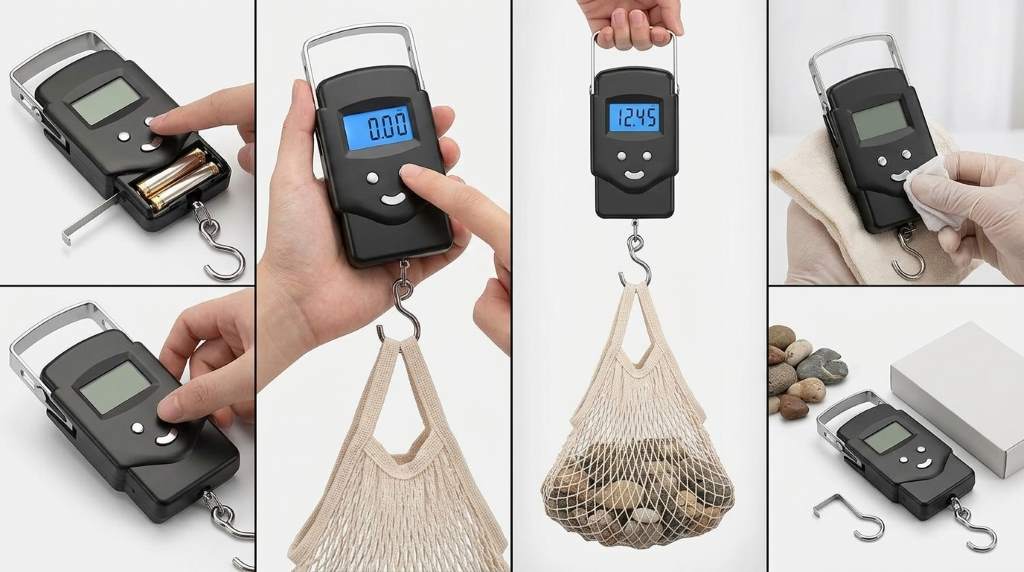
A container can protect smaller fish while making weighing easier. Hang the empty container from the hook, allow the scale to settle, and activate tare.
Once the display returns to zero, place the fish inside the container. The scale then measures the fish rather than adding the container’s weight.
Attach the Fish Safely and Correctly
The attachment method affects both accuracy and fish welfare. Use a suitable weighing sling, lip gripper, or container when the situation requires extra support.
For Direct Hook Weighing
Open the fish’s mouth carefully and position the hook where your equipment instructions allow. Avoid forcing the hook through sensitive tissue simply to obtain a measurement.
Lift the fish gradually rather than jerking the handle upward. A smooth lift keeps the sensor under a consistent load and reduces sudden movement.
For a Container or Sling
Use a container or sling when direct hook weighing could injure the fish. First, tare the empty setup so the display starts from zero.
Place the fish inside gently and keep the container centered below the scale. Then lift slowly until the fish hangs freely without touching surrounding surfaces.
Hold the Scale in the Correct Position
Keep the scale as vertical as possible during measurement. A vertical position lets the hook carry the load directly and reduces unnecessary side forces.
Grip the handle firmly while keeping your wrist stable. Meanwhile, keep your other hand ready to support the fish when safety and local fishing rules require it.
Wait for a Stable Reading
Do not record the first number that appears on the display. Instead, wait until the fish stops swinging and the measurement stabilizes.
Many digital fishing scales lock or stabilize a reading automatically. Even so, maintain a steady position until you can clearly read the displayed value.
Record the Weight Without Creating Errors
Once the reading stabilizes, note the displayed weight immediately. Recording the unit alongside the number prevents confusion when you compare catches later.
For example, write 18.4 lb rather than recording only 18.4. This simple habit becomes important when your fishing records include several measurement systems.
Use Memory for Multiple Catches
Compatible DR.METER models can store recent measurements in their memory. Use this feature when you weigh several catches during one outing.
Save each stable reading after completing the measurement. Later, review the stored values instead of relying on handwritten notes or memory.
Use Maximum and Summation Functions Carefully
Some models can compare stored measurements and identify the largest recorded value. Other functions can add selected stored measurements together.
These features help when you track several catches during a session. However, check that every stored value belongs to the same unit before comparing or adding measurements.
How to Get More Consistent Readings
Consistent technique matters more than repeatedly weighing the same fish. Therefore, use the same attachment method, unit, and handling position whenever you compare catches.
Keep the Load Centered
Let the fish or container hang directly below the scale. Avoid allowing the load to swing sideways against the handle or surrounding equipment.
If the fish keeps moving, pause briefly and let the display settle. A calm reading gives you a more useful measurement than a rushed number.
Avoid Overloading the Scale
Check your model’s maximum capacity before weighing large catches. For example, the FS01 model supports measurements up to 110 pounds.
Never test an unknown heavy load simply to see whether the scale can handle it. Overloading can damage the sensor and compromise future measurements.
Check the Scale With a Known Weight
You can periodically test the scale with a known weight to identify obvious measurement drift. Use a secure, stable test weight that remains comfortably below the rated capacity.
Compare the displayed result with the known value under the same conditions. If readings remain substantially inconsistent, inspect the batteries, hook, and weighing technique before assuming sensor failure.
Common DR Meter Fishing Scale Mistakes
Several simple mistakes can make a good digital scale appear inaccurate. Fortunately, most problems come from setup or handling rather than complicated technical faults.
- Skipping the zeroing step before weighing.
- Using the wrong measurement unit.
- Allowing the fish to swing during measurement.
- Holding the scale at an angle.
- Touching the fish or container against another object.
- Exceeding the scale’s rated capacity.
- Using batteries that have insufficient power.
- Recording numbers without their measurement units.
Correct these issues one at a time when a reading looks unusual. Then repeat the measurement using the same controlled procedure.
How to Use the Scale Around Water
Fishing creates a wet environment, so moisture management matters even with water resistant equipment. Keep unnecessary water away from the battery compartment, display openings, and electrical connections.
If your model has a waterproof or water resistant rating, follow that rating rather than assuming unlimited water exposure. After fishing, wipe the scale clean and let it dry before long term storage.
Rinse After Saltwater Fishing
Saltwater can leave deposits on metal parts and fishing equipment. Therefore, clean the hook and exterior after saltwater trips using an appropriate gentle cleaning method.
Dry the equipment thoroughly before storing it. Also inspect the hook for early corrosion because damaged metal can affect safe handling.
Care for the Scale After Each Trip
Good maintenance protects the sensor, hook, display, and battery compartment. A short cleaning routine can prevent small problems from becoming expensive equipment failures.
- Wipe away dirt, slime, and salt residue after use.
- Dry the exterior before placing the scale in storage.
- Keep the hook free from tangled fishing line.
- Store the scale somewhere dry and protected.
- Remove batteries before extended storage when appropriate.
- Inspect the equipment before your next fishing trip.
Avoid dropping the scale onto hard surfaces because impact can affect internal components. Likewise, never use harsh chemicals that could damage plastic, seals, or the display.
What to Do When the Reading Looks Wrong
Start troubleshooting with the simplest possible causes. Turn the scale off, check the batteries, inspect the hook, and restart the weighing process.
Next, confirm the unit and zero setting. Then repeat the measurement with the load hanging freely and the scale held vertically.
When the Display Does Not Zero
Remove everything from the hook and activate the zero or tare function. If the display still fails to return to zero, replace the batteries and inspect the hook.
Persistent zero problems can indicate a mechanical or sensor issue. In that situation, stop using the scale for important measurements until you resolve the problem.
When the Weight Keeps Changing
First, check whether the fish or container continues to swing. Even small movements can make a digital scale display changing values.
Keep the load suspended without touching nearby objects. If movement stops but the display remains unstable, repeat the battery and equipment checks.
A Simple Weighing Routine to Follow
Experienced anglers can make the entire process quick by following the same sequence every time. Consistency reduces mistakes when conditions become busy on the water.
- Inspect the scale, hook, handle, and batteries.
- Turn the scale on and select the required unit.
- Zero the empty hook or tare the empty container.
- Attach the fish using a suitable weighing method.
- Lift smoothly and keep the scale vertical.
- Wait until the reading becomes stable.
- Record the weight with its unit.
- Save the reading when memory tracking helps.
- Remove the fish carefully and clean the equipment.
This routine also creates better records across multiple fishing trips. More importantly, it separates equipment handling from rushed catch handling.
How Weight and Length Records Work Together
Weight alone provides useful information, but length adds valuable context. If your scale includes a measuring tape, measure the fish after securing the weight record.
Record both measurements using consistent units. This approach makes your personal catch log more useful for comparing fish from different trips.
| Measurement | Best Practice | Why It Matters |
|---|---|---|
| Weight | Wait for a stable display | Reduces movement related reading errors |
| Length | Use the built in tape correctly | Creates a second useful catch measurement |
| Unit | Keep one system for your records | Makes comparisons easier |
| Memory | Save stable readings | Helps track multiple catches |
When a DR Meter Fishing Scale Makes Sense
A handheld digital scale works well when portability matters during fishing trips. It also helps anglers record catch weights without carrying a larger platform scale.
However, the scale cannot replace careful fish handling. Use the lightest practical weighing method and minimize the time your catch remains out of the water.
Frequently Asked Questions
How do I zero a DR Meter fishing scale?
Turn the scale on, remove the load, and activate the zero or tare function until the display returns to zero.
What units does a DR Meter fishing scale use?
Compatible models commonly provide pounds, kilograms, and ounces through the unit selection function.
Why does my DR Meter fishing scale show changing numbers?
The reading can change when the fish swings, touches another object, or the scale lacks stable support.
Can I use a container with a DR Meter fishing scale?
Yes, place the empty container on the hook first and use the tare function before adding the fish.
How should I clean a DR Meter fishing scale?
Wipe the exterior and hook gently after use, then dry the scale before storing it in a protected location.
Final Thoughts
Using a DR Meter fishing scale correctly comes down to preparation, zeroing, controlled lifting, and careful recording. A consistent routine helps you avoid common weighing errors and keeps your equipment dependable.
Before your next fishing trip, test the scale, confirm the unit, and practice the zeroing sequence. Then use the same method for every catch and maintain your records consistently.