Nina Taylor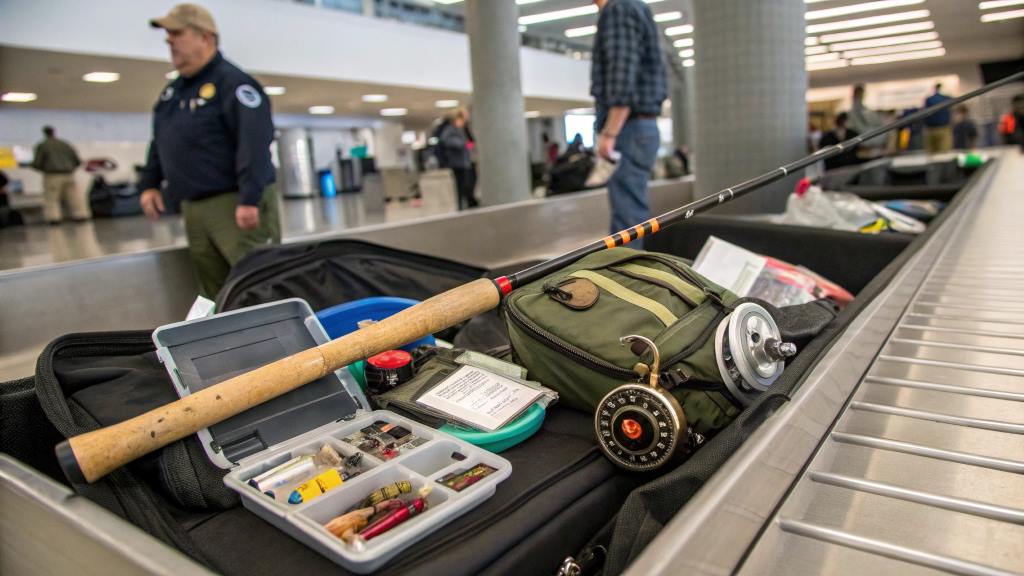
Air travel can be confusing, especially when carrying specialized equipment like fishing gear. Many anglers wonder: Can you bring fishing gear on a plane? The short answer is yes, but with some important restrictions. Understanding airline policies, TSA regulations, and the best ways to pack your rods, reels, lures, and other fishing equipment can help you avoid surprises at the airport.
In this guide, we’ll cover everything you need to know about traveling with fishing gear, from carry-on allowances to checked baggage rules and pro tips for a smooth experience.
TSA Regulations for Fishing Gear
The Transportation Security Administration (TSA) has clear rules regarding fishing equipment. Here’s what you need to know:
Fishing Rods and Reels
- Fishing rods are allowed in both carry-on and checked baggage, but they may not fit in overhead bins.
- Some airlines may require you to check rods due to size limitations.
- Reels with fishing lines are generally allowed in carry-on bags, but large or excessive amounts of fishing line may raise security concerns.
Hooks and Lures
- Small hooks and artificial lures are allowed in carry-on bags, but larger hooks (especially those over 6 inches) should be packed in checked luggage.
- Sharp objects that can be considered dangerous should always go in checked baggage to avoid delays.
Tackle Boxes
- Tackle boxes with sharp objects like knives, large hooks, or multitools must go in checked baggage.
- Plastic lures, bobbers, and soft baits are safe for carry-on luggage.
Fishing Knives and Tools
- Any knife, including fillet knives, must be in checked luggage.
- Small pliers, forceps, and line cutters may be allowed in carry-on, but it depends on airport security discretion.
Live Bait
- TSA allows live bait in carry-on and checked bags, but individual airlines may have stricter policies.
- Water restrictions apply, so transporting live bait can be tricky unless it’s in a small, leak-proof container.
Airline Policies on Fishing Equipment
While TSA sets general security rules, airlines have their own baggage policies. Here’s what you should check before booking:
Carry-On Restrictions
Most airlines allow rods and small fishing equipment as carry-on if they meet size restrictions. However, because rod tubes are often longer than allowed carry-on dimensions (usually 22 inches), you may need to check them.
Checked Baggage Fees
- Many airlines count fishing gear as a standard checked bag if it fits within weight and size limits.
- Some airlines, like Alaska Airlines and Southwest Airlines, allow fishing gear under sporting equipment policies with no extra charge beyond standard baggage fees.
- Oversized fees may apply if your rod case is too long (typically over 62 inches in combined dimensions).
Sporting Equipment Policies by Airline
- American Airlines: Fishing equipment counts as one checked bag and must not exceed 50 lbs.
- Delta Airlines: Accepts fishing rods as standard baggage but charges extra for oversize items.
- United Airlines: Fishing rods under 115 inches in combined dimensions are accepted as checked luggage.
Always confirm baggage policies with your airline before flying, as rules can change.
How to Pack Fishing Gear for Air Travel
Packing your fishing gear properly can prevent damage and ensure it complies with airline regulations.
Best Way to Pack Fishing Rods
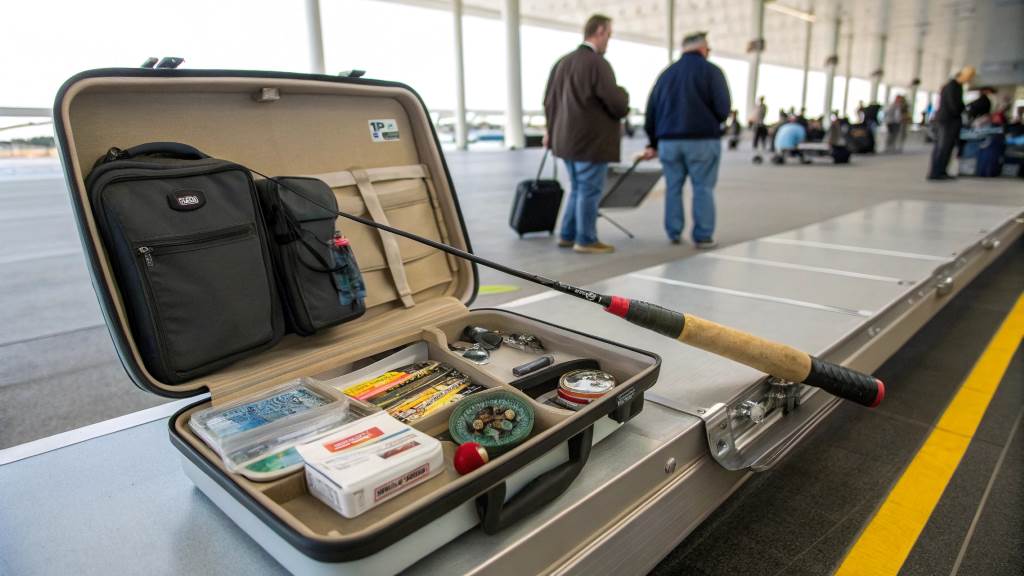
- Use a hard-shell rod case to prevent breakage. Popular brands include Plano and Bazooka.
- Remove reels from rods to prevent bending.
- Wrap rod tips in foam or bubble wrap for extra protection.
Packing Reels and Tackle
- Store reels in padded reel cases or wrap them in clothing for cushioning.
- Keep small tackle in a clear plastic container to make TSA screening easier.
- Place sharp hooks in a protective case to prevent injuries during baggage checks.
Protecting Other Fishing Gear
- Use a waterproof duffel bag for soft gear like waders, fishing vests, and gloves.
- Keep expensive electronics, like fish finders or GPS devices, in your carry-on to avoid potential damage or theft.
International Travel Considerations for Fishing Gear
When traveling internationally with fishing equipment, additional regulations may apply.
Customs Declarations
- Some countries require declarations for fishing gear to prevent the spread of invasive species.
- Clean your gear thoroughly to avoid customs issues.
Fishing License Requirements
- Research local fishing laws before your trip.
- Some destinations require permits even for recreational fishing.
Bait and Environmental Concerns
- Many countries ban live bait to prevent ecological damage.
- Consider using artificial lures if traveling internationally.
Pro Tips for Traveling with Fishing Gear
- Book Direct Flights: Fewer connections mean less risk of lost or damaged gear.
- Use Travel Insurance: Covers lost, stolen, or damaged fishing equipment.
- Label Your Gear: Put your name and contact details on rod cases and tackle boxes.
- Check Airport Rules in Advance: Some airports have stricter rules than TSA guidelines.
FAQs
1. Can I carry fishing rods as a carry-on item?
Yes, but it depends on airline size restrictions. Most rod cases exceed the allowed dimensions for carry-on luggage, so checking them is often required.
2. Are fishing lures and hooks allowed in my carry-on?
Small lures and hooks are usually allowed, but anything sharp or over 6 inches should go in checked baggage.
3. Can I bring live bait on a plane?
Yes, TSA permits live bait, but airlines may have specific restrictions. Water limits also apply, making transport difficult.
4. Will my fishing gear count as a checked bag?
Most airlines count fishing rods and gear as standard checked baggage, but oversized items may incur extra fees.
5. How do I prevent my fishing rods from breaking in transit?
Use a durable rod tube, wrap the tips in foam, and remove reels to minimize stress on the rod.
Conclusion
Yes, you can bring fishing gear on a plane, but it requires careful packing and an understanding of TSA and airline regulations. Rods, reels, and small tackle can often be carried on, but knives, large hooks, and oversized rod cases must be checked. Always check your airline’s specific baggage policy before traveling, and take precautions to protect your gear.
By following these tips, you can ensure a smooth journey and focus on what really matters—landing that trophy catch at your destination. Safe travels and tight lines!