Nina Taylor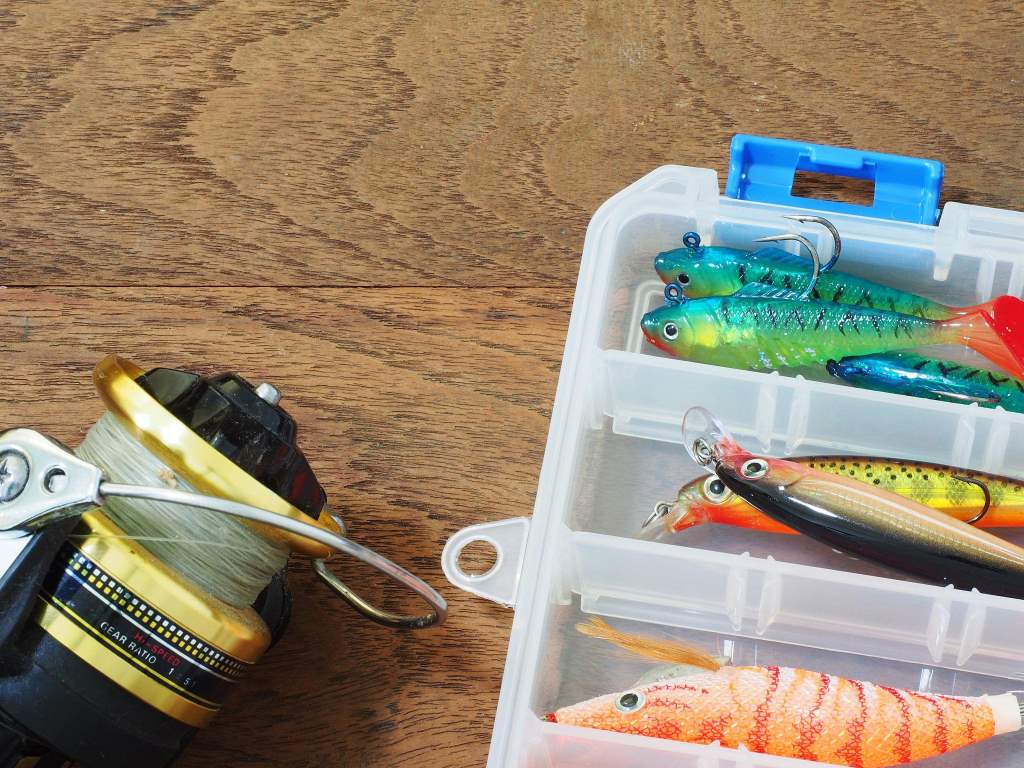
Choosing the right fishing lure kits can completely change your success on the water. Many anglers struggle not because of skill, but because they use the wrong lure for the species or conditions. According to the U.S. Fish and Wildlife Service, over 50 million Americans fish each year, yet catch rates vary widely due to gear choices. Research from fisheries science also shows that lure selection directly impacts strike frequency and fish behavior. This guide breaks everything down in simple terms so you can confidently pick the best lure kits for any situation and catch more fish consistently.
Understanding Fishing Lure Kits and Why They Matter
Fishing lure kits are curated sets of artificial baits designed for specific species, water types, or conditions. Instead of buying individual lures, anglers use kits to cover multiple scenarios efficiently. This approach saves time and ensures you stay prepared.
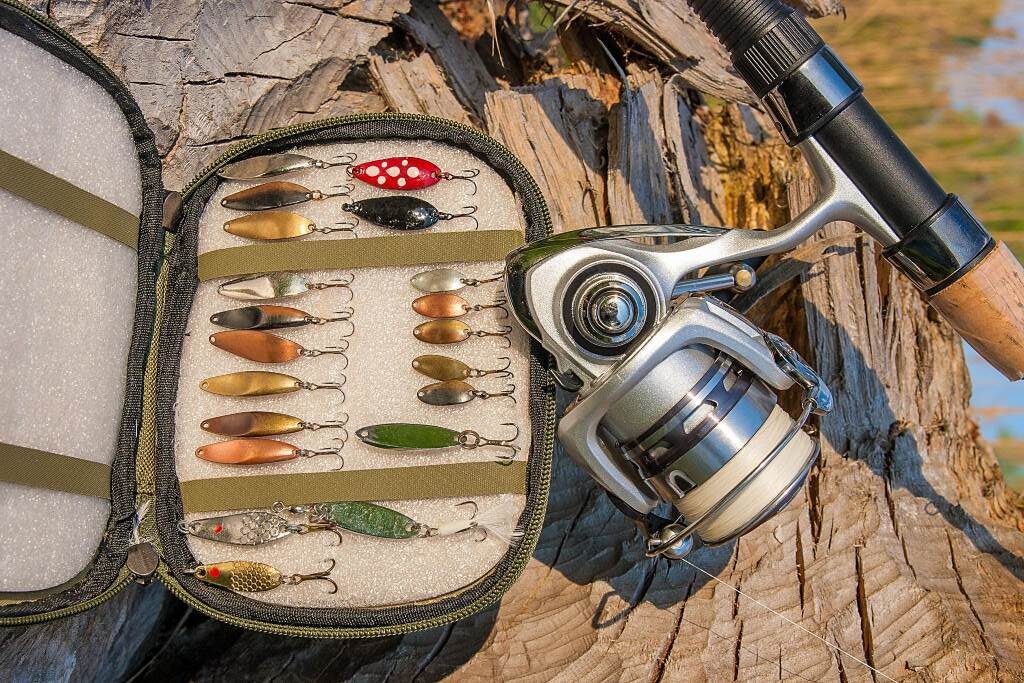
Different fish react to color, motion, and vibration. Therefore, a lure that works for bass may fail completely for trout. Kits solve this by offering variety.
A well balanced kit typically includes:
- Hard baits such as crankbaits and jerkbaits
- Soft plastics like worms and grubs
- Spinnerbaits and spoons for flash and vibration
- Topwater lures for surface action
As a result, you can adapt quickly without constantly switching gear or guessing what works.
Types of Fishing Lures and Their Uses
Hard Baits
Hard baits mimic injured baitfish. They work best when fish actively hunt prey.
Examples include:
- Crankbaits for covering water quickly
- Jerkbaits for erratic movement
- Topwater plugs for explosive surface strikes
These lures are ideal in warmer months when fish are aggressive.
Soft Plastics
Soft plastics offer a natural feel and subtle movement. Fish often hold onto them longer, giving you more time to set the hook.
Popular options:
- Worms for bass fishing
- Craws for bottom feeders
- Swimbaits for realistic action
They perform well in clear water and pressured areas.
Spinnerbaits and Spoons
These lures create flash and vibration. They attract fish even in murky water.
Use them when:
- Visibility is low
- Water is stained or muddy
- Fish rely on vibration to hunt
Matching Lure Kits to Fish Species
Bass Fishing Lure Kits
Bass are aggressive and adaptable. Therefore, variety is key.
Best lures for bass:
- Soft plastic worms for slow presentations
- Crankbaits for covering large areas
- Topwater frogs for vegetation
Use darker colors in murky water and natural shades in clear lakes.
Trout Fishing Lure Kits
Trout prefer subtle and natural looking lures.
Top choices:
- Small spinners
- Lightweight spoons
- Soft plastic minnows
Since trout are cautious, use lighter gear and slower retrieval speeds.
Saltwater Fishing Lure Kits
Saltwater species are stronger and more aggressive. Therefore, durability matters.
Effective lures include:
- Metal jigs for deep water
- Large swimbaits for predators
- Surface poppers for exciting strikes
Always choose corrosion resistant materials for saltwater use.
Panfish Lure Kits
Panfish like bluegill and crappie require smaller lures.
Recommended options:
- Tiny jigs
- Micro soft plastics
- Small spinners
Lightweight setups improve sensitivity and catch rates.
Choosing Lures Based on Water Conditions
Water Clarity
Water clarity plays a major role in lure selection.
- Clear water: Use natural colors and realistic designs
- Murky water: Choose bright colors and noisy lures
- Stained water: Use contrast patterns like chartreuse
Fish rely more on sight in clear water and vibration in murky conditions.
Weather Conditions
Weather directly affects fish activity.
- Sunny days: Fish move deeper, so use diving lures
- Cloudy days: Fish stay shallow, so topwater works well
- Windy conditions: Use heavier lures for better control
Adjusting to weather increases your chances significantly.
Water Temperature
Fish behavior changes with temperature.
- Cold water: Use slow moving lures
- Warm water: Use fast and aggressive presentations
Cold water fish conserve energy, so subtle action works best.
How to Build a Versatile Fishing Lure Kit
A good lure kit should cover multiple scenarios. Instead of focusing on one type, aim for balance.
Include:
- Topwater lures for early morning and evening
- Mid depth crankbaits for active fish
- Soft plastics for slow presentations
- Spinnerbaits for murky water
- Jigs for bottom fishing
Keep your kit organized so you can switch quickly based on conditions.
Common Mistakes When Choosing Lure Kits
Many anglers make avoidable mistakes that reduce success.
Avoid these:
- Using the same lure in every condition
- Ignoring water clarity and temperature
- Overloading with too many similar lures
- Choosing size that does not match local baitfish
Instead, focus on versatility and adaptability.
Practical Tips from Experienced Anglers
Experienced anglers rely on observation and adjustment.
Key tips:
- Watch fish behavior before selecting a lure
- Start with search baits to locate fish
- Downsize when fish are not biting
- Change colors if strikes stop
Consistency comes from learning and adapting, not luck.
Conclusion
Picking the right fishing lure kits requires understanding fish behavior, water conditions, and lure types. When you match your kit to the environment and target species, your success rate improves dramatically. Focus on versatility, observe conditions carefully, and adjust your approach as needed. Start building a balanced lure kit today and apply these strategies on your next trip to catch more fish with confidence.
FAQs
What is the best all around fishing lure kit?
A balanced kit with crankbaits, soft plastics, spinnerbaits, and jigs works best. It allows you to adapt to different conditions and fish species easily.
How do I choose lure colors?
Choose natural colors in clear water and bright or dark colors in murky water. Always match the local baitfish when possible.
Are expensive lure kits better?
Quality matters more than price. Focus on durability, realistic action, and versatility instead of cost.
How many lures should be in a kit?
A practical kit should include 10 to 20 varied lures. This gives enough options without overwhelming you.
Can beginners use lure kits effectively?
Yes, lure kits are ideal for beginners. They provide a range of options and help you learn what works best in different situations.