Nina Taylor
The thrill of getting new fishing gear is universal among anglers. Whether it’s that sleek new spinning reel you’ve been eyeing or a robust baitcaster promising longer casts, the anticipation is palpable. But before you even get to spool it with line, there’s the packaging. You might encounter your prize nestled in a sturdy cardboard box or sealed tightly within a clear plastic clamshell.
Does it matter? While the packaging itself won’t land you a trophy fish, the style – “Box” or “Clam” – does impact your buying experience, storage options, and even has environmental implications. Understanding the differences between these two common packaging methods can help you appreciate the nuances behind how your favorite gear is presented and protected. Let’s dive deep into the world of box versus clamshell reel packaging to see which might align better with your needs and preferences.

Decoding the Lingo: What is Box Reel Packaging?
When we talk about “Box” packaging for a fishing reel, we generally mean the traditional cardboard box. These boxes vary widely in quality, from simple, thin cardboard containers to thicker, reinforced boxes with custom inserts designed to hold the reel, handle, spare spool (if included), manual, and any small tools securely in place.
Advantages of Box Packaging:
- Protection: A well-designed box, especially one with internal padding or form-fitting inserts, offers excellent protection against bumps, drops, and crushing forces during shipping and handling.
- Organization: Boxes often provide dedicated compartments or spaces for accessories like spare spools, tools, oil, and manuals, keeping everything neat and contained.
- Storage: Cardboard boxes are typically uniform in shape (rectangular), making them easy to stack and store neatly on shelves in your garage, shed, or tackle room. Keeping the original box is a popular way for anglers to store their reels when not in use.
- Unboxing Experience: Generally, opening a box is a straightforward and less frustrating experience compared to tackling a sealed clamshell. There’s often a sense of anticipation and a more premium feel, especially with higher-end reels.
- Environmental Considerations: Cardboard is widely recyclable and often made from recycled materials. While the manufacturing process isn’t entirely impact-free, good-quality cardboard is generally considered a more sustainable option than most plastics used in clamshells.
- Information & Branding: Boxes offer ample flat surface area for detailed product information, branding, graphics, and instructions.
Disadvantages of Box Packaging:
- Visibility: The most obvious drawback is that you cannot see the actual reel inside the box without opening it. In a retail setting, you’re relying on images and descriptions of the exterior.
- Bulk: Boxes, particularly sturdy ones with inserts, can be bulkier and take up more shelf space per unit compared to flat-hanging clam shells.

Cracking the Code: What is Clam Shell Reel Packaging?
Clam shell packaging, often referred to simply as “Clam,” consists of thermoformed plastic molded to encase the product. Usually, it’s made of clear plastic (like PET or PVC) with two halves joined by a hinge on one side and snapping or sealing together on the other, much like a clam’s shell. Sometimes it’s a single piece of plastic folded over and sealed around the edges onto a cardboard backing (this is technically a blister pack, but often gets lumped in conversationally). For reels, it’s typically the full plastic enclosure.
Advantages of Clam Shell Packaging:
- Product Visibility: This is the primary benefit. Clam shells allow potential buyers to see the reel clearly from multiple angles, inspect its finish, size, and design without opening the package.
- Retail Display: The clear, often hangable design is ideal for pegboard displays common in sporting goods stores, maximizing product visibility in a retail environment.
- Tamper Evidence/Security: Sealed clam shells make it obvious if the package has been opened or tampered with, offering a degree of security against theft or swapping of components in-store. They also protect against dust and minor moisture.
- Durability (Surface Protection): The hard plastic protects the reel’s surface from scratches and scuffs during transport and while on display.
Disadvantages of Clam Shell Packaging:
- Difficult to Open: Clam shells are notoriously difficult and often frustrating to open, frequently requiring scissors, a utility knife, or significant force. This phenomenon is so common that it’s earned the nickname “wrap rage” and can even lead to minor cuts if not careful.
- Environmental Impact: Most clam shells are made from plastics derived from petroleum. While some types like PET are recyclable, not all recycling facilities accept them, and separating the plastic from any cardboard backing can be necessary. PVC is much harder to recycle. Overall, they generally have a larger environmental footprint than cardboard.
- Storage After Opening: Once opened, the clamshell package is often useless and awkward to store. Unlike a box, it can’t be easily reused to store the reel. The sharp edges left after cutting them open can also be a hazard.
- Perceived Value: While functional, clamshell packaging can sometimes be perceived as less premium than a well-designed box, especially for more expensive reels.
- Accessory Integration: Fitting manuals, spare parts, or tools neatly into a clamshell can be more challenging than within a box, sometimes resulting in items loosely placed behind the reel or in a separate compartment that adds bulk.
Head-to-Head: Box vs. Clam Shell – The Key Differences
Let’s break down the comparison point-by-point:
- Visibility: Clam Shell Wins. You can see the product clearly. The box requires opening.
- Protection: It Depends. The box offers better protection against crushing and impacts. Clam Shell protects better against surface scratches, dust, and minor moisture ingress before opening.
- Unboxing Experience: Box Wins. Easier, safer, and often feels more satisfying. Clam shells can lead to “wrap rage.”
- Storage & Organization: Box Wins. Boxes are easily stackable and reusable for storing the reel and its accessories long-term. Opened clam shells are generally discarded or awkward.
- Environmental Footprint: Box Generally Wins. Cardboard is more widely recycled and often comes from renewable/recycled sources. Plastic clam shells pose greater recycling challenges and are petroleum-based, though recyclable PET options exist.
- Retail Appeal: Clam Shell Often Wins (for hanging displays). Excellent visibility and suitability for peg hooks. Boxes work well on shelves.
- Perceived Value & Gifting: Box Often Wins. A boxed reel typically feels more substantial and presents better as a gift.
- Handling Accessories: Box Wins. More structured space to neatly include manuals, spare spools, tools, etc.
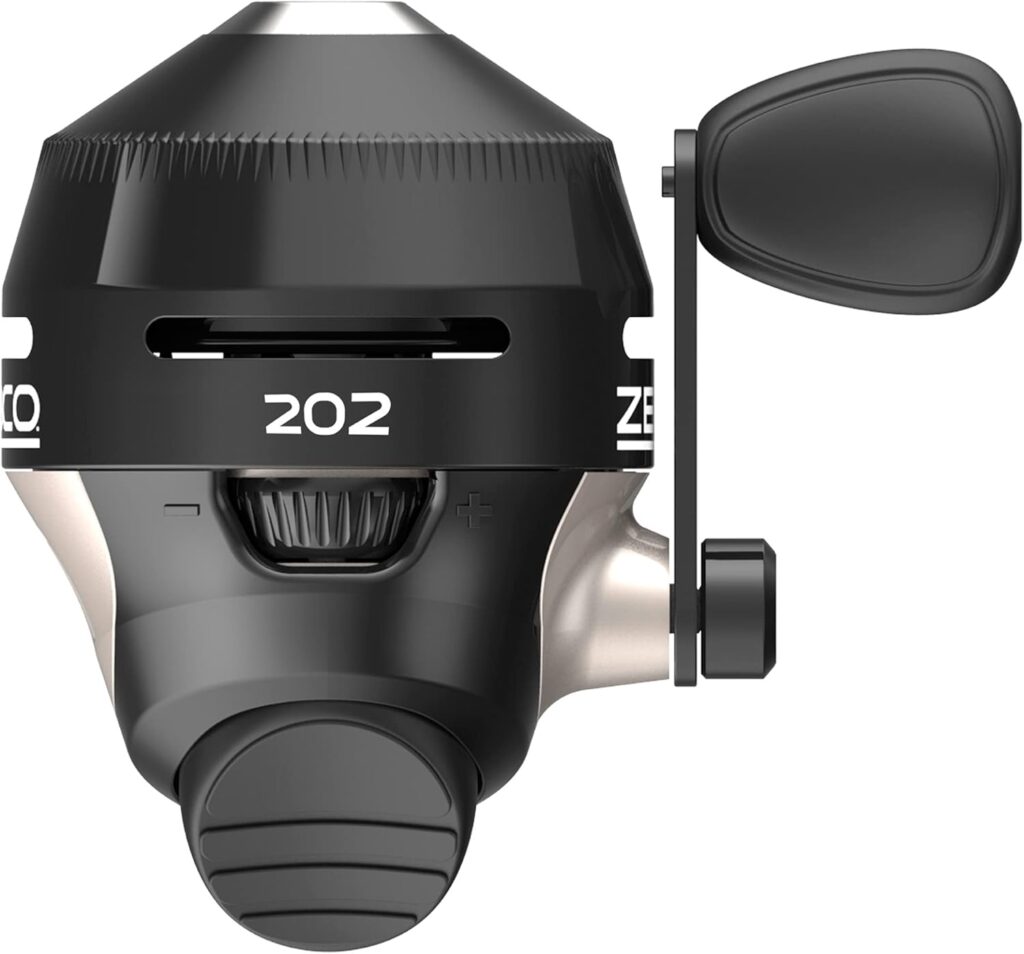
Related: Best Gear Ratio for Frog Fishing: Hook More Bass with the Right Reel
Which Package Suits Your Style? Making the Choice

Crucially, remember: The packaging – whether box or clam shell – has zero impact on the fishing reel’s performance. A fantastic reel is fantastic regardless of how it’s packaged, and a poor reel won’t be improved by a fancy box.
However, the packaging does influence your experience of acquiring and owning the reel. Consider these perspectives:
- The Tactile Buyer: If you shop in-store and need to visually inspect the reel from all angles before buying, the Clam Shell offers that immediate view. With a box, you’ll need to ask a salesperson for help or rely on display models.
- The Online Shopper: When buying online, you rely on pictures and videos anyway. Here, the Box might be preferable for potentially better protection during shipping and for easier, neater storage once it arrives.
- The Gift Giver: A reel presented in a Box often looks more impressive and feels more like a traditional gift than one in a plastic clamshell.
- The Eco-Conscious Angler: If sustainability is a high priority, the Box (especially if made from recycled cardboard) is usually the better choice. Look for recycling symbols on clam shells (like #1 PET) if that’s your only option and recycle appropriately.
- The Gear Organizer: If you meticulously store your gear in its original packaging, the Box is far superior for stacking and long-term organization.
- The Bottom Line: Don’t let the packaging be the deciding factor on a reel. Focus on the reel’s features, quality, reviews, and suitability for your fishing style. View the packaging as a secondary aspect.

The Future of Reel Packaging: Sustainability & Innovation
Manufacturers are increasingly aware of consumer preferences and environmental concerns. We’re seeing trends towards:
- Sustainable Materials: More use of recycled and recyclable cardboard, as well as recyclable plastics like PET instead of PVC for clam shells. Some brands are exploring biodegradable or compostable options, though these are less common for durable goods packaging currently.
- Minimalist Packaging: Reducing the overall amount of packaging material used, minimizing plastic components, and opting for simpler designs.
- Hybrid Designs: Boxes with clear windows offer a compromise, providing some visibility while retaining the structure and storability of a box.
- Improved Recyclability Information: Clearer labeling to help consumers understand if and how the packaging can be recycled in their local area.
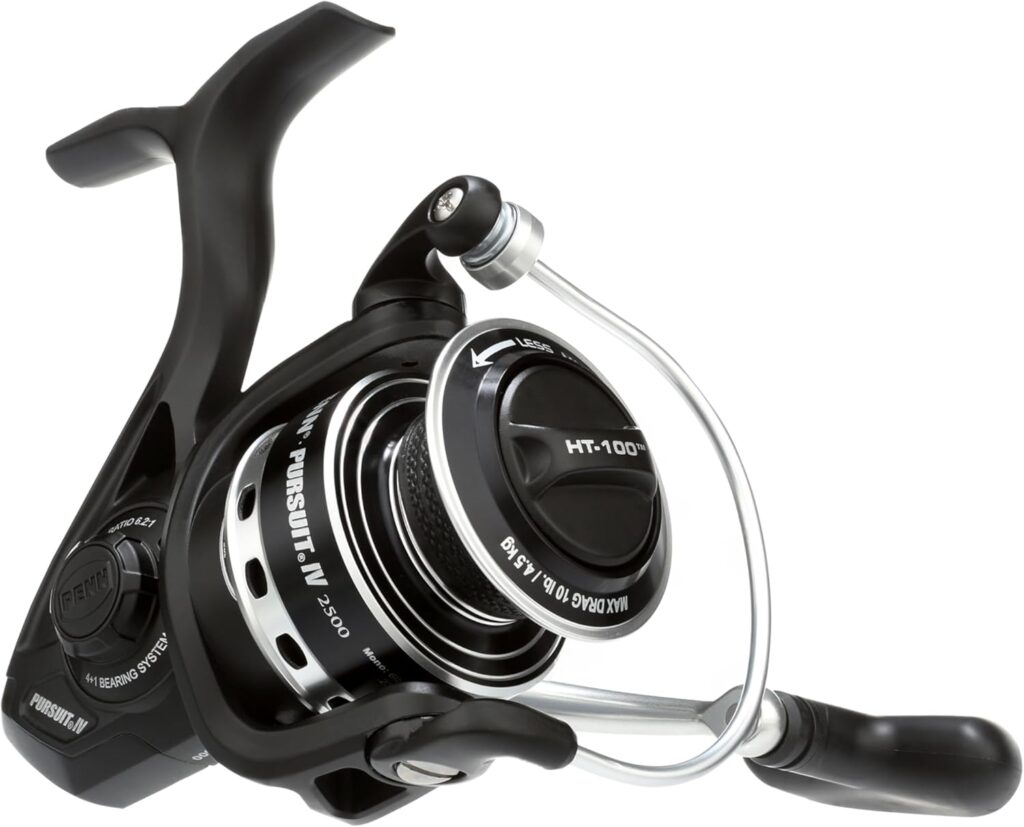
Related: Best Gear Ratio for Topwater: Maximizing Your Fishing Game
People Also Ask (FAQs)
Q1: Does the packaging (box or clam) change how the fishing reel performs?
A: Absolutely not. The packaging is purely for protection, display, and transport before you use the reel. The reel’s performance depends entirely on its internal mechanics, materials, and design, not the container it came in.
Q2: Is a reel in a box better than one in a clamshell?
A: “Better” depends on your priorities. Box packaging is generally better for storage, organization, gifting, ease of opening, and often for environmental impact. Clam shell packaging is better for in-store visibility and tamper evidence. The quality of the reel inside is independent of the packaging type.
Q3: Why do manufacturers use clamshell packaging if it’s hard to open and often less eco-friendly?
A: The primary reasons are excellent product visibility in retail stores (customers can see exactly what they’re buying), good fit for hanging pegboard displays, which saves shelf space, and perceived security against tampering or minor damage on the shop floor. For high-volume items, it can also be a cost-effective packaging method.
Q4: Can I recycle fishing reel packaging?
A: Cardboard boxes are widely recyclable – just flatten them first. Plastic clam shells are trickier. Check the recycling symbol (usually a number inside chasing arrows). #1 (PET) and #2 (HDPE) are more commonly recycled than others, like #3 (PVC) or #6 (PS). Check your local recycling program’s guidelines, as acceptance varies significantly. You may need to separate plastic from any cardboard backing.
Q5: Which packaging offers better protection during shipping?
A: Generally, a well-designed cardboard box with proper internal support offers better protection against crushing and significant impacts common during shipping. Clam shells protect well against scratches and dust, but can crack or be punctured under heavy pressure.
Conclusion
The choice between a fishing reel packaged in a box versus a clamshell might seem trivial, but it touches upon aspects like the buying experience, home storage, ease of access, and environmental responsibility. While the clear plastic clam shell offers undeniable visibility in a store setting, the traditional cardboard box often provides a better unboxing experience, superior storage solutions, and frequently a more eco-friendly profile.
Ultimately, the most important thing is the quality and suitability of the fishing reel itself. Don’t choose a lesser reel just because you prefer the box, nor should you pass up the perfect reel because it comes in a clamshell you dread opening. Understand the pros and cons of each packaging style, consider your own preferences for storage and sustainability, make your purchase based on the merits of the gear, and then get out on the water and enjoy your new reel!