Nina Taylor
A well-organized tackle box is the key to a smooth and successful fishing trip. Among the many tools you carry, fishing pliers and cutters are some of the most essential. Whether you’re unhooking a catch, cutting lines, or crimping sleeves, having quick and easy access to these tools can save time and frustration. But how do you keep them from getting tangled in your tackle box?
In this comprehensive guide, we’ll cover the best ways to store and organize fishing pliers and cutters in your tackle box. From choosing the right storage compartments to using magnetic holders, we’ll explore various techniques used by expert anglers. Plus, we’ll share real-world insights and practical solutions to keep your tools in top shape.
Why Proper Organization Matters
Many anglers overlook the importance of organizing their tools. But a cluttered tackle box can lead to several problems, including:
- Wasted time searching for tools when you need them the most
- Increased risk of injury from exposed sharp objects
- Faster corrosion and damage due to improper storage
- Reduced efficiency when handling fishing tasks
According to a survey conducted by Outdoor Life, over 70% of anglers admit to struggling with misplaced tools during their trips. Organizing your pliers and cutters properly will not only enhance efficiency but also extend the lifespan of your tools.
Choosing the Right Tackle Box
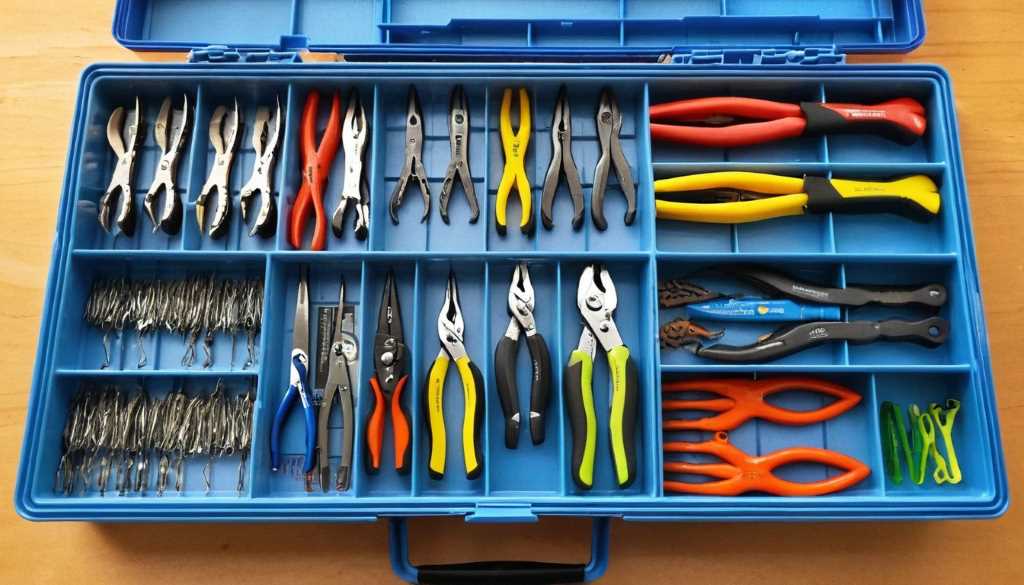
Before organizing your tools, you need to start with the right tackle box. Here are some key factors to consider:
1. Size and Storage Capacity
A small tackle box may not have enough compartments to store all your tools separately. Look for a box that provides multiple storage sections, including deep compartments for larger tools.
2. Waterproof and Corrosion-Resistant Materials
Since fishing tools are frequently exposed to water, choose a tackle box made from waterproof materials. Rust-proof models with tight-sealing lids help prevent moisture buildup.
3. Built-in Tool Holders
Some tackle boxes come with built-in tool organizers, such as elastic straps, magnetic holders, or molded slots, which are perfect for keeping pliers and cutters securely in place.
A popular choice among anglers is the Plano Guide Series Tackle Box, known for its durable construction and customizable storage options.
Best Ways to Store Fishing Pliers and Cutters
1. Use Dedicated Tool Slots
Many modern tackle boxes include designated tool slots specifically for pliers and cutters. These slots keep your tools upright and prevent them from shifting around. If your tackle box lacks this feature, consider upgrading or modifying it with a DIY approach.
2. Magnetic Tool Holders
A strong neodymium magnetic strip attached inside the lid or side of the tackle box can securely hold metal tools in place. This method keeps your pliers and cutters accessible without them sliding around.
3. Elastic Straps or Velcro Straps
Elastic or Velcro straps can be attached to the inside of the lid or the side of the box to hold pliers and cutters. These straps keep tools tightly secured and are easy to install.
4. Foam Inserts for Secure Placement
Cutting out specific slots in foam padding allows you to create custom storage spaces for your pliers and cutters. This prevents movement during travel and protects the tools from damage.
5. Use a Separate Tool Pouch
If your tackle box doesn’t have enough space, consider carrying a separate tool pouch. Many anglers use waterproof tool bags that attach to the tackle box or belt for easy access.
Preventing Corrosion and Extending Tool Life
Fishing pliers and cutters are constantly exposed to moisture, which leads to corrosion over time. Here are some proven ways to prevent rust and extend the life of your tools:
1. Rinse and Dry After Every Use
Saltwater is highly corrosive. Always rinse your pliers and cutters with freshwater after each fishing trip and dry them thoroughly with a microfiber cloth.
2. Apply Corrosion-Resistant Coatings
Using a light coat of WD-40, Reel Magic, or Boeshield T-9 can help protect metal surfaces from rust. Be sure to wipe off excess oil before storing.
3. Use Silica Gel Packs
Placing silica gel packets inside your tackle box helps absorb excess moisture, reducing the chances of rust forming on your tools.
4. Store in a Dry Environment
When not in use, keep your tackle box in a cool, dry place. Avoid leaving it in damp areas like a boat deck or garage where humidity can accelerate corrosion.
Common Mistakes to Avoid
Even experienced anglers make mistakes when organizing their tools. Here are some common errors to watch out for:
- Leaving tools loose in the box: This leads to misplacement, rusting, and potential injury.
- Mixing tools with hooks and lures: Sharp objects can damage your pliers and cutters over time.
- Using non-waterproof tackle boxes: Exposure to moisture leads to quicker rusting of metal tools.
- Not inspecting tools regularly: Worn-out cutters and rusty pliers can fail when you need them the most.
Conclusion
Organizing fishing pliers and cutters in a tackle box might seem like a minor detail, but it can make a significant difference in your fishing experience. By using tool slots, magnetic holders, elastic straps, or foam inserts, you can keep your tools secure and easily accessible. Preventing corrosion with proper cleaning, drying, and protective coatings will further extend the life of your pliers and cutters.
With a well-organized tackle box, you’ll save time, reduce frustration, and be fully prepared for every fishing adventure. Try these strategies today and enjoy a hassle-free fishing experience!
FAQs
1. What is the best way to prevent my fishing pliers from rusting?
Rinse them with freshwater after each trip, dry them thoroughly, and apply a corrosion-resistant lubricant like WD-40 or Reel Magic.
2. How do I keep my pliers from getting tangled with other tools?
Use dedicated tool slots, elastic straps, magnetic holders, or foam inserts to keep pliers and cutters separate from hooks and lures.
3. Can I use a regular toolbox instead of a tackle box?
While a regular toolbox can work, a dedicated tackle box is better suited for fishing environments due to its waterproof and rust-resistant features.
4. Are magnetic holders safe for all fishing tools?
Magnetic holders work well for metal pliers and cutters but may not be suitable for all fishing gear, especially those with sensitive components like digital scales.
5. What is the best tackle box for storing fishing tools?
The Plano Guide Series Tackle Box is a top-rated option due to its customizable storage, durability, and waterproof design.