Nina Taylor
Canada’s vast and diverse waters offer a playground for anglers seeking precision, challenge, and reward. Among the many techniques available, jigging stands out as a dynamic and effective method for targeting species like walleye, lake trout, and northern pike. But success in jigging isn’t just about dropping a lure and hoping for the best—it’s about understanding the rig, the environment, and the fish. This guide dives deep into jigging rigs for Canadian anglers, exploring proven techniques, expert insights, and actionable best practices.
🎣 Introduction: Why Jigging Is Canada’s Secret Weapon
Jigging is more than just a fishing technique—it’s a strategic dance between angler and fish. In Canadian waters, where conditions shift dramatically across seasons and regions, jigging offers unmatched versatility. Whether you’re fishing the icy depths of Lake Temagami or the weed-lined bays of the Kawarthas, jigging rigs allow for precise control and targeted strikes.
According to Outdoor Canada, jigs are the most versatile lure in a walleye angler’s tackle box, effective in spring, summer, fall, and even under ice. That adaptability makes jigging a must-know skill for any serious Canadian angler.
🛠️ Understanding Jigging Rigs: The Foundation of Success
A jigging rig is a system that includes a jig head, hook, line, and often a leader. The goal is to mimic the erratic movement of injured prey, triggering predatory instincts in fish. The rig’s simplicity is deceptive—it’s highly customizable depending on depth, species, and water clarity.
Common jigging rigs include:
- Standard Jig Head Rig: A weighted jig head with a soft plastic or live bait.
- Drop Shot Jig Rig: Ideal for vertical jigging in deep water.
- Bucktail Jig Rig: Effective in cold water and for aggressive species like pike.
Experts at Anglers Booking emphasize that rigging is about assembling components into a unified system that supports various jigging scenarios. The right rig can mean the difference between a slow day and a trophy catch.
🧠 Technique Matters: How to Jig Like a Pro
Jigging isn’t just about bouncing a lure—it’s about reading the water, adjusting your rhythm, and reacting to subtle cues. Canadian anglers often rely on vertical jigging, especially in deep lakes where fish hold near the bottom.
Key techniques include:
- Snap Jigging: Quick, sharp rod movements to trigger reaction bites.
- Pitching Jigs: Light jigs tossed into shallow cover, ideal for spring walleye.
- Slow Lift and Drop: Mimics dying baitfish, effective in cold water.
According to Fish’n Canada, understanding fish behavior is critical. For example, walleye often hug the bottom in cold months, making vertical jigging with a slow drop highly effective.
🌊 Adapting to Canadian Waters: Seasonal and Regional Tips
Canada’s fishing conditions vary wildly. In northern lakes, ice-out periods demand finesse and patience. In southern reservoirs, summer heat pushes fish into deeper structures.
Seasonal jigging tips:
- Spring: Use lighter jigs and pitch into shallow bays.
- Summer: Target deeper structures with heavier jigs and vertical techniques.
- Fall: Fish become aggressive—use larger jigs and erratic movements.
- Winter: Ice jigging with small, flashy rigs can produce big results.
Lake Temagami, with its 1,259 islands, is a prime example of a complex jigging environment. Anglers must adapt to changing depths, underwater structures, and fish migration patterns.
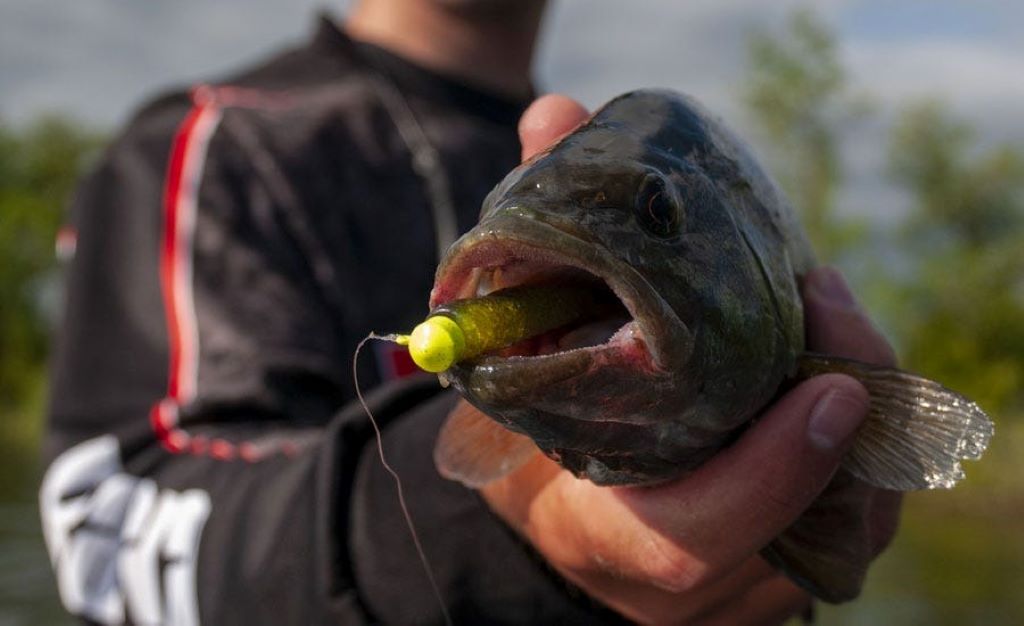
🎯 Gear That Gets Results: What Canadian Anglers Use
Success starts with the right gear. Canadian anglers favor rods with sensitive tips and strong backbones, allowing for precise jig control and solid hooksets.
Recommended gear:
- Rod: 6’6” medium-fast action spinning rod.
- Reel: Smooth drag system, matched to rod weight.
- Line: Braided line with fluorocarbon leader for stealth and strength.
- Jigs: 1/8 to 1/2 oz depending on depth and current.
The Destroyer P5 FMJ and BMG rods are popular among advanced jigging enthusiasts, offering the sensitivity needed for bottom contact and the power to land big fish.
📊 The Numbers Behind Jigging: Why It Works
Statistics show that jigging yields higher catch rates in cold water and during transitional seasons. A 2024 survey by Outdoor Goodness found that 68% of Canadian anglers ranked jigging as their most productive technique in spring and fall.
Additionally, jigging allows for:
- Precise depth control
- Targeted species selection
- Adaptability to changing conditions
These advantages make jigging not just effective—but essential.
💡 Featured Snippet: What Makes Jigging Rigs So Effective for Canadian Anglers?
Why are jigging rigs so effective in Canadian waters?
Jigging rigs offer unmatched versatility and precision, making them ideal for Canada’s diverse fishing environments. Their ability to mimic injured prey triggers aggressive strikes from species like walleye, lake trout, and pike. Vertical jigging allows anglers to target fish at specific depths, while pitching jigs into shallow cover works well during spawning seasons. The rigs are adaptable to seasonal changes, from ice fishing in winter to deep-water jigging in summer. With the right gear and technique, jigging rigs consistently outperform other methods in Canadian lakes and rivers.
❓ FAQs: Jigging Rigs for Canadian Anglers
- What is the best jig weight for Canadian lakes?
Use 1/8 oz for shallow water and up to 1/2 oz for deeper lakes. - Can I use jigging rigs in saltwater?
Yes, but choose corrosion-resistant gear and heavier jigs. - What fish species respond best to jigging?
Walleye, lake trout, northern pike, and perch are highly responsive. - Is live bait better than soft plastics?
Live bait works well in cold water; plastics offer versatility and durability. - How do I know when to set the hook?
Watch for line twitches or sudden slack—strike quickly and firmly. - What’s the best rod action for jigging?
Medium-fast action provides sensitivity and control. - Can beginners succeed with jigging rigs?
Absolutely. Start with simple setups and practice your technique.
🏁 Final Thought: Jig Smarter, Not Harder
Jigging rigs are more than tools—they’re extensions of the angler’s strategy. In Canada’s rich and varied waters, mastering jigging means unlocking new levels of success. Whether you’re chasing trophy walleye or exploring remote trout lakes, the right rig and technique can transform your fishing experience.
So next time you hit the water, don’t just fish—jig with purpose. Experiment, adapt, and refine your approach. The fish are waiting.
📣 Call to Action
Ready to level up your jigging game? Explore expert gear recommendations, join local angling communities, and test new techniques on your next trip. Share your jigging success stories and tag your catches—because in Canada, every jig tells a tale.
For more advanced tips and gear reviews, visit Anglers Booking’s Jigging Guide and Outdoor Canada’s Walleye Tactics.
Read More:
Best Fluoro to Braid Knot: The Ultimate Knot for Strong Connections
Alberto Knot vs. Double Uni: Which Connection Knot Reigns Supreme?