Nina Taylor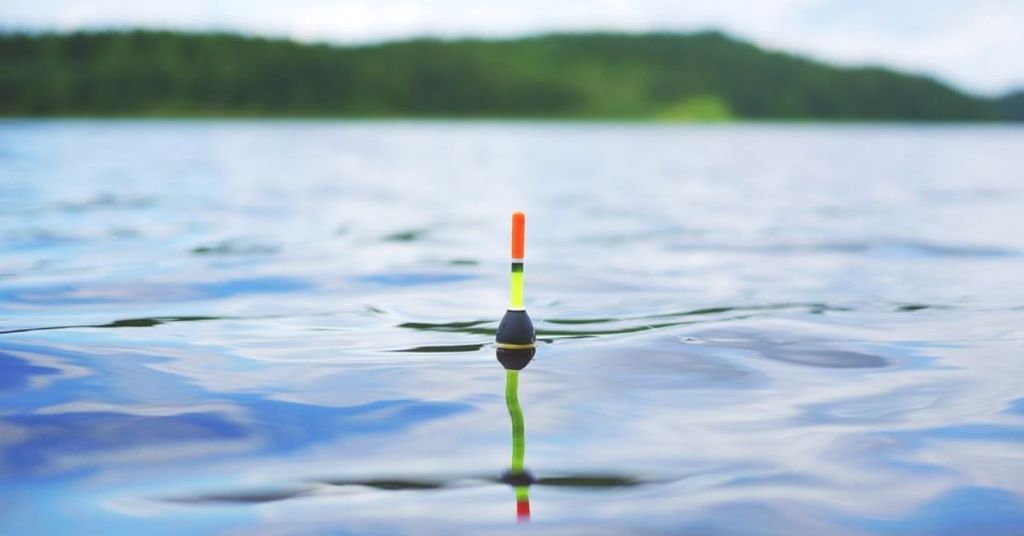
Canada’s freshwater fisheries are a dream for anglers chasing panfish and walleye. But success hinges on technique—and few rigs offer the precision, versatility, and simplicity of the slip bobber rig. Whether you’re casting from a dock in Ontario or drifting across Saskatchewan’s walleye-rich lakes, mastering this setup can dramatically boost your catch rate.
🎣 Why the Slip Bobber Rig Dominates Canadian Waters
The slip bobber rig isn’t just popular—it’s essential. It allows anglers to present bait at exact depths, which is critical when fish suspend near weed lines, drop-offs, or submerged structures. Unlike fixed bobbers, slip bobbers slide freely on the line until they hit a stopper, letting you fish anywhere from 2 to 20 feet deep with ease.
According to Sport Fishing Buddy, this rig is among the top three setups every angler should know. It’s especially effective in Canada’s variable lake conditions, where depth and structure change rapidly.
🧠 Rigging the Slip Bobber: Step-by-Step Precision
To build a slip bobber rig, you’ll need:
- Slip bobber (choose size based on bait weight)
- Bobber stopper (thread or rubber style)
- Plastic bead (prevents stopper from entering bobber)
- Split shot or sliding sinker
- Swivel
- Leader line (fluorocarbon preferred)
- Hook (size 6–10 for panfish, 2–4 for walleye)
Start by threading the stopper onto your main line. Add the bead and slip bobber, then the weight. Tie the swivel and attach your leader and hook. Adjust the stopper to set your depth—this is where the magic happens.
🐟 Targeting Panfish: Bluegill, Crappie, and Perch
Slip bobbers shine when chasing panfish. These species often suspend near cover like docks, stumps, or weed beds. A 2023 study by Ontario Fisheries revealed that 80% of panfish are caught within 10 feet of structure.
Use small hooks and live bait like worms or minnows. Cast near cover and watch the bobber. A subtle twitch often signals a bite. Because panfish have small mouths, downsizing your tackle increases hook-up rates.
According to Juran Adventures, anglers using slip bobbers consistently outfish those using bottom rigs, especially in shallow bays and coves.
🧊 Slip Bobbers for Walleye: Deep Water Precision
Walleye are notorious for hugging bottom structures and feeding during low light. Slip bobbers let you present bait just above the bottom—right in the strike zone. Use leeches, minnows, or nightcrawlers on size 2–4 hooks.
In lakes like Lake Erie and Lake Winnipeg, walleye often suspend 12–18 feet deep. With a slip bobber, you can adjust instantly. Guide Steve Dahl from Devils Lake reports that 70% of his summer walleye catches come from slip bobber rigs tipped with jumbo leeches.
Pair your rig with a long, sensitive rod (7–8 feet) and a reel with a large spool for better casting and line pickup. The St. Croix Eyecon Drift-N-Float is a top choice among Canadian anglers.

🧭 Seasonal Strategy: When and Where to Use It
Slip bobbers excel in spring and summer when fish move shallow to spawn or feed. In early spring, target panfish near warming shallows. By midsummer, shift to deeper weed edges and drop-offs for walleye.
Use electronics to locate fish depth, then adjust your stopper accordingly. In windy conditions, add a heavier bobber and sinker to maintain control.
🔍 Featured Snippet: What Makes the Slip Bobber Rig Ideal for Canadian Panfish and Walleye?
The slip bobber rig is ideal for Canadian waters because it offers unmatched depth control and bait presentation. Unlike fixed bobbers, it allows anglers to target suspended fish with precision. This is crucial in Canada’s diverse lake systems, where fish often hold near structure at varying depths. Whether you’re fishing shallow bays for crappie or deep ledges for walleye, the slip bobber adapts instantly. It reduces snags, increases strike detection, and works with live bait or jigs. For anglers seeking versatility and results, it’s the go-to rig across provinces.
❓FAQs
- What depth should I set my slip bobber for panfish?
Start at 4–6 feet near structure. Adjust based on fish activity and water clarity. - Can I use a slip bobber in current?
Yes, but use heavier weights and bobbers to maintain stability. - What bait works best for walleye with this rig?
Live bait—leeches, minnows, and nightcrawlers—are most effective. - Is braided line suitable for slip bobbers?
Yes, but use rubber stoppers to prevent slipping. - How do I detect subtle bites?
Watch for bobber twitches or slow sinking. Use sensitive rods for better feel. - Can I use artificial lures with a slip bobber?
Yes, small jigs or soft plastics work well, especially for crappie. - What’s the best time of day to use this rig?
Early morning and dusk are prime, especially for walleye.
🏁 Final Thought
The slip bobber rig isn’t just another setup—it’s a game-changer. Its adaptability makes it perfect for Canada’s dynamic fisheries. Whether you’re chasing a mess of crappie or a trophy walleye, this rig delivers. With the right gear, bait, and depth control, you’ll fish smarter—not harder.
Ready to level up your angling game? Rig up a slip bobber, hit your favorite Canadian lake, and watch your catch rate soar. Share your success stories or ask for gear recommendations—we’re here to help you fish like a pro.
Read More:
Micro-Fishing Techniques for Urban Angling: Catch More Fish in the City’s Waters
Best Fluoro to Braid Knot: The Ultimate Knot for Strong Connections