Nina Taylor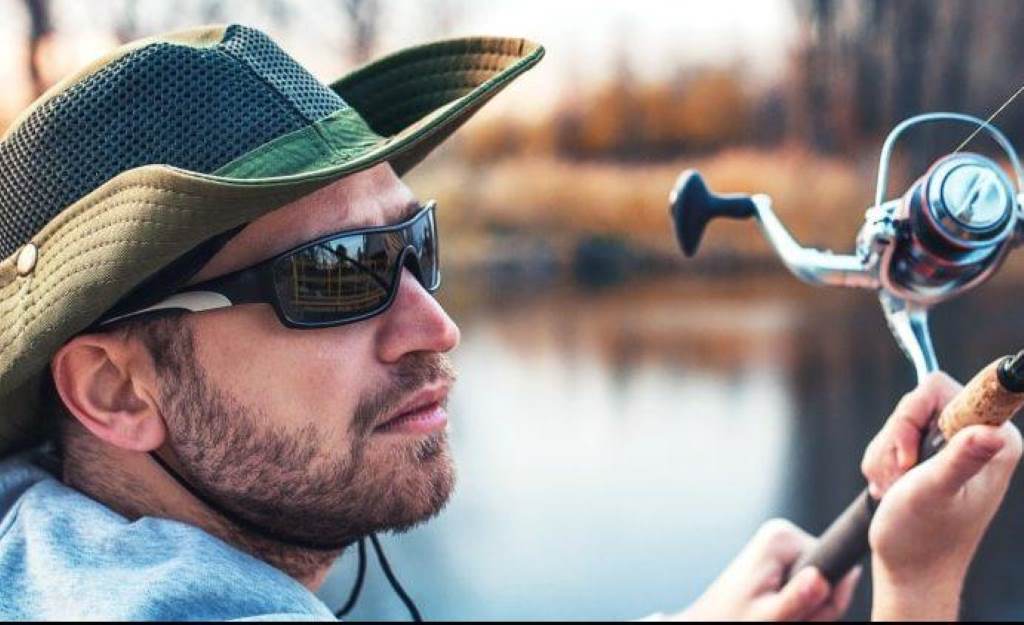
Fishing looks calm, yet your eyes work hard the entire time. Bright sunlight, reflective water, and glare can quickly reduce your ability to see beneath the surface. In fact, the American Optometric Association reports that prolonged UV exposure can increase the risk of eye damage, including cataracts. At the same time, studies show that polarized lenses can reduce glare by up to 99 percent, improving visual clarity significantly. If you want to fish smarter and safer, choosing the right fishing sunglasses matters. In this guide, you will learn how to select the best fishing sunglasses for clear vision and reliable eye protection.
Why Fishing Sunglasses Matter
Fishing sunglasses are not just about comfort. They directly affect your performance and safety.
First, they reduce glare from the water surface. This helps you spot fish, underwater structures, and movement more easily.
Second, they protect your eyes from harmful UV rays. Long exposure can damage your vision over time.
Third, they reduce eye strain. As a result, you stay focused longer and fish more effectively.
Without proper sunglasses, even experienced anglers struggle to read the water correctly.
Understanding Lens Technology
Polarized Lenses
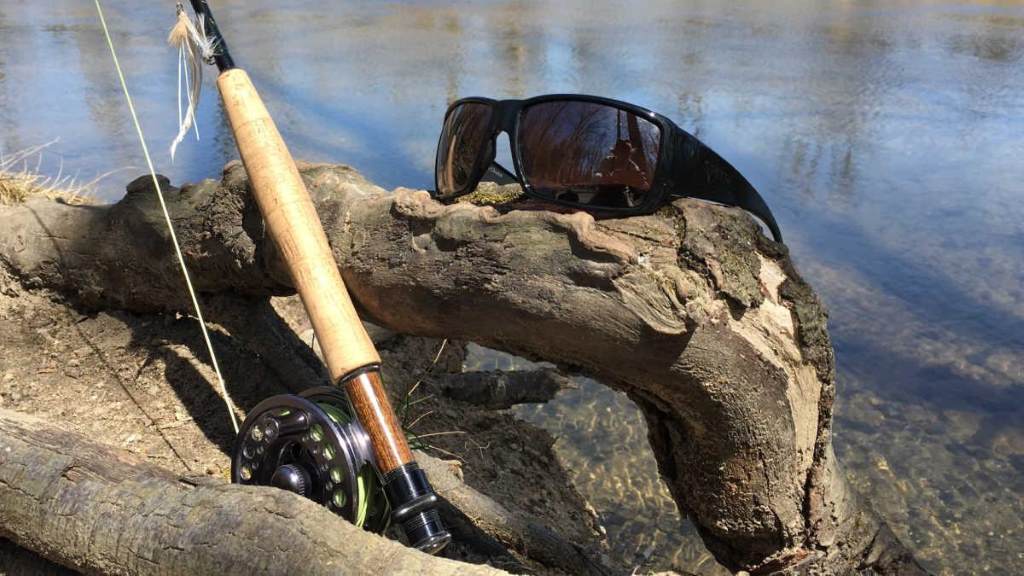
Polarized lenses are essential for fishing. They block horizontal light waves reflected off water surfaces.
Because of this, you can:
- See through the water more clearly
- Detect fish and underwater obstacles
- Reduce eye fatigue during long sessions
If you choose only one feature, make sure your sunglasses are polarized.
UV Protection
Look for lenses labeled with full UV protection. This ensures they block both UVA and UVB rays.
Even on cloudy days, UV rays can harm your eyes. Therefore, reliable protection is non negotiable.
Lens Material
Different materials affect durability and clarity.
Common options include:
- Glass lenses: excellent clarity and scratch resistance
- Polycarbonate lenses: lightweight and impact resistant
- Plastic lenses: affordable and flexible
For active fishing, polycarbonate works best due to its durability.
Choosing the Right Lens Color
Lens color plays a major role in visibility. Each color works better in specific conditions.
Gray Lenses
Gray lenses reduce brightness without distorting colors. They work well in bright sunlight.
Brown or Amber Lenses
These enhance contrast and depth perception. They are ideal for spotting fish in shallow water.
Green Lenses
Green lenses balance contrast and color accuracy. They perform well in mixed light conditions.
Blue Mirror Lenses
These are perfect for offshore fishing in bright, open water. They reduce intense glare effectively.
Frame Design and Comfort
Comfort matters as much as performance. You may wear sunglasses for hours, so the fit must be right.
Fit and Coverage
Choose frames that wrap around your face. This blocks light from entering the sides.
A snug fit prevents slipping when you move or sweat.
Weight
Lightweight frames reduce pressure on your nose and ears.
This helps you stay comfortable during long fishing trips.
Grip and Stability
Look for rubber nose pads and temple grips. These features keep your sunglasses in place.
Durability and Build Quality
Fishing conditions can be rough. Your sunglasses must handle exposure to water, wind, and impact.
Key durability features include:
- Scratch resistant coating
- Impact resistant lenses
- Corrosion resistant frame materials
Saltwater anglers should pay extra attention to corrosion resistance.
Matching Sunglasses to Fishing Conditions
Different environments require different features.
Freshwater Fishing
In lakes and rivers, brown or green lenses work best. They improve contrast and help you spot fish easily.
Saltwater Fishing
For open ocean fishing, blue mirror lenses are more effective. They handle intense sunlight and glare.
Low Light Conditions
During early morning or evening, amber lenses enhance visibility in low light.
Cloudy Weather
Yellow or light tinted lenses brighten your field of vision.
Additional Features to Consider
Anti Reflective Coating
This reduces glare from the back of the lens. It improves overall clarity.
Hydrophobic Coating
Water and sweat slide off easily. This keeps your vision clear.
Ventilation
Proper airflow prevents fogging. This is useful in humid conditions.
Prescription Options
If you wear glasses, consider prescription fishing sunglasses. They combine vision correction with protection.
Common Mistakes to Avoid
Many anglers choose sunglasses based on style alone. This often leads to poor performance.
Avoid these mistakes:
- Ignoring polarization
- Choosing the wrong lens color
- Buying oversized or loose frames
- Skipping UV protection
- Prioritizing appearance over function
Instead, focus on features that improve your fishing experience.
Practical Example
Imagine fishing on a sunny lake. Without polarized lenses, glare blocks your view. You cannot see fish below the surface.
Now switch to proper fishing sunglasses. Suddenly, the water becomes clearer. You spot movement and structure. Your chances of catching fish improve immediately.
This simple change shows how important the right sunglasses can be.
Conclusion
Choosing the best fishing sunglasses is not complicated when you know what to look for. Focus on polarized lenses, full UV protection, and the right lens color for your environment. At the same time, prioritize comfort and durability for long term use.
With the right pair, you will see more, fish better, and protect your eyes effectively. Take your time, choose wisely, and upgrade your fishing experience today.
FAQs
What are the best lens colors for fishing?
Brown, green, and blue mirror lenses are the most effective. Each works better in different lighting conditions.
Are polarized sunglasses necessary for fishing?
Yes, polarized lenses reduce glare and improve underwater visibility significantly.
Can fishing sunglasses protect against UV rays?
High quality fishing sunglasses block both UVA and UVB rays, protecting your eyes from damage.
Which material is best for fishing sunglasses?
Polycarbonate lenses are ideal due to their lightweight and impact resistance.
Do expensive sunglasses perform better?
Performance depends on features, not price. Focus on polarization, UV protection, and lens quality.