Nina Taylor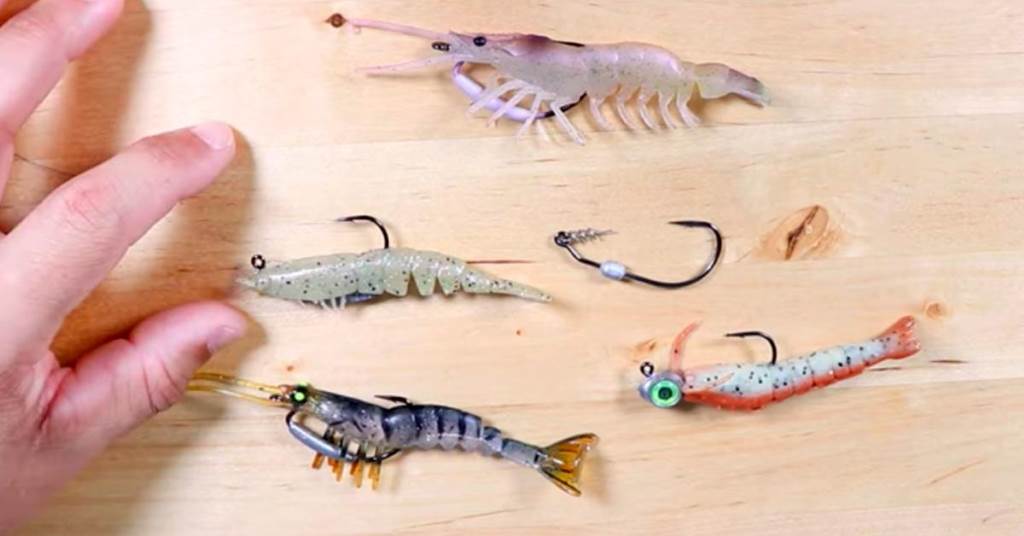
Saltwater fishing rewards skill, patience, and the right lure choice. Among all options, artificial shrimp lures stand out because they closely mimic one of the most common prey species in coastal waters. Studies from marine research programs show that over 60 percent of inshore predator fish rely on artificial shrimp lures for saltwater as a primary food source at some stage of their life cycle. That makes shrimp imitations a highly effective tool for anglers. In this guide, you will learn how to use artificial shrimp lures for saltwater fishing to increase your catch rate with practical, field tested methods.
Why Artificial Shrimp Lures Work So Well
Artificial shrimp lures succeed because they trigger a natural feeding response. Saltwater species such as redfish, speckled trout, snook, and flounder instinctively hunt shrimp in shallow flats and coastal waters.
Moreover, shrimp move in a very distinct way. They dart, pause, and glide. High quality lures replicate this behavior, which makes fish strike without hesitation.
Key reasons they outperform other lures
- They match a common food source in most saltwater environments
- They work in both clear and murky water
- They attract multiple species, not just one target fish
- They allow slow and controlled presentations
As a result, anglers who master shrimp lures often see consistent success across seasons.
Types of Artificial Shrimp Lures
Choosing the right type is essential. Not all shrimp lures behave the same, and each serves a different fishing condition.
Soft Plastic Shrimp
These are flexible and lifelike. They move naturally in the water and work well with jig heads.
Best for
- Calm water
- Slow retrieves
- Beginner anglers
Hard Body Shrimp Lures
These come with built in action and sometimes rattles. They create vibration and noise to attract fish.
Best for
- Murky water
- Aggressive fish
- Covering larger areas
Pre Rigged Shrimp Lures
These are ready to use out of the package. Many include weedless hooks and weighted bodies.
Best for
- Quick setup
- Fishing in grass or structure
- New anglers learning the basics
How to Rig Artificial Shrimp Lures Correctly
Rigging plays a major role in success. Even the best lure will fail if rigged poorly.
Common rigging methods
- Jig head rig
- Insert the hook straight through the body
- Ensure the lure sits straight
- Ideal for deeper water
- Weedless rig
- Hide the hook inside the lure body
- Prevent snagging in grass or rocks
- Perfect for shallow flats
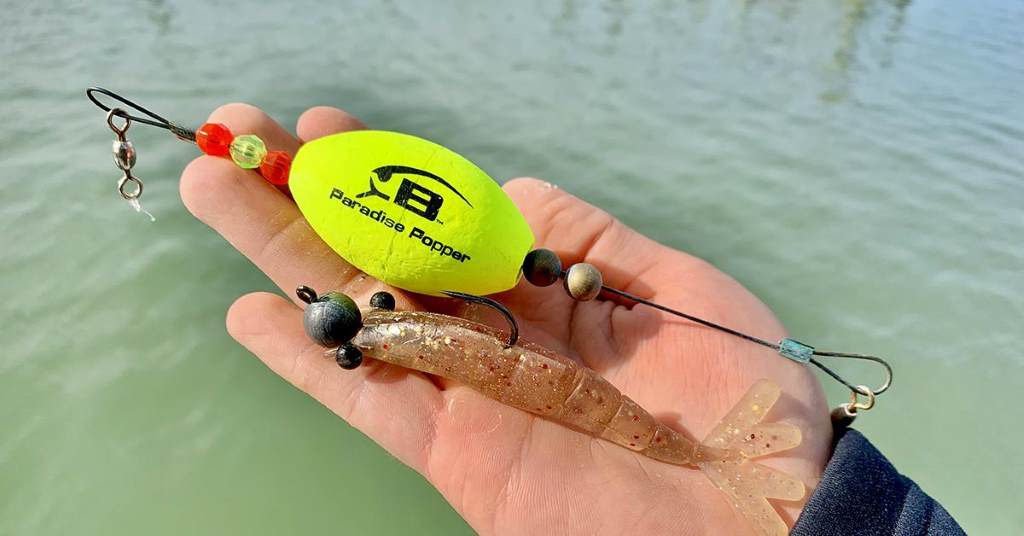
- Under popping cork
- Attach lure below a cork
- Creates sound and attracts fish
- Effective in windy or choppy water
Pro tip
Always check alignment. A crooked lure spins unnaturally and scares fish away.
Best Retrieval Techniques for Shrimp Lures
Presentation matters more than the lure itself. Fish respond to movement, not just appearance.
The slow drag method
Let the lure sink to the bottom. Then slowly drag it with small pauses. This mimics a feeding shrimp.
The twitch and pause technique
- Cast the lure
- Give short, sharp twitches
- Pause for a few seconds
Fish often strike during the pause, not the movement.
The popping cork method
- Pop the cork to create noise
- Let the lure sink naturally
- Repeat rhythmically
This method works especially well in murky water where visibility is low.
The lift and drop technique
Lift the rod tip slightly, then let the lure fall. This imitates a fleeing shrimp and triggers reaction strikes.
Best Conditions for Using Shrimp Lures
Timing and environment influence success. Even the perfect technique will fail in poor conditions.
Ideal fishing conditions
- Early morning and late evening
- Incoming or outgoing tides
- Shallow flats with grass or sand
- Areas with visible bait activity
Water clarity considerations
- Clear water: use natural colors like brown or translucent
- Murky water: use brighter colors like pink or chartreuse
Seasonal tips
During warmer months, fish feed more actively on shrimp. However, shrimp lures still work year round with proper adjustments.
Target Species That Love Shrimp Lures
Artificial shrimp lures are versatile. They attract a wide range of saltwater fish.
Top species to target
- Redfish
- Speckled trout
- Snook
- Flounder
- Tarpon
Each species reacts differently, so adjust your technique based on behavior. For example, flounder prefer slow bottom presentations, while trout respond to mid water movement.
Common Mistakes to Avoid
Even experienced anglers make mistakes with shrimp lures. Avoiding these will improve your results quickly.
Mistakes to watch for
- Retrieving too fast
- Using the wrong weight for depth
- Ignoring tides and current
- Not matching lure color to water clarity
- Skipping pauses during retrieve
Consistency improves when you stay patient and observe fish behavior.
Advanced Tips to Catch More Fish
Once you understand the basics, small adjustments can make a big difference.
Match the hatch
Observe real shrimp in the area. Match size, color, and movement as closely as possible.
Use scent attractants
Adding scent increases realism and encourages fish to hold onto the lure longer.
Adjust weight based on depth
- Shallow water: lighter weight
- Deep water: heavier jig head
Focus on structure
Fish gather near
- Mangroves
- Docks
- Grass beds
Casting near these areas increases your chances of success.
Stay stealthy
Move quietly and avoid sudden movements. Fish in shallow water are easily spooked.
Conclusion
Artificial shrimp lures offer one of the most reliable ways to catch saltwater fish. They imitate a natural food source, work in various conditions, and attract multiple species. By choosing the right lure, rigging it properly, and using effective retrieval techniques, you can significantly improve your results. Start applying these strategies on your next trip and refine your approach with each cast. The more you practice, the more confident and successful you will become.
FAQs
What is the best color for artificial shrimp lures?
Natural colors work best in clear water, while brighter colors perform better in murky conditions. Match the environment for best results.
Can beginners use shrimp lures effectively?
Yes. Pre rigged shrimp lures are simple to use and highly effective, making them ideal for beginners.
Do shrimp lures work in deep water?
Yes, but you need a heavier jig head to reach the bottom and maintain proper presentation.
When is the best time to use shrimp lures?
Early morning and late evening are ideal, especially during active tides.
How fast should I retrieve a shrimp lure?
Keep it slow with pauses. Fast retrieves reduce realism and lower strike rates.