Nina Taylor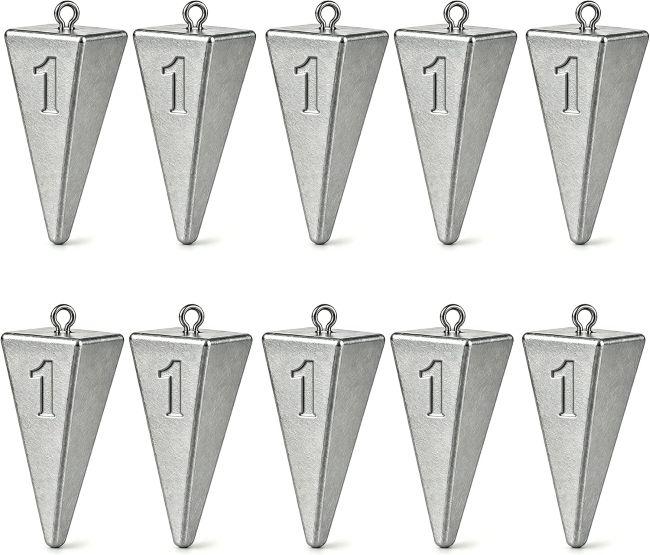
Key Takeaways
- The TKHDBF pyramid sinkers use a triangular profile that digs into sand and soft mud to hold your rig steady in surf and tidal currents.
- A pointed tapered tip penetrates soft bottoms quickly while the dense lead body carries bait to target depth efficiently.
- Flat angular sides resist rolling and unwanted drift, which keeps your bait positioned along the seabed.
- A wide weight range from 1oz to 16oz adapts to varied fishing conditions and target species.
- Versatile design works for surf, pier, and bottom fishing with live or cut bait in both saltwater and freshwater.
Surf fishing demands gear that holds position against constant water movement. Waves pull your rig sideways. Tidal currents drag your bait out of the strike zone. Round sinkers roll across the bottom and collect weeds that ruin your presentation. Each shift costs you a cast and tests your patience.
Holding bottom in moving water requires a weight designed to anchor. The TKHDBF pyramid fishing weights target this need with a triangular profile built to dig into sand and resist rolling. For surf, pier, and bottom fishing where current pushes standard weights around, that grip deserves a closer look.
Product at a Glance
TKHDBF Pyramid Sinkers Fishing Weights
| Feature | Details |
|---|---|
| Product Name | TKHDBF Pyramid Sinkers Fishing Weights |
| Shape | Pyramid (triangular) |
| Material | Lead |
| Color | Grey |
| Weight Options | 1oz, 2oz, 3oz, 4oz, 5oz, 6oz, 8oz, 10oz, 12oz, 14oz, 16oz |
| Bottom Type | Sand and soft mud |
| Fishing Types | Surf, pier, bottom fishing |
| Water Types | Saltwater and freshwater |
| Bait Types | Live and cut bait |
| Package Size | 10 pieces (1oz variant) |
Detailed Review
Why This Product Stands Out
Most fishing weights treat bottom holding as an afterthought. Round sinkers roll with the current and drag your bait out of the strike zone. Bank sinkers slide across hard bottoms without gripping. Egg weights lift off the bottom in heavy surf and tumble toward shore. The TKHDBF pyramid sinker solves this by using a triangular profile designed specifically to dig into soft bottoms.
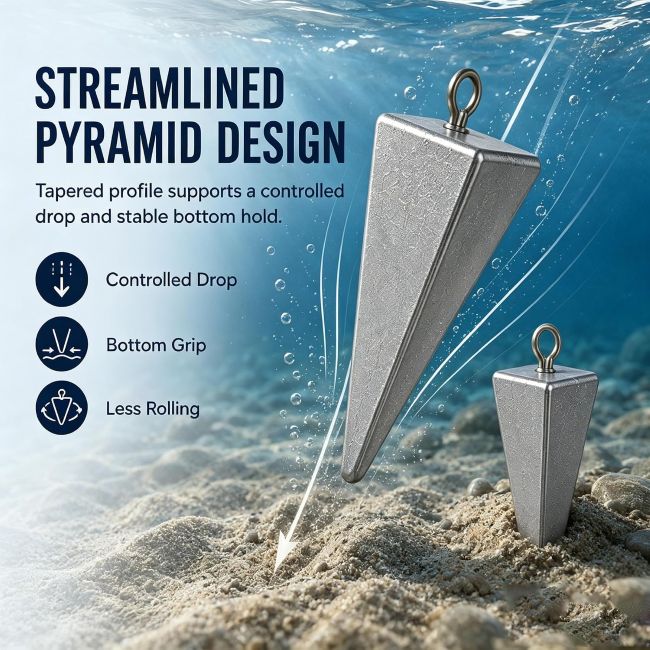
The pyramid shape sets these weights apart from round and flat alternatives. Three flat sides meet at a pointed tip that penetrates sand and soft mud on contact. Once buried, the angular sides resist rolling and drifting. That stability matters because a moving weight pulls your bait out of the feeding lane where fish are actively searching. A stationary rig keeps your presentation in the strike zone longer, which increases your chances of a hook-up.
Key Specifications
| Specification | Value |
|---|---|
| Shape | Pyramid (triangular) |
| Material | Lead |
| Color | Grey |
| Weight Range | 1oz to 16oz |
| Weight Increments | 1, 2, 3, 4, 5, 6, 8, 10, 12, 14, 16oz |
| Bottom Hold | Sand and soft mud |
| Roll Resistance | Flat angular sides |
| Sinking Profile | Tapered pointed tip |
| Water Types | Saltwater and freshwater |
| Fishing Methods | Surf, pier, bottom fishing |
| Bait Compatibility | Live and cut bait |
| Package Quantity | 10 pieces (1oz variant) |
Design & Build Quality
TKHDBF built these weights for anglers who fish moving water. The pyramid profile serves a specific engineering purpose. The pointed tip concentrates force on a small area during the descent, which drives the weight into soft substrate on impact. Once embedded, the flat sides create friction against the sand that resists lateral movement. That combination of penetration and grip is what keeps your rig anchored when current pushes against your line.
The grey finish reduces underwater visibility. Shiny lead reflects light that can spook pressured fish in clear water. The matte grey surface blends with sandy and muddy bottoms, which keeps the focus on your bait. That concealment matters most in clear surf conditions where fish inspect rigs before committing.
Materials & Construction
Lead forms the body of each weight. Lead density provides the mass needed to carry a cast far and sink quickly through turbulent surf. Lighter materials like brass or steel require larger profiles to achieve the same weight, which adds drag and visibility. Dense lead keeps the pyramid compact while delivering the holding power that moving water demands.
The construction maintains sharp edges on the pyramid sides. Rounded edges reduce grip and allow the weight to roll. TKHDBF preserves the angular profile through manufacturing, which ensures each flat side engages the bottom properly. The brass eyelet at the top provides a secure attachment point for your swivel or leader.
Performance
Performance for a surf weight comes down to holding power, sinking speed, and castability. The TKHDBF pyramid delivers on all three. The tapered tip cuts through the water column efficiently and penetrates soft bottoms on impact. The dense lead body carries enough momentum to bury the weight in sand, which anchors the rig against tidal movement.
The flat sides resist rolling when current hits the line. Round weights rotate under pressure and walk across the bottom. Pyramid weights stay planted because the angular sides dig deeper when pushed laterally. That self-anchoring behavior keeps your bait in position longer, which extends the time your presentation spends in the strike zone.
Comfort / Usability
Usability for terminal tackle comes down to how easily it integrates with your rig and how reliably it performs. The TKHDBF weights score well here. The top eyelet provides a simple attachment point for swivels and leaders. No special rigging is required. The weight range from 1oz to 16oz covers the full spectrum of surf and bottom fishing conditions.
Light weights (1-2oz) suit calm water and short casts from piers. Mid-range weights (3-6oz) handle moderate surf and typical beach fishing. Heavy weights (8-16oz) anchor rigs in heavy surf, strong tides, and deep water. That range lets you match the weight to the conditions without carrying multiple weight types.
Features Explained
Pyramid Profile for Bottom Holding
Digs Into Sand and Soft Mud
The triangular profile concentrates force on the pointed tip during descent. That concentration drives the weight into soft substrate on impact. Once buried, the flat sides create friction against the bottom that resists lateral movement. This design matters because surf and tidal currents push standard weights out of position. A weight that digs in keeps your rig anchored in the strike zone.
Tapered Tip for Quick Sinking
Efficient Depth Penetration
The pointed tip cuts through the water column with minimal drag. That efficiency matters because slow sinking lets current push your bait off course before it reaches the bottom. The dense lead body adds momentum that drives the tip into soft substrate on impact. Quick sinking puts your bait in the feeding lane faster and reduces drift during the descent.
Flat Angular Sides for Roll Resistance
Stable Bait Positioning
The flat sides of the pyramid resist rolling when current hits the line. Round weights rotate and walk across the bottom under pressure. Pyramid weights dig deeper when pushed laterally, which self-anchors the rig. That stability matters because a moving weight pulls your bait out of the feeding lane where fish are actively searching. A stationary rig keeps your presentation in the strike zone longer.
Dense Lead Construction
Castability and Sinking Power
Lead density provides the mass needed to carry a cast far and sink quickly through turbulent water. Lighter materials require larger profiles to achieve the same weight, which adds drag and visibility. Dense lead keeps the pyramid compact while delivering the holding power that surf fishing demands. The construction maintains sharp edges that engage the bottom properly.
Wide Weight Range From 1oz to 16oz
Adaptable to All Conditions
Weights ranging from 1oz to 16oz cover the full spectrum of surf and bottom fishing conditions. Light weights suit calm pier fishing. Mid-range weights handle moderate surf. Heavy weights anchor rigs in heavy surf and strong tides. That range matters because conditions change throughout a session and across different fishing locations. One weight type adapts to all scenarios.
Versatile Fishing Applications
Surf, Pier, and Bottom Fishing
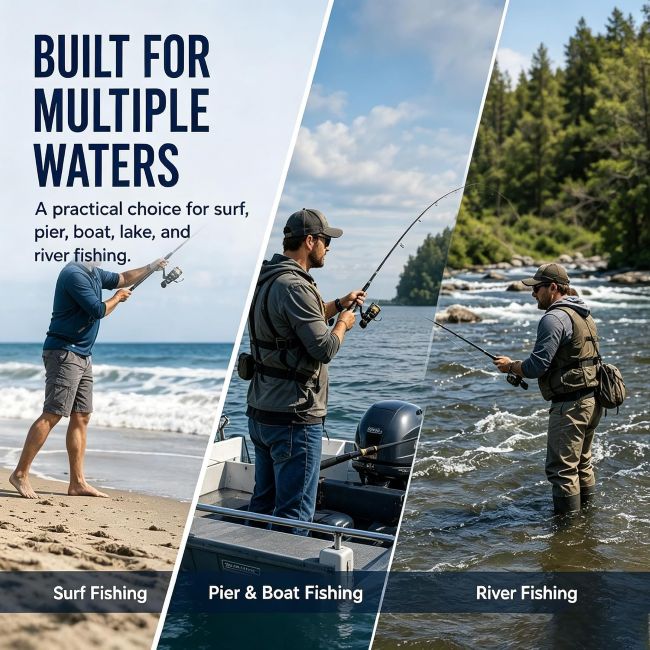
The pyramid design works for surf, pier, and bottom fishing with live or cut bait. That versatility matters because anglers fish different methods depending on location and target species. Surf casting requires holding power against waves. Pier fishing needs accurate depth placement. Bottom fishing demands stability in current. The pyramid weight handles all three applications effectively.
Saltwater and Freshwater Compatibility
Multi-Environment Use
The lead construction resists the corrosion that ruins steel or brass weights in saltwater. That resistance matters because surf fishing exposes gear to salt, sand, and constant moisture. One weight type works in both saltwater and freshwater without needing separate tackle. Rinse the weights with fresh water after saltwater use to preserve the finish and prevent oxidation.
Grey Matte Finish
Underwater Camouflage
The grey finish reduces underwater visibility. Shiny lead reflects light that can spook pressured fish in clear water. The matte grey surface blends with sandy and muddy bottoms, which keeps the focus on your bait. That concealment matters most in clear surf conditions where fish inspect rigs carefully before striking.
Real World Usage
Consider a surf angler casting into a breaking wave on a sandy beach. They rig a pyramid weight with a bottom rig and cut bait. The cast lands beyond the breakers. The tapered tip cuts through the turbulent water and buries itself in the sand on impact. Tidal current pushes against the line, but the flat sides dig deeper and hold the rig in place. The bait stays in the strike zone where stripers are feeding along the bottom.
Now picture a pier angler fishing a tidal current for bottom-dwelling species. They select a 3oz pyramid weight to hold bottom in the moving water. The weight sinks quickly and anchors in the soft mud. Current tries to roll the weight, but the angular sides resist movement. The bait stays positioned naturally along the bottom where fish are searching for food.
Benefits
- Pyramid profile digs into sand and soft mud for reliable bottom holding.
- Tapered tip penetrates soft bottoms quickly for fast depth placement.
- Flat angular sides resist rolling and unwanted drift in current.
- Dense lead construction provides castability and sinking power.
- Wide weight range from 1oz to 16oz adapts to all fishing conditions.
- Versatile design works for surf, pier, and bottom fishing.
- Saltwater and freshwater compatibility covers all environments.
- Grey matte finish reduces underwater visibility for stealthy presentations.
- Top eyelet provides simple and secure rig attachment.
- Self-anchoring behavior keeps bait in the strike zone longer.
Limitations
- Pyramid weights snag more on rocky or reef bottoms than round or egg weights.
- Lead carries environmental and health concerns for some anglers.
- Removing a buried pyramid from soft mud requires extra effort.
- Lead is a soft metal and may dent with heavy impact on hard surfaces.
- Not ideal for drifting presentations where you want the weight to move.
- 10-piece package may deplete quickly in snag-heavy fishing areas.
Who Should Buy It?
The TKHDBF pyramid weights suit surf anglers, pier fishermen, and bottom fishing enthusiasts who need to hold position in moving water. Anyone who fishes sandy or soft mud bottoms will appreciate the self-anchoring grip. Anglers who fish tidal currents and surf conditions will benefit from the roll-resistant design. If you need a weight that stays planted when current pushes against your line, the pyramid profile delivers that holding power.
Who Should Avoid It?
Skip these weights if you fish primarily rocky or reef bottoms. Pyramid weights snag in rocks more than round or egg weights. Anyone who prefers drifting presentations where the weight moves with the current should use sliding sinkers instead. Anglers with environmental concerns about lead should look at non-lead alternatives. Users who fish calm lakes with no current may find the holding power unnecessary.
Key Features Table
| Feature | Benefit |
|---|---|
| Pyramid profile | Digs into sand and soft mud for bottom holding |
| Tapered tip | Quick sinking and depth penetration |
| Flat angular sides | Resists rolling and drift in current |
| Dense lead construction | Castability and sinking power |
| 1oz to 16oz weight range | Adapts to all surf and bottom conditions |
| Versatile applications | Surf, pier, and bottom fishing |
| Saltwater and freshwater use | Multi-environment compatibility |
| Grey matte finish | Underwater camouflage for stealth |
| Top eyelet | Simple and secure rig attachment |
| Self-anchoring design | Keeps bait in the strike zone longer |
Pros & Cons
| Pros | Cons |
|---|---|
| Reliable bottom holding in surf | Snags more on rocky bottoms |
| Quick sinking tapered tip | Lead carries environmental concerns |
| Resists rolling in current | Harder to remove from deep mud |
| Wide weight range available | Lead may dent on hard surfaces |
| Versatile fishing applications | Not for drifting presentations |
| Saltwater and freshwater safe | 10-piece pack depletes in snaggy areas |
| Grey finish for stealth | |
| Simple rig attachment |
Cleaning Tips
Rinse the weights thoroughly with fresh water after each saltwater trip. Salt residue left on lead causes discoloration and transfers to your tackle box over time. Dry the weights completely before storing them to prevent oxidation and corrosion of any accompanying metal components like swivels or clips. Inspect the eyelet for signs of wear or corrosion after heavy use. A corroded eyelet can fail under the pressure of a cast or a fighting fish.
Maintenance Tips
Inspect the pyramid edges for deformation after heavy use. Lead is a soft metal and may dent or flatten with impact on hard surfaces. Minor dents do not affect performance, but flattened tips reduce penetration into soft bottoms. Check the eyelet for signs of loosening or cracking. Store the weights in a dry tackle compartment away from moisture to preserve the grey finish and prevent oxidation. Keep weights separated by size for quick access during rigging changes on the water.
Troubleshooting Tips
When your rig keeps moving despite using a pyramid weight, consider a heavier size for stronger currents. Lighter weights can lift from the bottom in rough surf and drift with the current. For frequent snags on rocky bottoms, consider a round or egg-shaped weight that moves more easily over obstacles. Should the weight sink too deeply into soft mud, try a lighter size or different shape for easier retrieval. When the eyelet shows corrosion, replace the weight to reduce the risk of losing your rig during a cast.
What Real Buyers Appreciate
Buyers consistently praise the bottom-holding grip as the standout feature. Many describe keeping their rigs stationary in surf conditions where round weights rolled and drifted. Surf anglers highlight the quick sinking and penetration into soft sand. The variety of weight sizes earns frequent mention from users who fish different conditions. Several note the weights snag more on rocky bottoms but accept that as a characteristic of the pyramid design. Overall sentiment centers on reliable holding power that outperforms round and egg weights in moving water.
Frequently Asked Questions
How do pyramid weights hold the bottom?
The pyramid profile concentrates force on the pointed tip during descent. That force drives the weight into soft sand and mud on impact. Once buried, the flat angular sides create friction against the bottom that resists lateral movement from current and waves. The weight digs deeper when pushed, which self-anchors the rig.
What weight sizes are available?
Weights range from 1oz to 16oz in increments of 1, 2, 3, 4, 5, 6, 8, 10, 12, 14, and 16oz. Light weights suit calm pier fishing. Mid-range weights handle moderate surf. Heavy weights anchor rigs in strong tides and heavy surf.
Can pyramid weights be used in freshwater?
Yes. The lead construction works in both freshwater and saltwater. Pyramid weights hold bottom in rivers and reservoirs with soft bottoms and moving current. Rinse the weights with fresh water after saltwater use to preserve the finish.
Do pyramid weights snag on rocks?
Pyramid weights snag more on rocky or reef bottoms than round or egg weights. The flat sides and pointed tip catch on crevices and hard surfaces. For rocky bottoms, use round or egg weights that roll over obstacles instead of digging in.
How many weights are included in the package?
The package size depends on the specific variant purchased. The 1oz variant includes 10 pieces. Other variants may include different quantities based on weight size, with heavier weights typically including fewer pieces per package.
Are these weights suitable for drifting presentations?
No. Pyramid weights are designed to hold bottom and resist movement. For drifting presentations where you want the weight to move with the current, use sliding sinkers or egg weights that roll along the bottom naturally.
Is the lead material safe to handle?
Lead is a toxic material that carries health warnings. Wash your hands after handling lead weights, especially before eating or smoking. Store lead weights out of reach of children and pets. Consider wearing gloves when rigging weights to minimize direct contact.
Are there non-lead alternatives available?
Yes. Non-lead alternatives such as tungsten, steel, or bismuth exist for anglers with environmental concerns. Lead remains the most common material due to its density and cost, but alternatives are available for those who prefer to avoid lead in their rigs.
Final Verdict
The TKHDBF pyramid fishing weights earn their place by solving the bottom-holding problem that frustrates surf and pier anglers. If you’re also building a complete setup, the Best Saltwater Fishing Accessories guide can help you explore other useful gear for saltwater trips. The pyramid profile, tapered tip, and flat angular sides address the three issues that cause standard weights to fail in moving water. Rolling, drifting, and poor penetration each get dedicated solutions in one triangular design.
The limitations are honest. Pyramid weights snag on rocky bottoms and lead carries environmental concerns. For anyone who fishes sandy or soft mud bottoms in surf and tidal current, these trade-offs feel reasonable. These weights deliver genuine value through holding power that keeps your bait in the strike zone where fish are feeding.
Call To Action
If your surf or pier fishing needs weights that dig in and hold bottom against moving water, the TKHDBF pyramid sinkers are a smart investment. Check current pricing and availability today, and stop watching your rig drift out of the strike zone with every wave.