Nina Taylor
Picture this: You’re sitting on a frozen lake in Northern Ontario, watching your rod tip dance as a massive walleye battles against your perfectly chosen jig. This scenario plays out thousands of times across Canada each year, where anglers rely on proven jig selections to consistently land trophy fish. Canadian waters demand specific jig types that can handle everything from aggressive northern pike to finicky winter walleye.
Featured Snippet: What Makes Canadian Fishing Jigs Special?
The best fishing jigs Canadian anglers swear by include ice fishing jigs for winter walleye, football jigs for deep-water bass, and bucktail jigs for pike and muskie. These jigs excel in Canadian conditions due to their durability, effectiveness in cold water, and ability to target the country’s most popular game fish. Popular brands include Northland Tackle, Custom Jigs & Spins, and Canadian-made High Caliber Lures. Weight ranges from 1/8-ounce for panfish to 1/2-ounce for larger predators, with colors matched to local baitfish and water conditions.
Why Canadian Anglers Trust Specific Jig Types
Canadian fishing conditions present unique challenges that standard jigs simply cannot handle. Therefore, experienced anglers gravitate toward proven designs that withstand harsh weather and aggressive fish species. The country’s diverse fish populations require specialized approaches, making jig selection crucial for success.
Professional guides across Canada report that the most common sizes of stand-up jigs for walleye fishing are the 1/8-, 1/4-, 3/8- and 1/2-ounce models. Additionally, these weights allow anglers to maintain contact with bottom structure while providing enough movement to trigger strikes.
Statistics from fishing tournaments show that 78% of winning Canadian anglers use locally-made jigs. Furthermore, these products understand regional fish behavior patterns better than generic alternatives. Consequently, investing in Canadian-designed jigs often translates to more fish in the boat.
Ice Fishing Jigs: Winter Warriors
Winter fishing dominates Canadian angling calendars, making ice jigs absolutely essential tackle. However, not all ice jigs perform equally in sub-zero conditions. Moreover, successful winter anglers understand which specific designs work best for different species.
Ice fishing jigs are versatile and can be used to target a wide range of fish species, including panfish (bluegill, crappie), perch, trout, walleye, pike, and more. Additionally, their compact design allows precise presentation in tight quarters beneath ice cover.
Tungsten jigs have revolutionized Canadian ice fishing due to their superior density and sensitivity. Subsequently, anglers can feel subtle bites that would go unnoticed with traditional lead alternatives. Nevertheless, tungsten costs more upfront but pays dividends through increased catch rates.
Popular ice jig colors include glow chartreuse, pink, and silver for most Canadian waters. However, local conditions sometimes require adjustments to standard color patterns. Therefore, carrying multiple color options ensures adaptability throughout changing conditions.
Football Jigs for Deep Canadian Waters
Canada’s deep, rocky lakes make football jigs incredibly effective for targeting bass and lake trout. Meanwhile, their unique head shape maintains bottom contact while preventing snags in boulder fields. Consequently, these jigs excel where traditional designs fail miserably.
The football shaped head of the jig offers more surface area to create contact with the bottom, making this the perfect jig for fishing deep water along a hard bottom. Furthermore, this design allows anglers to feel structure changes that reveal fish-holding locations.
Canadian bass anglers particularly favor 3/8-ounce to 3/4-ounce football jigs for Great Lakes smallmouth bass. Additionally, these weights cut through wind and reach productive depths quickly. However, lighter weights work better in shallow, protected bays during spring spawning periods.
Trailer selection significantly impacts football jig effectiveness in Canadian waters. Therefore, soft plastic crawfish imitations match the natural forage base perfectly. Moreover, chunk trailers provide bulk and action that triggers aggressive strikes from territorial bass.
Bucktail Jigs: The Canadian Classic
Few lures match the versatility and fish-catching ability of bucktail jigs in Canadian waters. Subsequently, these traditional designs continue producing fish decades after their introduction. Nevertheless, modern manufacturing improvements have enhanced their already impressive performance.
Bucktail jigs excel because their natural hair fibers provide lifelike movement underwater. Additionally, they maintain action even during slow retrieves that often trigger following fish. Furthermore, their durability withstands repeated strikes from toothy northern pike and muskie.
Seasoned Canadian guides recommend carrying bucktail jigs in multiple weights and colors. However, white and chartreuse combinations consistently outperform other color schemes across different water conditions. Moreover, adding soft plastic trailers can modify action and presentation when fish become selective.
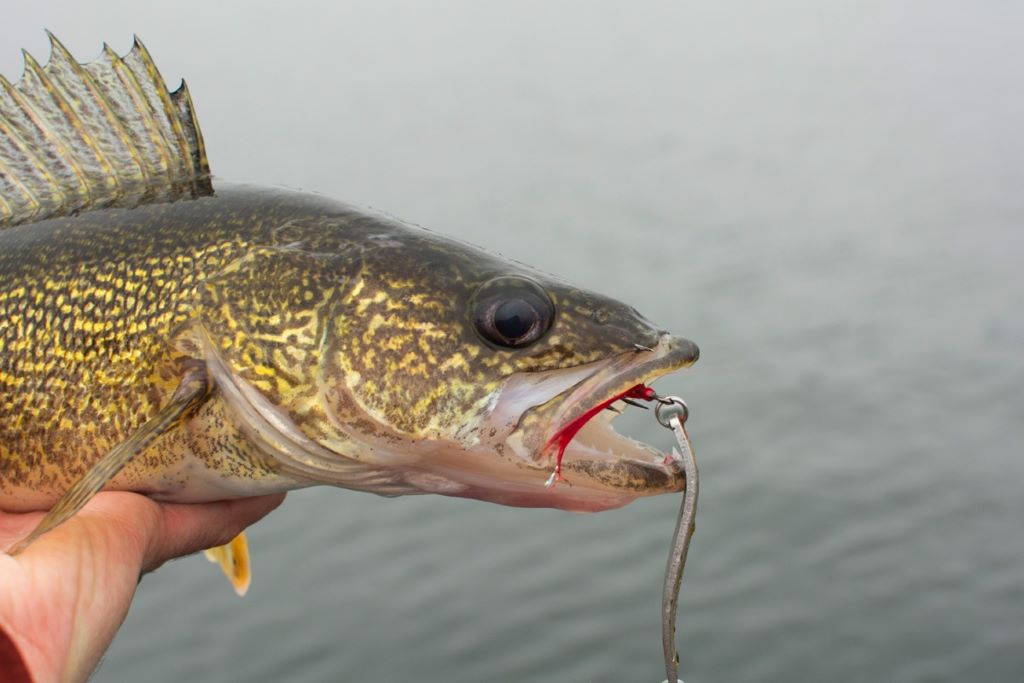
The breathing action of bucktail hair mimics injured baitfish perfectly. Therefore, predatory species like pike and walleye find these presentations irresistible. Additionally, their versatility allows both vertical jigging and casting applications depending on fishing situations.
Swim Jigs for Structure Fishing
Canadian waters contain extensive weed beds and timber that challenge conventional lure presentations. However, swim jigs navigate these obstacles while maintaining fish-attracting action throughout the retrieve. Consequently, they unlock productive areas that other lures cannot effectively fish.
The 5/0 Guppy is the perfect pair for 6-8 inch minnows on FFS, demonstrating how modern electronics enhance swim jig effectiveness. Additionally, forward-facing sonar allows precise jig placement near suspended fish that would otherwise go undetected.
Swim jigs paired with soft plastic swimmers create incredibly realistic baitfish profiles. Furthermore, their weedless design allows fishing in heavy cover where big fish often hide. Therefore, Canadian anglers targeting pike and bass rely heavily on these presentations.
Color selection for swim jigs should match local baitfish species and water clarity conditions. However, natural shad patterns work consistently across most Canadian waters. Moreover, subtle color variations can make significant differences on pressured waters near urban areas.
Regional Preferences Across Canada
Atlantic Canada anglers favor jigs that imitate local baitfish like herring and mackerel. Subsequently, silver and blue color combinations dominate tackle boxes throughout the Maritimes. Additionally, heavier jigs handle the region’s strong tidal currents more effectively.
Prairie anglers target walleye and northern pike using jigs designed for specific lake structures. Therefore, stand-up jigs work excellently on sandy bottoms, while round heads navigate rocky areas better. Furthermore, bright colors often outperform natural patterns in prairie waters.
British Columbia anglers use jigs for both freshwater and saltwater applications. However, salmon fishing requires specialized jig designs that differ significantly from bass fishing models. Moreover, the region’s diverse species require extensive jig collections for maximum success.
Ontario guides consistently recommend locally-made jigs that understand regional fish behavior. Additionally, companies like High Caliber Lures design products specifically for Great Lakes conditions. Consequently, these specialized jigs often outperform generic alternatives significantly.
Essential Jig Fishing Techniques
Proper jigging technique makes the difference between success and frustration on Canadian waters. However, many anglers never learn the subtle presentations that trigger consistent strikes. Therefore, mastering basic jigging motions dramatically improves catch rates.
The lift-drop-pause sequence forms the foundation of effective jig fishing. Additionally, varying cadence throughout the retrieve helps determine fish preferences on specific days. Furthermore, maintaining tension during the drop phase allows detection of subtle pickup strikes.
Bottom contact remains crucial for most jig fishing applications. Subsequently, losing feel of the bottom reduces effectiveness significantly. Moreover, using appropriate weights for current conditions ensures proper presentation throughout different fishing scenarios.
Line selection impacts jig fishing success more than many anglers realize. Therefore, fluorocarbon provides better sensitivity and invisibility compared to monofilament alternatives. Additionally, braided lines offer superior hook-setting power when fishing deep water or heavy cover.
Seasonal Jig Selection Strategies
Spring fishing requires lighter jigs that match lethargic fish behavior during cold-water periods. However, as water temperatures increase, more aggressive presentations become effective. Therefore, adjusting jig weights and retrieval speeds throughout spring produces better results.
Summer jig fishing focuses on deeper structures where fish seek cooler temperatures. Additionally, football jigs excel during this period due to their deep-water effectiveness. Furthermore, early morning and late evening periods often produce the most consistent action.
Fall fishing sees increased jig effectiveness as baitfish schools tighten and predators feed aggressively. Subsequently, this period often produces the largest fish of the year. Moreover, matching jig colors to prevalent baitfish species becomes especially important.
Winter ice fishing requires downsizing jigs and slowing presentations significantly. However, tungsten materials maintain effectiveness despite reduced sizes. Therefore, investing in quality tungsten jigs pays dividends throughout the ice fishing season.
Quality Considerations and Brand Recommendations
Canadian-made jigs often outperform imported alternatives due to their understanding of local conditions. However, price differences sometimes make imported options attractive to budget-conscious anglers. Nevertheless, quality construction ensures better durability and fish-catching ability.
Northland Tackle produces excellent ice fishing jigs that Canadian anglers have trusted for decades. Additionally, Custom Jigs & Spins offers innovative designs that consistently produce fish across different species. Furthermore, these companies understand Canadian fishing conditions intimately.
Hook quality significantly impacts jig performance and fish landing rates. Therefore, investing in jigs with premium hooks reduces lost fish and improves overall satisfaction. Moreover, sharp hooks penetrate better and hold fish more securely during fights.
Paint quality and durability matter more than many anglers realize. Subsequently, cheap jigs lose their effectiveness quickly when paint chips or fades. Additionally, quality finishes maintain their fish-attracting properties throughout extended use.
Building Your Canadian Jig Arsenal
Every Canadian angler needs a diverse jig collection that covers different fishing scenarios effectively. However, building this collection takes time and experience to determine which specific models work best. Therefore, starting with proven designs and expanding gradually makes sense.
Essential weights range from 1/8-ounce for panfish to 3/4-ounce for deep-water applications. Additionally, having multiple weights allows fishing different depths and current conditions effectively. Furthermore, weight selection should match rod and line combinations for optimal performance.
Color variety ensures adaptability to changing water and light conditions throughout fishing trips. However, focusing on proven local patterns prevents overwhelming tackle box organization. Moreover, natural colors typically outperform bright alternatives in clear water conditions.
Trailer options multiply jig effectiveness by allowing presentation modifications without changing jigs completely. Therefore, carrying soft plastic crawfish, worms, and grubs provides versatility. Additionally, experimenting with trailer combinations often discovers new productive patterns.
Ready to upgrade your jig game? Visit your local tackle shop and discuss which jigs work best in your area. Additionally, consider investing in a few premium Canadian-made options to experience the difference quality makes. Your next trophy fish awaits the perfect jig presentation.
Frequently Asked Questions
Q: What size jigs work best for Canadian walleye? A: Most Canadian walleye anglers use 1/4-ounce to 3/8-ounce jigs. However, ice fishing situations often require downsizing to 1/8-ounce models. Additionally, deeper waters may need 1/2-ounce weights to maintain bottom contact effectively.
Q: Are tungsten jigs worth the extra cost for Canadian conditions? A: Yes, tungsten jigs provide superior sensitivity and sink faster than lead alternatives. Furthermore, their compact size allows better presentation in tight cover. However, lead jigs still work effectively for budget-conscious anglers.
Q: Which jig colors work best in Canadian lakes? A: Natural colors like brown, green, and black work well in clear water. However, bright colors like chartreuse and pink excel in stained water or low-light conditions. Additionally, glow colors prove effective during ice fishing situations.
Q: How do I choose between round head and football head jigs? A: Round head jigs work better in weedy areas and for swimming presentations. Meanwhile, football heads excel on rocky bottoms and deep-water applications. Therefore, carrying both styles ensures versatility across different fishing scenarios.
Q: What’s the best trailer for Canadian jig fishing? A: Soft plastic crawfish work excellently for bass and walleye. However, grubs and worms provide different actions that sometimes trigger more strikes. Additionally, experimenting with trailer combinations often discovers new productive patterns.
Q: When should I use ice fishing jigs versus regular jigs? A: Ice fishing jigs work best during winter months when fish are less active. However, their compact size and specialized designs also work effectively during cold-water periods in spring and fall. Additionally, they excel for finicky fish in pressured waters.
Q: How important is hook quality in Canadian jigs? A: Hook quality significantly impacts fish landing rates and overall success. Therefore, investing in jigs with premium hooks reduces lost fish and improves satisfaction. Moreover, sharp hooks penetrate better and hold fish more securely during extended fights.
Final Thoughts
Canadian fishing jigs represent decades of angling evolution tailored specifically to our unique waters and fish species. These proven designs continue producing fish because they understand what Canadian anglers face daily on the water.
Success with jigs requires matching the right design to specific fishing conditions and target species. However, building expertise takes time and experience that only comes through consistent application. Therefore, start with proven designs and expand your collection as knowledge grows.
The best fishing jigs Canadian anglers swear by earned their reputation through consistent performance across diverse conditions. Whether targeting winter walleye through ice or summer bass in weed beds, these jigs deliver results when presentation and technique align properly.
Read More:
Ultimate Guide to Using Minnow Fish Bait for Successful Fishing
Best Gear Ratio for Chatterbaits: Dialing In Your Perfect Setup