Nina Taylor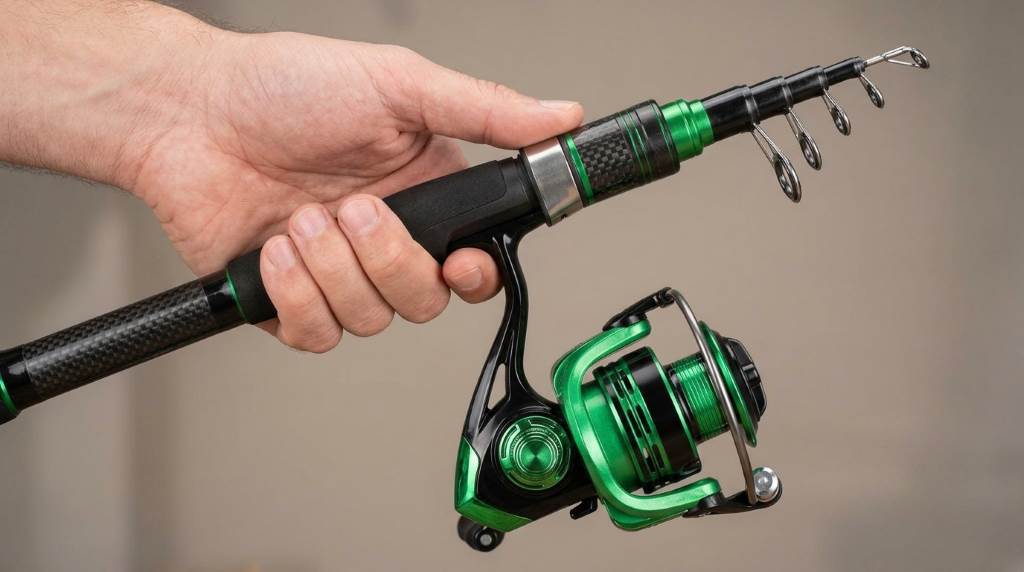
Using a Ghosthorn telescopic combo starts with extending each section, loading the reel, and threading the line correctly. Then, match your lure to the setup, cast smoothly, and adjust the drag before fishing. The Ghosthorn Telescopic Fishing Combo suits anglers who value compact storage and simple transport. Fishing participation reached 57.9 million Americans in 2024, showing strong interest in recreational fishing. That same report recorded 895 million fishing outings during the year. Therefore, a portable setup can make spontaneous fishing trips much easier.
Key Takeaways
- Extend every rod section carefully before attaching terminal tackle.
- Thread the fishing line through every guide before casting.
- Set the drag before your first cast, not after a fish bites.
- Use smooth casting motions instead of aggressive snapping.
- Keep telescopic sections clean to prevent sticking and damage.
- Rinse the setup after saltwater use and dry it thoroughly.
Understand the Combo Before Fishing
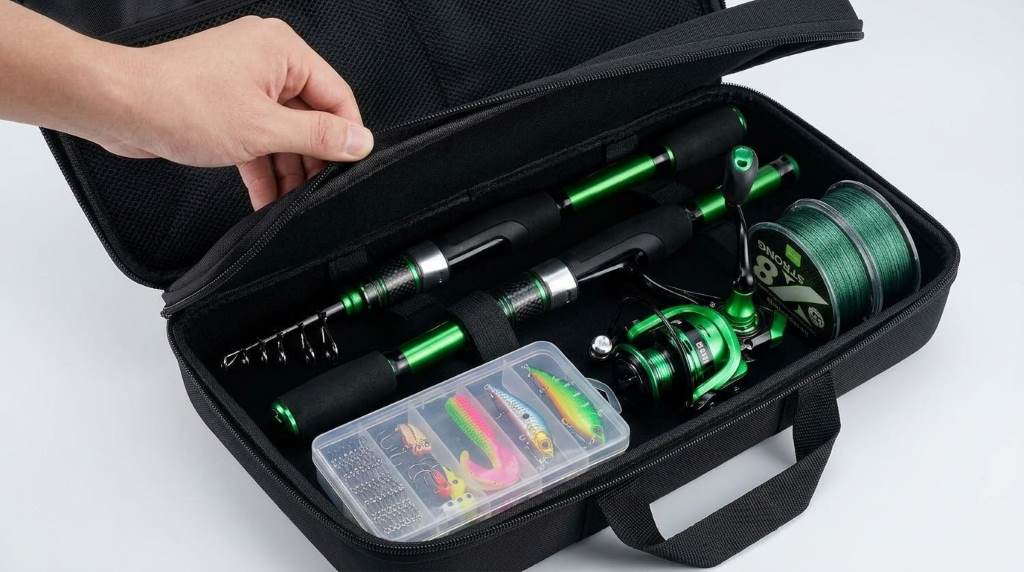
A telescopic combo combines a collapsible rod with a spinning reel. Ghosthorn offers several combo configurations, so package contents can vary by model. Therefore, inspect your specific package before following a fixed accessory list.
Most Ghosthorn combos focus on portability, simple handling, and general recreational fishing. The telescopic design lets the rod collapse into a compact travel size. That feature makes the setup useful for backpacks, vehicles, camping trips, and casual shore fishing.
Check Every Component First
Lay every component on a clean surface before assembling the setup. Check the rod sections, reel, line, lures, hooks, and carrying case. Also inspect the guides for cracks, sharp edges, or loose inserts.
Next, turn the reel handle slowly and watch the spool. The spool should rotate smoothly without unusual grinding or side movement. If something feels abnormal, correct it before adding fishing line.
Extend the Telescopic Rod Correctly
Telescopic rods require more care during extension than traditional one piece rods. Begin with the thickest section and work toward the thinner tip. Extend each section gently until it seats firmly against the previous section.
Keep the rod straight while extending it. Avoid forcing a section when it feels stuck or unusually tight. Instead, retract the affected section slightly and inspect the joint for dirt.
Keep the Guides Aligned
After extending each section, rotate the guides until they form one straight path. Proper alignment helps the line travel smoothly during casting and retrieving. It also reduces unnecessary contact between the line and guide frames.
Finally, inspect every joint once more before attaching your lure. A partially extended section can shift during a cast or fight. That movement can create poor rod action and unnecessary stress near the joint.
Attach and Prepare the Spinning Reel
Place the reel foot inside the rod’s reel seat. Then tighten the locking ring until the reel sits firmly without excessive force. A secure reel should not wobble when you hold the rod normally.
Check the handle position before fishing. Most spinning reels allow the handle to work from either side. Set the handle on the side that feels natural for your dominant hand.
Check the Drag Before Spooling
The drag controls how easily line leaves the spool when a fish pulls. Turn the drag knob gradually until you feel consistent resistance. Avoid locking the drag completely because fish can make sudden runs.
Start with moderate resistance for general freshwater fishing. You can increase or decrease tension after testing the line. The correct setting should protect the line while giving you control.
Load the Fishing Line Without Creating Tangles
Place the line spool so the line leaves it in a direction that reduces unnecessary twists. Open the reel bail before attaching the line to the spool. Then secure the line using a reliable arbor knot or suitable spool knot.
Close the bail and begin winding slowly. Maintain light tension while guiding the line across the spool. Keep the line evenly distributed instead of creating a raised pile on one side.
Thread the Line Through Every Guide
Once the spool contains enough line, open the bail again. Pull several inches of line from the spool and pass it through each rod guide. Start near the reel and finish at the smallest guide near the tip.
Check the path from the spool to the tip before attaching your lure. The line should pass cleanly through every guide without crossing around the rod. This simple check prevents many first cast problems.
Choose the Right Lure and Terminal Tackle
Match your lure weight to your specific Ghosthorn rod model. The correct weight depends on the rod length, power, and manufacturer specifications. Never assume every Ghosthorn telescopic combo handles identical lure weights.
For general freshwater fishing, lightweight soft plastics, small spinners, and compact jigs often work well. Bobbers and live bait can also suit beginners who want simple presentations. However, always match hooks and weights to your target species.
Use the Included Tackle Wisely
If your package includes lures and hooks, inspect each item before use. Replace damaged hooks because dull points reduce reliable hook penetration. Also check knots regularly after catching fish or contacting underwater cover.
Do not attach every included accessory simply because it came inside the package. Instead, select one presentation that fits your target species. A simple setup often makes casting and bite detection easier.
Set Up the Combo for Your First Cast
Let the lure hang roughly one foot below the rod tip. Hold the rod comfortably and place your index finger against the fishing line. Then open the bail while keeping controlled tension on the line.
Move the rod backward using a smooth motion. Pause briefly as the lure loads the rod tip. Then move forward and release the line with your index finger.
Cast With a Smooth Motion
Telescopic rods respond better to controlled casting than sudden, aggressive movements. Let the rod load naturally instead of forcing the blank through the cast. This approach can also improve accuracy and reduce line problems.
After the lure lands, close the bail manually. Then remove excess slack before beginning your retrieve. Manual bail closure can help reduce unnecessary line twist during regular spinning reel use.
Retrieve the Lure and Manage the Line
Start your retrieve at a steady speed after the lure reaches the desired depth. Keep slight tension between the lure and rod tip. Adjust the retrieve when fish respond differently to your initial presentation.
Watch the line as you retrieve. Sudden slack, sideways movement, or unusual tension can indicate a bite. When you detect a strike, respond with controlled rod movement instead of violently pulling upward.
Fight Fish Without Overloading the Rod
Keep the rod at a moderate angle while maintaining steady pressure. Let the reel drag absorb sudden runs instead of relying entirely on your arms. Guide the fish away from rocks, branches, and other obstacles when possible.
A telescopic rod needs careful handling during a fight. Avoid high sticking, which places excessive stress near the upper sections. Keep pressure progressive and let the rod’s bend help maintain tension.
Use the Combo Safely Around Cover
Telescopic combos work well around many accessible fishing spots. However, branches and thick vegetation can catch the upper sections during casting. Therefore, check your casting path before releasing the lure.
Reduce casting power when fishing beside docks, trees, or narrow banks. A shorter controlled cast often gives better accuracy than a powerful swing. This method also lowers the chance of striking the rod against nearby objects.
Prevent Common Telescopic Rod Problems
Many telescopic rod problems start with dirt inside the sections. Sand, grit, and dried residue can prevent smooth extension or retraction. Clean the rod before storing it after every demanding trip.
Fix a Stuck Rod Section
Never force a stuck section with excessive twisting or bending. First, inspect the joint for sand, moisture, or visible damage. If necessary, retract adjacent sections and clean the exposed area carefully.
After cleaning, try gentle movement again. Stop immediately if the section remains firmly stuck or shows cracking. Excessive force can damage the blank and create a more expensive repair.
Reduce Line Twist
Line twist can develop when the lure spins repeatedly during retrieval. It can also appear when anglers reel against excessive slack. Keep consistent tension and check your lure when twisting becomes noticeable.
If twisting continues, remove the lure and let the line trail behind you. Walk slowly along a clear shoreline while allowing the line to straighten. Then reel it back under controlled tension.
Clean the Combo After Fishing
Freshwater fishing still exposes your equipment to dirt, algae, and moisture. Wipe the rod and reel after each trip before placing them inside the case. Pay particular attention to telescopic joints and guide areas.
Saltwater requires additional care because salt residue can accelerate corrosion. Rinse appropriate exterior surfaces with clean fresh water after saltwater use. Then dry the combo completely before collapsing and storing it.
Collapse the Rod Carefully
Retract the rod from the tip toward the handle section. Support each section instead of allowing sections to slam together. Keep your movements slow so the sections seat without unnecessary impact.
Once collapsed, place the rod inside its protective case when available. Avoid storing heavy tackle directly against the fragile tip section. Good storage habits can extend the useful life of a telescopic setup.
Improve Casting Accuracy With Simple Practice
Practice casting before your first serious fishing trip. Use a practice plug or another safe training weight in an open area. Begin with short casts and focus on smooth release timing.
Place a target several yards away and aim for the same area repeatedly. Gradually increase distance after your release becomes consistent. This practice builds control without wasting fishing time on the water.
Use Wind to Your Advantage
Strong wind can make lightweight lures difficult to control. Lower your casting trajectory when wind affects accuracy. You can also use slightly heavier tackle when your rod specifications allow it.
When conditions become difficult, shorten the cast rather than forcing extra distance. Controlled placement often produces better results than maximum casting distance. Always keep the lure weight within the rod’s stated range.
When This Combo Makes Sense
A Ghosthorn telescopic combo makes sense when portability matters as much as fishing performance. It can serve travelers, casual anglers, campers, and beginners who need compact equipment. The collapsed design also helps anglers keep a fishing setup ready inside a vehicle.
However, serious anglers may need specialized rods for specific techniques or heavier applications. Telescopic construction prioritizes compact storage, so it involves different handling requirements. Therefore, match the combo to your fishing style instead of expecting one setup to cover everything.
A Simple Pre Fishing Checklist
- Inspect the rod sections for cracks or damage.
- Extend every section and align every guide.
- Confirm that the reel sits firmly inside the reel seat.
- Check the spool for even line distribution.
- Thread the line through every guide.
- Inspect the knot, hook, and lure connection.
- Set the drag before making your first cast.
- Check your casting area for people and obstacles.
Frequently Asked Questions
How do you extend a Ghosthorn telescopic fishing rod?
Extend each section gently from the thick base toward the tip, then align every guide before fishing.
How do you attach the reel to a Ghosthorn rod?
Place the reel foot inside the reel seat and tighten the locking ring until the reel stays firmly secured.
How do you cast a Ghosthorn telescopic combo?
Open the bail, hold the line with your finger, load the rod smoothly, and release the line during the forward motion.
Can you use a Ghosthorn telescopic combo for saltwater?
Yes, suitable Ghosthorn models can support saltwater use when you clean and dry the equipment afterward.
How should you store a Ghosthorn telescopic fishing combo?
Clean and dry the setup, collapse the rod carefully, and store it inside a protective case when available.
Final Thoughts
Using a Ghosthorn telescopic fishing combo becomes straightforward once you master the setup sequence. Extend the rod carefully, prepare the reel, thread the line, and select suitable tackle. Then focus on smooth casting, controlled retrieves, and sensible fish fighting techniques.
Most problems come from rushed setup, excessive casting force, dirty joints, or poor storage. Spend a few minutes checking your equipment before every trip. Start with simple casts, learn how the rod loads, and gradually build your confidence on the water.
Before your next outing, inspect your combo and practice several controlled casts. A careful setup can make this compact fishing system easier and more enjoyable to use.