Nina Taylor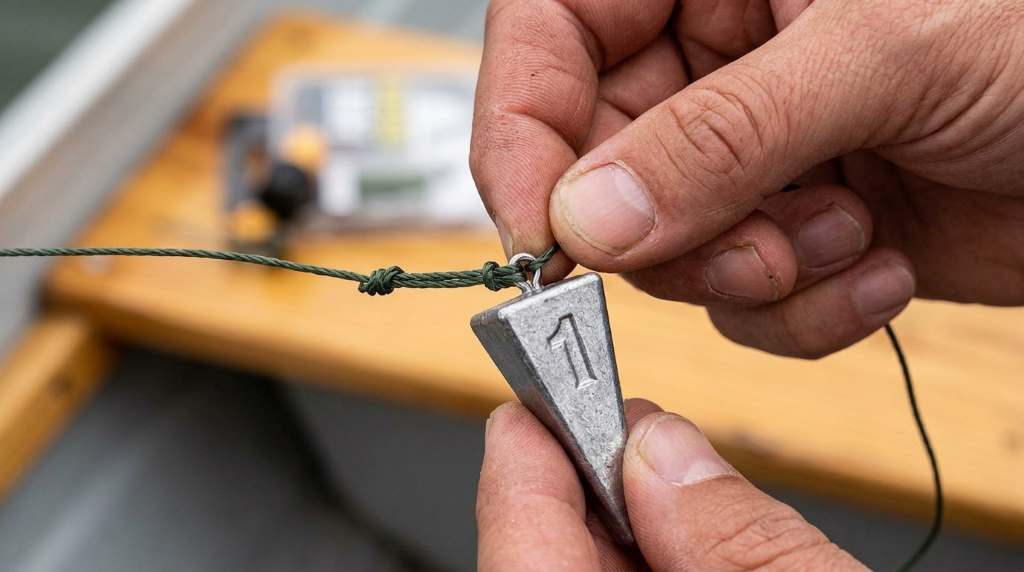
Use TKHDBF Pyramid Fishing Weights to anchor bait rigs on sandy bottoms, especially during surf fishing. Thread the weight onto a suitable rig or clip it to the terminal connection, then cast and let its pointed shape grip the bottom. Current guides commonly recommend pyramid weights from 1 to 4 ounces, while heavier options suit stronger surf and current.
If you are learning the setup, TKHDBF Pyramid Fishing Weights work best when you match their weight to water movement and your tackle. This guide explains rigging, casting, weight selection, retrieval, troubleshooting, and practical situations where the pyramid design helps most.
Key Takeaways
- Match the sinker weight to surf strength, current, tackle, and casting conditions.
- Use a sinker slide for a fish finder rig when bait needs natural movement.
- Use a bottom connected weight for simple high low and dropper rigs.
- Let the pyramid point dig into sand instead of forcing the weight downward.
- Increase weight only when lighter options cannot hold your bait position.
- Replace damaged leaders, clips, or sinker connections before making another cast.
Understand What the Pyramid Shape Does
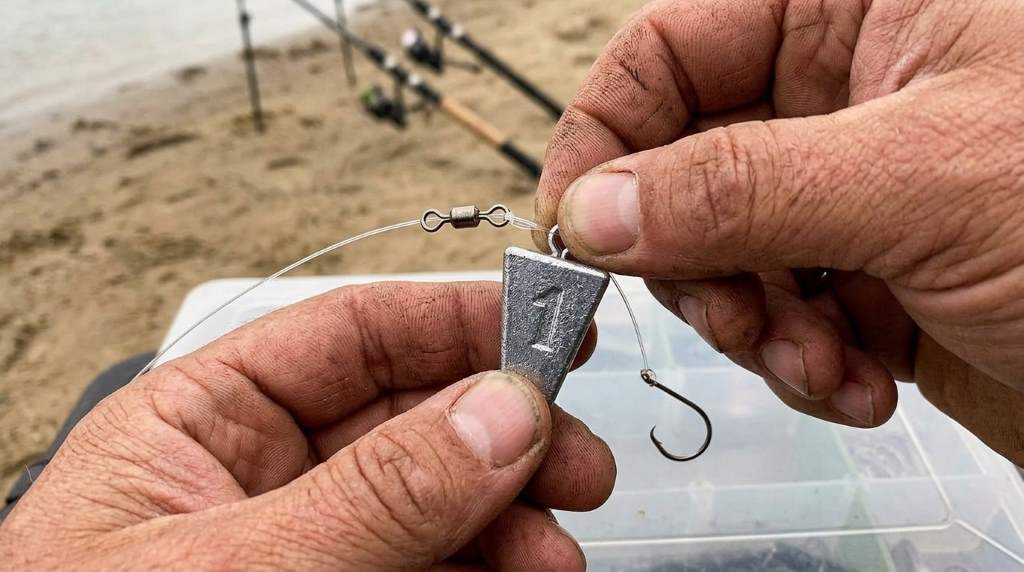
A pyramid fishing weight does more than pull bait toward the bottom. Its pointed end can penetrate sand while its wider body resists unwanted rolling. As waves push across the bottom, the weight can settle deeper and maintain a more stable position.
That design makes pyramid weights particularly useful around sandy beaches and other soft bottoms. However, the weight cannot overcome every current or bottom condition. When the bottom becomes rocky, heavily structured, or extremely turbulent, another sinker design may work better.
Why the Point Matters
The pointed section gives the weight an initial contact point when it reaches the bottom. Then the wider sides help distribute pressure across the surrounding sand. Consequently, the sinker can resist movement better than many rounded weights.
Still, avoid treating the pyramid as a permanent anchor. Strong waves can eventually move almost any conventional sinker. Your goal involves controlled stability rather than absolute immobility.
Check Your TKHDBF Weight Before Rigging
Start by checking the weight marked on your TKHDBF package or individual sinker. Product listings can contain multiple size options, so never assume every piece carries the same weight.
Next, inspect the attachment point for cracks, sharp damage, or deformation. Also check your sinker clip, swivel, leader, and main line before connecting everything together.
Confirm Your Tackle Rating
Check your rod’s recommended casting weight before using a heavier pyramid sinker. Your reel, main line, leader, and terminal connections must also handle the planned setup.
More weight does not automatically produce longer casts or better fishing. Instead, excessive weight can overload equipment and make casting less controlled.
Choose the Right Rig for the Fishing Situation
The best way to use a pyramid weight depends on how you want your bait to behave. Three common setups cover most practical applications.
- Fish finder rig: Lets bait move independently while the sinker holds near the bottom.
- High low rig: Places one or more baited hooks above the bottom weight.
- Dropper rig: Positions hooks at different heights while the sinker anchors the lower end.
Choose the rig according to bait movement, target species, and water conditions. A sliding setup often suits cautious fish because the fish can move with less immediate resistance.
How to Build a Fish Finder Rig
A fish finder rig offers one of the simplest ways to use a pyramid fishing weight. The sinker rides on the main line or a dedicated sinker slide above the leader connection.
Step 1: Prepare the Main Line
Attach your main line to a suitable sinker slide or sliding clip. Make sure the slide moves freely without catching against damaged line or hardware.
Next, add a protective bead when your setup requires one. The bead can reduce repeated contact between the moving sinker and your terminal connection.
Step 2: Attach the Swivel
Tie a strong barrel swivel to the end of the main line. Use a knot you can tie consistently and inspect before every fishing session.
The swivel separates your main line from the leader and helps reduce line twist. It also creates a reliable stopping point for the sliding sinker system.
Step 3: Add the Leader
Connect a suitable leader to the opposite side of the swivel. Keep the leader length appropriate for your bait, target species, and casting conditions.
A very long leader can increase tangling during casting. Therefore, start with a manageable length and adjust it when fishing conditions demand more bait movement.
Step 4: Connect the Hook
Attach an appropriate hook to the leader using a reliable knot. Match the hook size to your bait rather than simply using the largest available hook.
Circle hooks can suit many bait fishing applications when regulations and target species allow them. Follow local fishing rules for hook types and handling practices.
Step 5: Attach the TKHDBF Weight
Clip the TKHDBF pyramid weight to the sinker slide or terminal attachment. Confirm that the connection closes completely before making your cast.
Hold the rig several inches above the ground and gently test the connection. This simple check can reveal an incorrectly closed clip before the weight leaves your rod.
How to Build a High Low Setup
A high low rig places baited hooks above a bottom sinker. This arrangement works well when you want multiple baits presented at different heights.
Connect the pyramid weight at the bottom of the rig. Then position the dropper loops above it with enough separation to reduce hook tangling.
Keep the Hooks Above the Weight
The pyramid weight should remain below the baited hooks during normal fishing. This arrangement helps keep your hooks elevated above the bottom.
Keep each dropper arm compact and properly aligned. Long, loose arms can wrap around the main leader during casting and retrieval.
Test Two Baits Strategically
Use different baits on the two hooks when you need to learn what nearby fish prefer. For example, one hook can carry shrimp while another carries a small strip bait.
Watch which bait receives attention first, then adjust the second hook accordingly. This approach turns the rig into a simple way to test local feeding preferences.
Select the Correct Weight for Water Conditions
Start with the lightest TKHDBF weight that keeps your bait reasonably stationary. Then increase the weight only when waves or current repeatedly move your rig.
| Conditions | Starting Approach | What to Watch |
|---|---|---|
| Calm water | Use a lighter weight | Natural bait movement |
| Moderate surf | Use a medium weight | Bottom stability |
| Strong current | Increase weight carefully | Rig movement and line angle |
| Very rough surf | Consider another sinker style | Repeated bottom release |
This approach prevents unnecessary weight from becoming part of your normal setup. It also makes casting easier when conditions allow lighter tackle.
How to Cast Pyramid Fishing Weights Safely
Heavy sinkers demand controlled casting technique and appropriate equipment. Before casting, inspect the area around you and confirm nobody stands within your casting path.
Keep your movement smooth instead of trying to generate maximum speed immediately. Let the rod load naturally while maintaining control over the sinker and terminal rig.
Reduce Casting Problems
Keep the hook and leader arranged neatly before every cast. A tangled leader can create poor presentation and increase the chance of damaging your tackle.
Also, avoid casting with damaged line near the sinker connection. Replace questionable line before applying heavy casting force.
Position the Weight After It Lands
After the sinker reaches the bottom, allow the rig to settle before tightening the line. Then remove excess slack without dragging the weight unnecessarily.
If the pyramid keeps sliding, first determine whether waves or current cause the movement. Next, try a slightly heavier sinker if your equipment safely supports it.
Use the Rod Angle to Control Tension
Your rod position influences how much line enters the surf. Keep enough tension to detect activity without constantly pulling the sinker across the bottom.
When the weight holds, maintain a controlled line angle and watch the rod tip. Sudden movement can indicate wave pressure, bottom changes, bait activity, or a fish.
Common Mistakes With Pyramid Fishing Weights
Many problems come from using the right sinker in the wrong way. Fortunately, most mistakes have straightforward fixes.
- Using excessive weight: Reduce weight when lighter tackle already holds bottom.
- Using insufficient weight: Increase weight when waves repeatedly move the rig.
- Ignoring the bottom: Match pyramid weights mainly to sand or other suitable soft surfaces.
- Overlong leaders: Shorten the leader when casting creates repeated tangles.
- Loose clips: Close and inspect every connection before casting.
- Damaged line: Replace worn sections before heavy casting.
- Ignoring local rules: Check current fishing regulations before using tackle or hooks.
When a Pyramid Weight Should Not Be Your First Choice
Pyramid weights work particularly well when sand provides a surface for the point to grip. However, some conditions can reduce their holding ability.
Very strong currents can move conventional pyramid sinkers despite their shape. In those situations, specialized sinkers with stronger holding features may provide better stability.
Know When to Change Sinker Styles
If your weight repeatedly breaks free, do not simply keep increasing its size. Consider whether a different sinker design better matches the bottom and current.
That change can improve stability without placing unnecessary casting stress on your tackle. It can also reduce the amount of lead you need to carry and cast.
How to Retrieve and Maintain the Weight
Retrieve the rig steadily rather than repeatedly jerking the weight through the bottom. A smooth retrieve reduces unnecessary strain on the leader and terminal hardware.
After saltwater use, rinse your tackle with fresh water and allow it to dry. Inspect the attachment point before storing the weight with your other fishing equipment.
Inspect the Connection Point
Look for cracks, bending, corrosion, or sharp edges around the attachment area. Replace damaged weights instead of risking a lost rig during your next cast.
Also inspect your clips and swivels because these smaller components often experience repeated stress. A strong sinker cannot compensate for a weak connection.
Improve Your Setup Through Simple Field Testing
Experienced anglers often adjust tackle based on what happens during actual fishing. You can use the same method without changing several variables at once.
Start with one reasonable weight and observe how it behaves. If the rig moves, increase the weight slightly and compare the result.
Record What Works
Write down the approximate conditions, sinker weight, bait, rig style, and fishing location. Over time, these notes create a useful personal reference for similar trips.
Consequently, you can make faster adjustments instead of guessing at the shoreline. This method also helps you avoid carrying unnecessary tackle.
Safety and Responsible Use
Always follow local fishing regulations for sinkers, hooks, bait, and target species. Regulations can vary by location and can change over time.
Handle lead fishing weights responsibly and keep them away from children and pets. Store unused weights securely and follow local disposal requirements for damaged or unwanted tackle.
Frequently Asked Questions
What are TKHDBF Pyramid Fishing Weights used for?
They are designed to help anchor bait rigs on sandy or soft bottoms during surf and bottom fishing.
How heavy should a pyramid fishing weight be?
Use the lightest weight that keeps your bait positioned under the current conditions.
Can I use a pyramid weight with a fish finder rig?
Yes, a pyramid weight works well with a fish finder rig when the bottom and current suit its design.
Why does my pyramid sinker keep moving?
The weight may be too light, the current may be too strong, or the bottom may not provide enough grip.
Can pyramid weights work outside surf fishing?
Yes, anglers can use them for suitable bottom fishing situations where their shape can grip the bottom.
Final Thoughts
Using TKHDBF Pyramid Fishing Weights effectively starts with matching the sinker to your rig and conditions. Focus on controlled casting, stable bottom contact, reliable connections, and sensible weight selection.
Start with a manageable setup, observe how the weight behaves, and make one adjustment at a time. Before your next trip, inspect your complete rig and prepare several weight options for changing conditions.
Use these techniques to build a more controlled bottom presentation and spend less time correcting avoidable tackle problems. Always check current local fishing regulations before heading onto the water.