Nina Taylor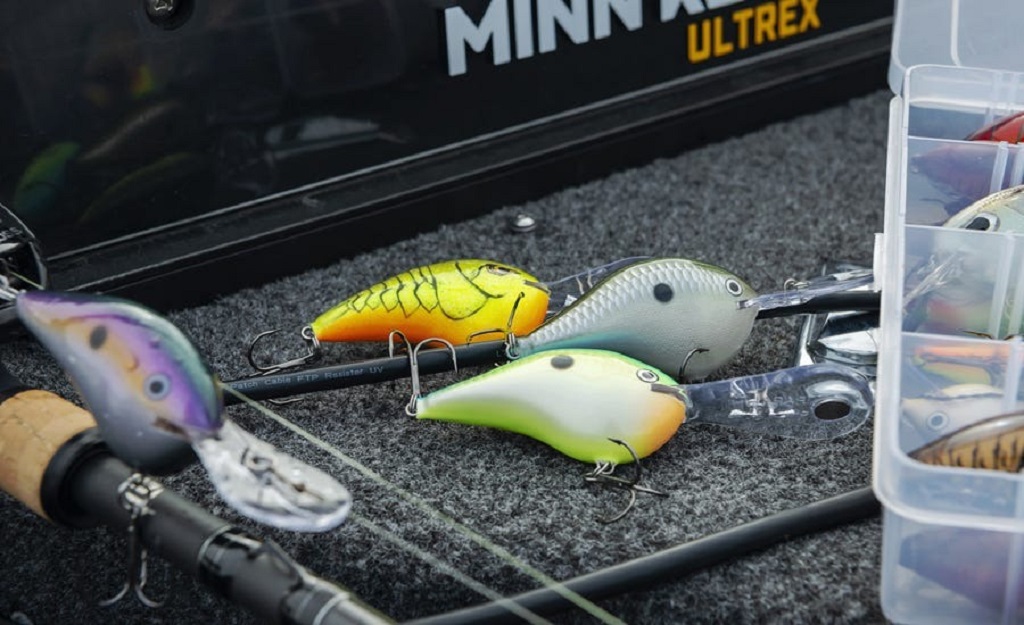
Choosing the best gear ratio for crankbaits optimizing can significantly impact your fishing success. Are you maximizing your lure’s potential? Selecting the right reel speed ensures optimal lure action and increases your hook-up rates. This guide will explore gear ratios, crankbait types, and how to match them for the perfect presentation.
Understanding Gear Ratios and Crankbait Dynamics
Gear ratios on fishing reels indicate how many times the spool rotates per handle turn. A 6.4:1 ratio means the spool spins 6.4 times with one handle revolution. Higher ratios retrieve line faster, while lower ratios offer more power. Understanding this relationship is crucial for effective crankbait fishing.
- High Gear Ratios (7.0:1 and above): Ideal for fast-moving crankbaits and covering water quickly.
- Medium Gear Ratios (6.4:1 to 6.9:1): Versatile, suitable for most crankbait styles.
- Low Gear Ratios (5.0:1 to 6.3:1): Excellent for deep-diving crankbaits and situations requiring more power.
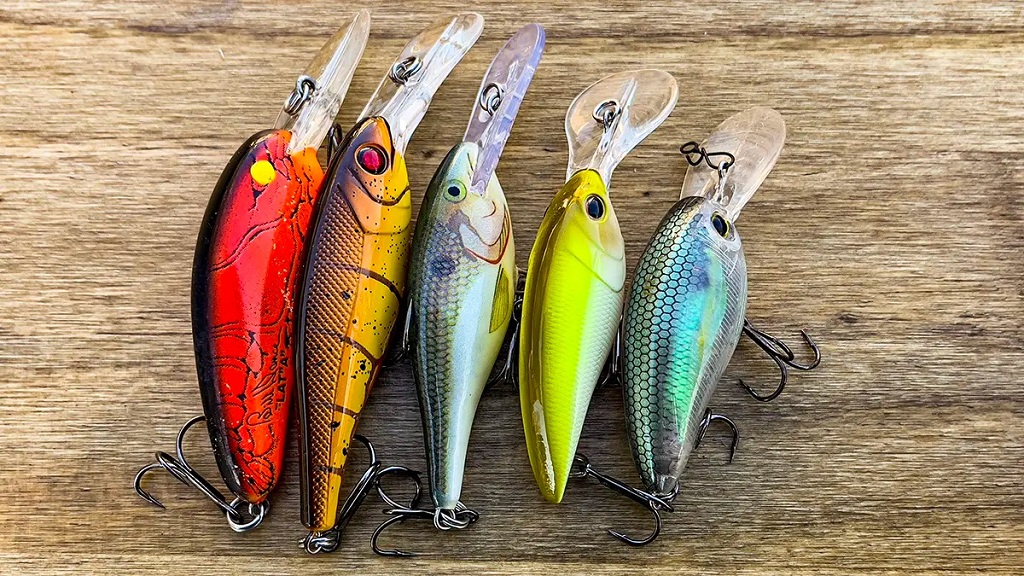
Crankbaits themselves vary in size, diving depth, and action. Matching these characteristics with the appropriate gear ratio is essential.
Matching Gear Ratios to Crankbait Types
Different crankbait types require specific retrieval speeds and power levels. Here’s a breakdown to help you make informed decisions.
Shallow Diving Crankbaits
Shallow divers work best with medium to high gear ratios. These faster retrieves maintain the lure’s action and keep it in the strike zone.
- Ideal Gear Ratio: 6.4:1 to 7.1:1
- Situations: Targeting shallow water, covering large areas quickly.
Medium Diving Crankbaits
Medium divers offer versatility, making them compatible with a range of gear ratios. Consider the cover and the desired retrieval speed.
- Ideal Gear Ratio: 6.4:1 to 6.8:1
- Situations: Versatile situations, mid-depth water columns.
Deep Diving Crankbaits
Deep divers require more power to bring them down and maintain depth. Lower gear ratios provide the necessary leverage.
- Ideal Gear Ratio: 5.0:1 to 6.3:1
- Situations: Deep water structures, heavy cover, requiring more power.
Lipless Crankbaits
Lipless crankbaits, often fished with a fast retrieve, benefit from higher gear ratios. This allows for effective ripping and burning techniques.
- Ideal Gear Ratio: 6.6:1 to 7.3:1
- Situations: Fast retrieves, covering water quickly, ripping through grass.
Factors Influencing Gear Ratio Choice
Beyond crankbait type, several other factors influence your gear ratio selection.
Water Temperature and Fish Activity
- Cold Water: Slower retrieves with lower gear ratios are often more effective.
- Warm Water: Faster retrieves with higher gear ratios can trigger aggressive strikes.
Cover and Structure
- Heavy Cover: Lower gear ratios provide the power to pull fish out of thick vegetation.
- Open Water: Higher gear ratios allow for covering more ground efficiently.
Personal Preference and Fishing Style
Ultimately, personal preference plays a significant role. Experiment with different ratios to find what works best for you.
Optimizing Your Retrieval Techniques
Retrieval techniques are just as important as gear ratios. Here are some tips for maximizing your crankbait effectiveness.
- Constant Retrieve: Maintain a steady pace for consistent lure action.
- Stop-and-Go: Vary your retrieve to trigger reaction strikes.
- Deflection: Bounce the crankbait off cover to create erratic movements.
- Ripping: Snap the rod tip to create sudden, aggressive action, especially for lipless crankbaits.
Gear Ratio Comparison Table
For a quick reference, here’s a table summarizing the best gear ratios for different crankbait types.
| Crankbait Type | Ideal Gear Ratio | Situations |
| Shallow Diving | 6.4:1 to 7.1:1 | Shallow water, covering water quickly |
| Medium Diving | 6.4:1 to 6.8:1 | Versatile situations, mid-depth water |
| Deep Diving | 5.0:1 to 6.3:1 | Deep water, heavy cover, power needed |
| Lipless | 6.6:1 to 7.3:1 | Fast retrieves, ripping techniques |
Export to Sheets
Choosing the Right Reel for Crankbait Fishing
Selecting a quality reel with a smooth drag and appropriate gear ratio is critical. Consider these factors:
- Reel Size: Match the reel size to your rod and line capacity.
- Drag System: A smooth, reliable drag is essential for fighting fish.
- Durability: Choose a reel built to withstand the rigors of crankbait fishing.
Read More Also: Fishing with Natural Baits You’ve Never Heard Of
Advanced Techniques and Tips
To further refine your crankbait fishing, consider these advanced tips:
- Line Selection: Use fluorocarbon line for sensitivity and low stretch.
- Rod Action: A moderate to moderate-fast action rod provides the right flex for crankbait fishing.
- Experimentation: Don’t be afraid to try different gear ratios and retrieval speeds.
Read More Also: Can You Bring Fishing Gear on a Plane? The Ultimate Guide for Anglers
Conclusion: Mastering Crankbait Gear Ratios
Understanding and applying the best gear ratio for crankbaits can significantly enhance your fishing success. By matching your reel’s gear ratio to the crankbait type and fishing conditions, you’ll improve your lure’s action and increase your catch rate. Remember to experiment with different techniques and find what works best for you.
Ready to elevate your crankbait game? Invest in a quality reel with the appropriate gear ratios and start experimenting today. Share your crankbait fishing experiences and tips in the comments below!