Nina Taylor
Choosing the right fishing tackle box or organizer can be the difference between success and frustration on the water. Every angler, from weekend hobbyist to seasoned pro, knows the pain of fumbling through a cluttered mess of hooks, lures, and line. The solution? A well-organized, reliable tackle system that suits your fishing style, gear loadout, and environment.
Why Choosing the Right Tackle Organizer Matters
Fishing is about precision. A 2023 survey by the Recreational Boating & Fishing Foundation revealed that 42% of anglers waste time due to disorganized tackle. Time lost equals fewer casts, missed bites, and growing frustration.
A proper tackle box streamlines your setup. It ensures that every lure, hook, and tool is within easy reach. For bass anglers using various crankbaits, jigs, and soft plastics, organization allows quick adjustments based on conditions. Saltwater anglers, often dealing with corrosion-prone gear, need rugged waterproof options to preserve their investment.
Professional tip: Match your tackle system to your fishing type. For example, kayak anglers need compact, waterproof solutions that save space, while boat anglers may prioritize capacity and segmentation.
Types of Fishing Tackle Boxes & Organizers
Choosing the best setup starts with understanding the different types:
-
Hard tackle boxes: Durable and stackable, ideal for heavy gear and larger boats.
-
Soft tackle bags: Lightweight and portable, often featuring modular inserts and extra pockets.
-
Backpack tackle systems: Great for shore or fly anglers who need mobility.
-
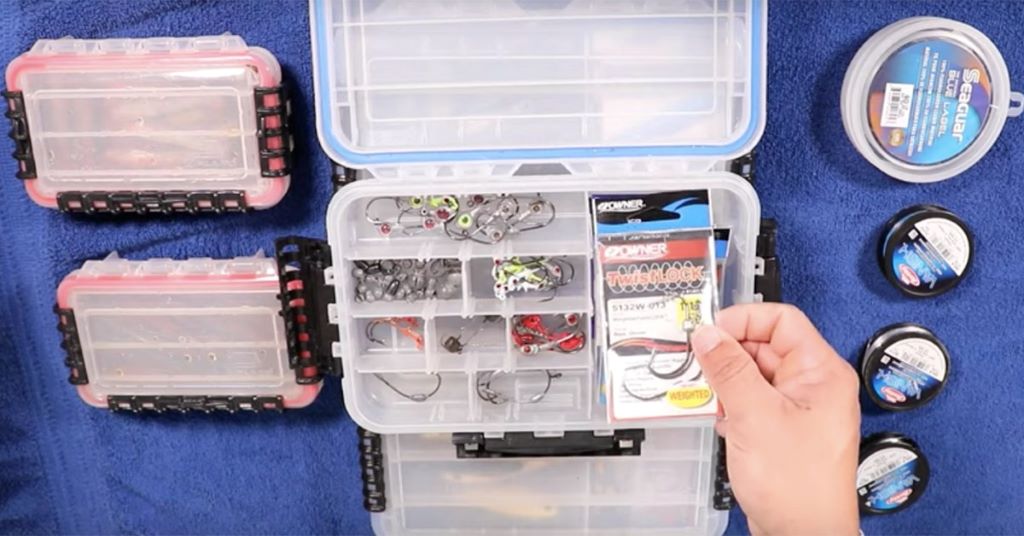
Utility trays (Plano-style): Customizable compartments, perfect for sorting lures and terminal tackle.
Each type has pros and cons. Hard boxes offer protection and durability but can be bulky. Soft bags are flexible and easier to carry but may lack rigidity. Trays work well in any system but require additional storage solutions.
A 2024 review by Field & Stream rated Plano’s EDGE series and Bass Mafia’s Coffin Series among the most efficient, durable, and water-resistant tackle organizers on the market.
Key Features to Look For
Not all tackle boxes are built the same. Look for features that enhance usability and longevity:
-
Waterproof seals: Prevent rust and protect your gear during rain or splashes.
-
Customizable compartments: Allow for specific gear layout based on lure type or size.
-
Durability: Hard-shell plastics or reinforced fabrics resist impact and tearing.
-
Anti-rust treatments: Some modern boxes offer rust-inhibitor inserts or coatings.
-
Visibility: Clear lids or labeled boxes help identify contents at a glance.
According to a study by Angler Gear Reviews, tackle boxes with clear tops increase gear retrieval time by 27%—a huge win in competitive or time-sensitive fishing.
Match Your Organizer to Your Fishing Style
Different fishing styles require specific setups. Let’s break it down:
Bass Fishing
You need multiple lures, from spinnerbaits to topwater frogs. Go for multi-tray organizers with deep compartments and quick-access options.
Fly Fishing
Minimalist? Yes. But still organized. Use small, waterproof fly boxes with foam slots. Match your fly types by hatches or target species.
Ice Fishing
Compact, insulated tackle boxes are key. Cold temperatures demand easy-to-use latches and handles, even with gloves.
Saltwater Fishing
Choose corrosion-resistant boxes. Stainless hinges and waterproof seals are a must. Keep your terminal tackle rust-free with silica packs or rust inhibitor tabs.
Real-World Examples
Pro angler Mike Iaconelli swears by tackle trays sorted by technique—each labeled “Drop Shot,” “Jig,” or “Topwater.” This strategy saves time on the water and reduces mental clutter.
Kayak angler Kristine Fischer uses soft tackle bags with removable trays, customized for quick swaps depending on target species and water body.
Must-Have Organizing Accessories
Beyond the main tackle box, the right accessories enhance your fishing game:
-
Lure wraps: Prevent tangling of treble hooks during transport.
-
Terminal tackle organizers: Keep weights, swivels, and hooks separated.
-
Tool holsters: Easy access to pliers, scissors, and line cutters.
-
Hook keepers: Secure hooks outside compartments to reduce snags.
These small upgrades lead to a more fluid experience on the water.
Featured Snippet: What Is the Best Way to Organize a Tackle Box?
The best way to organize a tackle box is by categorizing your gear by function and usage frequency. Use modular trays or compartments to separate hooks, lures, weights, and tools. Store frequently used items on top layers for fast access. Waterproof and labeled containers help avoid rust and confusion. According to top-performing guides, organizing by species (e.g., bass, trout, or saltwater setups) increases efficiency. Use rust-inhibiting dividers or silica packs to protect sensitive items. This strategy reduces prep time and increases your effectiveness during active fishing hours.
Professional Tips: How to Choose the Right Setup
-
Assess your fishing frequency and type. Occasional weekend trips? A simple utility box works. Weekly excursions? Invest in premium gear.
-
Plan your gear layout before buying. Match tray sizes to lure lengths and hook sizes.
-
Future-proof your setup. Choose expandable systems so you can upgrade as your tackle collection grows.
-
Weight matters. Backpack anglers should avoid heavy hard-shell cases unless absolutely necessary.
-
Label everything. A $1 label maker can save hours of searching and guessing.
FAQs
1. How many tackle boxes should I own?
At least two: one general-purpose box and another tailored for specific species or locations.
2. Are soft tackle bags durable enough?
Yes, especially those with reinforced stitching and waterproof zippers. Look for top-rated brands like Plano, Simms, or KastKing.
3. How do I prevent rust in my tackle box?
Use silica gel packs, anti-rust dividers, and dry gear before storage.
4. What size tackle box is best for beginners?
A medium-sized utility box with 2–3 trays is perfect for learning organization basics.
5. Can I use tackle organizers for other outdoor gear?
Absolutely. Many anglers use them for camping supplies, tools, or even first-aid kits.
6. Are tackle backpacks worth the investment?
Yes, especially for shore or river anglers who walk long distances.
7. Do tackle boxes come with lures?
Most don’t. However, some starter kits offer basic setups with essential tackle included.
Final Thought
Fishing tackle boxes and organizers aren’t just containers—they’re strategy tools. The right setup can elevate your fishing experience, help you react quickly to changing conditions, and protect your investment in gear. Choose a system that matches your fishing lifestyle, stays weather-resilient, and evolves with you. Whether you’re a bank angler or offshore veteran, an organized tackle box is your silent advantage on the water.
Read More: Organizing Fishing Pliers and Cutters in a Tackle Box