Nina Taylor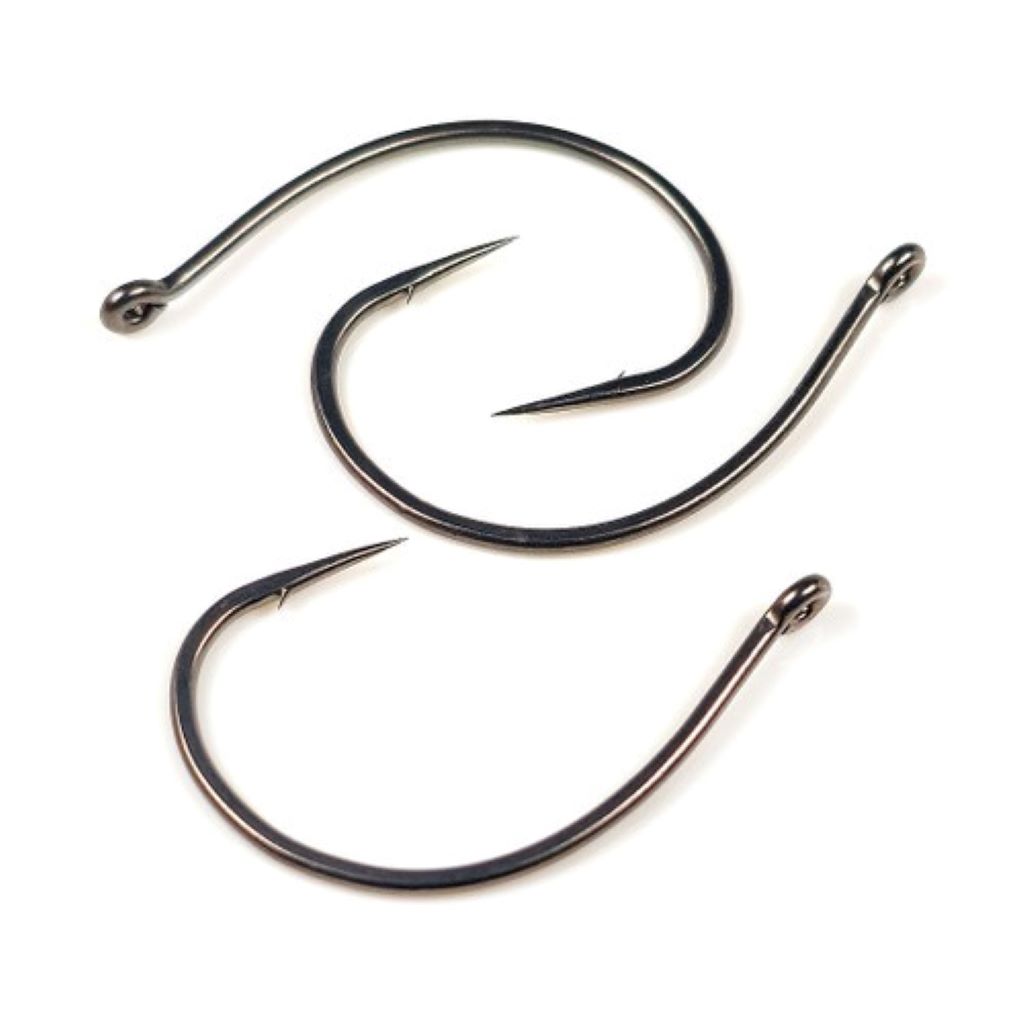
Picture this: you’re standing by a pristine Canadian lake at dawn, rod in hand, ready for the catch of a lifetime. However, your success hinges on one crucial element most anglers overlook—the fishing hook. With Canada’s diverse fishing environments spanning from Atlantic salmon runs to Pacific steelhead streams, choosing the right hook can make or break your fishing adventure.
The Canadian fishing hook market has experienced significant growth, with recreational fishing participation increasing by 15% across provinces since 2020. Additionally, the global fishing hooks market maintains steady growth at 1.9% annually, reflecting the sport’s enduring popularity. Therefore, understanding which hooks perform best in Canadian waters has never been more critical for anglers seeking consistent results.
Market Leaders Dominating Canadian Waters
Gamakatsu consistently ranks as the top-selling fishing hook brand in Canada. The Japanese manufacturer has captured significant market share through superior sharpness and durability. Gamakatsu hooks are famous worldwide, and we also carry a variety of world-class products for your fishing and outdoor needs. Their hooks undergo rigorous testing, making them particularly popular among Canadian tournament anglers.
Owner hooks secure the second position in Canadian sales rankings. These Japanese-made hooks feature ultra-sharp points and corrosion-resistant coatings. Furthermore, Owner’s diverse product line caters to various fishing techniques popular in Canadian waters. Professional guides across Ontario and British Columbia frequently recommend Owner hooks for their reliability.
Mustad claims the third spot among best-selling fishing hooks in Canada. Trusting your fish hook means everything to us at Mustad. We ensure this with rigorous testing and quality control – giving you the best possible experience on the water. Norwegian craftsmanship meets Canadian fishing needs through their extensive hook selection. Moreover, Mustad’s affordability makes them accessible to recreational anglers nationwide.
VMC (Vanfook Manufacturing Company) rounds out the top four positions. These French-designed hooks offer exceptional value for Canadian anglers. VMC hooks excel in saltwater applications, making them particularly popular along Canada’s extensive coastlines.
Treble Hooks Lead the Sales Charts
Classic treble hooks dominate Canadian sales across all provinces. These three-pronged hooks prove essential for lure fishing, especially for species like northern pike and muskellunge. Canadian anglers purchase treble hooks in sizes ranging from 1 to 14, with size 6 being the most popular.
The popularity stems from their versatility in Canadian fishing conditions. Treble hooks work effectively on spoons, spinners, and crankbaits commonly used in Canadian lakes and rivers. However, many provinces now require barbless hooks or single hooks for conservation purposes.
Circle hooks have gained tremendous popularity in Canadian markets. These hooks reduce fish mortality rates by 90% compared to traditional J-hooks. Conservation-minded Canadian anglers increasingly choose circle hooks for catch-and-release fishing. Additionally, several provinces mandate circle hooks for certain species and fishing methods.
Regional Preferences Shape Hook Selection
Atlantic Canada anglers favor saltwater-specific hooks from Gamakatsu and VMC. The harsh maritime environment demands corrosion-resistant materials and robust construction. Consequently, stainless steel hooks outsell carbon steel variants by 3:1 in these provinces.
Great Lakes region anglers prefer lighter wire hooks for steelhead and salmon fishing. Raven Specimen hook – Best all-around hook for West Coast and Great Lakes steelhead. Daiichi 1150 – This is a proven light-wire hook for Great Lakes Steelhead. These specialized hooks allow natural bait presentation in clear waters.
Western Canada sees strong demand for barbless hooks due to strict conservation regulations. British Columbia and Alberta anglers must use barbless hooks in many waters. Therefore, manufacturers now offer barbless versions of their most popular models specifically for the Canadian market.
Prairie provinces show preference for versatile hooks suitable for multiple species. Manitoba, Saskatchewan, and Alberta anglers target diverse species from walleye to northern pike. Consequently, multi-purpose hooks like Mustad’s KVD series perform exceptionally well in these markets.
Size Matters: Popular Hook Dimensions
Size 6 hooks represent the best-selling dimension across Canada. This size provides optimal balance for common Canadian species like walleye, bass, and trout. Moreover, size 6 hooks work effectively with popular baits including minnows, worms, and leeches.
Smaller sizes (8-12) gain popularity for panfish and stream trout fishing. Canadian ice anglers particularly favor size 10-12 hooks for perch and crappie. These tiny hooks match small baits used during winter fishing seasons.
Larger sizes (1/0-4/0) see strong sales for northern pike and muskie fishing. These predatory species require robust hooks to handle their aggressive strikes and sharp teeth. Additionally, salmon and steelhead anglers frequently use these larger sizes for drift fishing applications.
Technology Drives Modern Hook Innovation
Chemically sharpened points have revolutionized hook performance in Canadian markets. This technology creates needle-sharp points that penetrate with minimal pressure. Gamakatsu pioneered this process, contributing to their market-leading position in Canada.
Corrosion-resistant coatings extend hook life in diverse Canadian environments. Saltwater anglers benefit from specialized coatings that prevent rust and deterioration. Furthermore, these coatings maintain sharpness longer than traditional finishes.
Barbless designs continue gaining market share due to conservation concerns. Canadian regulations increasingly require barbless hooks to protect fish populations. Manufacturers respond by offering barbless versions of their most popular models.
Wide gap hooks improve hook-up rates for Canadian anglers. These designs provide better bait presentation and increased hooking efficiency. Professional tournament anglers credit wide gap hooks with improving their success rates significantly.
Seasonal Trends Impact Hook Sales
Spring sees surge in demand for smaller hooks as anglers target spawning fish. Canadian retailers stock up on sizes 8-12 for the spring fishing rush. Ice-out periods drive particularly strong sales across northern provinces.
Summer months favor larger hooks for open-water fishing. Trolling and casting applications require robust hooks capable of handling aggressive fish. Heat-treated hooks sell particularly well during peak summer months.
Fall brings increased demand for treble hooks as anglers switch to lure fishing. Cooling water temperatures trigger aggressive feeding behavior in Canadian game fish. Consequently, lure fishing becomes more productive than bait fishing.
Winter ice fishing drives sales of specialized hooks designed for vertical presentations. Ultra-light wire hooks allow subtle presentations through the ice. Additionally, short-shank hooks work better in confined ice fishing shelters.
Expert Recommendations for Canadian Anglers
Professional fishing guides across Canada consistently recommend investing in quality hooks. Cheap hooks result in lost fish and frustrating fishing experiences. Therefore, spending slightly more on proven brands pays dividends through better performance.
Sharpness testing should become routine for serious Canadian anglers. Hooks lose sharpness through use and storage. A sharp hook penetrates fish skin with minimal pressure, improving hook-up rates significantly.
Matching hook size to bait size ensures optimal presentation. Oversized hooks overpower small baits, while undersized hooks fail to penetrate properly. Canadian anglers should maintain variety packs covering common size ranges.
Storage conditions dramatically affect hook performance and longevity. Moisture causes rust and dulls points on carbon steel hooks. Therefore, Canadian anglers should use dry storage containers with moisture-absorbing packets.
Featured Snippet: Quick Guide to Best-Selling Fishing Hooks in Canada
What are the best-selling fishing hooks in Canada for 2025?
The top-selling fishing hooks in Canada include Gamakatsu (market leader), Owner (premium Japanese quality), Mustad (affordable reliability), and VMC (saltwater specialist). Treble hooks dominate sales across all brands, particularly size 6 hooks which work for walleye, bass, and trout. Circle hooks are gaining popularity due to conservation requirements. Regional preferences vary: Atlantic Canada favors saltwater-resistant hooks, Great Lakes anglers prefer light-wire designs for steelhead, Western Canada demands barbless hooks for regulations, and Prairie provinces choose versatile multi-species designs. Professional guides recommend investing in quality hooks, maintaining sharpness, and matching hook size to bait size for optimal Canadian fishing success.
Frequently Asked Questions
- Which fishing hook brand is most popular in Canada? Gamakatsu leads Canadian hook sales due to superior sharpness and durability. Their chemically sharpened points and rigorous quality control make them favorites among tournament anglers and fishing guides nationwide.
- What size fishing hook is best for Canadian waters? Size 6 hooks are the best-selling size in Canada, providing optimal performance for walleye, bass, and trout. However, size selection should match target species and bait size for best results.
- Are barbless hooks required in Canada? Many Canadian waters require barbless hooks for conservation purposes. British Columbia and Alberta have extensive barbless hook regulations. Always check local fishing regulations before fishing any water body.
- Which hooks work best for ice fishing in Canada? Ultra-light wire hooks in sizes 10-12 work best for Canadian ice fishing. Short-shank designs allow better presentations in confined ice shelters while maintaining sensitivity for detecting subtle bites.
- How often should I replace my fishing hooks? Replace hooks when points become dull or show signs of corrosion. Regularly test sharpness by lightly dragging the point across your fingernail. Sharp hooks should catch slightly without pressure.
- What’s the difference between J-hooks and circle hooks? Circle hooks curve inward and typically hook fish in the corner of the mouth, reducing mortality by 90%. J-hooks have straight points and may hook fish deeper, making them less suitable for catch-and-release fishing.
- Where can I buy quality fishing hooks in Canada? Major retailers like Canadian Tire, Bass Pro Shops, and Cabela’s carry extensive hook selections. Online retailers and local tackle shops often provide specialized hooks for specific Canadian fishing applications.
Final Thought
The Canadian fishing hook market continues evolving with conservation requirements and technological advances shaping angler preferences. Success on Canadian waters demands matching hook selection to specific conditions, target species, and local regulations. Quality hooks from established brands like Gamakatsu, Owner, and Mustad provide the reliability serious anglers require.
However, the most expensive hook becomes worthless if it’s not sharp or properly sized for your application. Therefore, focus on maintaining sharp points, following conservation regulations, and selecting appropriate sizes for your target species.
Ready to upgrade your tackle box? Visit your local Canadian tackle dealer today and experience the difference quality hooks make in your fishing success. Your next trophy fish might depend on the hook you choose right now.
Read More:
How to Tie the Hook on a Fishing Line
How to Use a Fishing Line Spooler for Perfect Line Management