Nina Taylor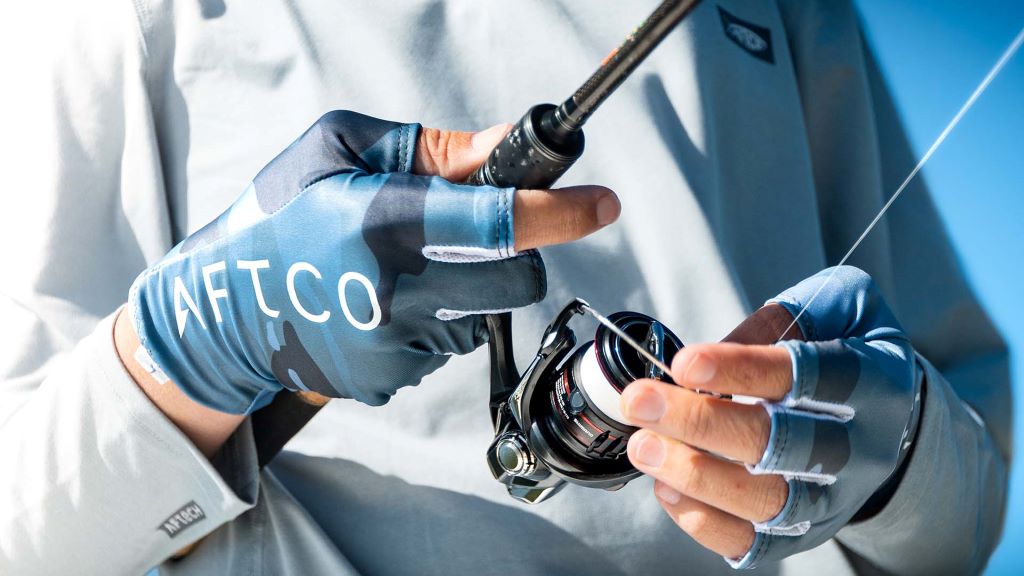
Fishing is a sport of patience, precision, and persistence. Whether you’re casting a line in a serene lake or battling a marlin in the open sea, having the right gear can make all the difference. Among the often-overlooked essentials are fishing gloves. They not only protect your hands from sharp hooks, rough fish scales, and the elements but also enhance your grip, ensuring you don’t lose that big catch.
I remember my first fishing trip without gloves. I spent more time nursing blisters and wiping slippery fish scales off my hands than actually fishing. That’s when I realized the importance of a good pair of fishing gloves. They transformed my experience, allowing me to handle fish with confidence and comfort.
In this guide, I’ll walk you through everything you need to know to choose the perfect fishing gloves for grip and protection.
Why Fishing Gloves Are a Must-Have
Fishing gloves offer a range of benefits that go beyond mere hand protection. They provide a better grip on slippery fish, wet lines, and slick tools, reducing the chances of accidents or losing your catch. According to a survey by Take Me Fishing, over 70% of anglers reported fewer hand injuries and better control after switching to specialized fishing gloves.
Additionally, fishing gloves shield your hands from the elements. Whether it’s the biting cold of early morning fishing or the harsh sun during a midday outing, the right gloves can keep your hands comfortable and functional. They also protect against cuts from fins, hooks, and other sharp objects, which is especially important when handling larger or more aggressive fish.
For more insights on the advantages of using fishing gloves, check out these fishing gloves benefits. These benefits can enhance your fishing experience, making it safer and more enjoyable.
However, not all fishing gloves are created equal. Some prioritize grip, while others focus on durability or thermal protection. Therefore, understanding your specific needs is crucial to selecting the right pair.
Key Features to Look For
When choosing fishing gloves, the first feature to consider is the material. Gloves made from neoprene, rubber, or synthetic fabrics like polyester and nylon are popular choices. Neoprene gloves offer excellent grip and insulation, making them ideal for cold-water fishing. Rubber-coated gloves provide superior grip in wet conditions, while synthetic fabrics are often lightweight and breathable, perfect for warmer climates.
Next, pay attention to the grip. Look for gloves with textured palms or fingers, which enhance your ability to hold onto slippery fish and tools. Some gloves even have non-slip coatings or rubberized patterns to ensure a firm grasp. According to Field & Stream, gloves with a textured grip can improve your control by up to 40%, reducing the likelihood of dropping your catch.
Durability is another critical factor. Fishing gloves should be able to withstand the wear and tear of regular use, including exposure to saltwater, sunlight, and sharp objects. Reinforced stitching, high-quality materials, and additional padding in high-wear areas can extend the life of your gloves.
Finally, consider the fit and comfort. Gloves that are too tight can restrict movement and cause discomfort, while gloves that are too loose can slip off or reduce dexterity. Look for a snug but comfortable fit that allows for easy movement of your fingers and hands.
Types of Fishing Gloves and Their Uses
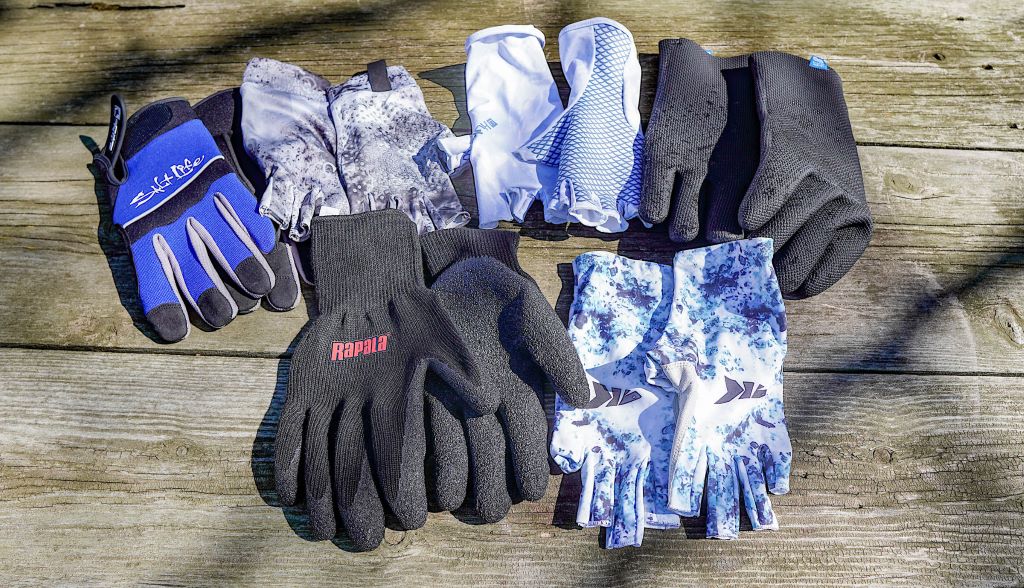
Fishing gloves come in various styles, each designed for specific fishing conditions and needs. Understanding the different types can help you choose the best pair for your fishing style.
- Fingerless Gloves: These gloves leave your fingers exposed, providing maximum dexterity for tasks like tying knots, baiting hooks, or handling small lures. They’re ideal for warm-weather fishing or situations where precision is key. However, they offer less protection against cuts and the elements.
- Full-Finger Gloves: These provide complete coverage for your hands, offering the best protection against cold, cuts, and abrasions. They’re perfect for cold-water fishing or when handling larger, more aggressive fish. However, they may reduce dexterity slightly compared to fingerless gloves.
- Convertible Gloves: These versatile gloves allow you to switch between full-finger and fingerless styles by folding back the fingertips. They’re great for anglers who need both protection and dexterity, depending on the situation.
- Insulated Gloves: Designed for cold-weather fishing, these gloves feature thermal insulation to keep your hands warm in freezing temperatures. They’re often made from neoprene or other insulating materials and may include waterproofing for added protection.
- Cut-Resistant Gloves: Made from materials like Kevlar or Dyneema, these gloves offer superior protection against cuts from hooks, fins, and other sharp objects. They’re ideal for handling large or toothy fish, such as pike or muskie.
Material Matters: Choosing the Right Fabric
The material of your fishing gloves plays a significant role in their performance, durability, and comfort. Neoprene is a popular choice for cold-water fishing due to its excellent insulation and water resistance. It’s also flexible and provides a good grip, making it ideal for handling slippery fish.
Rubber-coated gloves are another excellent option, especially for wet conditions. The rubber coating enhances grip and provides a barrier against water and abrasions. These gloves are often used for saltwater fishing, where exposure to salt and moisture is common.
Synthetic fabrics like polyester and nylon are lightweight and breathable, making them perfect for warm-weather fishing. They’re often combined with other materials, such as rubber or silicone, to improve grip and durability. Additionally, synthetic gloves are quick-drying and resistant to mildew, which is important for anglers who fish in humid or wet conditions.
Leather gloves are less common but offer excellent durability and protection. They’re often used for handling large or aggressive fish, as they can withstand cuts and abrasions. However, leather gloves may not provide the same level of grip as neoprene or rubber-coated gloves, and they can become stiff when wet.
Grip Enhancements for Better Control
A secure grip is essential for handling fish, lines, and tools effectively. Many fishing gloves feature grip enhancements to improve control in wet or slippery conditions. Textured palms and fingers are a common feature, providing extra traction when handling fish or tying knots.
Some gloves use rubberized or silicone coatings to enhance grip further. These coatings create a non-slip surface that helps you maintain control, even when your hands are wet. According to Outdoor Life, gloves with rubberized grips can reduce the chance of dropping a fish by up to 50%.
Another grip-enhancing feature is the use of raised patterns or ridges on the palm and fingers. These patterns channel water away from your hands, reducing slippage and improving your hold. Some gloves even incorporate gel or foam padding in the palm area to absorb shock and provide a more comfortable grip.
Additionally, consider gloves with wrist straps or adjustable closures. These features ensure a snug fit, preventing the gloves from slipping off during use. A secure fit also enhances dexterity, allowing you to perform tasks like baiting hooks or untangling lines with ease.
Protection Against the Elements
Fishing often exposes your hands to harsh conditions, from freezing temperatures to intense sunlight. The right fishing gloves can protect your hands from these elements, ensuring comfort and functionality throughout your fishing trip.
For cold-weather fishing, insulated gloves are a must. Look for gloves with thermal lining, such as fleece or Thinsulate, which trap heat and keep your hands warm. Waterproofing is another important feature for cold-weather gloves, as it prevents moisture from seeping in and chilling your hands.
In warm weather, breathable and lightweight gloves are ideal. These gloves allow air to circulate, preventing your hands from overheating and sweating. Additionally, look for gloves with UV protection to shield your hands from the sun’s harmful rays. Prolonged exposure to sunlight can lead to sunburn and long-term skin damage, so UV-resistant gloves are a smart choice for summer fishing.
For rainy or wet conditions, waterproof gloves are essential. These gloves are made from materials like neoprene or rubber, which repel water and keep your hands dry. Some waterproof gloves also feature sealed seams to prevent water from leaking in.
Fit and Comfort for Long Fishing Sessions
Comfort is key when it comes to fishing gloves, especially during long fishing sessions. Gloves that are too tight can restrict blood flow and cause discomfort, while gloves that are too loose can slip off or reduce dexterity. Therefore, finding the right fit is crucial.
Start by measuring your hand circumference and length to determine your glove size. Most manufacturers provide sizing charts to help you find the perfect fit. When trying on gloves, ensure they fit snugly but allow for easy movement of your fingers and hands.
Additionally, consider the glove’s flexibility. Stiff gloves can make it difficult to perform tasks like tying knots or handling small lures. Look for gloves made from flexible materials like neoprene or synthetic fabrics, which allow for a full range of motion.
Padding is another factor to consider. Gloves with gel or foam padding in the palm area can absorb shock and reduce hand fatigue during long fishing sessions. However, too much padding can reduce dexterity, so strike a balance between comfort and functionality.
Finally, look for gloves with adjustable features, such as wrist straps or Velcro closures. These allow you to customize the fit for maximum comfort and security.
Conclusion
Choosing the right fishing gloves for better grip and protection doesn’t have to be complicated. By considering factors like material, grip enhancements, protection against the elements, and fit, you can find a pair that meets your specific needs and enhances your fishing experience.
I’ve tested countless fishing gloves over the years, and the right pair has made a world of difference in my comfort and success on the water. Whether I’m battling a feisty trout or casting a line in the rain, my gloves give me the confidence and control I need.
Now it’s your turn. Use this guide to find the perfect fishing gloves for your next adventure. If you have your own tips or favorite gloves, share them in the comments below. And if you found this guide helpful, don’t forget to share it with your fellow anglers!
FAQs
What are the best fishing gloves for cold weather?
For cold-weather fishing, look for insulated gloves made from neoprene or other thermal materials. These gloves provide warmth and protection against the elements, ensuring your hands stay comfortable and functional.
How do I choose the right size fishing gloves?
Measure your hand circumference and length, then refer to the manufacturer’s sizing chart. Gloves should fit snugly but allow for easy movement of your fingers and hands. Adjustable wrist straps can help customize the fit.
Can I use fishing gloves for other outdoor activities?
Yes, many fishing gloves are versatile and can be used for other outdoor activities like hiking, camping, or gardening. However, ensure the gloves provide the necessary grip and protection for the specific activity.
How do I care for my fishing gloves?
Rinse your gloves with fresh water after each use to remove salt, dirt, and debris. Allow them to air dry completely before storing them in a cool, dry place. Avoid exposing them to direct sunlight or heat sources, as this can damage the materials.
Are fingerless gloves better for fishing?
Fingerless gloves offer maximum dexterity, making them ideal for tasks like tying knots or handling small lures. However, they provide less protection against cuts and the elements. Choose fingerless gloves for warm-weather fishing or situations where precision is key.