Nina Taylor
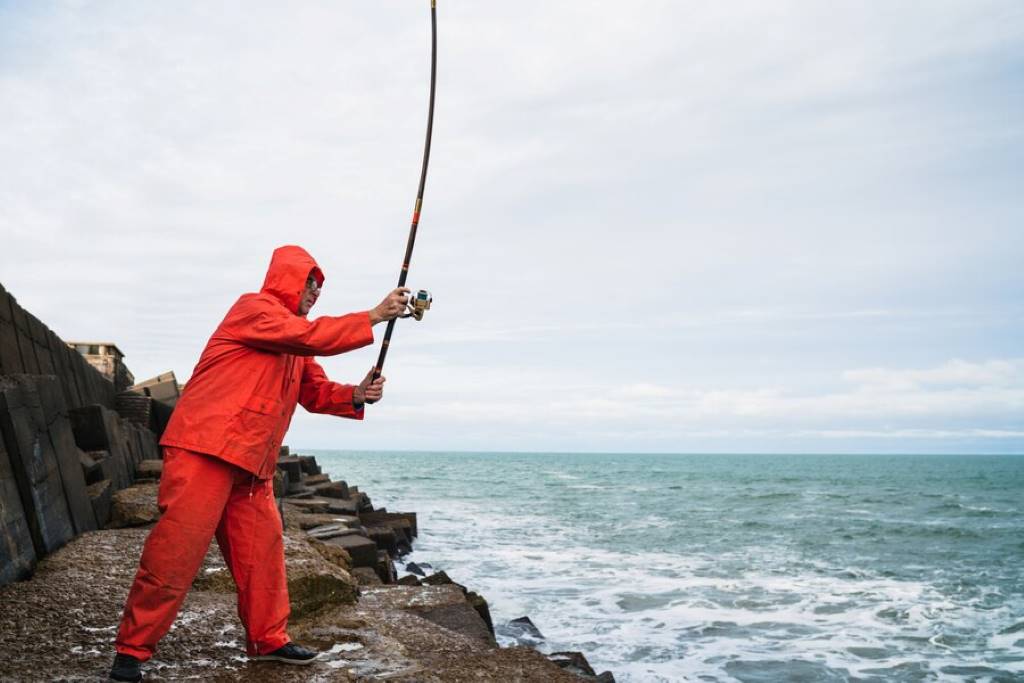
Deep sea fishing is an exhilarating sport that requires skill, patience, and a touch of creativity. Whether you’re a seasoned angler or just starting out, one of the most crucial factors in ensuring a successful fishing trip is the bait you use. While traditional baiting methods work, there’s a growing trend among seasoned fishermen to explore unconventional techniques that can take their game to the next level. In this article, we’ll dive deep into these unconventional baiting techniques for deep sea fishing and how they can help you reel in the big catch.
Understanding the Importance of Baiting in Deep Sea Fishing
Baiting is often considered the heart of deep sea fishing. No matter how good your equipment or boat is, if the bait doesn’t appeal to the fish, your chances of success are slim. Traditional baiting typically involves using natural food sources like squid, mackerel, or cut-up fish, which are highly effective. However, innovative anglers are now incorporating unconventional baits to give themselves an edge.
These alternative baits can mimic the natural ecosystem of the deep sea in unique ways. By utilizing these creative methods, fishermen are attracting fish species that are more selective or wary of traditional offerings.

The Science Behind Unconventional Baiting
To understand why unconventional baiting works, let’s break down the science behind it. Fish are naturally drawn to certain smells, colors, and movements. By manipulating these elements, you can increase your chances of attracting your target species.
For instance, deep-sea fish are known to have highly developed senses, especially when it comes to detecting scent trails in the water. Many fish rely on this sense of smell to find food. Traditional baiting techniques may not always tap into this olfactory advantage, but unconventional methods can.
Fish Vision and Color Preferences
One aspect that’s often overlooked is the role of color. Certain species of fish are attracted to specific colors that match the hues of their natural prey. For example, yellowtail, tuna, and marlin are often drawn to vibrant, fluorescent colors, which are not typically used in conventional baiting methods. Incorporating colorful artificial baits or lures can sometimes make all the difference.
The Role of Texture and Movement
Unconventional baits that move erratically or simulate distressed prey are also more likely to trigger a fish’s predatory instinct. For example, using large, rubbery squid lures or even slow-moving cuttlefish can mimic the movements of a real fish, which increases the chance of attracting big predators.
Top Unconventional Baiting Techniques for Deep Sea Fishing
Let’s dive into some of the most successful unconventional baiting techniques that have been tried and tested by seasoned anglers.
Using Scented Artificial Baits
Artificial baits have been around for a while, but anglers are now experimenting with scented artificial baits. These baits are coated with fish attractants or oils that mimic the scent of live prey. Scented soft plastics and rubber lures have revolutionized the way anglers approach deep sea fishing.
Anglers are using squid, herring, and mackerel scent formulas to attract species like grouper, snapper, and tuna. These baits not only look like the real thing but also leave a powerful scent trail that fish can follow. One popular scented bait product, the Gulp! series, has proven especially effective in both fresh and saltwater environments.
Glow-in-the-Dark Lures
Deep sea fishing often takes place in dark or murky waters, and fish that live at those depths are accustomed to low-light conditions. Glow-in-the-dark lures can be an effective way to attract fish in these environments. These lures come in various shapes, from jig heads to fish-shaped patterns, and can be charged with a flashlight or a UV light before being cast into the water.
Studies have shown that fish, especially predatory species like tuna and marlin, are attracted to bioluminescence or the glowing patterns similar to the natural bioluminescence found in smaller ocean creatures like plankton. By using glow-in-the-dark lures, you’re essentially mimicking the movement of those organisms, which can attract fish in the deep sea.
Live Bait with a Twist: Hybrid Live-Dead Baiting
Live baiting has always been a staple of deep sea fishing, but an unconventional approach involves a hybrid method, where the bait is kept alive but in a weakened or “injured” state. This can be done by threading the live bait through the tail or gills so it appears to be struggling. This gives the illusion of vulnerability, which predatory fish find irresistible.
Alternatively, anglers may use a combination of both live and dead bait. For example, a freshly caught mackerel can be cut into pieces and used alongside a live bait, creating a scent trail that attracts a larger variety of fish.
The Use of Shellfish and Crustaceans
While squid and mackerel are the usual suspects in baiting for deep sea fishing, shellfish and crustaceans can also prove effective, especially in areas with an abundance of these creatures. Lobster, crab, and shrimp are often found near the sea floor and attract species like grouper, snapper, and even large pelagic fish. Using live or even frozen crustaceans as bait can provide a unique alternative to traditional fish-based baits.
Drone Fishing: A High-Tech Twist
In recent years, drone fishing has become an innovative way to deliver unconventional baits to deep sea fish. Drones equipped with cameras and bait drop mechanisms allow fishermen to reach otherwise inaccessible waters and drop bait precisely where it’s needed. This technique has proved particularly useful for catching large predators like sharks, tuna, and marlin.
By using drones, you can bait specific areas where fish are more likely to congregate, such as near underwater structures or currents. This highly precise method eliminates the guesswork and improves your chances of attracting fish.
Tips for Successful Deep Sea Fishing with Unconventional Baiting
When using unconventional baiting techniques, it’s essential to understand the specific needs of the species you’re targeting. For example, tuna might respond better to larger, colorful lures, while grouper prefer scent trails from live or hybrid baits. It’s also vital to be patient, as deep sea fishing requires persistence and the ability to adapt to changing conditions.
Additionally, always ensure your bait is fresh or well-preserved. Fish are more likely to bite if the bait closely resembles their natural food sources.
FAQs
1. What is the best unconventional bait for deep sea fishing?
Glow-in-the-dark lures, hybrid live-dead bait, and scented artificial baits have been proven to attract a wide variety of deep-sea species.
2. How does glow-in-the-dark bait work?
Glow-in-the-dark baits mimic bioluminescence found in the ocean, which attracts fish in low-light environments.
3. Can I use drone fishing for deep sea baiting?
Yes, drones can be used to drop bait precisely in deep sea locations, making them an excellent tool for targeting large predators.
4. Why should I consider hybrid live-dead baiting?
Hybrid live-dead baiting creates the illusion of a struggling fish, which is highly attractive to predatory species like tuna and marlin.
5. Are there specific deep-sea fish attracted to shellfish?
Yes, fish like grouper, snapper, and certain pelagic species are often drawn to shellfish and crustaceans, making them an ideal unconventional bait.
Summary
Unconventional baiting techniques have taken deep sea fishing to new heights, offering anglers innovative ways to attract elusive fish species. By incorporating scents, colors, and movements that mimic the natural behavior of prey, fishermen can improve their chances of landing a big catch. Techniques like glow-in-the-dark lures, hybrid live-dead baiting, and even drone fishing are changing the game, making deep sea fishing more exciting and effective than ever before. Embrace these unconventional methods, and you’ll find yourself reeling in bigger, more exciting catches on your next adventure!