Nina Taylor
Anchoring a small fishing boat may seem like a straightforward task, but doing it incorrectly can lead to drifting, lost gear, or even capsizing. Whether you’re fishing in calm lakes, coastal waters, or rough offshore conditions, using the right anchoring techniques ensures safety, stability, and success. This guide explores the best anchoring methods, the right gear to use, and expert tips on safe anchoring techniques for small fishing boats in various conditions.
Understanding the Basics of Safe Anchoring Techniques for Small Fishing Boats
Before dropping an anchor, it’s crucial to understand how anchoring works. A safe anchoring techniques for small fishing boats secures a boat by gripping the seabed while a length of chain and rope, called the rode, helps absorb movement from waves and wind. The effectiveness of an anchor depends on several factors:
- Anchor Type: Different anchors work best in different seabed conditions.
- Scope Ratio: The length of the anchor line compared to water depth affects holding power.
- Weather and Currents: Wind direction, wave action, and tidal movements influence anchoring decisions.
Choosing the Right Anchor for Your Fishing Boat
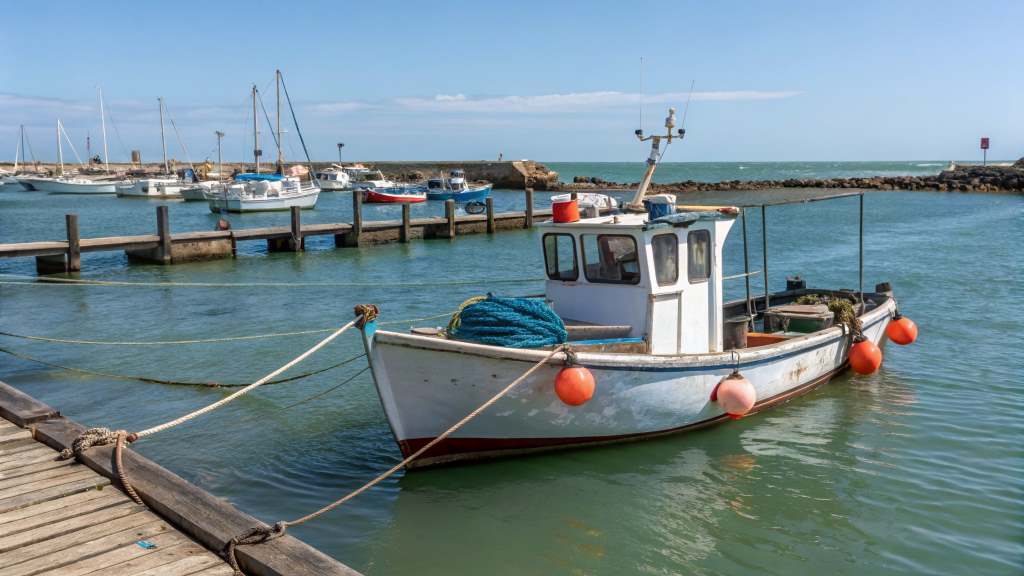
Selecting the right anchor is essential for holding power. Not all anchors work in every condition, so choosing the appropriate type ensures a strong grip.
1. Fluke (Danforth) Anchor
- Best for sand and mud bottoms
- Lightweight and easy to store
- Provides a strong hold with a high scope ratio
2. Plow (CQR) Anchor
- Ideal for mud, sand, and grassy bottoms
- Heavy but offers excellent holding power
- Works well for boats that swing with the wind
3. Claw (Bruce) Anchor
- Suitable for rocky, muddy, or sand bottoms
- Sets easily but has lower holding power compared to plow anchors
- Great for anchoring in varying seabed conditions
4. Grapnel Anchor
- Best for rocky or reef environments
- Common for small boats, kayaks, and dinghies
- Folds for compact storage but may require retrieval effort
Calculating the Right Scope Ratio
The scope ratio is the length of anchor line (rode) deployed relative to the depth of the water. A higher ratio provides better holding power.
- 3:1 Scope – Minimum for calm waters with no wind
- 5:1 Scope – Recommended for most anchoring situations
- 7:1 Scope – Ideal for rough waters or overnight anchoring
For example, if anchoring in 10 feet of water, a 5:1 scope would require 50 feet of rode.
Step-by-Step Guide to Properly Anchoring a Small Fishing Boat
Assess the Location
- Choose a seabed with good holding ground (sand or mud is ideal).
- Check water depth and wind conditions.
- Ensure you are a safe distance from obstacles, rocks, or other boats.
Prepare Your Anchor and Rode
- Attach the anchor line to the bow (never the stern, as this can capsize the boat).
- Ensure the rode is free from tangles and knots.
- Add a length of chain (typically 3-6 feet) to increase holding power.
Deploy the Anchor Correctly
- Position your boat upwind or up-current of your desired anchoring spot.
- Slowly lower (not throw) the anchor to the seabed.
- Let out the appropriate amount of scope before securing the line.
Set the Anchor
- Reverse the boat slowly to dig the anchor into the bottom.
- Feel for tension and check if the boat is holding position.
- Use landmarks or GPS to confirm the boat is staying put.
Monitor and Adjust if Needed
- Periodically check for anchor drag.
- If the boat moves, re-anchor using a longer scope.
- Be aware of changing wind and tide conditions.
Common Anchoring Mistakes and How to Avoid Them
Even experienced anglers make anchoring mistakes that can lead to accidents. Here’s how to avoid common errors on safe anchoring techniques for small fishing boats:
1. Using the Wrong Anchor
- Solution: Choose an anchor suited for the seabed conditions. A Danforth anchor works well in soft mud, but a grapnel anchor is better for rocky terrain.
2. Not Using Enough Scope
- Solution: Follow the 5:1 rule in normal conditions and 7:1 in rough waters. A short scope can lead to dragging.
3. Anchoring from the Stern
- Solution: Always attach the anchor line to the bow to prevent swamping or capsizing.
4. Throwing the Anchor Instead of Lowering It
- Solution: Slowly lower the anchor to avoid tangling and ensure proper seabed contact.
5. Failing to Monitor Anchor Drag
- Solution: Check frequently using GPS or visual reference points to confirm that the anchor is holding.
Advanced Anchoring Techniques for Extra Stability
For those anchoring in rough conditions or needing extra security, these advanced techniques can help.
1. Double Anchoring (Fore and Aft)
- Uses two anchors to reduce swing in tight spaces.
- Best for strong currents or small anchorage areas.
2. Bahamian Mooring
- Two anchors set in opposite directions.
- Effective for areas with tidal shifts or strong wind changes.
3. Tandem Anchoring
- Two anchors deployed in line with the wind or current.
- Increases holding power in extreme weather.
Safety Tips for Anchoring in Rough Conditions
- Check the Weather: Avoid anchoring in extreme storms. If caught in bad weather, increase the scope and monitor frequently.
- Carry a Backup Anchor: A secondary anchor is useful in emergencies.
- Use an Anchor Retrieval Buoy: Helps recover a stuck anchor with less effort.
- Have a Quick Release Plan: In case of emergency, be ready to cut the anchor line quickly.
Conclusion
Mastering safe anchoring techniques for small fishing boats enhances both safety and fishing success. By choosing the right anchor, calculating the proper scope, and following best practices, you can confidently secure your boat in any conditions. Whether you’re fishing in calm waters or facing shifting tides, these expert tips will help you anchor safely and efficiently.
FAQs
1. What is the best type of anchor for a small fishing boat?
The Danforth (Fluke) anchor is best for most small fishing boats because it holds well in sand and mud, is lightweight, and easy to store.
2. How much anchor line should I use?
Use at least a 5:1 scope ratio (5 feet of line for every foot of water depth). In rough conditions, increase this to 7:1 for better holding power.
3. Why should I anchor from the bow instead of the stern?
Anchoring from the stern can cause the boat to take waves head-on, increasing the risk of capsizing or swamping. The bow is designed to handle oncoming waves safely.
4. How do I know if my anchor is dragging?
Check for changes in GPS position or use landmarks to see if your boat is shifting. If dragging, reset the anchor with more scope or a different anchor type.
5. Can I use two anchors at the same time?
Yes, techniques like Bahamian mooring or tandem anchoring provide extra stability, especially in areas with strong currents or shifting winds.