Nina Taylor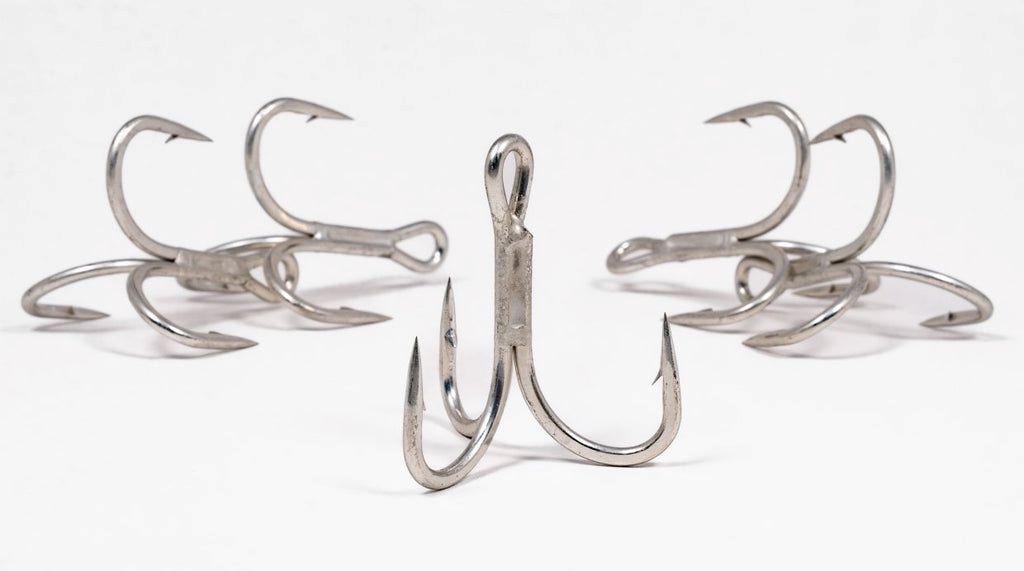
Fishing is a timeless activity that connects us to nature and tests our patience, skill, and knowledge. One of the most important—yet often overlooked—pieces of gear is the fishing hook. The right hook can mean the difference between a successful catch and a missed opportunity. With so many shapes, sizes, and materials available, choosing the best fishing hooks for your target species can feel overwhelming.
I still remember my first fishing trip with my uncle. He handed me a small tackle box and said, “The hook is what stands between you and the fish. Pick the wrong one, and you’ll spend the day watching others catch fish.” That lesson stuck with me, and over the years, I’ve learned that matching the hook to the fish and fishing conditions is just as important as the rod or reel.
Understanding the Basics of Fishing Hooks
Before diving into specific types, it’s essential to understand the basic parts of a fishing hook:
- Eye: The loop at the top where the line is tied.
- Shank: The straight section between the eye and the bend.
- Bend: The curved part that leads to the point.
- Point: The sharp tip that penetrates the fish’s mouth.
- Barb: A small projection near the point that helps keep the fish hooked.
- Gap: The distance between the shank and the point.
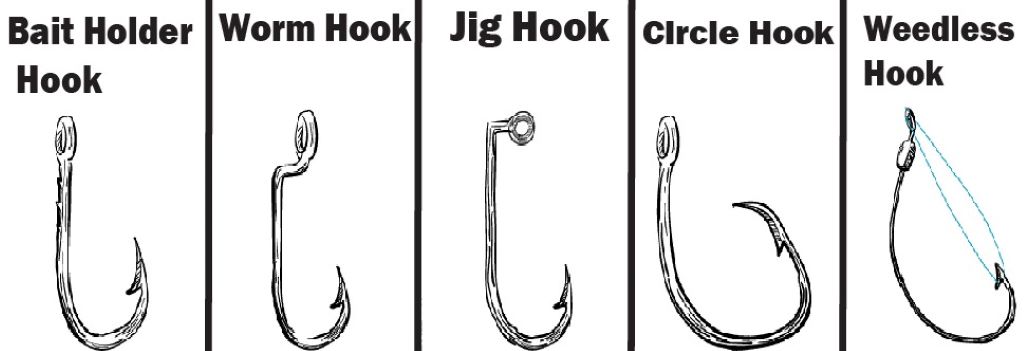
Fishing hooks come in various shapes, such as J-hooks, circle hooks, treble hooks, and worm hooks. Each design serves a unique purpose and is suited for different fishing techniques and species. The global fishing hooks market is valued at over $569 million in 2025, driven by the growing popularity of recreational fishing and the demand for high-quality, specialized hooks.
Why the Right Hook Matters
Using the right hook increases your chances of hooking and landing fish. A poorly chosen hook can result in missed strikes, lost fish, or even injury to the fish, which is especially important for catch-and-release fishing. According to recent market trends, anglers are increasingly investing in advanced, corrosion-resistant hooks designed for both saltwater and freshwater environments, with freshwater hooks accounting for 35-40% of the market and saltwater hooks making up 25-30%.
Matching Hooks to Fish Species
Bass Fishing
Bass are aggressive and have a large mouth, making them a favorite target for many anglers. For bass, worm hooks (especially offset worm hooks) are popular because they allow for weedless rigging, which is crucial when fishing in heavy cover. A 3/0 to 5/0 hook size is ideal for most bass fishing applications. Additionally, using a sharp, strong hook ensures a good hookset, which is essential for landing these powerful fish.
When fishing with soft plastic lures, a wide-gap hook is often the best choice. This design provides more room for the hook to penetrate the fish’s mouth, especially when using bulkier baits. Many professional anglers also prefer barbless hooks for bass, as they make it easier to release fish unharmed, which is important for conservation and tournament fishing.
Trout Fishing
Trout have smaller mouths and are often more cautious, so using the right hook is critical. For trout, smaller hooks in sizes 8 to 14 are typically used, depending on the bait and the size of the fish. Baitholder hooks are excellent for live bait like worms, as their barbs help keep the bait in place. For fly fishing, dry fly hooks or nymph hooks are designed to be lightweight and match the size of the insects trout feed on.
One of my favorite hooks for trout is the Daiichi Salmon Egg hook. It’s lightweight, sharp, and holds bait well, making it a top choice among experienced trout guides. Using the wrong hook size can result in missed bites or even spooking the fish, so always match your hook to the bait and the trout’s feeding habits.
Saltwater Fishing
Saltwater fishing presents unique challenges due to the corrosive environment and the size of the fish. For inshore species like redfish, flounder, and seatrout, circle hooks are often recommended. Circle hooks are designed to hook the fish in the corner of the mouth, reducing the chance of gut-hooking and making them ideal for catch-and-release fishing.
For larger offshore species like tuna, marlin, or shark, heavy-duty hooks made from corrosion-resistant materials are a must. These hooks are typically larger, ranging from 5/0 to 10/0, and are built to handle the immense power of big game fish. In 2024, many companies introduced advanced, corrosion-resistant hooks specifically for saltwater fishing, catering to the growing demand for durable and reliable tackle.
Panfish and Crappie
Panfish, including crappie, bluegill, and perch, have small mouths, so using tiny hooks is essential. Aberdeens or bait hooks in sizes 6 to 10 are perfect for these species. The small size ensures the fish can take the bait easily, and the lightweight design allows for delicate presentations.
When fishing for crappie, many anglers use a slip bobber rig with a small hook and live minnow. The key is to use a hook that’s sharp and small enough to fit in the fish’s mouth without being too bulky. Using a hook that’s too large can result in missed bites or the fish stealing the bait without getting hooked.
Hook Materials and Coatings
The material and coating of a hook play a significant role in its performance and durability. Most hooks are made from high-carbon steel, which provides strength and sharpness. However, for saltwater fishing, hooks are often coated with materials like nickel, tin, or gold to prevent corrosion.
In recent years, there’s been a rise in the use of barbless hooks, especially among catch-and-release anglers. Barbless hooks are easier to remove and cause less harm to the fish, making them a popular choice for conservation-minded anglers. Companies like Gamakatsu have introduced barbless hooks that account for 10-15% of their sales, reflecting a growing trend toward sustainable fishing practices.
Personal Experience: The Hook That Changed Everything
A few years ago, I was fishing for steelhead in a fast-moving river. I had been using the same hooks I used for trout, but I kept losing fish after the hookset. A local guide noticed my struggle and handed me a box of Owner Mosquito hooks. “Steelhead have bony mouths,” he explained. “You need a hook that’s sharp enough to penetrate quickly and strong enough to hold.” That day, I landed my first steelhead, and I’ve never looked back. The right hook made all the difference.
Hook Sizes and How to Choose
Hook sizes can be confusing because they don’t follow a linear scale. Smaller hooks are denoted by higher numbers (e.g., size 10 is smaller than size 6), while larger hooks use a system that includes a slash and a zero (e.g., 1/0, 2/0). The size you choose depends on the fish species and the bait you’re using.
Here’s a quick guide to help you choose the right size:
- Size 6-10: Ideal for panfish, trout, and small baits.
- Size 2-4: Good for bass, walleye, and medium-sized baits.
- Size 1/0-5/0: Suitable for larger bass, pike, and saltwater species.
- Size 6/0 and up: Used for big game fish like tuna, marlin, and shark.
Frequently Asked Questions
What is the best hook for catch-and-release fishing?
Barbless hooks are the best choice for catch-and-release fishing. They cause less injury to the fish and are easier to remove, increasing the fish’s chances of survival after release.
How do I know if a hook is sharp enough?
A sharp hook should easily penetrate your fingernail with light pressure. If it doesn’t, it’s time to sharpen or replace the hook.
Can I use the same hook for freshwater and saltwater fishing?
While you can use the same hook, it’s not recommended for prolonged saltwater use. Saltwater is highly corrosive, so it’s best to use hooks specifically designed for saltwater fishing, which are typically coated to resist corrosion.
What is the difference between a circle hook and a J-hook?
Circle hooks are designed to hook the fish in the corner of the mouth, reducing the chance of gut-hooking and making them ideal for catch-and-release. J-hooks, on the other hand, are more traditional and require a strong hookset to penetrate the fish’s mouth.
How often should I replace my fishing hooks?
You should replace your hooks whenever they become dull, rusted, or bent. Sharp, rust-free hooks improve your chances of hooking and landing fish.
Conclusion
Choosing the right fishing hooks for different types of fish is a skill that can significantly improve your success on the water. By understanding the basics of hook design, matching the hook to your target species, and considering factors like material and size, you’ll be well on your way to more productive and enjoyable fishing trips.
Remember, the right hook is more than just a piece of metal—it’s the critical link between you and the fish. So next time you’re preparing your tackle box, take a moment to consider which hook will give you the best chance of success.
Have you found a hook that works perfectly for your favorite fish? Share your experiences or ask questions in the comments below! And if you found this guide helpful, don’t forget to share it with your fellow anglers.