Nina Taylor
Canada’s vast and diverse aquatic landscape—from the icy depths of Lake Superior to the salmon-rich rivers of British Columbia—demands fishing gear that’s as versatile as the terrain. Choosing the right fishing line isn’t just about preference; it’s about performance, durability, and adapting to the conditions. Whether you’re targeting walleye in Ontario or trout in Alberta, understanding the strengths and weaknesses of braided, monofilament, and fluorocarbon lines can make or break your catch.
🎣 Introduction: Why Line Choice Matters in Canada
Canadian waters are as unforgiving as they are rewarding. With over 2 million lakes and countless rivers, anglers face everything from rocky bottoms to crystal-clear visibility. The wrong line can spook fish, snap under pressure, or fail to deliver the sensitivity needed for subtle bites. According to Fisheries and Oceans Canada, recreational fishing contributes over $8 billion annually to the economy—proof that Canadians take their angling seriously.
So, which fishing line should you trust in these waters? Let’s dive into the pros, cons, and best-use scenarios for braided, mono, and fluorocarbon lines.
🧵 Braided Line: Power and Precision
Braided fishing line is known for its strength-to-diameter ratio. Made from woven synthetic fibers like Spectra or Dyneema, it offers unmatched sensitivity and tensile strength.
Advantages:
- High strength, low diameter: Ideal for deep-water fishing and heavy cover.
- Zero stretch: Enhances hook-setting power and bite detection.
- Long-lasting: Resists UV damage and wear over time.
Disadvantages:
- Visibility: Fish in clear Canadian lakes may detect it easily.
- Abrasion vulnerability: Not ideal around rocks or submerged timber.
- Cost: Typically more expensive than mono.
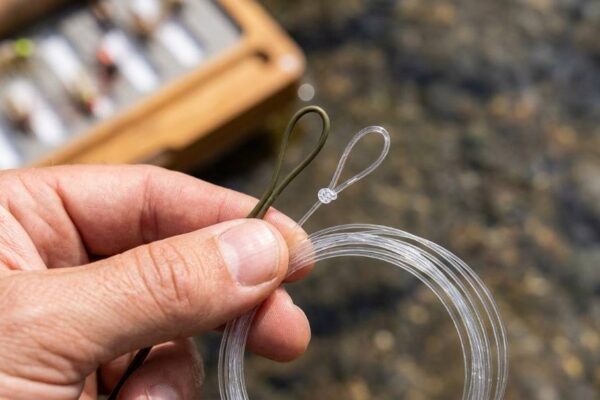
Braided line shines in murky or weedy environments like Lake Erie’s western basin. It’s perfect for bass fishing with topwater lures or jigging in deep channels. However, experts recommend pairing it with a mono or fluoro leader to reduce visibility and improve abrasion resistance.
🧵 Monofilament Line: The All-Rounder
Monofilament, or “mono,” is the most widely used fishing line in North America. Made from a single strand of nylon, it’s affordable and versatile.
Advantages:
- Stretchability: Acts as a shock absorber during aggressive strikes.
- Low visibility: Especially in dyed versions that match water color.
- Buoyancy: Great for topwater presentations.
Disadvantages:
- Thicker diameter: Reduces casting distance and reel capacity.
- Memory: Can coil and kink, affecting performance.
- Lower sensitivity: Makes detecting light bites harder.
Mono is a go-to for beginners and casual anglers. It performs well in lakes like Lake Ontario, where fish like pike and perch strike hard. Its forgiving nature makes it ideal for trolling and live bait setups.
🧵 Fluorocarbon Line: Stealth and Strength
Fluorocarbon is the stealthiest of the three. Made from polyvinylidene fluoride, it’s nearly invisible underwater and highly abrasion-resistant.
Advantages:
- Low visibility: Perfect for clear waters and finicky fish.
- Abrasion resistance: Handles rocky terrain and submerged structures.
- Density: Sinks faster, ideal for bottom fishing.
Disadvantages:
- Stiffness: Can be difficult to manage on spinning reels.
- Cost: More expensive than mono.
- Knot sensitivity: Requires careful tying to avoid slippage.
Fluoro excels in places like British Columbia’s Fraser River, where salmon and steelhead demand finesse. Many anglers use it as a leader rather than a main line to balance cost and performance.
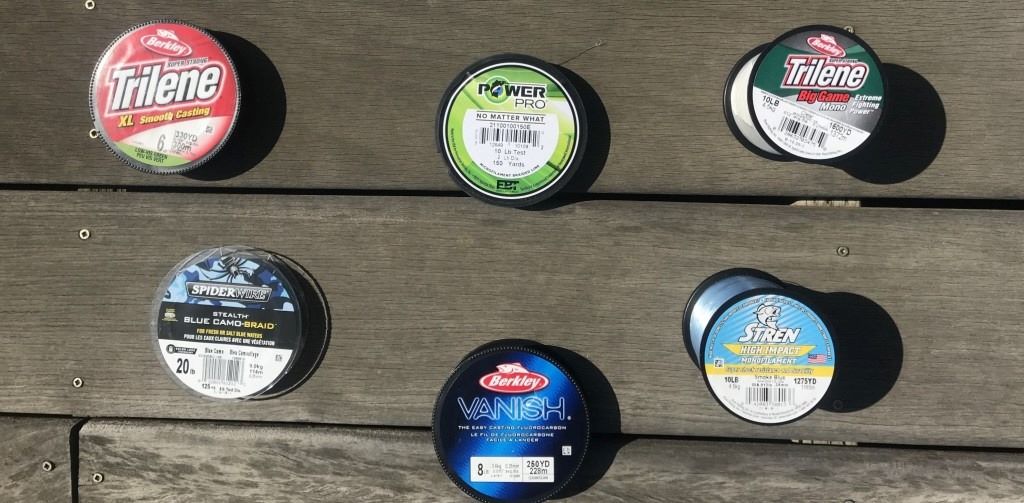
📊 Comparative Overview
| Feature | Braided Line | Monofilament Line | Fluorocarbon Line |
| Visibility | High | Medium | Low |
| Stretch | None | High | Low |
| Abrasion Resistance | Low | Medium | High |
| Sensitivity | Excellent | Low | Good |
| Buoyancy | Sinks slowly | Floats | Sinks quickly |
| Cost | High | Low | Medium to High |
| Best Use | Heavy cover, deep jig | Topwater, trolling | Clear water, finesse |
🔍 Featured Snippet: What’s the Best Fishing Line for Canadian Waters?
Q: What is the best fishing line for Canadian waters—braided, mono, or fluorocarbon?
A: The best fishing line depends on your target species and environment. For murky or weedy lakes, braided line offers strength and sensitivity. In clear waters, fluorocarbon provides stealth and abrasion resistance. Monofilament is ideal for beginners and topwater fishing due to its stretch and buoyancy. Many seasoned anglers use a combination—braid for the main line and fluoro or mono leaders—to balance visibility, strength, and performance.
❓ FAQs
- Can I use braided line in clear Canadian lakes?
Yes, but pair it with a fluorocarbon leader to reduce visibility and improve presentation. - Is monofilament good for ice fishing?
Mono works well due to its flexibility in cold temperatures, but fluorocarbon offers better sensitivity. - Which line is best for salmon fishing in Canada?
Fluorocarbon is preferred for its invisibility and abrasion resistance in rocky rivers. - How often should I replace my fishing line?
Mono should be replaced every season. Braided and fluorocarbon lines last longer but inspect for wear. - Does line color matter in Canadian waters?
Yes. Use green or blue mono in lakes and clear fluoro in rivers to match water clarity. - Can I use fluorocarbon as a main line?
Yes, but it’s stiffer than mono. Many anglers use it as a leader to save cost and improve handling. - What’s the best line for beginners?
Monofilament is affordable, easy to handle, and forgiving—ideal for learning the ropes.
🧠 Final Thought
Choosing the best fishing line for Canadian waters isn’t a one-size-fits-all decision. It’s about matching your gear to the conditions, species, and technique. Braided lines offer brute strength and precision. Monofilament provides versatility and affordability. Fluorocarbon delivers stealth and durability. Smart anglers often combine them to maximize results.
📣 Call to Action
Ready to upgrade your fishing game? Test different lines in your favorite Canadian spots and see what works best. Share your experience with fellow anglers and explore expert gear reviews on Freshwater Fishing Advice and A Fellow Fisherman. Your next trophy catch might just depend on the line you choose.
Read More:
How to Tie the Hook on a Fishing Line
How to Use a Fishing Line Spooler for Perfect Line Management