Nina Taylor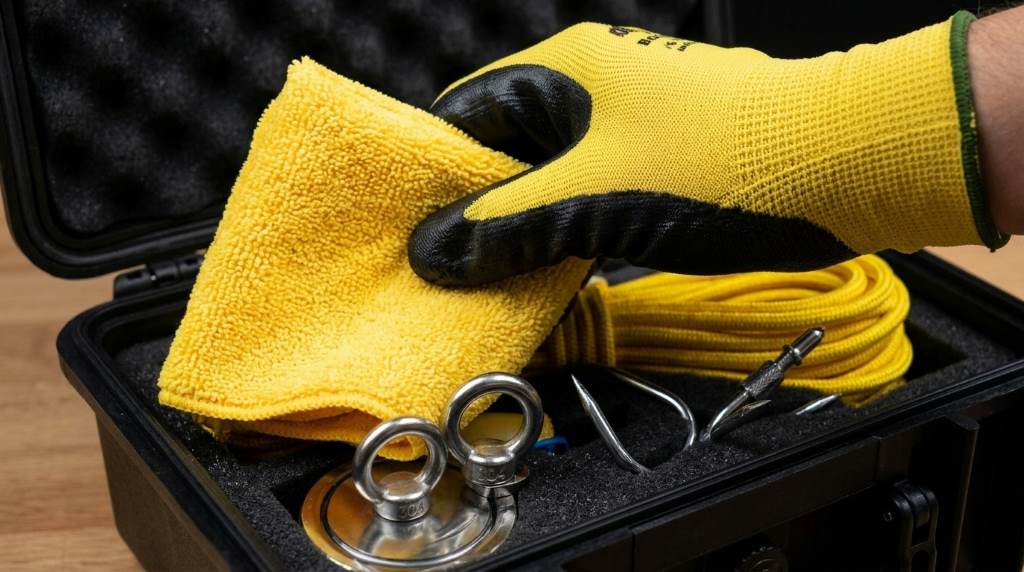
Starting magnet fishing requires a strong magnet, secure rope, safe location, and basic recovery tools. A beginner can start simply with a Platinum online products magnet fishing kit and a careful plan. Magnet fishing remains legal in many locations, but local rules can differ significantly. National Park Service lands prohibit magnet fishing, while South Carolina bans the activity statewide.
Understand What Magnet Fishing Involves
Magnet fishing uses a powerful magnet attached to a rope to recover magnetic objects from water. Instead of searching with hooks, you search for ferrous metals beneath bridges, docks, canals, and shorelines.
Therefore, your first goal should involve learning how the equipment behaves underwater. A magnet can grab metal suddenly, so controlled movement matters more than aggressive casting.
Beginners often expect valuable discoveries immediately, but ordinary objects appear more frequently. You may recover bolts, tools, bicycles, pipes, scrap metal, and other discarded items.
Know What Comes Inside a Magnet Fishing Kit
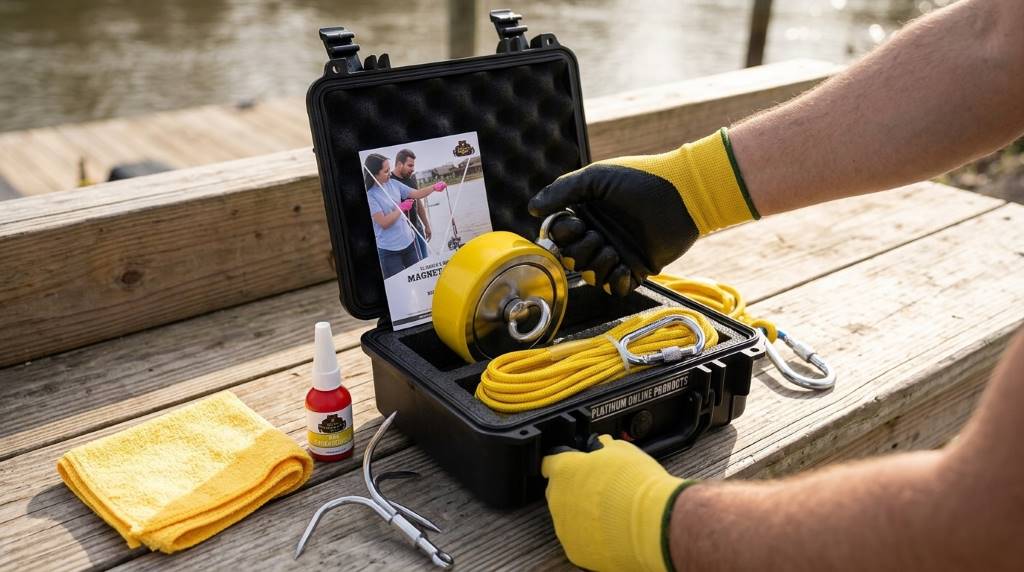
A complete kit should provide the basic equipment needed for safe and effective recovery. However, inspect every component before your first outing.
- Neodymium fishing magnet
- Strong recovery rope
- Eyebolt or attachment point
- Carabiner or connecting hardware
- Protective gloves
- Storage container or protective case
The magnet provides the pulling force, while the rope handles recovery tension. Meanwhile, the attachment hardware connects both components and must remain secure.
Strong neodymium magnets can cause serious pinch injuries when they snap against metal. They can also attract nearby steel objects unexpectedly, so careful handling remains essential.
Inspect Your Kit Before Leaving Home
Start by examining the magnet for cracks, chips, loose coatings, or damaged attachment points. Next, inspect the rope for fraying, cuts, weak sections, or damaged knots.
Check the connection between the rope and magnet several times before casting. A loose attachment can send your entire setup into deep water.
Also, keep the magnet away from metal tools during preparation. This simple habit prevents sudden movement and reduces accidental finger injuries.
Learn How Magnet Strength Works
Manufacturers often describe magnets using pull force measurements, but real performance varies underwater. Surface condition, object shape, metal type, and contact angle all affect recovery.
Consequently, beginners should not judge a magnet only by its advertised maximum force. A manageable setup often provides better control during early sessions.
Remember that stronger does not always mean easier. A powerful magnet can become difficult to remove after attaching firmly to large underwater structures.
Select a Safe Location
Your location can determine both your success and your safety. Look for accessible water with stable ground, clear casting space, and reasonable visibility.
Bridges can attract interesting finds because people have historically dropped or lost metal objects nearby. Public docks, older waterfront areas, and frequently used launch points can also produce useful discoveries.
However, never enter unstable structures simply to reach better water. Stay on secure ground and maintain enough distance from steep banks.
Check Local Rules Before Magnet Fishing
Do not assume that public water automatically allows magnet fishing. Rules can vary between states, municipalities, parks, waterways, and protected areas.
For example, National Park Service lands prohibit the use of magnets for metal detection. South Carolina also prohibits magnet fishing in state waterways.
Additionally, some locations require permits or impose special restrictions. Check the relevant park authority, land manager, city agency, or state regulations before casting.
Recent regulatory proposals also show why checking current rules matters. Delaware, for example, proposed tighter restrictions for magnet fishing in many state parks.
Prepare Your First Magnet Fishing Session
Keep your first session simple and focus on learning the equipment. Bring your magnet kit, gloves, water, a bucket, and a small brush for cleaning finds.
Wear shoes with strong traction when working near wet surfaces. Also, avoid standing directly beside unstable edges or slippery rocks.
Before casting, inspect the surrounding area for people, boats, swimmers, and obstacles. Then create a clear casting direction that keeps other people away.
Use the Right Casting Technique
Start With Short Casts
Begin with short casts instead of trying to reach maximum distance. This approach helps you understand the magnet’s weight, rope movement, and retrieval resistance.
Hold the rope securely and release it with controlled movement. Avoid wild swings because the magnet can strike nearby people, structures, or equipment.
Try Different Search Patterns
After each cast, allow the magnet to reach the bottom before retrieving it slowly. Drag it across the bottom while maintaining steady tension.
Change your casting angle after several attempts. This method lets the magnet cover different sections of the underwater area.
If you feel resistance, stop pulling aggressively and assess the situation. The object could represent a valuable find, heavy debris, or a fixed structure.
Learn How to Recover Objects Safely
When the magnet catches something, maintain steady tension rather than jerking the rope. Pull gradually and keep your body balanced.
Large objects can create unexpected resistance during recovery. Therefore, never wrap the rope around your hand or another part of your body.
Once the object reaches shore, keep your fingers away from the magnet’s contact point. Use a controlled method to separate the object instead.
Wear gloves because recovered metal can contain sharp edges, rust, glass, hooks, or other debris. A basic pair of work gloves can reduce many common handling injuries.
Handle Dangerous Finds Correctly
Magnet fishing can uncover objects that require professional handling. Firearms, ammunition, suspected explosives, sealed containers, and unknown hazardous objects deserve extra caution.
If you recover something that appears dangerous, do not inspect, open, strike, or transport it. Move away from the object and contact local authorities for guidance.
Never treat an old weapon or ammunition as a harmless historical souvenir. Water exposure can make damaged objects unpredictable and unsafe.
Clean and Store Your Equipment
Proper maintenance helps your kit remain reliable after repeated sessions. Rinse the magnet and hardware after use, especially after exposure to saltwater.
Dry everything thoroughly before storage to reduce corrosion and surface damage. Examine the rope again before your next outing.
Store strong magnets away from sensitive electronics and other magnetic materials. People with pacemakers or other implanted medical devices should seek professional medical guidance before handling powerful magnets.
Keep Your First Finds Organized
Not every recovered object deserves permanent storage. Separate useful discoveries from ordinary scrap and dispose of unwanted material responsibly.
Take photographs of unusual finds before cleaning them heavily. Original condition can provide useful information about age, construction, markings, and possible ownership.
Keep a simple record of your location, date, water conditions, and recovered objects. Over time, these notes can reveal which locations produce the best results.
Improve Your Results With Better Search Habits
Successful magnet fishing depends more on consistent searching than random casting. Focus on areas where people historically crossed, worked, traveled, or gathered.
Older bridges can provide promising search areas because they often experienced decades of human activity. Waterfront construction zones can also contain discarded ferrous material.
Furthermore, study the water before casting. Current patterns, visible structures, access points, and bottom conditions can help you plan each search.
- Research the location before visiting.
- Check current access and activity rules.
- Search slowly instead of rushing.
- Change angles regularly.
- Record unusual discoveries.
- Inspect equipment after every session.
Common Beginner Mistakes to Avoid
Many new magnet fishers focus too heavily on finding valuable objects. That mindset can encourage unsafe casting and unnecessary risks.
Another common mistake involves using damaged rope or loose attachment hardware. Always inspect these components before every session, even when they worked perfectly previously.
Some beginners also ignore weather and water conditions. Avoid fishing during storms, extreme currents, flooding, or other conditions that can quickly make shore access dangerous.
Finally, never assume an attractive location remains legal forever. Regulations can change, so verify the rules before each new trip.
Build a Simple Beginner Routine
A repeatable routine makes magnet fishing easier and safer. Follow the same preparation process until equipment checks become automatic.
- Confirm that magnet fishing is allowed.
- Inspect the magnet, rope, and connections.
- Put on protective gloves and suitable footwear.
- Establish a safe casting area.
- Make short controlled casts.
- Drag the magnet slowly across the bottom.
- Recover catches using steady tension.
- Separate dangerous or unknown objects carefully.
- Clean and inspect the equipment afterward.
This routine also helps you learn from every session. As your technique improves, you can gradually explore new locations and search patterns.
What Beginners Can Realistically Expect
Your first trip may produce ordinary scrap instead of an exciting historical discovery. That result still teaches you how the magnet reacts to different underwater materials.
Over time, patience can improve your recovery rate. Experienced magnet fishers often develop location knowledge that helps them recognize promising areas.
More importantly, treat every session as outdoor exploration rather than guaranteed treasure hunting. This mindset keeps expectations realistic and encourages safer decisions.
Final Tips for Starting Successfully
Start with a complete kit, learn your equipment, and practice controlled casting before attempting difficult recoveries. Always verify local rules and avoid restricted waterways or protected locations.
Most importantly, respect the magnet’s strength and treat unknown finds seriously. With good preparation, careful technique, and responsible cleanup, magnet fishing can become an enjoyable outdoor hobby.
If you are ready to begin, inspect your magnet fishing kit today and plan a legal, accessible first location. Prepare your safety gear, check current regulations, and make your first casts deliberately.
Frequently Asked Questions
Is magnet fishing difficult for beginners?
No, beginners can learn the basic casting and recovery technique with a few controlled practice sessions.
What should I bring magnet fishing?
Bring your magnet kit, gloves, suitable footwear, cleaning supplies, water, and a container for recovered objects.
Can I magnet fish anywhere?
No, local laws, park rules, property restrictions, and protected area regulations can limit where magnet fishing is allowed.
What happens if I find a gun?
Do not handle or transport it further, and contact local authorities for instructions about the recovered firearm.
How should I store a strong fishing magnet?
Keep it secured away from sensitive electronics, magnetic materials, children, and people with implanted medical devices.