Nina Taylor
Fishing reels are intricate machines that demand proper maintenance to perform smoothly. Lubrication plays a critical role in preventing wear, corrosion, and mechanical failure. However, not all lubricants work for every reel type. Using the wrong oil or grease can lead to sluggish operation, reduced casting distance, and even permanent damage. This guide dives deep into the best lubricants for different fishing reel types. You will learn how to choose the right oil or grease, apply it correctly, and maintain your reels for long-lasting performance.
Why Proper Lubrication Matters for Fishing Reels
A fishing reel has multiple moving parts, including gears, bearings, and shafts. Without proper lubrication, these components generate excess friction, leading to premature wear. Studies show that reels with regular maintenance last up to 50% longer than neglected ones (Salt Strong, 2023).
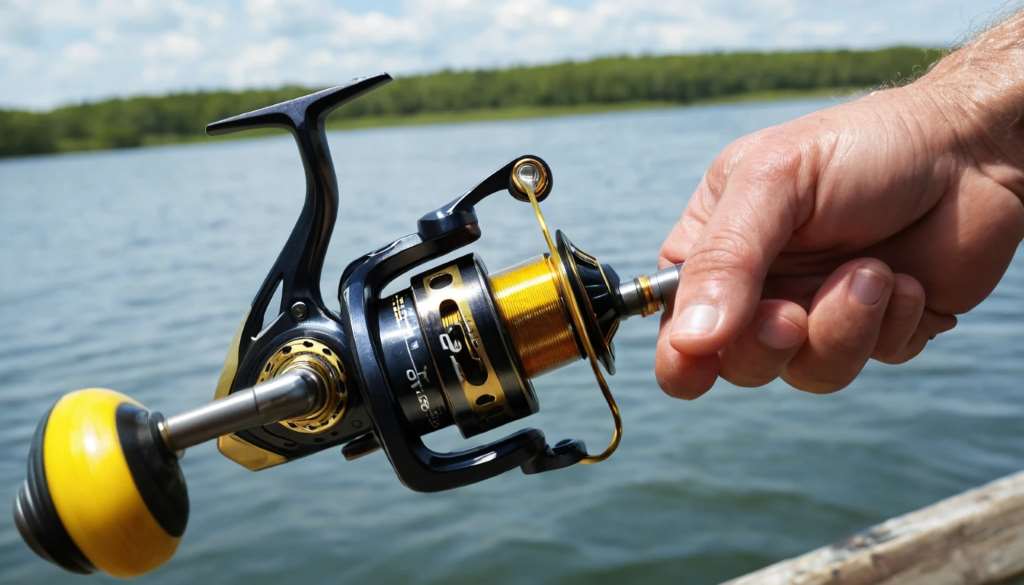
Lubricants serve two main purposes:
- Reduce friction: This ensures smoother reeling and casting.
- Prevent corrosion: Especially important for saltwater reels that are constantly exposed to moisture.
A well-lubricated reel also improves casting distance, reduces noise, and minimizes the risk of sudden breakdowns during a fishing trip.
Types of Lubricants for Fishing Reels
Before choosing a lubricant, you must understand the difference between reel oil and grease.
1. Reel Oil
- Ideal for high-speed components such as ball bearings and spool shafts.
- Keeps moving parts smooth without adding resistance.
- Lightweight and penetrates small spaces easily.
2. Reel Grease
- Used for gears, drag systems, and main shafts.
- Thicker than oil, providing a protective coating.
- Prevents metal-on-metal wear in high-pressure areas.
Both types of lubricants are essential, but their application depends on the type of reel you are using.
Best Lubricants for Spinning Reels
Spinning reels need lubrication that ensures smooth operation without adding unnecessary weight to the components.
1. Ardent Reel Butter Oil and Grease
Why It’s Great:
- Synthetic formula that reduces friction and wear.
- Doesn’t attract dirt or gum up over time.
- Works in both freshwater and saltwater conditions.
2. Penn Precision Reel Oil and Grease
Why It’s Great:
- Trusted by professional anglers.
- Provides corrosion resistance in extreme environments.
- Long-lasting and does not degrade under heat or pressure.
How to Lubricate a Spinning Reel Properly
- Apply oil to ball bearings and handle knobs.
- Use grease on the gears, drag washers, and the main shaft.
- Remove any excess lubricant to prevent dirt buildup.
Best Lubricants for Baitcasting Reels
Baitcasting reels operate at higher speeds and require precise lubrication to prevent backlash and improve casting performance.
1. Shimano Bantam Oil
Why It’s Great:
- Formulated for high-performance baitcasters.
- Enhances casting distance and reduces wear on spool bearings.
2. Lucas Fishing Reel Oil
Why It’s Great:
- Creates a protective film that prevents corrosion.
- Ideal for both freshwater and saltwater baitcasters.
How to Lubricate a Baitcasting Reel Properly
- Apply one drop of oil to each spool bearing.
- Grease the main gear and worm gear.
- Avoid oiling the braking system, as it can cause performance issues.
Best Lubricants for Spincast Reels
Spincast reels are simple in design but still need proper lubrication to prevent sluggish performance.
1. Quantum Hot Sauce Reel Oil
Why It’s Great:
- Ultra-slick formula designed for fast-moving components.
- Reduces internal friction and enhances casting.
2. Daiwa Reel Grease
Why It’s Great:
- Water-resistant and ideal for humid conditions.
- Extends the lifespan of internal components.
How to Lubricate a Spincast Reel Properly
- Use a small amount of grease on gears and drag washers.
- Apply one drop of oil to the pickup pin and handle knobs.
- Avoid over-lubricating to prevent internal buildup.
Best Lubricants for Conventional Reels
Conventional reels handle high drag pressures and saltwater exposure. They need heavy-duty lubrication to withstand extreme conditions.
1. CorrosionX Reel Lubricant
Why It’s Great:
- Specifically designed for saltwater reels.
- Prevents rust and corrosion even after prolonged exposure.
2. Yamaha Marine Grease
Why It’s Great:
- Extreme pressure-resistant formula for high-torque reels.
- Provides long-lasting protection in deep-sea conditions.
How to Lubricate a Conventional Reel Properly
- Apply oil to spool bearings and worm gear.
- Grease the main gear, drag washers, and handle knobs.
- Reapply lubrication frequently to prevent salt buildup.
How Often Should You Lubricate Your Fishing Reel?
The frequency of lubrication depends on how often and where you fish.
- Heavy Use (Saltwater or Tournament Fishing): Every two weeks.
- Moderate Use (Weekend Fishing): Once a month.
- Light Use (Occasional Trips): Every two to three months.
Saltwater anglers should clean and lubricate their reels after every trip. Salt can corrode internal parts within days if left untreated.
FAQs
1. Can I use WD-40 on my fishing reel?
No. WD-40 is a degreaser, not a lubricant. It removes necessary oils and can cause long-term damage.
2. What happens if I over-lubricate my reel?
Excess lubrication attracts dirt and debris, leading to sluggish performance. Always wipe off excess oil and grease.
3. How do I clean my reel before applying new lubricant?
Use a soft brush and reel cleaner or isopropyl alcohol. Remove old grease before reapplying lubricant.
4. Can I mix different reel oils and greases?
It is best to use matching products. Mixing different brands or formulas can cause inconsistent performance.
5. How do I store my lubricants?
Keep them in a cool, dry place. Avoid exposure to direct sunlight or extreme temperatures.
Final Thoughts
Choosing the right lubricants for your fishing reel makes a significant difference in performance and durability. Spinning reels need lightweight oil, while baitcasters require high-speed lubricants. Conventional reels demand heavy-duty protection against salt and wear. By using the right oil and grease, you will extend your reel’s lifespan and enjoy smoother fishing experiences.
Regular maintenance does not take much time but pays off in the long run. Invest in quality reel lubricants and keep your gear in peak condition. Whether you are a casual angler or a tournament competitor, proper lubrication ensures your reels stay in top shape for years to come.