Nina Taylor
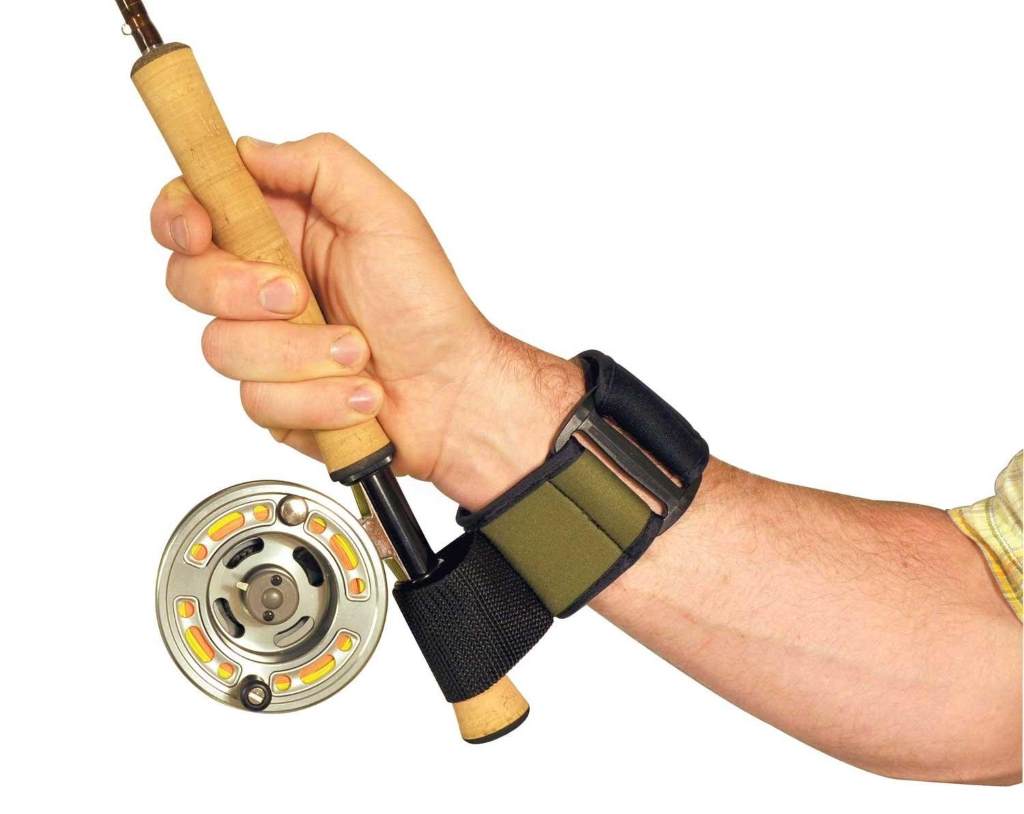
Fishing looks calm and relaxing, yet it puts steady strain on your wrist. Repetitive casting, gripping rods, and reeling can lead to pain over time. Studies from the National Institute of Arthritis and Musculoskeletal and Skin Diseases show that repetitive wrist motion increases the risk of tendon injuries and strain. Another report by Centers for Disease Control and Prevention highlights that joint stress injuries are common in recreational activities.
That is where a fishing wrist brace helps. It supports your wrist, reduces strain, and lets you fish longer without discomfort. However, choosing the right one requires more than picking any brace. You need comfort, proper support, and the right fit for your fishing style.
Why You Need a Fishing Wrist Brace
Fishing involves repeated motion and force. Over time, this creates stress on tendons and ligaments. Without support, small discomfort can turn into long term injury.
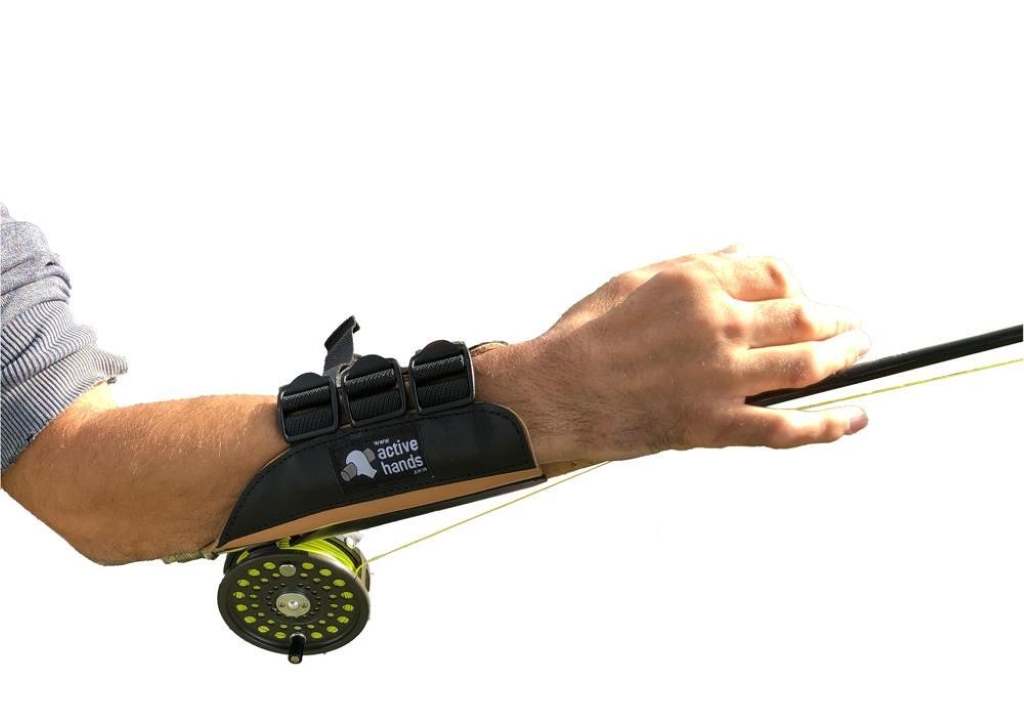
A wrist brace acts as a stabilizer. It keeps your wrist in a safe position and reduces overextension. As a result, you can fish longer without fatigue. Many anglers also use it for recovery after minor injuries.
Moreover, wearing a brace improves control. You get better grip strength and smoother casting motion. That means better performance and less strain at the same time.
Common Wrist Injuries in Fishing
Understanding common injuries helps you choose the right brace. Each condition needs a slightly different type of support.
1. Tendonitis
This happens due to repetitive motion. You may feel pain or swelling around the wrist. A supportive brace reduces movement and allows healing.
2. Carpal Tunnel Syndrome
This condition causes numbness and tingling. It occurs when pressure builds in the wrist. A brace keeps your wrist aligned and reduces pressure.
3. Sprains and Strains
Sudden force or overuse can stretch ligaments. A brace provides stability and prevents further damage.
4. Weak Grip Strength
Many anglers struggle with grip fatigue. A wrist brace helps maintain strength during long fishing sessions.
Key Features to Look for in a Fishing Wrist Brace
Comfort and Fit
Comfort should be your top priority. A poorly fitted brace can cause more harm than good.
Look for adjustable straps that allow a snug fit. The brace should feel secure but not tight. Breathable materials also help prevent sweating and irritation.
Level of Support
Different braces offer different support levels.
- Light support works well for mild discomfort
- Moderate support suits regular anglers
- Strong support helps during injury recovery
Choose based on your needs and activity level.
Material Quality
Material affects both comfort and durability.
- Neoprene provides flexibility and warmth
- Elastic fabric offers lightweight comfort
- Rigid splints give maximum stability
Each material serves a different purpose. Select one that matches your fishing style.
Flexibility vs Stability
You need a balance between movement and support. Too much rigidity limits motion. Too much flexibility reduces protection.
For active fishing, choose a semi rigid brace. It allows movement while keeping your wrist stable.
Types of Fishing Wrist Braces
Compression Sleeves
These are lightweight and easy to wear. They improve blood flow and reduce swelling. However, they offer limited support.
Wrap Around Braces
These braces provide adjustable support. You can tighten or loosen them as needed. They are ideal for most anglers.
Splint Supported Braces
These include a rigid insert for maximum stability. They are best for injury recovery. However, they may restrict movement during active fishing.
Hybrid Braces
These combine flexibility and support. They are suitable for long fishing sessions and moderate wrist issues.
How to Choose the Right Brace for Your Fishing Style
Freshwater Fishing
Freshwater fishing involves frequent casting. Choose a flexible brace that allows movement. Lightweight options work best here.
Saltwater Fishing
Saltwater fishing often requires stronger grip and force. A brace with moderate support helps maintain control and reduces fatigue.
Fly Fishing
Fly fishing needs precise wrist motion. A flexible brace with light compression is ideal. It supports without limiting movement.
Ice Fishing
Cold conditions affect joints. A neoprene brace provides warmth and support. It helps prevent stiffness in low temperatures.
Sizing and Proper Fit Guide
Getting the right size is critical. A wrong size reduces effectiveness and comfort.
Follow these steps:
- Measure your wrist circumference
- Check the size chart provided by the manufacturer
- Choose adjustable designs for better fit
The brace should stay in place during movement. It should not slide or pinch your skin.
Benefits of Using a Fishing Wrist Brace
Using a wrist brace offers several advantages.
- Reduces pain and discomfort
- Prevents injuries during long sessions
- Improves grip strength and control
- Supports recovery after strain
- Enhances overall fishing performance
These benefits make it a valuable accessory for both beginners and experienced anglers.
Tips to Use a Wrist Brace Effectively
Wear It Correctly
Always position the brace properly. It should align with your wrist joint. Incorrect placement reduces support.
Do Not Over Tighten
Tight braces restrict blood flow. Keep it snug but comfortable.
Take Breaks
Even with a brace, rest your wrist. Short breaks prevent overuse injuries.
Combine with Exercises
Strengthening exercises improve long term results. Wrist stretches and light resistance training help build durability.
Mistakes to Avoid When Choosing a Wrist Brace
Many anglers make simple mistakes that reduce effectiveness.
- Choosing the wrong size
- Ignoring material comfort
- Using high support braces unnecessarily
- Not considering fishing style
- Wearing it incorrectly
Avoiding these mistakes ensures better comfort and protection.
How to Maintain Your Wrist Brace
Proper care extends the life of your brace.
- Clean it regularly to prevent odor
- Air dry after washing
- Store in a cool and dry place
- Check straps and stitching for wear
Regular maintenance keeps the brace effective and comfortable.
Conclusion
Choosing the best fishing wrist brace is not complicated when you know what to look for. Focus on comfort, proper support, and your fishing style. A good brace protects your wrist, improves performance, and allows longer fishing sessions without pain.
Take time to select the right one and use it correctly. Your wrist health directly affects your fishing experience. Start using a suitable brace today and enjoy safer, more comfortable fishing.
FAQs
What type of wrist brace is best for fishing?
A wrap around or hybrid brace works best. It provides support while allowing movement needed for casting and reeling.
Can a wrist brace prevent fishing injuries?
Yes. It stabilizes the wrist and reduces strain. This lowers the risk of tendon and joint injuries.
Should I wear a wrist brace all the time while fishing?
You can wear it during active fishing. However, take breaks to avoid dependency and allow natural movement.
How tight should a wrist brace be?
It should feel snug but not tight. You should not feel numbness or restricted blood flow.
Can beginners use a wrist brace?
Yes. Beginners benefit from added support. It helps prevent early strain and builds better technique.