Nina Taylor
Fishing isn’t just about the rod and reel, it’s the landing gear that often makes or breaks your success. The ultimate fishing nets and gaffs have become essential tools for amateur anglers and seasoned pros alike. Whether you’re deep-sea fishing or angling in freshwater, having the right landing tool increases your chances of a clean, ethical catch. In this comprehensive guide, we’ll break down the most effective nets and gaffs, expert usage tips, and insightful reviews to help you fish smarter, not harder.
Why the Right Net or Gaff Matters More Than You Think
Landing your fish safely is as critical as hooking it. Studies show over 35% of lost fish are due to improper landing methods (source: Angling Trade Magazine). Whether it’s a snapped line, a fish that slips the hook, or damaged gear, the right net or gaff solves these problems.
A quality fishing net minimizes stress and injury to the fish, which is especially important for catch-and-release. A good gaff, on the other hand, is a necessity for landing large, thrashing species like tuna or mahi-mahi. Logic dictates that investing in the correct landing gear is not only humane but also increases the longevity of your tackle and the efficiency of your technique.
Fishing Nets: Choosing the Right One
There’s no one-size-fits-all when it comes to nets. The key lies in matching your net to your target species and fishing environment.
Types of Fishing Nets:
-
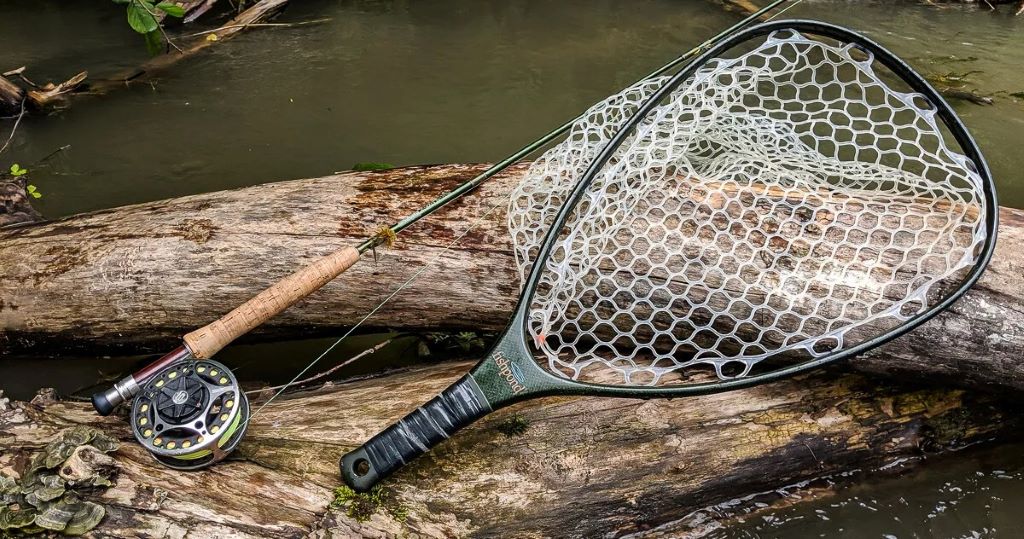
Rubber mesh nets are preferred for catch-and-release. They reduce scale damage and tangles.
-
Nylon mesh nets are lightweight and inexpensive but may harm delicate species.
-
Knotless nets are a hybrid solution, offering soft touch with more durability.
Handle Length & Net Size:
For shore anglers, longer handles (up to 8 feet) allow greater reach. Kayak and boat fishers usually opt for short-handled nets for easy maneuverability. For trout or bass, a hoop size of 16-20 inches is ideal, while larger species may require 24-36 inch hoops.
Expert Insight:
Professional angler Mike Iaconelli advises anglers to consider hoop depth for fish like carp and catfish. A shallow net won’t secure these heavier fighters.
Gaffs: The Tool for Big Game Hunters
Gaffs offer precision and strength for handling larger game fish. They must be used responsibly to ensure quick kills and minimal suffering.
Types of Gaffs:
-
Fixed hook gaffs offer stability and are perfect for offshore big game.
-
Flying gaffs are used for extremely large species, where the gaff head detaches after insertion.
-
Telescopic gaffs provide reach without taking up storage space.
Size and Hook Gauge:
Choose gaffs with 2- to 4-inch hooks for fish under 50 pounds. For heavier species, 5- to 8-inch hooks offer better penetration and hold.
Pro Tip:
Capt. George Poveromo, saltwater fishing expert, recommends stainless steel or aluminum shafts for saltwater durability and rust resistance.
Tips for Using Fishing Nets & Gaffs Like a Pro
-
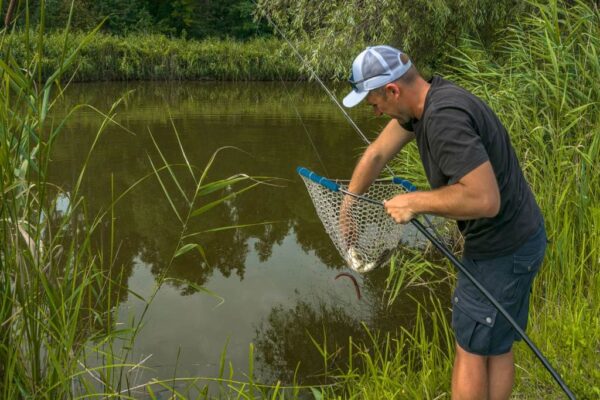
Approach calmly, not chaotically. Let the fish tire out before attempting the landing.
-
Angle the net forward. Always scoop fish head-first to avoid spooking it.
-
Aim gaffs behind the head. This prevents meat damage and ensures control.
Mistake to Avoid:
Do not chase fish with your net or gaff. This often leads to failure. Instead, guide the fish toward the tool.
Tools That Stand Out: Reviews of Top Performing Nets & Gaffs
1. Frabill Trophy Haul Bearclaw Net
Best For: Kayak anglers
This one-handed operation net has a folding handle and conservation netting. The ergonomic design gives you more control during one-handed catches.
2. Bubba Gaff Hook 6’
Best For: Offshore anglers
Featuring an anodized aluminum shaft and non-slip grip, this gaff is ideal for powerful saltwater fish. Users report excellent leverage and minimal slippage.
3. KastKing Madbite Folding Net
Best For: Budget-conscious fishers
Lightweight and collapsible, this net has an extendable handle and rubber mesh, perfect for bass and pike. Thousands of Amazon reviewers rate it 4.7/5 for ease of use.
Also Read:
Braided vs Monofilament Netting: Which One is Best for Your Needs?
Featured Snippet: What’s Better for Landing Fish—Net or Gaff?
Which is better for landing fish—net or gaff?
It depends on the situation. Nets are better for small to medium fish and essential for catch-and-release. They reduce injury, especially when made of rubber or knotless mesh. Gaffs are designed for landing large, aggressive fish where the intent is to keep the catch. A gaff delivers control and leverage but can fatally wound the fish. Therefore, your goal—releasing or harvesting—determines the tool to use. As a rule of thumb, nets are more versatile and humane, while gaffs are powerful but species-specific.
FAQs on Ultimate Fishing Nets & Gaffs
1. Can I use the same net for saltwater and freshwater?
Yes, but ensure it’s rinsed with freshwater after each saltwater use to prevent corrosion and material degradation.
2. What size gaff should I use for tuna?
A 6-foot gaff with a 4-6 inch hook is ideal. Consider a flying gaff for tuna over 100 pounds.
3. Are collapsible nets strong enough for big fish?
High-quality collapsible nets made with aluminum or carbon fiber can handle fish up to 40 pounds reliably.
4. What net material is best for catch-and-release?
Rubber or knotless nylon mesh minimizes harm and keeps fish healthy post-release.
5. How do I know when to gaff a fish?
Only gaff when the fish is fully subdued and close to the boat. Premature gaffing can lead to loss or injury.
6. Are there legal restrictions on using gaffs?
Yes. Some regions prohibit gaffing certain species or during specific seasons. Always check local regulations.
7. Do nets spook fish?
A shiny metal frame or sudden movement can startle fish. Use dark-colored nets and approach slowly.
Final Thought
Landing your catch with skill, speed, and care is where great fishing stories are made. The ultimate fishing nets and gaffs not only increase your success rate but also elevate your respect for the sport and the species you pursue. Whether you’re gently cradling a trout in a rubberized net or lifting a massive grouper with a sturdy gaff, using the right gear matters. Combine smart tool selection with expert technique, and you’ll reel in more than just fish—you’ll reel in experience, precision, and lasting memories.
Read More: How to Choose the Right Net for Ice Fishing: Expert Tips and Buyer’s Guide