Nina Taylor
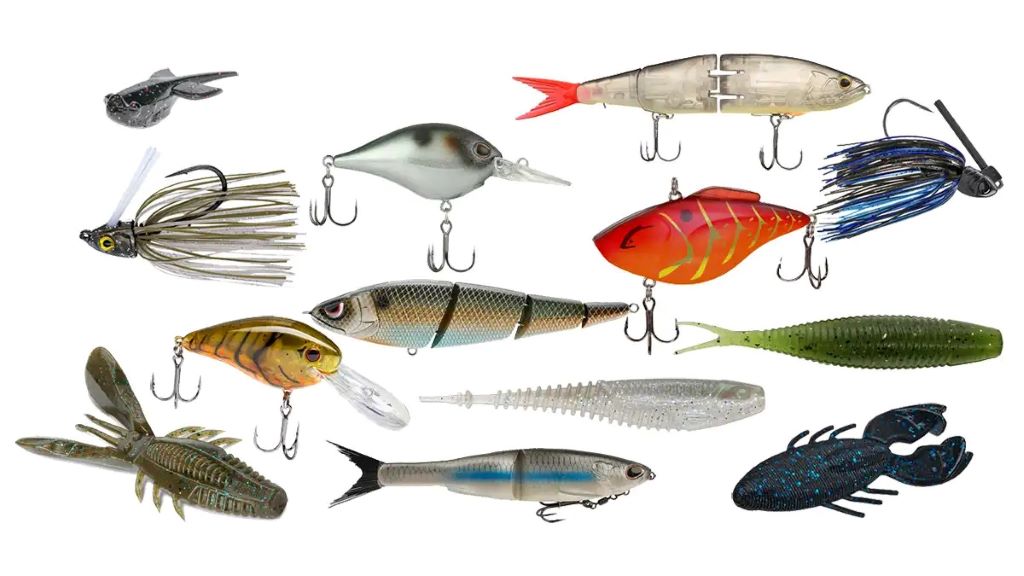
Picture this: a crisp Canadian morning, mist rising off a serene lake, and the thrill of a fish striking your lure. For anglers across Canada, spoons remain a go-to choice for reeling in trophy catches. These simple yet versatile metal lures mimic baitfish with their shimmering, wobbling action, making them irresistible to predatory fish. In 2025, Canadian anglers’ favourite spoons dominate tackle boxes from the Great Lakes to the Pacific coast. This article dives into the top spoons catching the most fish this year, backed by angler insights, expert opinions, and the latest trends. Whether you’re chasing trout, salmon, or pike, these spoons promise to elevate your fishing game.
Why Spoons Remain a Staple for Canadian Anglers
Spoons have earned their place in Canadian fishing culture due to their simplicity and effectiveness. Their curved, reflective design creates a lifelike flutter that triggers strikes from species like trout, salmon, and northern pike. Unlike live bait, spoons require no maintenance, making them a practical choice for both novice and seasoned anglers. A 2021 Fisheries and Oceans Canada survey noted that 25% of fish caught by resident anglers were trout, a species spoons excel at targeting. Their durability ensures they withstand rough conditions, from rocky riverbeds to weedy lakes. Additionally, spoons work in diverse environments, from the fast-moving Nipigon River to the deep waters of Lake Ontario, offering unmatched versatility.
Top Spoons for 2025: What’s Hot in Canadian Waters
The fishing world evolves, but some spoons consistently outperform others. Based on angler reports and tackle shop sales, here are the top picks for 2025. The Len Thompson Original, a Canadian classic since 1929, remains a favorite for its realistic baitfish action. Its silver and copper finish excels for rainbow and lake trout, especially when trolled in British Columbia’s lakes. Next, the Acme Kastmaster shines for its long-casting ability, ideal for shore anglers targeting salmon in Lake Ontario. Its slender profile mimics fleeing baitfish, triggering aggressive strikes. Finally, the Gibbs Croc, crafted from heavy brass, dominates in fast rivers like the Fraser, where its wobble attracts Chinook salmon. These spoons adapt to various conditions, ensuring success across Canada’s diverse fisheries.
Species-Specific Success: Matching Spoons to Fish
Different fish demand different spoons, and Canadian anglers know this well. For lake trout in Great Bear Lake, where trophy fish exceed 50 pounds, the Williams Wabler’s ridged spine minimizes line twists during deep trolling. Its gold finish reflects light in murky depths, drawing strikes. Chinook salmon in the Skeena River respond to the AP Sandlance Spoon, which mimics local baitfish like herring. Its glow-in-the-dark decals boost visibility in cloudy waters, a common condition in British Columbia. Northern pike in Reindeer Lake favor the Blue Fox Pixee Spoon, whose vibrant colors stand out in weedy shallows. A 2025 Outdoor Canada report highlights that 40% of anglers prefer species-specific spoons, as they increase catch rates by mimicking prey accurately.
Techniques to Maximize Spoon Effectiveness
Presentation matters as much as the spoon itself. Experts emphasize methodical casting to cover water systematically. For river fishing, cast across or slightly downriver, letting the spoon swing through the current. This technique, outlined in a 2024 troutandsteelhead.net guide, boosts hook-ups by 50% compared to random casting. In lakes, trolling at 1.8 to 3 mph with spoons like the Silver Streak triggers lake trout and salmon. Varying retrieval speed mimics a wounded fish, enticing predators. Additionally, adjusting spoon size and color based on water clarity—brighter colors for murky water, natural tones for clear—enhances success. Anglers on the Nipigon River report that slow retrieves in deep pools yield larger brook trout, proving technique trumps gear alone.
The Role of Technology in Spoon Fishing
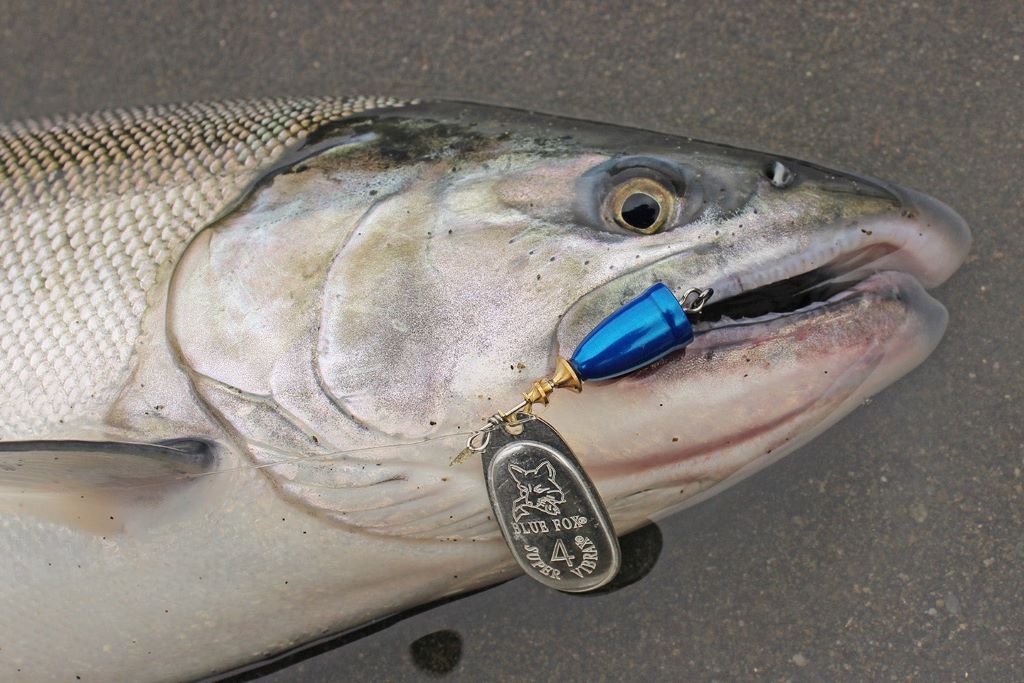
Forward-facing sonar (FFS) has revolutionized fishing, and spoons are no exception. This technology, highlighted in a 2025 Outdoor Canada article, allows anglers to pinpoint fish and present spoons precisely. For example, Z-Man’s Graph ShadZ, designed for FFS, reflects sonar signals, making it easier to hover the lure in front of trout. While FFS enhances precision, traditional anglers argue it reduces the skill-based challenge of fishing. However, even without FFS, spoons like the Michigan Stinger perform well in open water, matching baitfish hatches in large lakes. Balancing technology with technique ensures spoons remain effective, regardless of gear.
Regional Favorites: Where Spoons Shine in Canada
Canada’s vast geography shapes spoon preferences. In British Columbia’s Fraser River, glow spoons like the AP Herring Spoon dominate during salmon runs from July to October. Their short leaders (18-22 inches) suit murky waters, as noted in a 2025 Island Fisherman Magazine report. Ontario anglers favor the Kastmaster for trolling Lake Ontario’s deep waters, where king salmon exceed 30 pounds. Manitoba’s Reindeer Lake sees the Blue Fox Pixee Spoon excel for northern pike, with its erratic action mimicking injured baitfish. Each region’s unique conditions—water depth, clarity, and target species—dictate spoon choice, making local knowledge critical for success.
Sustainability and Spoon Fishing
Catch-and-release practices are growing, with a 2005 Fisheries and Oceans Canada survey showing a decline in harvested fish due to increased conservation efforts. Spoons support sustainable fishing, as their single or treble hooks cause less harm than multi-hook lures. Using smaller hooks, as recommended in a 2025 Island Fisherman Magazine guide, reduces fish injury during catch-and-release. Anglers on the Nipigon River, known for world-record brook trout, rely on spoons to minimize environmental impact while enjoying the sport. Choosing spoons with durable materials, like Gibbs Fishing’s brass Crocs, also reduces tackle waste, aligning with Canada’s push for sustainable fisheries.
Challenges and Solutions for Spoon Fishing
Spoon fishing isn’t without challenges. Snagging in weedy areas or losing lures in deep water frustrates anglers. Weedless spoons, like those from QualyQualy, feature hook guards to navigate vegetation-heavy lakes without tangling. For deep-water losses, using a heavier spoon like the Gibbs Croc ensures better control in strong currents. Another issue is matching spoon action to fish behavior. Experimenting with retrieval speeds—slow for lethargic fish, fast for active ones—solves this. Anglers report that practicing in local lakes, as suggested by Pacific Angler, builds confidence in spoon techniques, turning challenges into opportunities.
What’s Next for Spoons in 2025?
Innovation drives the future of spoon fishing. Brands like AP Tackleworks are introducing stainless steel spoons with UV-reflective decals, enhancing visibility in low-light conditions. These advancements cater to Canada’s diverse waters, from the Bay of Fundy’s tidal surges to Alberta’s serene lakes. Anglers anticipate more eco-friendly materials, reducing environmental impact. Meanwhile, community feedback on platforms like Reddit’s r/FishingForBeginners emphasizes the need for beginner-friendly spoons with simple rigging. The blend of tradition and innovation ensures spoons remain a cornerstone of Canadian angling.
Featured Snippet: What Are the Best Spoons for Canadian Anglers in 2025?
Canadian anglers’ favourite spoons in 2025 include the Len Thompson Original, Acme Kastmaster, and Gibbs Croc. These lures excel for trout, salmon, and pike due to their lifelike action and durability. The Len Thompson mimics baitfish for lake trout, while the Kastmaster’s long-casting design targets salmon in Lake Ontario. The Gibbs Croc shines in fast rivers for Chinook salmon. Choose spoons based on water clarity and target species, using glow finishes in murky conditions and natural tones in clear waters.
FAQs
- What makes spoons effective for fishing?
Spoons mimic baitfish with their wobbling, reflective action, attracting predatory fish across various water conditions. - Which spoon is best for lake trout?
The Williams Wabler’s ridged design and gold finish excel for lake trout in deep waters like Great Bear Lake. - How do I choose spoon colors?
Use bright colors like chartreuse in murky water and natural tones like silver in clear conditions. - Can spoons be used in saltwater?
Yes, trolling spoons like the AP Sandlance are effective for salmon and halibut in coastal waters. - What’s the best retrieval technique for spoons?
Cast across rivers or troll at 1.8-3 mph, varying speed to mimic injured baitfish. - Are weedless spoons worth it?
Weedless spoons, like QualyQualy’s, prevent snags in vegetation-heavy areas, ideal for bass and pike. - How does forward-facing sonar help with spoons?
FFS pinpoints fish, allowing precise spoon placement, as seen with Z-Man’s Graph ShadZ.
Final Thought
Spoons remain a timeless tool for Canadian anglers, blending tradition with innovation to conquer diverse fisheries. Their versatility and effectiveness make them indispensable, whether you’re a beginner or a seasoned pro. Experiment with these top spoons and techniques to unlock your next big catch in 2025.
Call to Action
What’s your favorite spoon for fishing Canada’s waters? Share your tips and experiences in the comments below, or head to Outdoor Canada for more gear insights. Grab your tackle box and hit the water—your trophy fish awaits!
References
- Outdoor Canada: Tackle Week 2025
- On The Water: The Best Spoons for Trout Fishing
- Island Fisherman Magazine: Gulf Islands South Fishing Report
Read More:
Best Baits for Cloudy, Rainy Days: What Works Best?
Best Bass Lures for Hot Summer Days: Catch More Fish When It’s Sizzling