Nina Taylor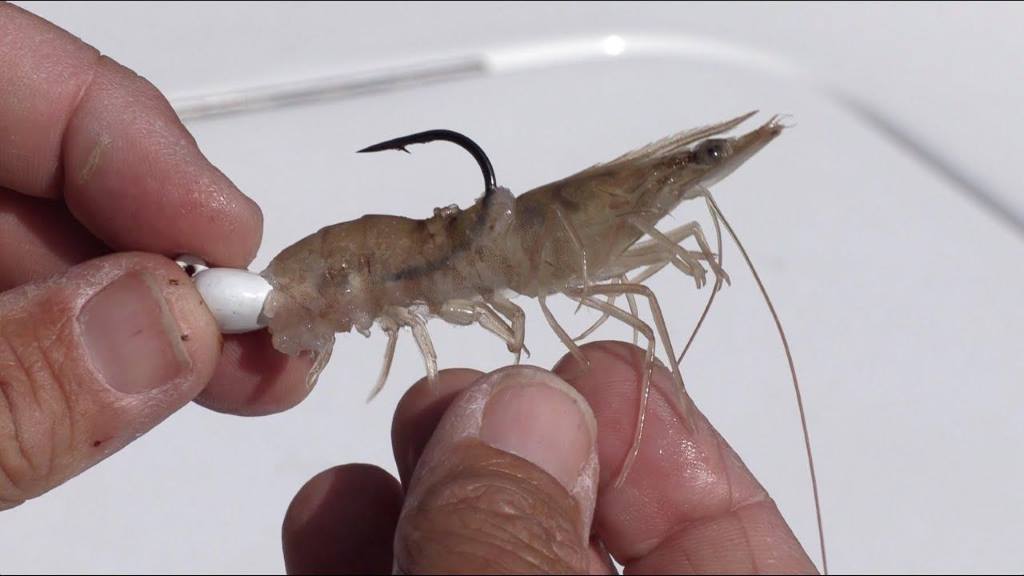
Fishing with artificial shrimp lures is one of the most effective ways to target species like redfish, speckled trout, and flounder across US waters. According to the NOAA, over 70 percent of inshore game fish diets include crustaceans such as shrimp at different life stages. That means matching this natural prey can significantly improve your catch rate.
At the same time, a study published by the US Fish and Wildlife Service shows that anglers using lifelike artificial shrimp lures often achieve more consistent results compared to natural bait in varying conditions.
This guide breaks down how to choose the right shrimp lure and fish it effectively in any water. You will learn practical techniques that work whether you are fishing shallow flats, deep channels, or murky estuaries.
Understanding Why Shrimp Lures Work So Well
Shrimp are a primary food source in both saltwater and brackish environments. Fish instinctively recognize their movement, shape, and scent. That is why artificial shrimp lures consistently outperform many other bait types.
Shrimp move in short bursts followed by pauses. They flick their tails and glide backward. This natural motion triggers predatory instincts in fish. When your lure mimics this behavior, it becomes far more convincing.
In addition, shrimp are available year round in many US coastal waters. Even during colder months, fish still look for them. As a result, shrimp lures remain effective across seasons, making them a reliable choice for anglers.
Types of Artificial Shrimp Lures
Choosing the right type matters because each design performs differently in water.
Soft Plastic Shrimp
Soft plastics are the most common option. They feel natural and move realistically in the water. Many come pre scented or allow scent application.
Key advantages include
- Flexible body for lifelike motion
- Easy to rig on jig heads
- Suitable for beginners and experts
Hard Body Shrimp Lures
These lures often include built in rattles and realistic details. They create vibration and sound that attract fish in murky water.
They work best when
- Water visibility is low
- Fish rely more on sound than sight
- You need to cover more area quickly
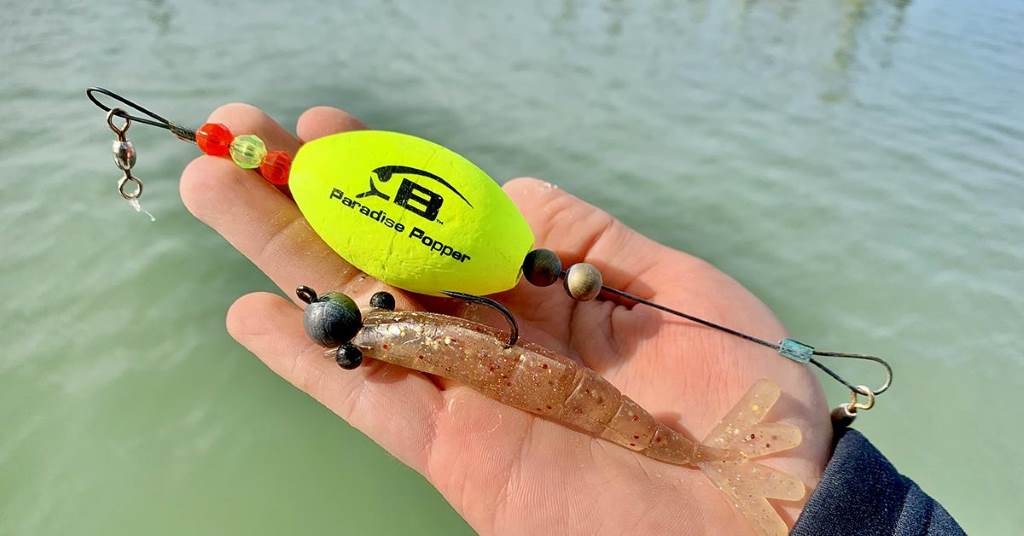
Pre Rigged Shrimp Lures
These come ready to use with hooks and weights already attached. They are ideal for anglers who want convenience and consistent performance.
They often feature
- Balanced sinking action
- Weedless designs for grass flats
- Built in vibration or popping features
How to Choose the Right Shrimp Lure
Selecting the best lure depends on several factors. Each plays a role in how fish respond.
1. Match the Size to Local Shrimp
Always observe the size of shrimp in your fishing area. Using a lure that matches the natural size increases your chances of success.
For example
- Small shrimp in winter require smaller lures
- Larger shrimp in summer allow bigger presentations
2. Choose the Right Color
Color selection depends on water clarity and light conditions.
Best general rules
- Clear water: natural colors like brown, tan, and translucent
- Murky water: brighter colors like pink, chartreuse, and white
- Low light: darker shades for better silhouette
3. Consider Water Depth
Different lures sink at different rates. Choosing the right one helps you stay in the strike zone.
- Shallow water: lightweight or floating shrimp lures
- Mid depth: moderate sinking lures
- Deep water: heavier jig head setups
4. Evaluate Action and Movement
The most effective shrimp lures imitate real movement. Look for designs that produce subtle tail flicks or gliding motion.
Fish often prefer
- Slow falling action
- Sudden darting movement
- Natural pauses between motions
Best Techniques to Fish Artificial Shrimp Lures
Knowing how to use the lure is just as important as choosing it.
The Pop and Pause Technique
This is one of the most effective methods.
Steps
- Cast your lure near structure or feeding zones
- Let it sink naturally
- Give a quick upward twitch
- Pause for a few seconds
Fish often strike during the pause because the lure looks like a vulnerable shrimp.
Slow Drag Technique
This works well in colder water when fish are less active.
How to do it
- Cast and let the lure reach the bottom
- Slowly drag it along
- Add occasional small twitches
This mimics a shrimp moving along the seabed.
Jigging Motion
Jigging creates vertical movement that attracts attention.
Use it when
- Fishing deeper water
- Targeting suspended fish
Lift the rod tip and let the lure fall back naturally. Repeat with steady rhythm.
Where to Use Shrimp Lures for Maximum Success
Location plays a major role in fishing results.
Shallow Flats
These areas are ideal for sight fishing. Fish often hunt shrimp in shallow water during high tide.
Focus on
- Grass edges
- Sand pockets
- Moving water
Estuaries and Marshes
These zones are rich in shrimp populations. Fish gather here to feed actively.
Look for
- Creek mouths
- Oyster beds
- Tidal flow areas
Deep Channels
Shrimp often drift into deeper water during strong tides.
Fish here by
- Using heavier lures
- Targeting drop offs
- Working near current lines
Common Mistakes to Avoid
Even experienced anglers make errors that reduce effectiveness.
Avoid these issues
- Retrieving too fast, which looks unnatural
- Using the wrong size for the season
- Ignoring water clarity when selecting color
- Not allowing enough pause time
Consistency improves when you focus on realistic presentation rather than speed.
Pro Tips from Experienced Anglers
Learning from experts can shorten your learning curve.
- Add scent to increase attraction, especially in murky water
- Use fluorocarbon leaders for better invisibility
- Fish during moving tides for higher activity
- Keep your rod tip low for better control
Many successful anglers also adjust their technique based on fish behavior rather than sticking to one method.
Seasonal Strategies for Better Results
Fishing success changes with seasons. Adjusting your approach improves outcomes.
Spring
Shrimp become more active. Fish feed aggressively.
Best approach
- Use medium size lures
- Focus on shallow areas
- Increase movement speed slightly
Summer
Shrimp are abundant. Fish are highly active.
Tips
- Match larger shrimp sizes
- Fish early morning or late evening
- Use brighter colors if needed
Fall
Fish prepare for colder months and feed heavily.
Strategy
- Use natural colors
- Focus on transition zones
- Combine slow and fast retrieves
Winter
Shrimp are smaller and less active.
Adjustments
- Use smaller lures
- Slow down presentation
- Target deeper water
Conclusion
Artificial shrimp lures offer a powerful advantage when used correctly. They match a primary food source, work across seasons, and adapt to different water conditions. By selecting the right size, color, and action, you can significantly improve your results.
Focus on realistic movement, choose locations wisely, and adjust your technique based on conditions. These small changes make a big difference over time.
Start applying these strategies on your next fishing trip and refine your approach with each cast. Consistency and observation will turn you into a more successful angler.
FAQs
What is the best color for shrimp lures?
Natural colors work best in clear water, while brighter colors perform better in murky conditions. Always match the environment.
When should I use shrimp lures?
You can use them year round, but they are especially effective during warmer months when shrimp activity increases.
Do shrimp lures work in freshwater?
They can work in some freshwater environments, but they are most effective in saltwater and brackish areas.
How fast should I retrieve a shrimp lure?
A slow and natural retrieve with pauses works best. Fish often strike during the pause.
Can beginners use shrimp lures effectively?
Yes, especially with pre rigged options. Simple techniques like pop and pause are easy to learn and highly effective.