Nina Taylor
Think of the 2500 size spinning reel as the nimble, lightweight tool in your arsenal. Its defining characteristics are typically a smaller frame, reduced weight compared to its larger siblings, and consequently, a lower line capacity. This isn’t a downside; it’s a design choice tailored for specific applications.
Where does the 2500 truly shine? It’s the undisputed king of freshwater finesse fishing. If you’re targeting bass with techniques like drop-shotting, wacky rigs, Ned rigs, or small shaky heads, the sensitivity and lightness of a 2500 reel are hard to beat. It pairs beautifully with light to medium-light action rods, typically in the 6′ to 7′ range, creating a balanced setup that won’t fatigue your arm after hours of casting and retrieving. It’s also an excellent choice for trout fishing in streams and rivers, presenting small spinners or bait naturally. Panfish anglers chasing crappie, bluegill, or perch will also find the 2500 perfectly suited for the light lines (think 4-8lb monofilament/fluorocarbon or 8-15lb braid) and delicate presentations required.
The primary advantage of the 2500 lies in its lightweight nature, enhancing sensitivity – you can feel those subtle bites more easily – and reducing casting fatigue. It allows for effortless casting of lighter lures. However, its main limitation is line capacity. While usually sufficient for most freshwater scenarios, if you hook into a surprisingly large fish that decides to make a long, powerful run, you might find yourself wishing for a bit more line. Similarly, its drag system, while adequate for its intended targets, might be slightly less powerful than a comparable 3000 model. While some anglers successfully use 2500s for light inshore saltwater fishing (like speckled trout or flounder in calm conditions), it’s generally considered on the lighter side for the potential power and runs of many saltwater species.
Introducing the 3000: The Versatile Workhorse
Stepping up to the 3000 size reel brings a bit more muscle and versatility to the table. Often, but not always, built on a slightly larger or identical frame as the 2500 (more on this later), the 3000 primarily distinguishes itself with a deeper spool, offering significantly more line capacity. This allows you to spool up with slightly heavier lines (perhaps 8-12lb mono/fluoro or 10-20lb braid, sometimes even 30lb braid depending on the model) or simply have more backing for those unexpected battles.
The 3000 is arguably one of the most versatile reel sizes available. It handles many freshwater tasks with ease, bridging the gap between pure finesse and light power fishing. It’s a fantastic choice for general bass fishing applications – throwing slightly larger swimbaits, Texas rigs, spinnerbaits, or chatterbaits. It’s also well-suited for targeting walleye, larger trout, or even northern pike in freshwater. Crucially, the 3000 is often considered the starting point for serious inshore saltwater angling. It has the capacity and often the drag power needed to confidently tackle species like redfish, snook, bluefish, speckled trout, and sheepshead, especially when paired with a medium-light or medium action rod around 7′ to 8′.
The key benefits of the 3000 are its increased line capacity and often a more robust drag system (though always check specific model specs). This makes it a more capable tool when encountering larger, harder-fighting fish or when needing longer casting distances. The downside is a slight increase in weight compared to the 2500, which might feel less balanced on ultra-light rods and could contribute to slightly more fatigue over a long day. It might also be considered slight overkill for dedicated ultra-light or panfish setups. Keep an eye out for “C3000” models (common with Shimano and Daiwa); the ‘C’ stands for ‘Compact,’ meaning it uses the lighter body of the 2500 size but features the deeper, higher-capacity spool of the 3000 – a great compromise for many!
Head-to-Head: The Nitty-Gritty Differences
Okay, let’s break down the key distinctions point-by-point:
- Weight & Balance: The 2500 is almost always lighter. While the difference might only be an ounce or even less (especially between a 2500 and a C3000), it can be noticeable over hundreds of casts. Balance is crucial – pair the reel with an appropriately powered rod for the best feel and performance. A 2500 balances best on light/medium-light rods, while a 3000 pairs well with medium-light to medium power rods.
- Line Capacity & Spool Design: This is often the main difference. The 3000 holds more line due to a deeper spool arbor (the center part of the spool). Importantly, within many popular model lines (like Shimano Stradics or Daiwa LT series), the actual diameter of the spool lip on a 2500 and 3000 is often identical. This means they don’t inherently cast differently based on spool diameter alone, unlike stepping up to a 4000 size which typically has a wider spool. The extra capacity of the 3000 is beneficial if using thicker lines or needing insurance against long runs.
- Drag Systems: While not universal, the 3000 size often boasts a slightly higher maximum drag rating. Sometimes, manufacturers even use different drag washer materials (e.g., carbon fiber in a 3000 vs. felt in a 2500 within the same model line, as seen in some past generations), offering potentially smoother or more durable performance under heavy load. Always check the specs for the specific models you’re comparing.
- Body Size & Handles: Here’s where it gets tricky. Traditionally, many Shimano 2500 and 3000 reels shared the exact same body. However, with newer designs (like the Daiwa BG MQ or some Shimano Nasci generations), the 3000 might share a body platform with the 4000, making the 2500 distinctly smaller and lighter. Daiwa’s LT (Light & Tough) concept often sees the 2500 and 3000 share a body. Look for the “C” (Compact) designation for confirmation of a smaller body with a larger spool. Handles can also differ; some brands equip the 3000 size with a larger T-shaped handle knob compared to the smaller paddle knob on the 2500, which comes down to personal preference.
- Gear Ratios: Pay attention to model suffixes like ‘H’ (High Gear) or ‘XH’ (Extra High Gear). Sometimes, the 3000 size is offered in a higher gear ratio than the standard 2500 within the same family, meaning you retrieve line faster per turn of the handle. This can be advantageous for certain techniques but might offer slightly less winding power.
Related: Box vs Clam Reel: Which Reel Style Works Best for Your Fishing?
Making the Call: Which Size Fits Your Fishing Style?
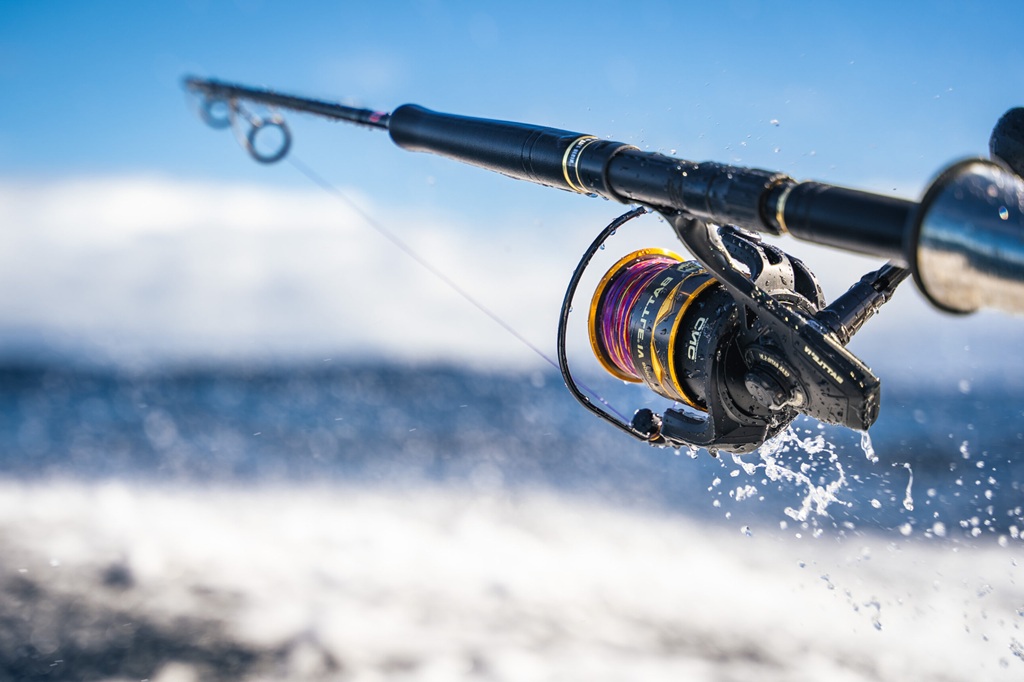
Choosing between a 2500 and 3000 ultimately boils down to matching the reel to your specific needs. Ask yourself these questions:
- What fish am I primarily targeting? Smaller freshwater species (trout, panfish, finesse bass)? Lean towards 2500. Larger freshwater (general bass, walleye, pike) or inshore saltwater (reds, snook, trout)? The 3000 offers more capability.
- What rod will I pair it with? Balance is paramount. Ultra-light or light power rods (often 6′-7′) balance best with a 2500. Medium-light to medium power rods (often 7′-8′) are usually a better match for a 3000.
- What type and strength of line will I use? If you favor light braid (e.g., 10lb) or light mono/fluoro (4-8lb), a 2500 has ample capacity. If you plan on using 15-20lb+ braid or 10-12lb+ mono/fluoro, the extra capacity of the 3000 is beneficial.
- Where will I be fishing most? Primarily freshwater lakes and streams? A 2500 might be all you need. Venturing into inshore saltwater or targeting larger freshwater fish in heavier cover? The 3000 provides more peace of mind. Remember saltwater demands corrosion resistance!
- What techniques dominate my fishing? Heavy on finesse presentations? 2500. Mixing it up with slightly heavier lures, topwaters, or needing longer casts? 3000.
- What’s my personal preference? Do you prioritize lightness above all else? Or do you prefer the feel of a slightly larger reel or a specific handle type often found on the 3000? If possible, feel both reels mounted on a suitable rod.
Related: 1 Piece vs 2 Piece Fishing Rod: Making the Right Cast for Your Needs
People Also Ask (FAQs)
-
Can I use a 3000 reel for bass fishing?
Absolutely! A 3000 size reel is an excellent and very popular choice for general bass fishing, handling a wide range of lures and techniques effectively. It offers a good balance of power, capacity, and weight for most bass scenarios.
-
Is a 2500 reel okay for inshore saltwater?
Yes, but with caveats. A quality 2500 reel can handle lighter inshore species like speckled trout and flounder, especially when using lighter lines (like 10-15lb braid). However, for larger redfish, snook, or fishing around heavy structure like docks or mangroves, the increased line capacity and potentially stronger drag of a 3000 size reel are generally preferred. Ensure any reel used in saltwater has good corrosion resistance.
-
What’s the main difference between 2500 and 3000 reels?
The most consistent difference across brands and models is line capacity. The 3000 typically features a deeper spool than the 2500, allowing it to hold more line. Other differences like body size, weight, handle type, and drag power can vary significantly depending on the specific manufacturer and model line.
-
Does reel size directly impact casting distance?
Not as much as other factors. While a larger diameter spool (like stepping up to a 4000) can allow line to flow off more easily for potentially longer casts, the 2500 and 3000 often share the same spool diameter within a model line. Casting distance is more heavily influenced by rod length/action, line type/diameter, lure weight, and casting technique. The deeper spool of the 3000 doesn’t inherently increase distance over a 2500 with the same diameter.
-
Is a C3000 reel the same as a 2500?
No. A C3000 (Compact 3000) uses the body size of a 2500 reel but features the spool of a 3000 reel (deeper, higher capacity). It’s essentially a hybrid offering the lighter weight of the 2500 with the line capacity of the 3000.
-
Which size is better for beginners, 2500 or 3000?
Both are good options, but the 3000 size is often recommended for beginners due to its versatility. It can comfortably handle a wider range of freshwater and light inshore situations. Offering more flexibility as a beginner explores different types of fishing. However, if a beginner knows they will primarily focus on light freshwater fishing (trout, panfish), a 2500 is perfectly suitable and might be slightly easier to handle initially due to its lighter weight.
Conclusion: The Right Reel for the Right Job
So, 2500 vs 3000 – which wins? As you’ve seen, there’s no knockout punch. The 2500 excels as a lightweight, sensitive tool perfect for finesse freshwater applications and balancing ultra-light setups. The 3000 steps up as a versatile all-rounder, offering more line capacity and often beefier components, making it a reliable choice for general freshwater duties and a capable entry point into inshore saltwater fishing.
The best choice isn’t about picking the “better” size universally, but about selecting the size that best complements your specific fishing style, your target species, your rod, and your line preference. Consider the C3000 if you want the best of both worlds – light weight with added capacity. Ultimately, understanding the subtle differences empowers you to make an informed decision. Ensuring your reel is a perfectly balanced partner, ready for whatever the water throws your way. Happy casting!