Nina Taylor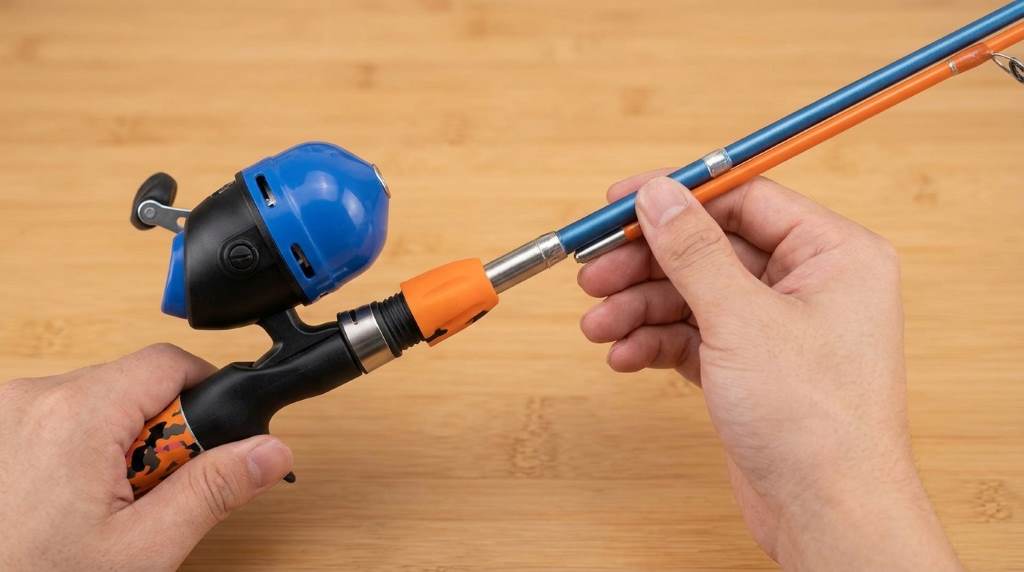
The easiest way to use a Codek Kids Fishing Pole Set is to extend the telescopic rod, check the reel, attach simple tackle, and practice casting before fishing. Each rod measures about 1.5 meters, while the complete package includes two rod and reel combos plus 54 fishing accessories. Those features make the set useful for teaching basic casting, baiting, reeling, and fish handling without overwhelming a beginner. However, children still need an adult nearby because hooks, water, and slippery surfaces create real safety risks. With the right setup, this kit can turn a short pond visit into a practical first fishing lesson.
Key Takeaways
- Extend each telescopic rod carefully before attaching or checking tackle.
- Test the push button and reel before your child begins casting.
- Start with a bobber, light weight, hook, and simple natural bait.
- Teach casting movements away from people, trees, and nearby obstacles.
- Keep the first fishing session short so beginners stay comfortable.
- Rinse and dry the equipment after every fishing trip.
Understand What Comes With the Fishing Set
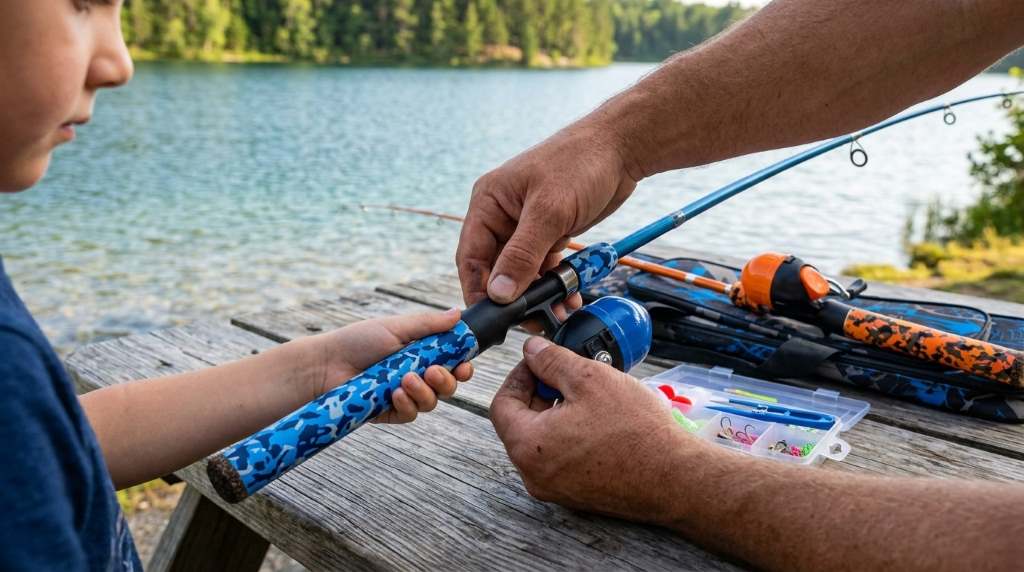
Before using the equipment, lay every component on a clean surface and inspect it. The set typically provides two telescopic rods, two spincast reels, a folding net, two buckets, and a tackle box.
The telescopic design lets each rod collapse for transport and expand for fishing. The spincast reels use a push button, which simplifies casting for children who have never handled fishing equipment.
Identify Each Basic Component
Start by identifying the rod, reel, fishing line, bobber, weight, hook, and bait. Then separate sharp hooks from the other accessories until an adult finishes the setup.
Also, check the rod guides for damage and confirm that each reel sits firmly on its rod. A quick inspection can prevent unnecessary tangles, loose connections, and damaged equipment during the first cast.
Extend the Telescopic Rod Correctly
Hold the thickest section of the rod with one hand and gently extend the next section. Continue opening each section until the rod reaches its normal fishing length.
Do not force a section if it feels stuck or misaligned. Instead, retract it slightly, straighten the sections, and extend them again with gentle pressure.
Once fully extended, check each joint before handing the rod to a child. The sections should remain firm without excessive movement or visible cracks.
Keep the Rod Compact During Transport
After fishing, collapse the rod from the smallest tip section toward the thicker handle section. Wipe away moisture before storing it inside the carry bag.
Furthermore, avoid dropping the collapsed rod onto hard ground. Telescopic sections can suffer damage when children treat the rod like a walking stick or toy.
Check and Prepare the Spincast Reel
Place the reel in the child’s hand and explain the push button before attaching bait. Press the button gently and watch how the line releases from the spool.
Next, turn the handle slowly and observe whether the line winds evenly. Smooth winding matters because uneven line placement can create loops and tangles during casting.
Before reaching the water, pull several inches of line from the reel. If the line catches repeatedly, stop and correct the problem before continuing.
Teach the Push Button
Tell the child to hold the rod comfortably and press the reel button during the backward casting motion. They should release the button as the rod moves forward toward the target.
Start without a hook attached so the child can learn the timing safely. After several controlled practice casts, introduce the complete rig under adult supervision.
Build a Simple Beginner Fishing Rig
A simple rig works better than a complicated lure system for a first fishing trip. Use a bobber, small weight, suitable hook, and easy bait when local rules allow that setup.
Attach the bobber above the hook and leave enough distance for the intended fishing depth. Then place a small weight between the bobber and hook so the bait can reach the desired depth.
Use the Right Amount of Weight
Keep the weight light enough for the child to cast comfortably. Excessive weight can make the rod harder to control and can create unnecessary safety risks.
For small pond fish, a lightweight setup usually provides enough control for learning. Adjust the rig when wind, water depth, or local fishing conditions demand a different presentation.
Attach and Handle the Hook Carefully
An adult should attach the hook and bait whenever a young child lacks experience with sharp tackle. Keep the hook covered until the child reaches the fishing location.
After tying the hook, pull the knot gently to test its security. Trim loose line ends carefully so they do not interfere with casting or become an accidental snag point.
Choose Beginner Friendly Bait
Natural bait often makes early fishing lessons easier because children can focus on casting and watching the bobber. Worm pieces work well for many common freshwater species where regulations permit them.
Keep the bait small and secure it firmly on the hook. A large piece can reduce casting control and make it harder for smaller fish to take the bait.
Alternatively, use a small artificial lure when the local fishing conditions favor active presentations. Always match the tackle to the fish species, water conditions, and applicable regulations.
Teach a Safe Casting Routine
Before casting, teach the child to look behind and beside them. Make sure nobody stands within the rod’s swing area before releasing the line.
Next, have the child face the intended target with both feet stable. Press the reel button, move the rod smoothly, and release the button toward the target.
Keep the first casts short and controlled rather than chasing maximum distance. Accuracy builds confidence faster than repeatedly losing tackle in trees or weeds.
Practice Before Adding a Hook
Practice casting with a safe practice weight in an open area before using a hook. This approach lets children learn timing without introducing unnecessary risks.
Once the movement becomes consistent, move closer to the water and attach the fishing rig. Continue supervising every cast, especially around crowded banks and docks.
Show the Child How to Reel
Reeling requires steady movement rather than fast cranking. Tell the child to turn the handle smoothly while keeping the rod pointed toward the fish.
When a fish pulls, encourage the child to stay calm and maintain gentle pressure. Fast reeling can create line twists, while excessive force can damage light tackle.
For small fish, let the child experience the resistance without trying to rush the landing. This teaches patience while building better control over the rod and reel.
Use the Net and Bucket Properly
The included net can help children land small fish without grabbing them directly. Move the net through the water from below the fish rather than chasing it from above.
If local rules allow temporary observation, use the bucket only for a short period. Keep the fish in suitable water conditions and release it promptly when the activity ends.
Never leave a child alone beside open water while managing the equipment. The fishing lesson should always include active adult supervision.
Common Problems and Simple Fixes
| Problem | Likely Cause | Practical Fix |
|---|---|---|
| Line will not release | Button or line tension problem | Check the button and remove excess line tension |
| Line forms loops | Uneven winding | Rewind the line slowly and evenly |
| Rod sections move | Sections are not seated correctly | Collapse and extend the sections again |
| Cast feels difficult | Too much tackle weight | Use a lighter beginner rig |
| Hook keeps snagging | Fishing near heavy cover | Move toward clearer water |
Line tangles deserve special attention because beginners often reel too quickly after casting. Teach the child to watch the line and maintain steady pressure while retrieving.
If the reel starts behaving differently, stop using it until you identify the problem. Continuing to cast with damaged equipment can turn a small repair into a larger failure.
Make the First Fishing Trip Easier
Plan the first session around comfort rather than catch numbers. Choose a calm location with open casting space, manageable water access, and plenty of room for supervision.
Bring water, snacks, sun protection, spare tackle, and a simple towel for wet hands. Also, check local fishing regulations before carrying bait or keeping fish.
Keep the first lesson focused on three skills: casting, watching the bobber, and reeling. Once those skills feel natural, introduce different baits and fishing techniques.
Give Each Child a Clear Role
The two rod setup can work especially well when siblings or friends fish together. Give each child responsibility for their own rod while an adult manages hooks and complicated tackle.
One child can cast while another prepares the net for landing a fish. This shared routine keeps both children involved and reduces unnecessary waiting.
Care for the Set After Fishing
Freshwater trips still leave moisture, dirt, and plant material on fishing equipment. Wipe the rods and reels after every session, then allow them to dry before storage.
Remove leftover bait from the tackle box and separate used hooks from unused accessories. Organize the tackle before packing so the next fishing trip starts without unnecessary searching.
Store the telescopic rod fully collapsed and avoid placing heavy objects on top of it. Keep the reels protected from unnecessary impacts during transport and storage.
Safety Rules Parents Should Teach
- Never swing the rod near another person.
- Keep hooks away from clothing, hands, and faces.
- Use life saving equipment near deep or moving water.
- Keep children within direct adult supervision near the shoreline.
- Check local fishing rules before using bait or keeping fish.
- Wash hands after handling bait, fish, or fishing equipment.
Safety becomes easier when children understand why each rule matters. Explain the reason behind every instruction instead of simply telling them what not to do.
Most importantly, treat fishing tackle as real equipment rather than a toy. A calm adult demonstration can prevent many avoidable mistakes before they happen.
What Beginners Often Get Wrong
Many first time anglers try to cast too far before learning basic control. That approach often causes tangled line, inaccurate casts, and frustration.
Another common mistake involves using too much tackle at once. Start with a simple rig, then add complexity only after the child understands the basic sequence.
Finally, avoid measuring success only by the number of fish caught. Learning to cast safely, read the bobber, and handle equipment also counts as progress.
How to Get Better Results With the Set
Use the first few trips to develop repeatable habits instead of chasing difficult catches. Consistent casting and smooth reeling will help the child become more independent.
As confidence grows, experiment with different bait depths and casting locations. Keep notes about what worked so the next fishing trip starts with useful information.
For families using both rods, prepare both setups before arriving at the water. That simple step reduces waiting time and lets children begin fishing almost immediately.
Frequently Asked Questions
How do you use the Codek Kids Fishing Pole Set?
Extend the rod, check the spincast reel, attach a simple rig, practice casting, and supervise the child while fishing.
Is the Codek fishing pole suitable for beginners?
Yes, the telescopic rods and push button spincast reels provide a straightforward setup for children learning basic fishing skills.
How do you cast the Codek kids fishing rod?
Press the reel button, move the rod smoothly toward the target, and release the button during the forward motion.
What bait should children use with this fishing set?
Small pieces of natural bait such as worms can provide a simple starting point where local fishing rules permit them.
How should you store the Codek fishing pole set?
Clean and dry the equipment, collapse the telescopic rods, organize the tackle, and store everything safely after each trip.
Final Thoughts
Learning how to use this fishing set becomes much easier when you simplify every step. Start with safe casting practice, a basic rig, steady reeling, and close adult supervision.
Then let the child gradually handle more of the process as confidence improves. Prepare the equipment before your next outing and use the first trip as a hands on lesson rather than a race to catch fish.
Most importantly, make safety and enjoyment part of every fishing session. With consistent practice, the Codek Kids Fishing Pole Set can help a beginner build practical fishing skills and lasting outdoor confidence.