Nina Taylor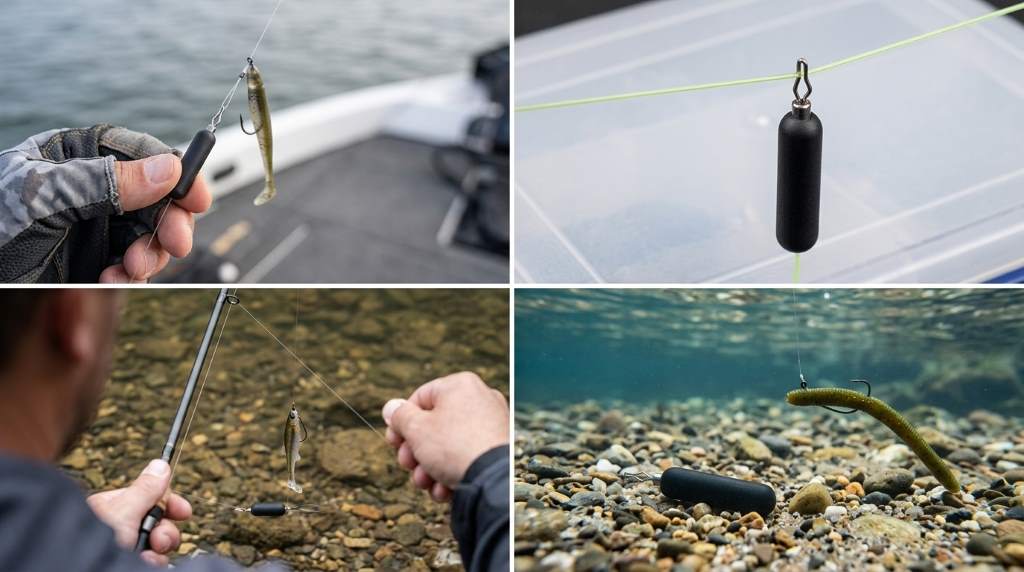
Reaction Tackle Drop Shot Weights give anglers a compact way to control depth, feel structure, and present finesse baits naturally. Their tungsten construction reaches up to 97% tungsten, while tungsten offers roughly 1.7 times the density of lead. That combination creates a smaller profile without sacrificing weight. For anglers comparing Reaction Tackle Drop Shot Weights, the real advantage comes from how material, shape, and attachment design work together. Furthermore, the available sizes let you adjust your presentation as depth, current, vegetation, and bottom conditions change.
Key Takeaways:
- They provide strong bottom feedback for precise lure control.
- Tungsten creates a compact profile for finesse presentations.
- Different shapes suit grass, rocks, sand, and mixed structure.
- Several sizes let you adjust sink speed without changing rigs.
- Clip style attachments can make weight changes faster.
- A smaller weight can maintain a subtle presentation around pressured fish.
What Makes a Drop Shot Weight Important?
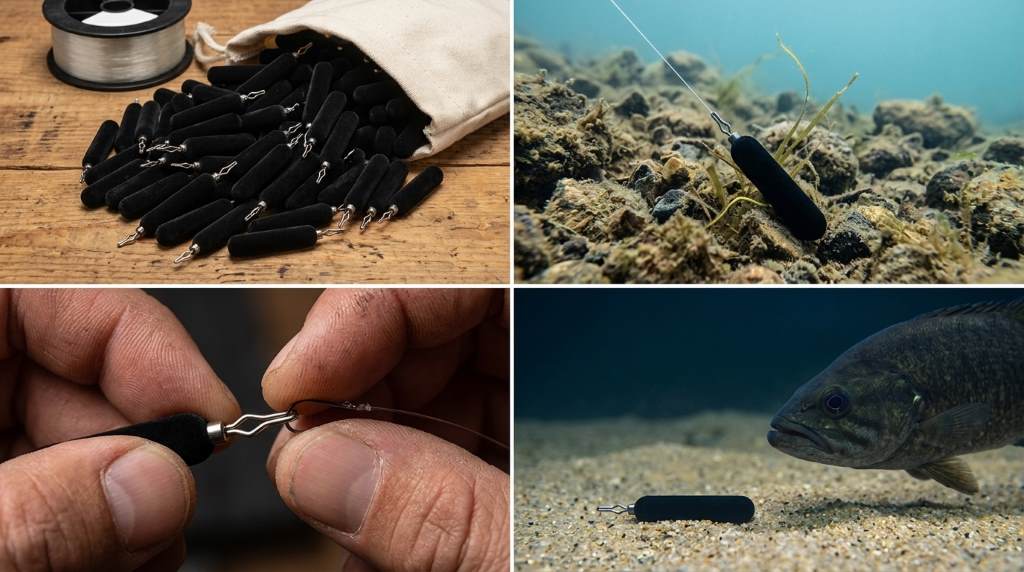
A drop shot weight does more than pull your rig downward. It anchors the terminal end while your hook and bait remain suspended above the bottom. Because the bait moves independently, you can shake or drag the lure while keeping it near a productive depth.
However, the weight directly affects how that presentation behaves. A heavy sinker reaches depth quickly, while a lighter option creates a slower and more delicate descent. Therefore, selecting the right weight involves more than simply matching the depth.
The Weight Controls Your Presentation
Every drop shot rig creates a relationship between weight, line, bait, and bottom structure. When the weight stays planted, small rod movements transfer through the line and move the bait naturally. Consequently, the correct weight can make subtle presentations easier to control.
For example, shallow water usually requires less weight than deep water. Meanwhile, wind, current, vegetation, and heavy line can increase the weight needed to maintain contact.
Why Tungsten Changes the Experience
The biggest reason anglers consider Reaction Tackle tungsten weights involves density. Tungsten packs more mass into a smaller body than lead, which reduces the physical size of the sinker at the same weight.
That smaller profile matters around cover. A compact weight can move through vegetation and tight spaces with less resistance. Additionally, the reduced size can make the entire terminal setup feel less cumbersome.
Better Bottom Feedback
Tungsten also transmits bottom contact clearly through the line and rod. When the weight touches rock, gravel, wood, or hard clay, you can often distinguish those changes more easily.
That feedback helps you understand what lies beneath the bait. As a result, you can slow down around productive structure instead of fishing blindly across the bottom.
A More Compact Terminal Setup
A smaller sinker can complement a finesse presentation because it occupies less space below the bait. This becomes useful when fish respond better to subtle movement and restrained tackle.
Moreover, the compact profile can reduce unnecessary interference when you work a drop shot slowly. The bait remains the primary visual attraction instead of the weight.
Shape Matters More Than Many Anglers Expect
Material gets most of the attention, but weight shape also influences performance. Reaction Tackle offers skinny and tear drop styles, giving anglers different ways to approach bottom structure.
| Weight Shape | Useful Situation | Main Advantage |
|---|---|---|
| Skinny | Grass and tight cover | Slides through narrow spaces more easily |
| Tear Drop | Mixed bottom and open water | Balances stability and movement |
| Round Style | Rock and firm bottoms | Offers a broader contact profile |
Skinny shapes can work particularly well when vegetation creates the main obstacle. Their narrow body can slip between stems while keeping the rig moving.
On rocky bottoms, however, shape selection deserves more thought. A slender sinker can enter small gaps and wedge against rock, so anglers should match the profile with the structure.
How Weight Size Affects Drop Shot Fishing
Reaction Tackle tungsten drop shot weights come in sizes from 1/8 ounce through 1/2 ounce. That range covers many common finesse situations, from lighter shallow presentations to deeper fishing where faster contact matters.
Start with the lightest weight that maintains dependable bottom contact. Then increase the size when wind, depth, current, or cover prevents you from controlling the rig.
Use Lighter Weights When
- You fish shallow water with limited current.
- You want a slower and more subtle presentation.
- You target cautious fish in relatively open water.
- You need minimal disturbance during controlled movements.
Use Heavier Weights When
- You fish deeper water and need faster descent.
- Wind makes line control difficult.
- Current pulls the rig away from your target area.
- You need stronger bottom contact during vertical presentations.
The goal remains simple: use enough weight to control the rig without adding unnecessary bulk. This approach preserves sensitivity while giving you reliable contact with the bottom.
Why Attachment Style Deserves Attention
Changing a drop shot weight can become frustrating when conditions change repeatedly. Clip style designs can simplify that process because anglers can adjust terminal weight without rebuilding the entire rig.
This feature becomes especially useful during active fishing sessions. For instance, you might begin with a lighter weight in shallow water and move to a heavier option after locating deeper fish.
Still, check the connection before every cast. Pull the line firmly through the attachment point and inspect the weight after fishing around abrasive structure.
Where These Weights Can Make the Most Sense
Rocky Bottoms
Rock provides valuable feedback because different surfaces create noticeable changes through the weight. Tungsten can help anglers identify transitions between gravel, rock, and harder bottom.
However, narrow weights can wedge into cracks, so a tear drop profile may offer a better balance in certain rocky areas. Test the shape rather than assuming one design fits every structure.
Vegetation
Grass can trap bulky terminal tackle and interrupt a drop shot presentation. A skinny weight can reduce resistance as you move through vegetation.
Keep your movements controlled rather than aggressively ripping the rig through thick grass. Slow lifts and short shakes can keep the bait near the strike zone while limiting fouling.
Deep Water
Depth increases the importance of dependable contact. A heavier tungsten weight can help the rig reach the bottom faster and maintain control through deeper water.
Once the rig reaches the target depth, avoid excessive movement. Small rod adjustments often create enough bait action without dragging the weight far from the productive area.
Open Water
Open water gives you more freedom to focus on bait movement and depth. Lighter weights can work well when wind and current remain manageable.
Nevertheless, watch your line angle closely. If the line drifts too far from vertical, increase weight until you regain consistent control.
How to Match the Weight to Fishing Conditions
Start by identifying three factors: depth, current, and bottom composition. Then consider wind because surface conditions can dramatically change how much control you maintain.
- Begin with a lighter weight that reaches the bottom reliably.
- Check whether the rig maintains contact during small movements.
- Increase weight if wind or current disrupts control.
- Change shape when the sinker repeatedly catches structure.
- Return to a lighter weight when conditions become calmer.
This method prevents anglers from automatically using heavy tackle. Instead, you adjust only when the conditions demand it.
What Competitor Guides Often Miss
Many drop shot guides explain weight size and shape but stop before discussing how those choices interact. A useful setup requires anglers to consider material, profile, depth, structure, and line control together.
Another overlooked issue involves switching weights during the same outing. Conditions can change quickly, so carrying several sizes prevents one fixed setup from limiting your options.
Competitor content also tends to treat tungsten as universally superior. In practice, the higher density helps in many situations, but anglers still need to match shape and weight to the bottom.
Finally, attachment design deserves more attention because changing weights efficiently can save time. That advantage matters when fish activity changes and you need to adjust quickly.
Common Mistakes to Avoid
Using Too Much Weight
Heavy tackle does not automatically improve control. Excess weight can create unnecessary disturbance and reduce the finesse that makes a drop shot effective.
Instead, increase weight gradually until you regain dependable bottom contact. Stop increasing once the rig responds predictably.
Ignoring Bottom Composition
A weight that works through grass may behave differently across broken rock. Therefore, anglers should change shape when the structure changes.
Pay attention to how the sinker moves between casts. Frequent wedging or snagging signals that another profile may work better.
Dragging Too Aggressively
Drop shot fishing often rewards controlled movement rather than constant dragging. Excessive movement can pull the bait away from the area where fish hold.
Try small lifts, gentle shakes, and short pauses. Then watch how the line responds before making another adjustment.
Failing to Inspect the Connection
Repeated contact with rocks and cover can stress terminal tackle. Inspect the line, attachment point, and weight whenever you notice unusual resistance.
Replace damaged line before continuing to fish. A few seconds of inspection can prevent the loss of a complete rig.
A Practical Setup Strategy
Build your starting setup around the conditions rather than a fixed weight preference. For calm shallow water, begin light and focus on subtle control.
When you move deeper, encounter stronger wind, or face current, increase weight until the sinker reaches and stays near the bottom. Then select a shape that matches the structure.
For vegetation, test a skinny profile first. Around mixed bottoms, compare shapes based on how easily they move and how clearly they transmit bottom changes.
Who Should Consider These Weights?
Reaction Tackle drop shot weights suit anglers who want more control from a finesse rig. They can also help anglers who regularly change depths, structure, or fishing conditions during one trip.
They make particular sense for bass anglers who rely on bottom contact and subtle bait movement. However, the same basic principles apply whenever a drop shot presentation requires precise depth control.
Final Takeaway
Reaction Tackle drop shot weights combine dense tungsten construction, useful size options, and multiple profiles for different fishing conditions. Their value comes from practical control rather than simply adding weight to a rig.
Start with the lightest size that maintains bottom contact, then adjust for depth, wind, current, and structure. Finally, test different shapes until your weight moves cleanly while giving you dependable feedback.
If you want to improve your drop shot setup, stock several sizes and at least two shapes before your next fishing trip. That small preparation gives you more control when conditions change on the water.
Frequently Asked Questions
Why use tungsten drop shot weights?
Tungsten provides more density than lead, creating a smaller weight with strong bottom feedback.
What size Reaction Tackle drop shot weight should I use?
Use the lightest size that maintains reliable bottom contact, then increase weight for depth, wind, or current.
Are skinny drop shot weights good for grass?
Yes, their narrow profile can move through vegetation with less resistance than bulkier shapes.
Do heavier drop shot weights catch more fish?
Not necessarily, because heavier weights mainly improve control when conditions make lighter weights difficult to manage.
Why does drop shot weight shape matter?
Shape changes how the weight moves through grass, rocks, sand, and other bottom structures.