Nina Taylor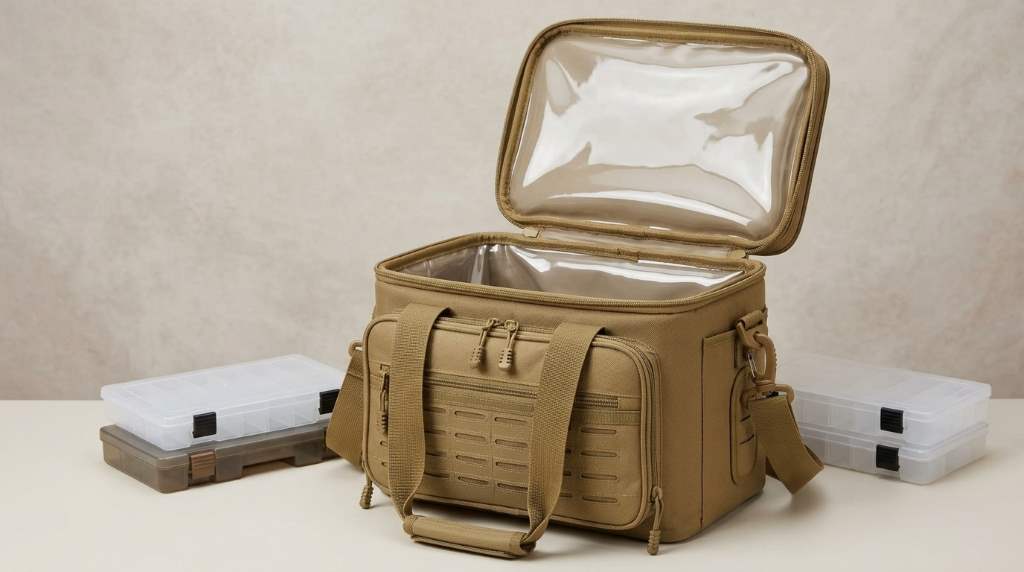
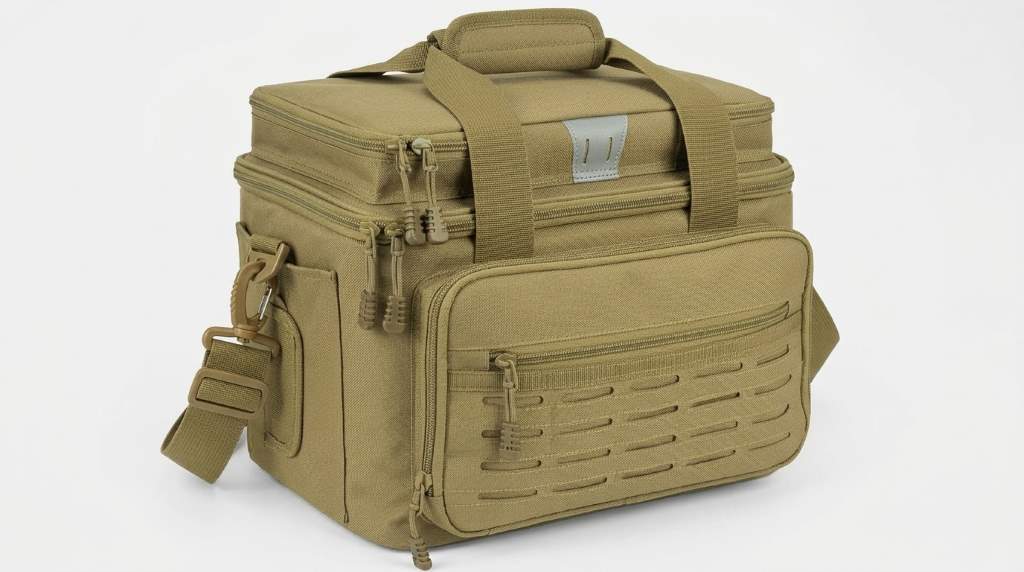
Organize a KastKing Karryall Tackle Bag by assigning every compartment a specific fishing job. Start with tackle trays, then place tools, line, soft plastics, and personal items in dedicated pockets. The KastKing Karryall Tackle Bag offers up to 40 liters of storage and 14 dedicated pockets. Its main compartment can accommodate four 3600 size tackle boxes, depending on the model. That capacity gives anglers plenty of room, but smart organization prevents unnecessary weight and clutter.
Key Takeaways
- Assign each tackle box to a clear fishing category.
- Keep frequently used tools in exterior quick access pockets.
- Store soft plastics separately to prevent tackle messes.
- Place heavy tackle low for better carrying balance.
- Use the divider to separate tackle from personal gear.
- Review and reset the bag after every fishing trip.
Start With a Fishing Plan
First, decide what type of fishing the bag will support. Your target species, water type, and fishing technique should guide every storage decision.
For example, bass fishing may require different lures than freshwater panfishing. Therefore, avoid filling every tray simply because empty spaces remain available.
Instead, build the bag around your most common fishing situations. This approach reduces weight while keeping useful tackle within easy reach.
Sort Your Gear Before Packing
Empty your existing tackle onto a clean surface before loading the KarryAll. Then separate everything into broad groups that match how you fish.
- Hard lures and crankbaits
- Soft plastics and bait bags
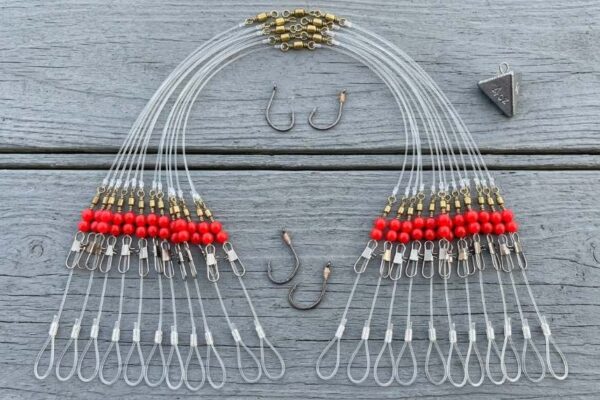
- Hooks, weights, and terminal tackle
- Fishing line and leaders
- Pliers, cutters, and other tools
- Safety items and personal supplies
Next, remove damaged, duplicate, or rarely used items from your main setup. This simple step creates more useful capacity without buying additional storage.
Build a Simple Tackle Box System
The tackle trays should form the organizational backbone of your KarryAll. Give each box a specific purpose instead of mixing unrelated tackle together.
For example, one tray can hold crankbaits, while another stores hooks and weights. A third can contain jigs, and another can handle spinnerbaits or specialty lures.
Clear categories make gear easier to locate during active fishing. They also make restocking much faster after each trip.
Label Every Tackle Tray
Labels help you identify boxes without opening each one. Use simple names based on tackle type, fishing technique, or target species.
- Crankbaits
- Jigs
- Terminal tackle
- Soft plastic accessories
- Topwater lures
- Seasonal tackle
Keep labels short enough to read instantly. You can place them on the tray lid or use small removable tags.
Arrange Trays by Frequency
Place your most frequently used tackle where you can reach it first. Less frequently used boxes should occupy deeper or lower positions.
For instance, keep your primary lure box near the top of the main compartment. Store seasonal or backup tackle underneath it.
This arrangement saves time when conditions change quickly. It also prevents unnecessary digging through the entire bag.
Use the Main Compartment Strategically
The large main compartment provides the foundation for your loadout. However, avoid treating it as one large storage bin.
Use the internal divider when you need separate zones for tackle and non tackle equipment. This setup can keep rain gear, snacks, or spare clothing away from tackle trays.
When you need maximum tackle capacity, remove or reposition the divider as appropriate. Always maintain enough structure to prevent loose gear from shifting during transport.
Keep Heavy Items Low
Place heavier tackle near the bottom of the main compartment. This position helps keep the bag stable while you walk.
Light items can occupy the upper section without creating unnecessary pressure. As a result, the backpack should feel more balanced on your shoulders.
Also avoid placing delicate sunglasses or electronic items underneath heavy tackle. Protect those items inside their dedicated compartments whenever possible.
Turn Exterior Pockets Into Quick Access Stations
Exterior pockets work best when they hold items you reach for repeatedly. Avoid filling these spaces with backup equipment that rarely needs attention.
Use accessible pockets for fishing pliers, line cutters, leaders, and small tools. Keep these items consistent so your hands learn their locations.
Likewise, store frequently used personal items in predictable locations. Consistency matters more than filling every available pocket.
Create a Tool Pocket
Keep your primary pliers and line cutters in one dedicated location. Then return them immediately after every use.
This habit prevents one of the most common tackle bag problems. You should never need to search through several compartments for one basic tool.
Create a Small Supplies Pocket
Use another pocket for hooks, split shot, swivels, snaps, and similar small supplies. Keep these items inside smaller containers when possible.
Loose terminal tackle can scatter quickly inside larger pockets. Small containers therefore protect organization and make replacements easier to track.
Control Soft Plastic Storage
Soft plastics can create serious clutter when anglers mix packages with hard tackle. Keep unopened packages together in one dedicated area.
Sort soft plastics by style, color, or fishing technique based on your habits. Avoid carrying every color when only a few regularly produce results.
Separate opened packages from sealed packages whenever possible. This system helps prevent leaks, torn bags, and unnecessary duplication.
Prevent Soft Plastic Messes
Keep soft plastics inside their original sealed packages when practical. Place those packages together instead of spreading them across multiple pockets.
Check damaged packaging before each trip. Replace leaking bags before they contaminate other gear inside the backpack.
Organize Fishing Line and Leaders
Line and leaders need their own storage strategy. Loose spools can consume space and create tangles when stored without structure.
Keep spare line spools together in an internal pocket or small container. Store leader material where you can reach it without moving tackle trays.
Write the line size on each spool if the original label becomes difficult to read. This small habit prevents unnecessary inspection beside the water.
Separate Fresh and Used Line
Do not mix damaged leader material with unused line. Create a small discard area for sections that need replacement.
After each trip, inspect your remaining line for abrasion or damage. Replace questionable material before your next fishing session.
Protect Hooks and Lures From Damage
Hooks require careful placement because they can damage other equipment. Keep treble hook lures separated from items that can snag easily.
Use tackle tray compartments to prevent hooks from tangling together. Close every compartment securely before returning the tray to the bag.
Likewise, keep metal lures away from sensitive personal items. A controlled storage system reduces scratches, punctures, and accidental hook contact.
Use Empty Tray Space Wisely
Do not automatically fill every compartment with tackle. Empty spaces can prevent lures from rubbing together during transportation.
Group similar lures by size and action when possible. This approach also makes it easier to compare options while fishing.
Build a Weather Ready Upper Section
Your upper compartment can carry items that support longer fishing sessions. Rain gear, gloves, snacks, and spare clothing work well here.
Keep these items separate from wet or dirty equipment. A basic waterproof pouch can provide another layer of protection for sensitive belongings.
Remember that water resistant fabric does not make every item completely waterproof. Therefore, protect phones, documents, and electronics with separate waterproof storage.
Create a Fishing Tool Station
A well organized tackle bag should function like a portable workstation. Every frequently used tool should have one predictable home.
- Fishing pliers
- Line cutters
- Hook remover
- Measuring tool
- Small scissors
- Line spool
Keep the tools you use constantly outside the main compartment. Store occasional tools inside instead of occupying valuable quick access space.
Keep Safety Equipment Separate
Safety equipment should remain easy to identify and reach. Avoid hiding first aid supplies underneath tackle trays.
Keep essential safety items together in one clearly recognized area. That arrangement saves valuable time when you need something unexpectedly.
Balance Capacity Against Carry Comfort
A large tackle bag can hold more equipment than you actually need. Therefore, maximum capacity should never become your packing target.
Start with the gear required for your planned fishing session. Add backup equipment only when the conditions justify carrying it.
After packing, lift the bag and check its balance. If one side feels noticeably heavier, redistribute the contents before leaving.
Use a Trip Specific Loadout
Create different setups for different fishing situations. A short pond trip should not require the same loadout as an all day fishing session.
For quick trips, carry fewer tackle trays and essential tools. For longer outings, add backup line, extra lures, clothing, and food.
This method keeps the bag useful without turning every trip into a heavy transport job. It also makes packing faster because your categories remain consistent.
Reset the Bag After Every Fishing Trip
Good tackle organization depends on maintenance, not one time packing. Spend a few minutes resetting the bag after each outing.
Remove empty packages, damaged line, wet items, and unused debris. Then return every tool and tackle tray to its assigned position.
Check hooks and lures for rust, damage, or moisture before storing them. Dry wet equipment before closing the bag for extended storage.
Follow a Five Minute Reset
- Remove trash and empty packages.
- Dry wet tackle and equipment.
- Inspect hooks and line.
- Return tools to their assigned pockets.
- Restock missing tackle before the next trip.
This short routine prevents small problems from becoming major organization issues. More importantly, it keeps your next fishing trip focused on fishing.
A Practical KastKing KarryAll Layout
| Storage Area | Recommended Contents | Organization Goal |
|---|---|---|
| Main lower section | Tackle trays | Protect and categorize core tackle |
| Upper section | Rain gear, snacks, spare clothing | Separate personal supplies |
| Front pocket | Terminal tackle and leaders | Provide fast access |
| Tool pocket | Pliers and cutters | Keep essential tools ready |
| Side storage | Water bottle and accessories | Keep frequent items accessible |
| Small internal pockets | Line and small supplies | Prevent loose gear movement |
Common Organization Mistakes to Avoid
One common mistake involves carrying every lure you own. Instead, build your loadout around the conditions and techniques you expect.
Another mistake involves using pockets without fixed purposes. Assign each pocket a job, then return items to that location consistently.
Some anglers also mix used and unused tackle. Keep those groups separate because damaged or wet equipment can affect clean gear.
Finally, avoid overloading the backpack simply because space remains. Extra weight can reduce comfort and make frequently used items harder to reach.
How to Improve Your System Over Time
Track which items you actually use during several fishing trips. Afterward, move frequently used gear closer to the top and exterior pockets.
Likewise, move unused tackle into a secondary storage box at home. This creates more room for equipment that supports your actual fishing habits.
Seasonal changes also provide a useful opportunity to reorganize. Replace cold weather gear, seasonal lures, and technique specific tackle as conditions change.
Frequently Asked Questions
How many tackle boxes fit in the KastKing KarryAll?
The main compartment can hold up to four 3600 size tackle boxes on supported KarryAll models.
Where should I keep fishing pliers?
Keep fishing pliers in an exterior quick access pocket so you can reach them without opening the main compartment.
How should I store soft plastics?
Keep soft plastics in sealed packages and group them by style, color, or fishing technique.
Should heavy tackle go at the bottom?
Yes, placing heavier tackle lower helps create a more stable and comfortable load during transport.
How often should I reorganize the tackle bag?
Reset the bag after every fishing trip and perform a deeper review whenever your fishing conditions change.
Final Thoughts
The best way to organize a KastKing Karryall Tackle Bag starts with clear storage roles. Use tackle trays for core gear, exterior pockets for frequent tools, and separate spaces for personal supplies.
Then refine the system after every fishing trip. A consistent layout saves time, controls weight, protects equipment, and lets you focus on fishing instead of searching.
Start by emptying your current gear today and assign every item a permanent location. Once the system works, maintain it after each trip for faster and cleaner preparation.