Nina Taylor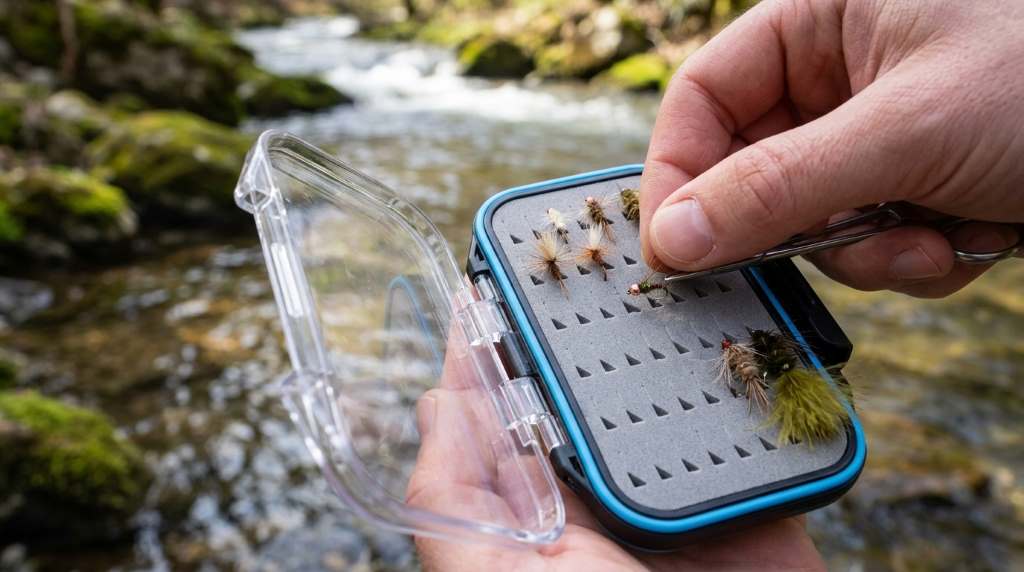
A Gonex Double Sided Fly Box helps anglers organize flies, protect patterns, and reach the right fly quickly. With two usable sides, it can hold a practical range of flies while keeping them separated and visible. A well organized fly box can save several minutes during changing conditions, especially when trout feeding patterns shift quickly. The Gonex Double Sided Fly Box works best when you assign each side a clear purpose. Therefore, proper loading and storage matter as much as the box itself.
Key Takeaways
- Use one side for frequently used flies and the other for backup patterns.
- Keep similar fly sizes together so you can find patterns faster.
- Place larger flies where their materials will not interfere with nearby patterns.
- Remove wet flies before long term storage to reduce moisture problems.
- Reserve some space for new patterns and seasonal changes.
- Inspect hooks and fly materials regularly before each fishing trip.
Understand the Double Sided Design
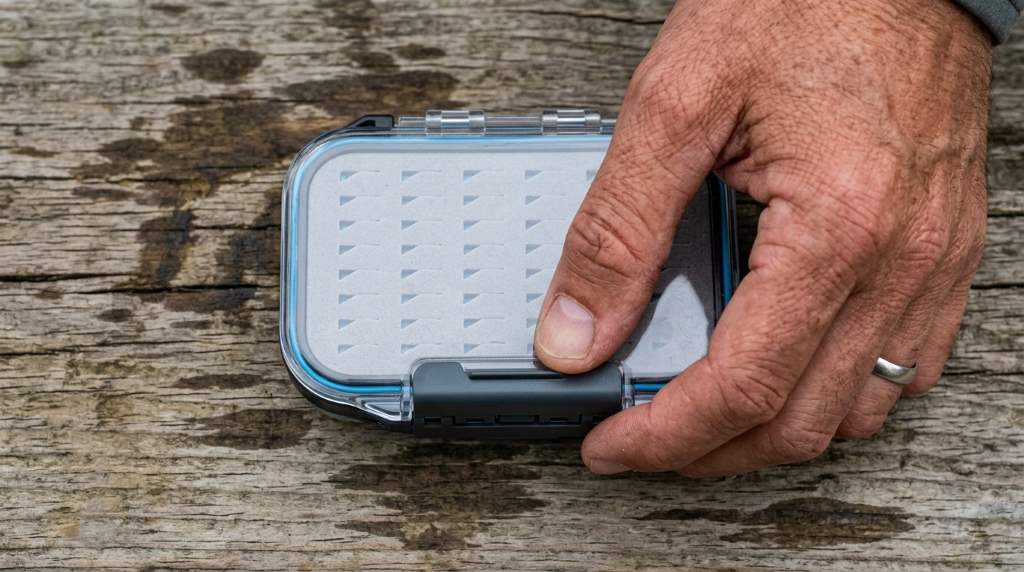
Before loading the box, examine both sides and understand how each compartment holds your flies. The double sided layout gives you more organization space without requiring multiple separate boxes. However, filling every available slot can make individual flies harder to identify and remove.
Instead, treat each side as a separate working system with a specific purpose. This simple approach prevents random storage and makes fly selection much faster beside the water.
Give Each Side a Clear Job
Start by dividing your collection according to fishing conditions, fly types, or frequency of use. For example, one side can hold dry flies while the other stores nymphs and streamers.
Alternatively, dedicate one side to frequently used patterns and reserve the second side for less common options. Choose a system that matches how you actually fish rather than copying another angler’s setup.
Check the Interior Before Loading
Look closely at the compartments, closures, and fly holding areas before adding your collection. Make sure the box opens smoothly and closes securely without catching materials between its surfaces.
Next, check whether larger flies need additional clearance around their hooks and materials. This small inspection can prevent crushed feathers, tangled fibers, and damaged patterns later.
Prepare Your Flies Before Storage
Good organization starts before the first fly enters the box. Sort your flies by pattern, size, hook style, and fishing situation before assigning them storage locations.
Remove damaged patterns from your active selection and repair useful flies when practical. This process reduces clutter while ensuring that every stored pattern remains ready for fishing.
Group Flies by Purpose
Sort flies into practical groups instead of relying only on their names. Dry flies, wet flies, nymphs, streamers, terrestrials, and emergers can each receive dedicated areas.
Within those groups, arrange patterns by approximate size or color. Consequently, you can compare similar options quickly when fish ignore your first selection.
Separate Frequently Used Patterns
Place your most frequently used flies in the easiest areas to access. These patterns deserve priority because you will reach for them repeatedly throughout the season.
Keep backup patterns toward less accessible areas when your box design permits it. That arrangement keeps everyday fishing simple without sacrificing variety.
Load the Box Without Creating Clutter
Loading a double sided fly box requires more thought than simply filling empty spaces. Leave enough room for your fingers to remove flies without disturbing neighboring patterns.
Start with larger patterns and work toward smaller ones where appropriate. This method helps prevent bulky materials from covering smaller flies or creating unnecessary tangles.
Store Similar Sizes Together
Arrange flies in groups based on hook size or overall profile. For instance, keep smaller versions together rather than mixing them randomly with larger patterns.
As a result, your visual search becomes faster when conditions change. You can also notice which sizes need replacement before your next trip.
Protect Delicate Materials
Handle flies by the hook or sturdy parts whenever possible. Avoid pressing feathers, foam, rubber legs, and delicate synthetic fibers against unnecessary pressure.
Additionally, avoid overcrowding compartments with bulky patterns. Adequate spacing allows materials to retain their intended shape between fishing sessions.
Build a Practical Fly Organization System
A useful fly box should answer one question quickly: where is the pattern you need right now? Therefore, create a consistent organization method and maintain it after every fishing trip.
You can organize by species, season, water type, fly category, or frequency of use. The best system remains the one you can understand immediately without opening several other boxes.
Use a Water Based System
Anglers who fish different water types can dedicate each side to specific environments. One side might support stillwater patterns, while the other handles moving water selections.
This method works especially well when you travel between different fishing locations. It also reduces the need to carry every fly you own.
Use a Seasonal System
Another practical method divides flies according to seasonal conditions. Store current seasonal patterns on one side and upcoming patterns on the other.
Before each season, review the collection and replace damaged or missing patterns. This habit keeps the box relevant instead of turning it into a storage drawer.
Keep Wet Flies Away From Long Term Storage
Moisture deserves special attention because anglers often return flies to their boxes immediately after fishing. Wet materials can remain damp inside enclosed storage, particularly when airflow stays limited.
Therefore, dry used flies before returning them to their normal positions. When possible, give damp flies temporary airflow before placing them back inside the box.
Dry Flies After Fishing
After removing a fly from your tippet, inspect it for water and debris. Gently shake off excess water and allow the pattern to dry before storage.
Also, remove aquatic vegetation or other debris caught around the hook. Clean flies remain easier to inspect and ready for the next outing.
Inspect the Box After Wet Trips
Open both sides after fishing in rain or high humidity. Check for trapped moisture around compartments, corners, closures, and stored materials.
If you find moisture, remove the flies and let everything dry thoroughly. Then return the flies only after the interior feels completely dry.
Make Fly Selection Faster on the Water
A well organized box becomes valuable when fishing conditions change unexpectedly. You should be able to open it, identify several suitable patterns, and return to casting quickly.
For that reason, place your highest priority patterns where they remain visually obvious. Avoid burying essential flies underneath large collections of rarely used alternatives.
Create a Fast Access Section
Reserve a portion of the box for flies you expect to use repeatedly during the outing. This section might include your primary dry fly, nymph, emerger, and streamer options.
Then, keep experimental patterns elsewhere for occasional testing. This separation maintains order while still giving you room to adapt.
Match Flies to Conditions
Observe water movement, insect activity, weather, and fish behavior before selecting a pattern. Then compare those observations with the flies stored in your organized sections.
Instead of changing flies randomly, make one deliberate adjustment at a time. This approach helps you understand which pattern change actually affected your results.
Maintain the Fly Box Between Trips
Regular maintenance keeps your fly box useful throughout the season. After each outing, spend a few minutes checking your most frequently used patterns and compartments.
Replace missing flies before the next trip rather than waiting until you need them. Likewise, remove damaged patterns when repairs no longer make practical sense.
Use a Simple Maintenance Checklist
- Remove wet flies and dry them completely.
- Check hooks for rust, damage, or excessive wear.
- Inspect feathers, hair, foam, and synthetic materials.
- Replace patterns that you repeatedly lose or use.
- Reorganize misplaced flies after each trip.
- Check closures and storage surfaces for debris.
Common Mistakes to Avoid
One common mistake involves filling every available storage position. Although maximum capacity sounds efficient, excessive clutter makes individual flies harder to identify and remove.
Another mistake involves mixing wet flies with dry storage. Furthermore, inconsistent organization can force you to search through both sides whenever you need one specific pattern.
Avoid Random Placement
Random placement seems convenient after a long day on the water. However, repeatedly dropping flies into empty spaces gradually destroys your organization system.
Instead, return every fly to its assigned area. This small habit saves time during future trips and keeps your collection predictable.
Avoid Carrying Every Pattern
More flies do not automatically create better preparation. Carrying unnecessary patterns adds clutter and makes important choices harder.
Instead, build a focused selection around the waters and species you target. Keep specialized patterns available when conditions genuinely justify them.
How to Set Up the Box Before a Trip
Start preparing your box at least one day before leaving. This timing gives you enough opportunity to replace missing patterns and correct organizational problems.
First, check expected fishing conditions and identify your primary pattern groups. Next, inspect those flies and move the most relevant options into convenient positions.
| Box Section | Suggested Use | Organization Method |
|---|---|---|
| Side One | Primary flies | Group by type and size |
| Side Two | Backup patterns | Group by conditions |
| Easy Access Area | Frequently used flies | Keep visually obvious |
| Remaining Space | Experimental patterns | Separate from essentials |
When to Reorganize Your Fly Selection
Reorganize whenever your fishing habits change significantly. A box designed for summer dry fly fishing may become inefficient when winter conditions require different patterns.
Likewise, reorganize after several trips if you notice repeated searching or unused sections. Those signs indicate that your storage system no longer matches your fishing routine.
Use Your Actual Fishing Habits
Pay attention to which flies leave the box most often. Those patterns deserve easier access and more backup space.
Meanwhile, rarely used patterns can move toward secondary storage areas. Over time, this creates an organization system based on real behavior rather than assumptions.
Frequently Asked Questions
How should I organize a double sided fly box?
Organize each side by fly type, size, fishing condition, or frequency of use.
Can I store wet flies inside the box?
Dry wet flies first because prolonged moisture can create storage problems and damage fly materials.
How many flies should I put in the box?
Store enough useful patterns for your trip while leaving adequate space for easy removal and organization.
Should I separate large and small flies?
Yes, separating sizes reduces clutter and makes suitable patterns faster to locate.
How often should I reorganize my fly box?
Review the box after trips and reorganize it whenever your fishing conditions or habits change.
Final Thoughts
Using a Gonex Double Sided Fly Box effectively starts with deliberate organization rather than maximum capacity. Give each side a purpose, group flies logically, protect delicate materials, and keep moisture away from stored patterns.
Before your next fishing trip, remove unnecessary flies and build a focused selection around expected conditions. Then maintain that system after every outing so your box stays ready when the next opportunity arrives.