Nina Taylor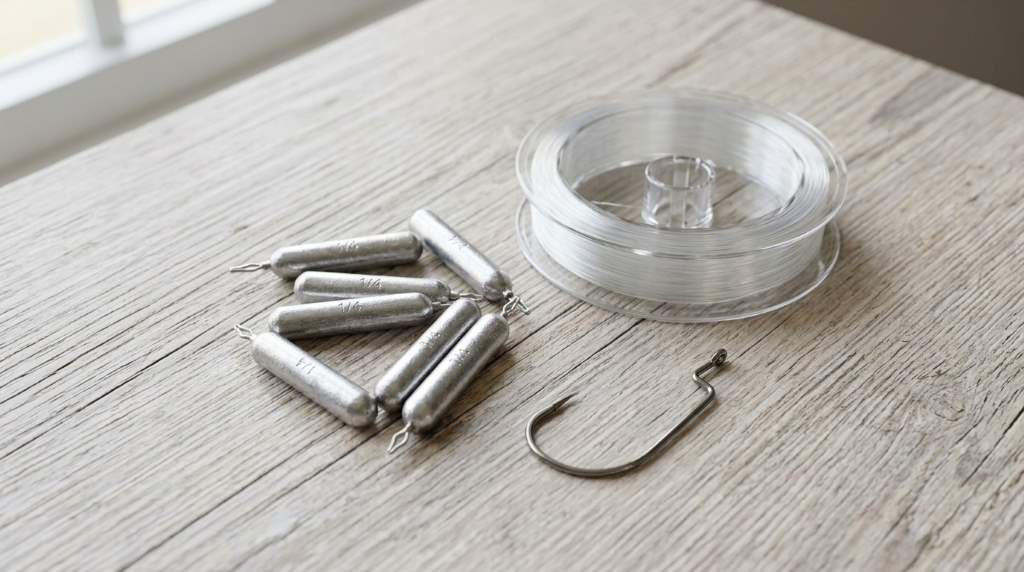
Use Reaction Tackle Drop Shot Weights below your hook to keep a soft plastic bait suspended above the bottom. Start with a light weight, then increase it when wind, depth, or current makes bottom contact difficult. The Reaction Tackle Drop Shot Weights lineup includes five tungsten sizes from 1/8 ounce through 1/2 ounce. The tungsten models also use compact designs that help maintain a subtle presentation. With the right size, knot, leader length, and movement, these weights can make drop shot fishing much more controlled.
Key Takeaways
- Attach the weight below your drop shot hook and bait.
- Start with 1/8 or 3/16 ounce for light conditions.
- Move to 1/4 ounce when depth or wind demands better contact.
- Use 3/8 or 1/2 ounce for deeper water and stronger current.
- Match the weight shape to rocks, vegetation, or open bottom.
- Keep the weight touching bottom while the bait stays elevated.
Understand the Drop Shot Weight Setup
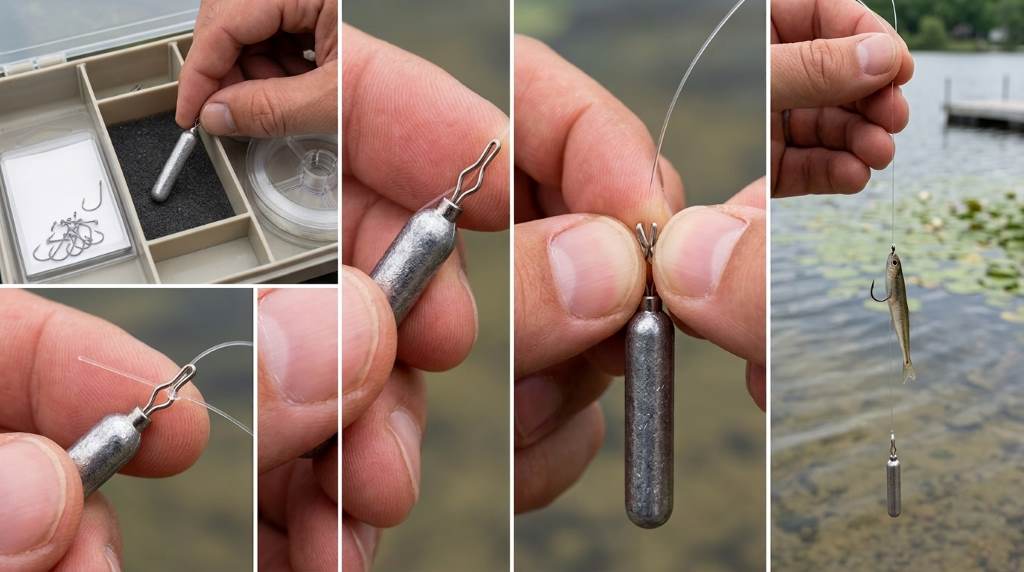
A drop shot rig separates the hook from the sinker, creating a suspended bait presentation. The weight reaches the bottom first, while the hook remains higher along the leader.
Therefore, the weight controls your contact with the bottom rather than directly weighing down your bait. That separation lets you move the bait with small rod movements.
How the Rig Should Sit
Tie your drop shot hook several inches above the terminal weight. Then attach the weight to the tag end below the hook.
Keep enough distance between the hook and weight for your target depth. A short leader works well near bottom, while a longer leader raises the bait higher.
Choose the Right Reaction Tackle Weight
Weight selection should follow water conditions rather than a fixed rule. Your goal involves maintaining bottom contact without making the rig unnecessarily heavy.
| Weight | Best Starting Use | Main Benefit |
|---|---|---|
| 1/8 oz | Shallow, calm water | Subtle presentation |
| 3/16 oz | Light wind and moderate depth | Better contact with minimal bulk |
| 1/4 oz | General purpose fishing | Balanced control and sensitivity |
| 3/8 oz | Deeper water or stronger wind | Faster descent and stronger contact |
| 1/2 oz | Deep water or heavy conditions | Maximum control among the listed sizes |
For beginners, 1/8, 3/16, and 1/4 ounce provide a useful starting range. However, deeper water often requires additional weight to maintain reliable bottom contact.
Start Light and Increase Gradually
Begin with the lightest weight that reaches bottom efficiently. Next, increase the size when your line angle becomes difficult to control.
This approach keeps the bait natural while giving you better feedback through the rod. Additionally, lighter weights can reduce unnecessary resistance during subtle presentations.
Match the Weight Shape to the Bottom
Weight shape affects how your rig travels across different underwater surfaces. Reaction Tackle offers skinny and tear drop tungsten options for drop shot applications.
A streamlined shape can move more easily through rocks, vegetation, and other underwater obstacles. Meanwhile, different shapes can produce different sensations as you drag them across the bottom.
Skinny Weights
Skinny weights work well when you expect frequent contact with rocks, grass, or other cover. Their narrow profile can help the weight move through tight areas.
Use them when your main concern involves reducing unwanted hang ups. However, always match the weight to the specific cover you encounter.
Tear Drop Weights
Tear drop designs provide another option for anglers who want controlled bottom contact. They can work particularly well when you move the rig across open bottom.
Test both shapes in familiar water before deciding which design suits your presentation. Small differences become easier to notice when you repeat the same retrieve.
Attach the Weight Correctly
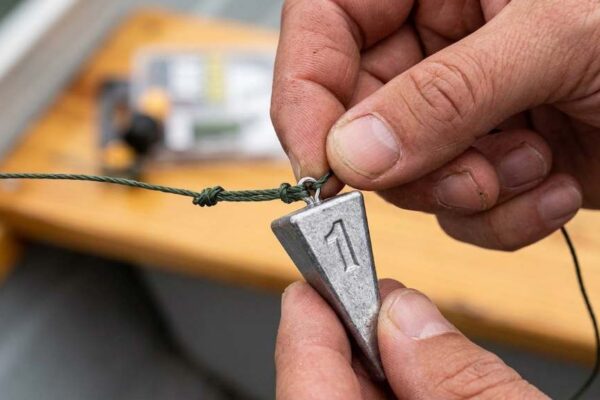
First, tie your drop shot hook onto the main line at your preferred height. Leave a tag end below the hook for attaching the weight.
Next, feed the tag end through the weight connection point. Pull the line firmly so the weight sits securely beneath the hook.
Reaction Tackle models use weight connection systems designed for drop shot applications. Always inspect the connection before casting, especially after catching fish or contacting heavy cover.
Check Your Knot Position
Your hook should face the correct direction after you tighten the knot. If the hook points awkwardly downward, correct the connection before fishing.
A properly positioned hook helps the bait move naturally and improves your ability to detect unusual pressure. Therefore, spend a few seconds checking the rig before every productive stretch.
Rig the Bait at the Correct Height
The weight does not determine your bait height by itself. Your hook position determines how far the bait sits above the bottom.
Start with a moderate leader when fish appear close to the bottom. Then increase the separation when fish suspend higher or ignore your initial presentation.
Adjust Leader Length During Fishing
Use a shorter separation when fish feed directly along the bottom. Increase the distance when sonar or repeated bites suggest suspended fish.
For example, changing the hook position can move your bait several inches higher without changing the weight. This adjustment often proves faster than replacing the entire rig.
Learn the Right Retrieve
Drop shot fishing rewards controlled movement rather than aggressive rod action. Cast the rig, allow the weight to reach bottom, and then tighten your line.
Next, shake the rod tip gently while keeping the weight near the bottom. Let the bait move while the weight remains relatively stationary.
After several seconds, slowly drag the weight across the bottom. Pause again, then repeat the subtle movement before moving the rig farther.
Use Bottom Contact as Your Reference
You should regularly feel where the weight sits. If you lose that feeling, increase weight size or reduce slack.
However, avoid dragging constantly because excessive movement can make a finesse presentation look unnatural. Instead, alternate between shaking, pausing, and slowly repositioning.
Adjust Weight for Wind and Current
Wind can create slack that makes a light weight difficult to control. Current can create the same problem by moving your line away from the intended position.
In those conditions, increase weight gradually until you regain reliable bottom contact. A heavier weight can also help maintain a consistent presentation when your line moves constantly.
Still, avoid adding weight simply because conditions feel difficult. First reduce unnecessary slack, improve your rod angle, and reposition your boat if possible.
Use the Right Weight for Depth
Depth strongly affects how quickly your weight reaches the bottom. Deeper water generally requires more weight when you need precise control.
Start with your normal light setup, then increase weight when the descent becomes slow or difficult to track. This method prevents you from overloading shallow presentations.
| Fishing Condition | Suggested Starting Size | Adjustment |
|---|---|---|
| Shallow calm water | 1/8 oz | Increase if contact becomes inconsistent |
| Moderate depth | 3/16 oz | Move toward 1/4 oz in wind |
| Deeper water | 1/4 oz | Increase when line control suffers |
| Deep or windy water | 3/8 oz | Use 1/2 oz when necessary |
Improve Sensitivity With Tungsten
Tungsten provides a compact alternative to traditional lead weights. Reaction Tackle describes its tungsten models as 97 percent tungsten and approximately 50 percent smaller than lead.
That compact profile can help the weight move through cover while transmitting bottom feedback efficiently. As a result, you can often distinguish rocks, gravel, vegetation, and softer bottom more clearly.
Still, sensitivity depends on the entire setup rather than weight material alone. Rod action, line type, leader length, and slack all influence what reaches your hand.
Fish Around Cover Without Losing Control
Drop shot weights often encounter rocks, branches, grass, and other underwater obstacles. Consequently, your retrieve should match the cover instead of forcing the weight through it.
When fishing rocks, lift the weight slightly before moving it forward. Then allow it to settle naturally before applying another small movement.
When fishing vegetation, maintain enough tension to feel the weight without constantly ripping it free. This approach can keep your bait near productive cover longer.
Reduce Unnecessary Hang Ups
Choose a streamlined weight when your fishing area contains frequent snags. Also, avoid excessive dragging through areas where the weight repeatedly catches.
If the weight becomes stuck, lower your rod and change the line angle. A different angle often frees the weight without aggressive pulling.
Detect Bites Without Overreacting
Drop shot bites do not always feel like hard strikes. Sometimes, you may notice added weight, unusual pressure, or a line that stops moving.
When something feels different, keep your rod steady for a moment. Then reel down and apply controlled pressure instead of immediately making a violent hookset.
For many drop shot presentations, a smooth upward hookset works better than a powerful sweeping motion. Your hook type and fishing situation should guide the final movement.
Common Mistakes to Avoid
- Using excessive weight in shallow, calm water.
- Allowing too much slack between your rod and weight.
- Dragging the sinker continuously without pauses.
- Keeping the hook too close to the bottom for suspended fish.
- Ignoring line damage after repeated contact with cover.
- Failing to check the weight connection before another cast.
These mistakes can reduce control even when you use quality terminal tackle. Therefore, focus on connection, tension, weight, and movement before changing your bait.
A Simple Setup Process for Your Next Trip
- Select a weight based on depth, wind, current, and bottom type.
- Tie the drop shot hook at your preferred leader height.
- Attach the weight to the tag end below the hook.
- Check the hook orientation and weight connection.
- Cast beyond the target area and allow the weight to reach bottom.
- Tighten the line until you feel consistent bottom contact.
- Shake the bait gently without constantly moving the weight.
- Pause, drag slowly, and repeat the presentation.
- Increase weight when wind or depth reduces control.
How to Store Drop Shot Weights
Keep your weights organized by size so you can change them quickly. Separate tungsten and lead options if you carry both materials.
Also, inspect each weight after fishing around rocks or heavy cover. Replace damaged components before they create problems during your next trip.
A small tackle organizer with labeled compartments makes size selection much faster. Consequently, you spend less time searching and more time keeping your bait in the strike zone.
How to Use Reaction Tackle Drop Shot Weights More Effectively
The most effective approach starts with control rather than maximum weight. Your weight should reach bottom, communicate contact, and allow your bait to move naturally.
Use 1/8 ounce when conditions allow a subtle presentation, then increase gradually as conditions become harder. Choose 1/4 ounce as a practical middle ground when you need more control.
When wind, current, or depth becomes demanding, move toward 3/8 or 1/2 ounce. Meanwhile, adjust your leader height and retrieve before making major changes.
Frequently Asked Questions
Where does the Reaction Tackle weight go on a drop shot?
Attach the weight below your drop shot hook using the tag end of your fishing line.
What size drop shot weight should beginners use?
Start with 1/8 or 3/16 ounce, then increase the size when bottom contact becomes difficult.
Can you use Reaction Tackle tungsten weights in deep water?
Yes, heavier sizes such as 3/8 and 1/2 ounce can improve control in deeper water.
Should a drop shot weight touch the bottom?
Yes, maintaining bottom contact helps you control the rig while keeping the bait above the bottom.
How do you prevent drop shot weights from getting stuck?
Use a streamlined shape, reduce aggressive dragging, and change your line angle when the weight catches cover.
Final Thoughts
Learning how to use Reaction Tackle Drop Shot Weights comes down to controlling depth, contact, and presentation. Start light, maintain bottom awareness, and increase weight only when conditions demand it.
Before your next fishing trip, organize several sizes and test them across different depths and bottom types. Then adjust your leader and retrieve until the bait moves naturally while the weight stays controlled.
That simple process gives you a repeatable system instead of relying on guesswork. Practice the setup in familiar water, record what works, and refine your weight selection with each trip.