Nina Taylor
Creek fishing for native brook trout is one of the most rewarding outdoor experiences. Whether you are a beginner or an experienced angler looking for a new challenge, these small, colorful fish provide both excitement and tranquility. Native brook trout, often found in cold, clear waters, require a special approach. Understanding their habits, choosing the right gear, and knowing where to find them are essential for success.
In this guide, we will explore everything you need to know about creek fishing for native brook trout. From selecting the best equipment to reading the water and using the most effective techniques, this article is your ultimate roadmap to success.
Understanding Native Brook Trout
Brook trout, also known as “speckled trout,” are a species of freshwater fish native to North America. They thrive in small, cold, well-oxygenated streams, often in remote locations. Unlike stocked trout, native brook trout are wild, making them more wary and challenging to catch.
These fish typically grow between 6 and 12 inches in length, though in pristine environments, they can reach up to 16 inches. Their vibrant colors—green, yellow, and red with blue halos—make them one of the most beautiful freshwater fish.
Best Time to Fish for Brook Trout
Brook trout are most active during cooler temperatures, making early morning and late evening the prime times to fish. The best seasons are spring and fall when water temperatures range between 50°F and 65°F. During summer, they seek deeper pools or shaded areas to escape the heat.
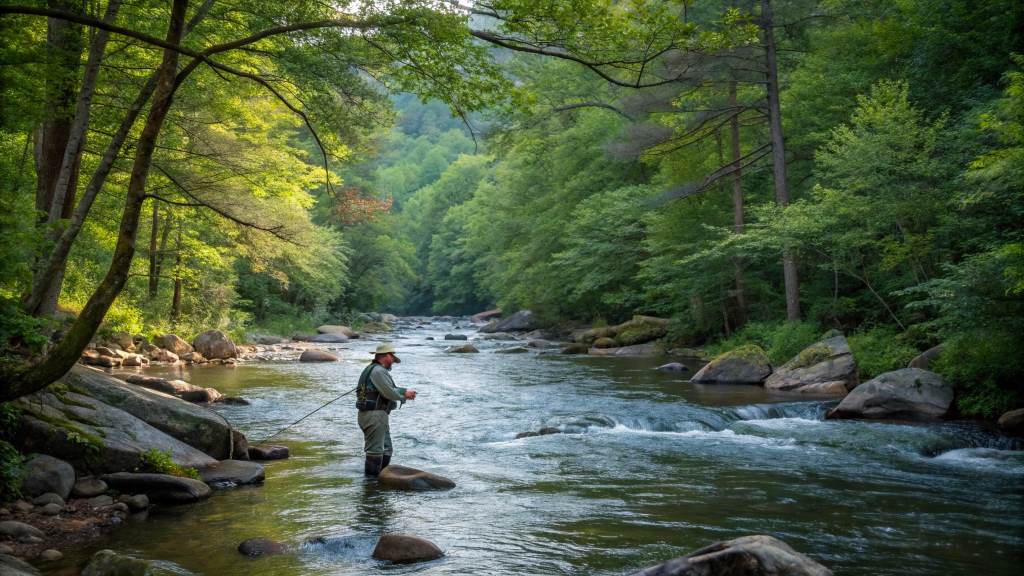
Choosing the Right Gear
Success in creek fishing for brook trout starts with selecting the right equipment. Since these fish are typically found in small, clear creeks, lightweight gear is best.
Rod and Reel Selection
A light or ultralight spinning rod (5 to 6 feet) paired with a small spinning reel is ideal for maneuvering in tight spaces. If you prefer fly fishing, a 2-4 weight fly rod is the best choice for accurate casting in small streams.
Fishing Line
Brook trout have keen eyesight, so using a 2-6 lb test monofilament or fluorocarbon line is recommended. Fluorocarbon is nearly invisible underwater and highly resistant to abrasion, making it perfect for fishing around rocks and logs.
Bait and Lures
Natural baits such as worms, crickets, and minnows work exceptionally well. Artificial lures like small spinners (Panther Martins, Mepps), spoons, and soft plastic nymphs are also effective in enticing strikes. For fly fishing, classic patterns like Adams, Elk Hair Caddis, and Woolly Buggers are excellent choices.
Finding the Best Fishing Spots
Brook trout are highly selective in their habitat preferences. The best places to find them include:
Small Mountain Streams
Brook trout prefer cold, clean, and highly oxygenated waters. Mountain streams with a gravel or rocky bottom provide ideal conditions.
Spring-Fed Creeks
Since brook trout require temperatures below 68°F, spring-fed creeks maintain stable conditions, keeping trout active year-round.
Deep Pools and Undercut Banks
Look for deeper pools behind large rocks, under logs, or near cut banks. These areas provide protection from predators and fast currents.
Overhanging Vegetation
Trout love shade, and areas with overhanging trees or brush provide cover and abundant insect life.
Mastering Fishing Techniques
Using the right technique is critical to successfully catching native brook trout.
Casting and Presentation
- When spin fishing, cast upstream and allow the lure to drift naturally.
- Fly fishing requires precision; use short, delicate casts to prevent spooking the fish.
- Avoid excessive splashing; brook trout are easily frightened in clear water.
Drift Fishing
Let your bait or fly drift with the current, mimicking natural food sources. Adjust weight or leader length to ensure a natural flow.
Stealth Approach
Since brook trout are skittish, move slowly and quietly. Avoid casting shadows over the water and use natural-colored clothing to blend with the environment.
Hook Setting and Landing
When a brook trout strikes, set the hook with a quick but gentle motion. Too much force can rip the hook out of their soft mouths. Use a rubber landing net to prevent injury to the fish.
Catch and Release Best Practices
Brook trout populations are fragile, and conservation is crucial for their survival.
- Use barbless hooks to minimize damage.
- Keep fish in the water as much as possible.
- Wet your hands before handling to protect their slime coat.
- Avoid squeezing the fish tightly.
- If harvesting, follow local regulations and take only what you need.
Essential Safety and Etiquette
Fishing in remote areas requires preparation and respect for nature.
- Check local fishing regulations to avoid fines or harming native populations.
- Respect private property and always ask permission if needed.
- Pack out all trash to keep creeks clean.
- Watch for wildlife such as bears and snakes, especially in backcountry locations.
- Wear proper footwear to avoid slipping on wet rocks.
Frequently Asked Questions
Where can I find native brook trout?
They are found in cold, clear mountain streams, particularly in the Appalachian and northern U.S. regions.
What is the best bait for brook trout?
Live bait like worms and artificial lures such as small spinners and flies work best.
Do I need a special license to fish for brook trout?
Most states require a fishing license and may have regulations on size and catch limits.
What is the best time of day to catch brook trout?
Early morning and late evening provide the best chances, as trout are most active in low light.
How do I release brook trout without harming them?
Use barbless hooks, keep the fish in water, and handle them gently with wet hands.
Conclusion
Creek fishing for native brook trout is an exciting and rewarding experience for any angler. These beautiful fish offer a unique challenge, requiring patience, skill, and respect for nature. With the right gear, techniques, and a conservation mindset, you can enjoy a successful and ethical fishing adventure.
Whether you’re a beginner or an experienced angler, the joy of landing a wild brook trout in a pristine creek is unmatched. Get out there, explore the waterways, and enjoy the beauty of nature while fishing for one of North America’s most iconic species.