Nina Taylor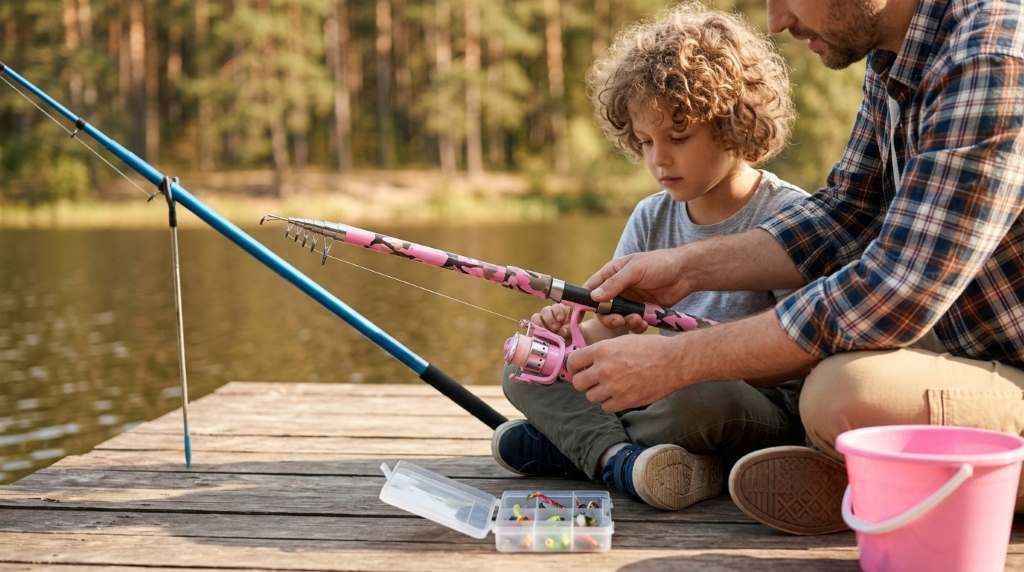
A kids fishing kit works best when you organize simple tackle before reaching the water. The Widden Kids Fishing Kit With Tackle Box can help beginners carry essential gear in one place. Children often learn faster when adults keep each setup simple and manageable. The American Sportfishing Association reports that millions of Americans fish recreationally each year. Moreover, youth participation remains an important part of introducing new anglers to the sport. This guide explains how to assemble, cast, store, and maintain the kit safely. You will also learn how to avoid common beginner mistakes during each fishing trip.
Key Takeaways
- Check every kit component before taking it outdoors.
- Organize tackle by purpose instead of mixing everything together.
- Use simple bait and lightweight rigs for beginners.
- Teach children basic casting and hook safety first.
- Adjust the rig according to the fishing location and target species.
- Clean and dry every component after fishing.
Understand the Kit Before Fishing
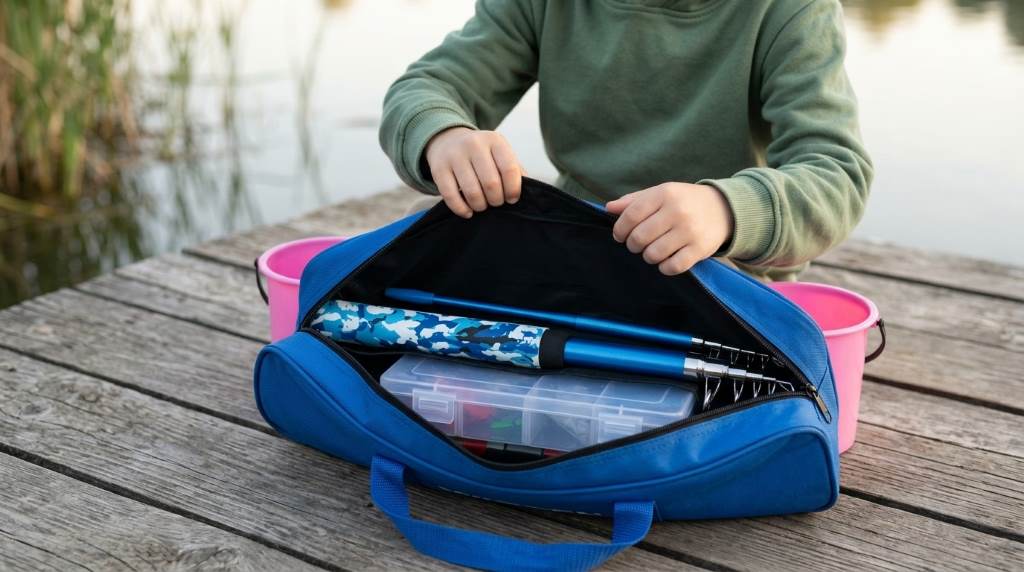
Start by opening the tackle box and identifying every item inside. Usually, a beginner kit combines a fishing rod, reel, line, hooks, floats, sinkers, and artificial lures.
However, included components can vary between kits and product versions. Therefore, inspect your specific kit instead of assuming every accessory has the same purpose.
Check the Rod and Reel
Hold the rod firmly and inspect each guide for cracks or sharp edges. Next, check whether the reel handle turns smoothly without unusual resistance.
Then examine the line for tangles, fraying, or loose knots. Replace damaged line before fishing because weak line can cause unnecessary breakoffs.
Sort the Tackle Box
Separate hooks, sinkers, floats, lures, and other small accessories into organized sections. This approach helps children find equipment quickly without scattering tackle around.
Keep sharp hooks secured whenever the kit remains unused. Additionally, store small pieces away from very young children who might accidentally swallow them.
Prepare a Simple Beginner Rig
A basic float rig gives children an easy way to learn how bait behaves underwater. It also provides a visible signal when a fish takes the bait.
First, thread the fishing line through the rod guides and leave enough working line. Then attach the hook using a reliable fishing knot suited to the line.
Add the Float and Sinker
Attach the float above the hook at a suitable depth for your fishing location. Positioning the float higher usually lets the bait reach deeper water.
Next, add a small sinker above the hook when the rig needs extra weight. Use only enough weight to keep the bait stable without making casting difficult.
Select Simple Bait
Choose bait that matches the fish commonly found at your fishing spot. Worms, corn, bread, and small pieces of suitable bait can work for many beginner situations.
Nevertheless, local fishing rules may restrict certain bait types or species. Check the applicable regulations before preparing the tackle box.
Teach Children to Handle the Rod
Before casting, show the child how to hold the rod with both hands. Keep the dominant hand near the reel while the other hand supports the handle.
Next, explain how the reel controls line movement during casting. Short practice casts on an open lawn can build confidence before reaching the water.
Practice the Casting Motion
Ask the child to look behind and beside them before making each cast. A clear casting area reduces the chance of hitting another person or object.
Start with short casts instead of chasing maximum distance. As technique improves, gradually increase casting distance while maintaining control.
Control the Line
Teach the child to watch the line after the bait enters the water. A loose line can make detecting small bites more difficult.
Keep the rod tip pointed toward the water while waiting for activity. Then maintain enough tension to notice movement without pulling the bait away.
Use the Tackle Box Efficiently
A tackle box becomes more useful when every compartment has a clear purpose. Assign separate spaces for terminal tackle, lures, floats, and spare equipment.
For example, keep hooks together in one secure compartment. Place sinkers nearby, but prevent them from rolling freely across the entire box.
Pack Only Useful Tackle
Children usually benefit from fewer choices rather than a crowded tackle box. Pack several proven options instead of carrying every accessory available.
- Small hooks suitable for the intended fish.
- A few lightweight sinkers.
- One or two float styles.
- Simple artificial lures.
- Extra fishing line for basic repairs.
- Small pliers for handling tackle safely.
This focused approach makes setup faster and reduces confusion beside the water. Furthermore, it leaves space for replacing lost or damaged tackle during the trip.
Match the Setup to the Fishing Location
The same rig does not work equally well in every fishing environment. Consider water depth, current, vegetation, target species, and local regulations before rigging the rod.
For calm ponds, a simple float setup often gives beginners an easy visual reference. Meanwhile, moving water may require a different weight arrangement to keep bait in position.
Fishing From a Bank
Bank fishing gives children enough room to practice controlled casting. Choose an open shoreline with stable footing and minimal overhead obstacles.
Keep the tackle box beside the angler rather than directly behind them. This arrangement reduces tripping hazards while allowing quick access to spare tackle.
Fishing From a Dock
Docks require extra attention because hooks can snag nearby structures. Use shorter casts and keep children away from crowded edges.
Always follow site specific rules about fishing access and equipment. Additionally, keep hooks secured whenever someone moves between fishing positions.
Make Hook Safety a Priority
Hooks remain the sharpest components inside most children’s fishing kits. Therefore, children should learn safe hook handling before they start casting.
Adults should handle hook removal when a child lacks the confidence or coordination to do it safely. Keep fingers behind the hook point and use appropriate pliers when necessary.
Follow a Simple Safety Routine
- Check the area before every cast.
- Keep hooks covered during transport.
- Never swing a lure near another person.
- Carry the rod with the tip pointed upward.
- Use pliers when removing difficult hooks.
- Store sharp tackle securely after fishing.
Also, children should wear suitable personal safety equipment around docks, boats, and deep water. Fishing skill never replaces basic water safety.
Handle Fish With Care
Once a child catches a fish, slow down before reaching for the hook. Wet your hands first when handling fish that you plan to release.
Support the fish properly and avoid squeezing its body. Remove the hook quickly when possible, then return the fish gently to the water.
Turn a Catch Into a Learning Moment
Use each catch to teach observation rather than focusing only on size. Discuss the fish’s habitat, bait, behavior, and how the rig produced the bite.
This approach helps children understand why different tackle choices matter. Over time, they can begin making simple adjustments independently.
Fix Common Problems During a Trip
Beginner fishing sessions often involve small problems that children can learn to solve. A tangled line, loose knot, or snag does not need to end the trip.
First, stop casting when the line becomes tangled. Place the rod down safely and identify the knot before pulling hard.
When the Line Keeps Tangling
Check the reel spool for excessive line or poor line placement. Also inspect the guides for damaged areas that could affect line movement.
If the problem continues, remove the damaged section and reconnect the rig. Keeping spare line in the tackle box makes this repair much easier.
When the Bait Keeps Falling Off
Use a hook size that suits the bait instead of forcing excessive bait onto a small hook. Secure the bait firmly while leaving enough hook exposed for effective hooking.
Furthermore, reduce casting force when using soft bait. Gentle casting can preserve bait while still placing it accurately.
Clean and Store the Kit After Fishing
Proper maintenance helps preserve the rod, reel, line, and tackle. Start by removing bait, dirt, weeds, and moisture from the equipment.
Rinse appropriate gear with clean water when exposed to dirty or salty conditions. Then dry each component completely before closing the tackle box.
Use a Post Fishing Checklist
- Remove leftover bait from the tackle box.
- Inspect hooks for rust or damage.
- Check the fishing line for abrasion.
- Wipe the rod and reel clean.
- Dry wet tackle before storage.
- Replace missing or damaged accessories.
Finally, store the rod in a dry location away from excessive heat. Keeping tackle organized after every trip makes the next fishing session much easier.
Build Better Skills With Each Trip
The best way to use a children’s fishing kit involves gradual skill development. Start with casting, then introduce rig adjustments, bait selection, and basic fish handling.
After several trips, let the child organize part of the tackle box independently. This simple responsibility teaches preparation while making fishing feel more personal.
Progress From Basic to Advanced
| Skill Stage | What to Practice |
|---|---|
| Beginner | Rod handling, casting, and hook safety |
| Developing | Rig setup, bait placement, and line control |
| Intermediate | Depth changes, lure selection, and knot practice |
| Advanced | Location based rig adjustments and tackle organization |
This progression keeps learning manageable while creating useful habits. Moreover, children gain confidence when they solve small fishing problems without unnecessary adult intervention.
Common Mistakes to Avoid
Many beginners make fishing harder by carrying too much tackle or changing rigs too often. Instead, start with one simple setup and observe what happens.
Another common mistake involves casting before checking the surrounding area. Always scan behind, beside, and above the angler before releasing the line.
Finally, avoid ignoring equipment damage because small defects can become larger failures. Inspect the line, knots, hooks, guides, and reel before every session.
Frequently Asked Questions
Is a kids fishing kit suitable for beginners?
Yes, a kids fishing kit can simplify basic fishing by combining essential equipment in one portable setup.
How should I organize the tackle box?
Separate hooks, sinkers, floats, lures, and spare supplies into dedicated compartments for faster access.
What bait should children use?
Use simple bait that matches the target fish and complies with local fishing regulations.
How can children practice casting safely?
Let children practice short casts in open areas before they fish near people, structures, or vegetation.
How should I clean the fishing kit?
Remove debris, rinse suitable equipment, dry everything thoroughly, and store the kit somewhere cool and dry.
Final Thoughts
Using a children’s fishing kit successfully starts with simple preparation and consistent safety habits. The tackle box keeps essential equipment organized while the rod and reel introduce children to practical fishing skills.
Start with a basic rig, practice controlled casting, and adjust the setup according to local conditions. Most importantly, make every trip a chance to learn, observe, and build confidence.
Before your next fishing outing, organize the tackle box, inspect the equipment, and prepare one beginner friendly rig. Then head to a suitable fishing location and let the young angler put those skills into practice.