Nina Taylor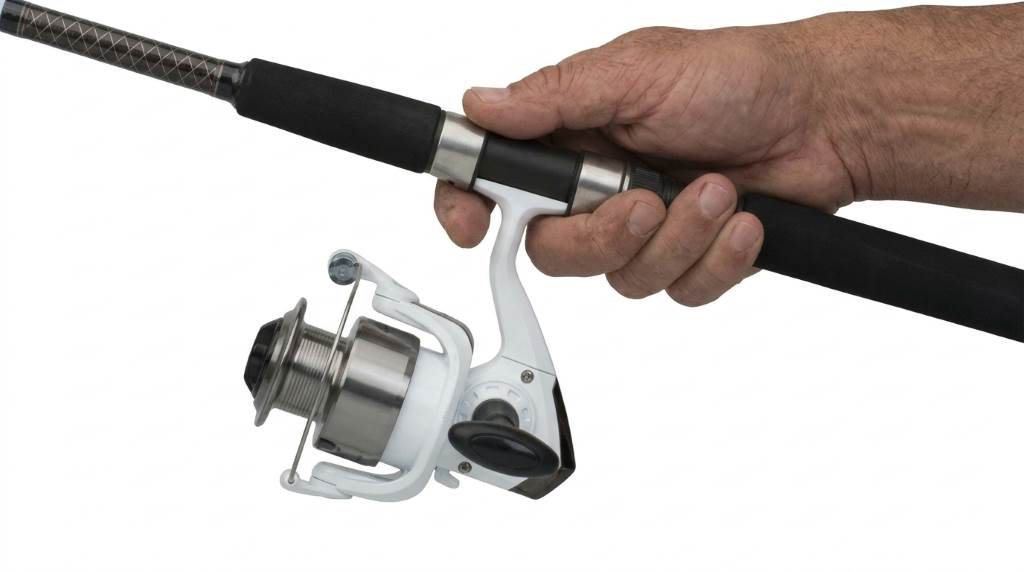
Using an Ugly Stik 7 Catfish Rod Reel starts with matching the reel, line, terminal tackle, and drag to your target fish. A 7 foot medium heavy catfish setup commonly supports 15 to 30 pound line and roughly 1/2 to 3 ounce terminal weights. The Ugly Stik 7 Catfish Rod Reel works well for bank fishing, boat fishing, and general freshwater catfishing. However, proper setup matters more than simply attaching a reel. This guide explains how to spool it, rig bait, set drag, cast safely, detect bites, and fight fish without overloading the tackle.
Key Takeaways
- Match the reel size and line capacity to your target catfish.
- Use 15 to 30 pound line within the rod’s rated range.
- Keep sinker weight within the rod’s recommended casting range.
- Use a swivel and leader to reduce line twist and protect the main line.
- Set the drag before casting instead of tightening it during a fight.
- Let the rod load naturally when casting heavy catfish rigs.
- Inspect the guides, knots, drag, and line after every serious fishing trip.
Understand Your 7 Foot Catfish Setup
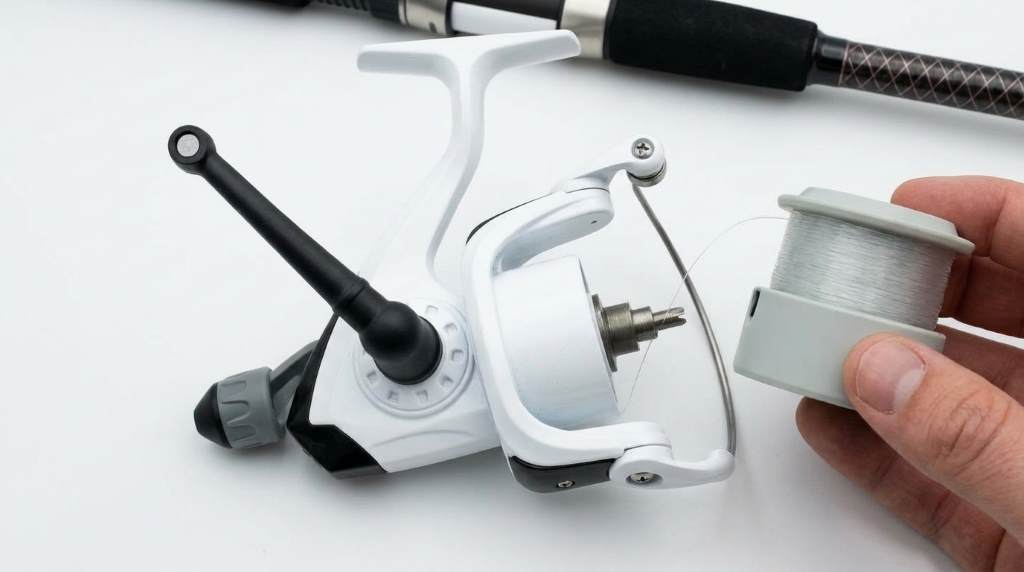
Before rigging the outfit, identify whether you have the spinning or casting version. The reel seat, spool design, and casting technique differ between these two configurations. Therefore, use a reel designed specifically for your rod type rather than forcing an incompatible reel onto the seat.
A typical 7 foot Ugly Stik catfish rod uses medium heavy power with a moderate or moderate fast action. That combination gives you enough backbone for strong fish while preserving useful tip movement. As a result, the rod can absorb sudden runs without behaving like an extremely stiff broomstick.
Check the Rod Ratings First
Look near the lower section of the blank for the line and lure ratings. A common 7 foot model carries a 15 to 30 pound line rating and a 1/2 to 3 ounce lure rating. Always follow the exact markings on your individual rod because Ugly Stik offers several similar catfish models.
These ratings help you avoid two common mistakes. Using line or sinkers far outside the stated range can change casting behavior and place unnecessary stress on the tackle.
Choose the Right Reel Size
For a spinning setup, a medium to large freshwater spinning reel can provide a practical balance. Many catfish anglers use a size around 40 to 50 when they need additional line capacity. However, the right size depends on your target species, fishing location, and preferred line.
A larger spool can hold more heavy line and reduce the chance of running short during a long fight. Meanwhile, an oversized reel can make a 7 foot rod feel unnecessarily heavy. Therefore, balance the reel beneath the rod before buying or spooling it.
Match Reel Capacity to Your Fishing
Channel catfish in open water usually require less line capacity than powerful fish near heavy structure. Consequently, your reel choice should reflect the environment rather than the fish’s maximum possible size. A compact setup can work beautifully for smaller fish and frequent casting.
For larger catfish, prioritize spool capacity, drag quality, and frame strength. You should also consider how much line remains after a long cast because the remaining capacity affects the fight.
Spool the Reel Correctly
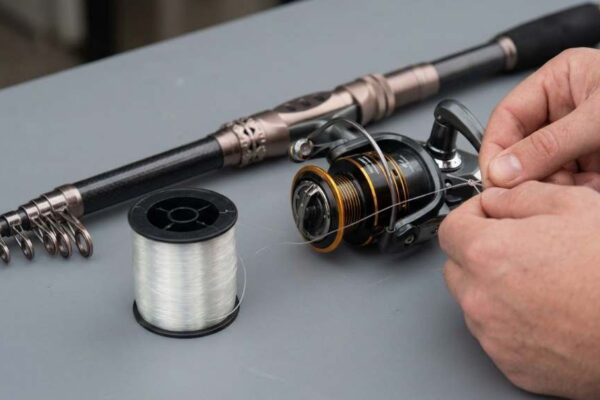
Start by selecting monofilament or braided main line according to your fishing style. Monofilament offers stretch and simple knot handling, while braid provides greater sensitivity and smaller diameter. Either option can work when you keep the line within the rod and reel’s practical limits.
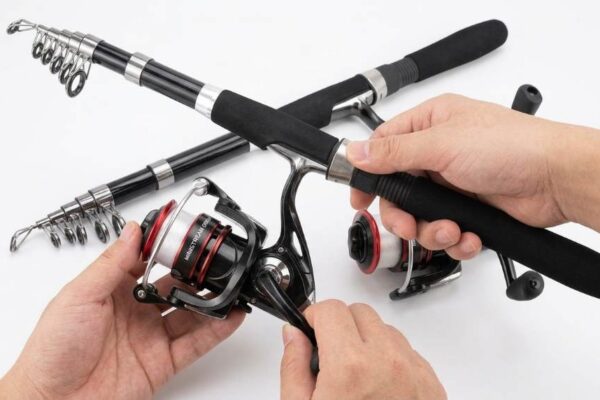
Open the bail before attaching line to a spinning reel. Then secure the line to the spool with a reliable arbor knot and close the bail manually. Keep steady tension while filling the spool so the line sits evenly.
Leave the Correct Amount of Line
Do not fill a spinning spool completely to its outer edge. Leave a small gap below the spool lip to reduce loops and unwanted line spill during casting. Conversely, underfilling the spool can noticeably reduce casting distance.
After spooling, pull several yards from the reel and inspect the line for twists. If the line immediately coils into tight loops, correct the spool tension before attaching your terminal rig.
Build a Simple Catfish Rig
A simple sliding sinker rig gives beginners an effective starting point. Thread the main line through an appropriate sinker, then attach a swivel and connect a leader to the swivel. Finally, tie on a suitable hook for your bait and target species.
This arrangement lets a catfish move with the bait without immediately pulling the sinker through the water. As a result, the fish can create better bite signals at the rod tip. You can adjust the leader length when current, structure, or bait presentation demands a different approach.
Use the Right Sinker
Choose sinker weight according to depth, current, casting distance, and bottom conditions. Start with the lightest weight that keeps your bait near the intended area. Increase weight gradually when current repeatedly moves the rig away from the feeding zone.
Keep the total rig within the rod’s stated lure rating. A heavy sinker combined with bulky bait can exceed the practical casting load even when the sinker alone appears acceptable.
Select Hooks for the Bait
Hook size should match your bait and the mouth size of your target catfish. Circle hooks work well for many catfish applications when regulations and fishing methods allow them. They also encourage a controlled hookset technique instead of an aggressive upward strike.
Keep the hook point exposed whenever possible. A buried point can reduce penetration, especially when you use tough cut bait or larger pieces of natural bait.
Prepare and Present Your Bait
Catfish respond to different food sources depending on species, water conditions, and available forage. Cut bait, live bait, worms, and prepared baits can all produce fish in appropriate situations. Match the bait size to the fish rather than automatically using the largest piece available.
Keep the bait secure enough to survive casting and current. At the same time, avoid covering the hook point unnecessarily. A balanced presentation gives the fish access to the bait while keeping the hook ready.
Position the Bait Near Productive Water
Look for depth changes, current seams, submerged structure, creek channels, and areas where food naturally collects. During warmer periods, catfish often use predictable feeding areas around structure and current. Therefore, placing your bait randomly across featureless water can waste valuable fishing time.
Once you find productive water, make repeated casts to similar zones. Consistent placement helps you learn how depth, current, and bottom composition affect your bite rate.
Set the Drag Before Casting
Drag adjustment plays a major role when you use a 7 foot catfish rod. Start with moderate resistance rather than locking the drag completely. The fish should pull line during a powerful run instead of breaking the leader or straightening the hook.
Test the drag by pulling line steadily from the spool. Adjust it until the system releases line smoothly without sticking or surging. Most importantly, never rely on the drag knob alone to control a large fish near heavy cover.
Why Moderate Drag Works
The rod already provides useful shock absorption through its flexible blank. Adding moderate drag lets the rod and reel work together during sudden runs. Consequently, you can maintain pressure without applying maximum force immediately.
As the fish tires, you can increase pressure through controlled rod positioning and steady reeling. Avoid rapid drag adjustments because sudden changes can create unpredictable tension at the hook.
Cast the Setup Safely
Catfish rigs often carry heavier sinkers and bulky bait than ordinary freshwater lure setups. Therefore, use a smooth casting motion instead of snapping the rod aggressively. Check your surroundings before every cast because heavy terminal tackle can cause serious injury.
For a spinning reel, open the bail and hold the line against your finger. Swing the rod smoothly toward the target, release the line, and allow the rod to load naturally. Then close the bail by hand after the rig lands.
Avoid Overloading the Rod
Never assume a strong rod can safely throw any weight you attach. The stated lure rating exists to define the intended working range. Exceeding that range can increase stress during the cast, especially when you add heavy bait.
If you need substantially heavier terminal tackle, use a rod specifically rated for that workload. A longer or heavier catfish rod may provide better control for extreme rigs and powerful fish.
Detect and Respond to Catfish Bites
After the rig reaches the bottom, remove excess slack without pulling the bait away from its position. Keep the rod at a comfortable angle and watch the tip for unusual movement. Small taps can indicate bait activity, current movement, or an interested fish.
When the rod loads steadily, pay attention before making your next move. With a circle hook, avoid an exaggerated hookset and let the fish create steady tension. Instead, begin reeling smoothly while maintaining pressure.
Use a Rod Holder Correctly
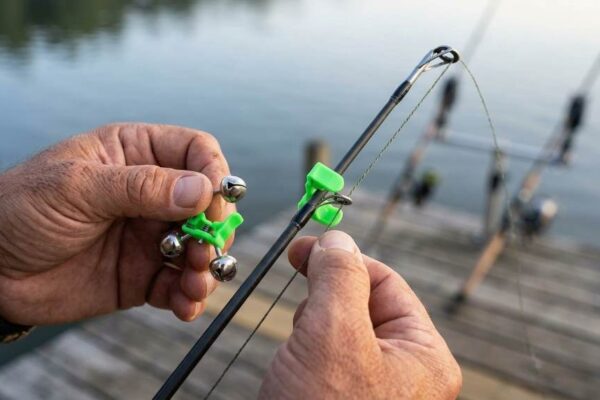
A rod holder keeps the setup secure while you wait for a bite. Position the rod so the line leaves the tip cleanly without rubbing against nearby objects. Keep the drag adjusted before placing the rod into the holder.
Never leave a loaded rod unattended near dangerous water or heavy structure. A powerful catfish can pull equipment toward the water surprisingly quickly.
Fight the Fish With Controlled Pressure
Keep the rod bent without forcing it into an extreme angle. Let the rod absorb sudden head shakes while you maintain steady pressure through the reel. When the fish runs, allow the drag to work instead of trying to stop every movement immediately.
When the fish slows, regain line with short, controlled turns of the handle. Keep the line tight throughout the fight because slack can allow a hook to come loose. Near the bank, guide the fish away from rocks, branches, and other abrasive surfaces.
Land the Fish Without Unnecessary Risk
Prepare your landing method before the fish reaches shallow water. A suitable landing net can provide better control than grabbing the line or leader. For larger catfish, use a landing approach that protects both the fish and your hands.
Keep your fingers away from the hook whenever possible. Remove the hook with appropriate tools, especially when dealing with large fish or multiple hooks.
Adjust the Setup for Different Conditions
One advantage of this setup comes from its flexibility. You can change leader length, sinker weight, bait size, and casting position without replacing the entire outfit. However, each change should support a specific fishing condition.
| Fishing Condition | Useful Adjustment | Reason |
|---|---|---|
| Strong current | Use a heavier sinker | Keeps bait near the target area |
| Open bottom | Use a longer leader | Creates a broader bait presentation |
| Heavy structure | Use stronger leader material | Improves abrasion resistance |
| Short casting range | Use lighter terminal tackle | Improves natural presentation |
| Long casting range | Balance weight and bait carefully | Maintains casting control |
Common Mistakes to Avoid
Many beginners focus heavily on bait while overlooking tackle setup. However, poor knots, excessive drag, overloaded rigs, and loose line can cost more fish than bait selection. Correcting those basic problems often produces more noticeable results.
- Do not exceed the rod’s stated lure rating.
- Do not fill a spinning spool to the very edge.
- Do not lock the drag completely before fishing.
- Do not bury the hook point inside oversized bait.
- Do not swing heavy rigs with sudden, violent casting motions.
- Do not fight large fish with the rod pointed straight at them.
- Do not ignore worn line after fishing around rocks or timber.
Maintain the Rod and Reel After Fishing
Basic maintenance can extend the useful life of your setup. After freshwater fishing, wipe the rod, reel, guides, and handle with a clean damp cloth. Then let the equipment dry completely before storing it.
Inspect the line for nicks after every session around rocks, docks, or submerged wood. Also check the guides for cracks, sharp edges, or unusual wear. Replace damaged line before the next trip rather than discovering the problem during a fight.
Store the Setup Properly
Loosen the drag slightly during long term storage to reduce unnecessary pressure on internal components. Keep the rod away from extreme heat and direct sunlight when possible. Store the reel where dust and moisture cannot accumulate around the moving parts.
For two piece versions, separate the sections only after cleaning them. Check the ferrule area for dirt before reconnecting the sections on your next trip.
How to Improve Your Results
Start with one dependable rig instead of carrying several complicated setups. Learn how your sinker behaves, how your bait moves, and how your drag responds before changing multiple variables. This approach makes each fishing session easier to analyze.
Keep simple notes about water depth, bait, weather, time, location features, and successful rig settings. Over several trips, those observations can reveal patterns that generic fishing advice cannot provide. Consequently, your Ugly Stik setup becomes a system tailored to the waters you actually fish.
Frequently Asked Questions
What line should I use on a 7 foot Ugly Stik catfish rod?
Use line within the rod’s stated range, with 15 to 30 pound line serving as a practical starting point for many setups.
What reel size works with an Ugly Stik 7 foot catfish rod?
A medium to large spinning reel, often around size 40 to 50, provides useful capacity for many catfish applications.
How much weight can the rod cast?
Many 7 foot Ugly Stik catfish models support approximately 1/2 to 3 ounces, but check your rod’s exact rating.
Should I use a circle hook for catfish?
A circle hook can work well with many catfish baits when local regulations and fishing conditions allow its use.
How tight should the reel drag be?
Set moderate drag tension that releases line smoothly during strong runs while maintaining enough pressure for controlled hook penetration.
Final Thoughts
The best way to use an Ugly Stik 7 Catfish Rod Reel involves matching every component to the fishing situation. Start with the correct line, balanced reel, suitable sinker, reliable hook, and properly adjusted drag.
Then focus on smooth casting, accurate bait placement, controlled pressure, and careful fish handling. Once you understand how each component responds, this straightforward catfish setup can become a reliable tool for regular freshwater fishing.
Before your next trip, inspect the line, test the drag, check every knot, and prepare your rig at home. That small preparation step can save valuable fishing time and help you concentrate on finding and landing catfish.